
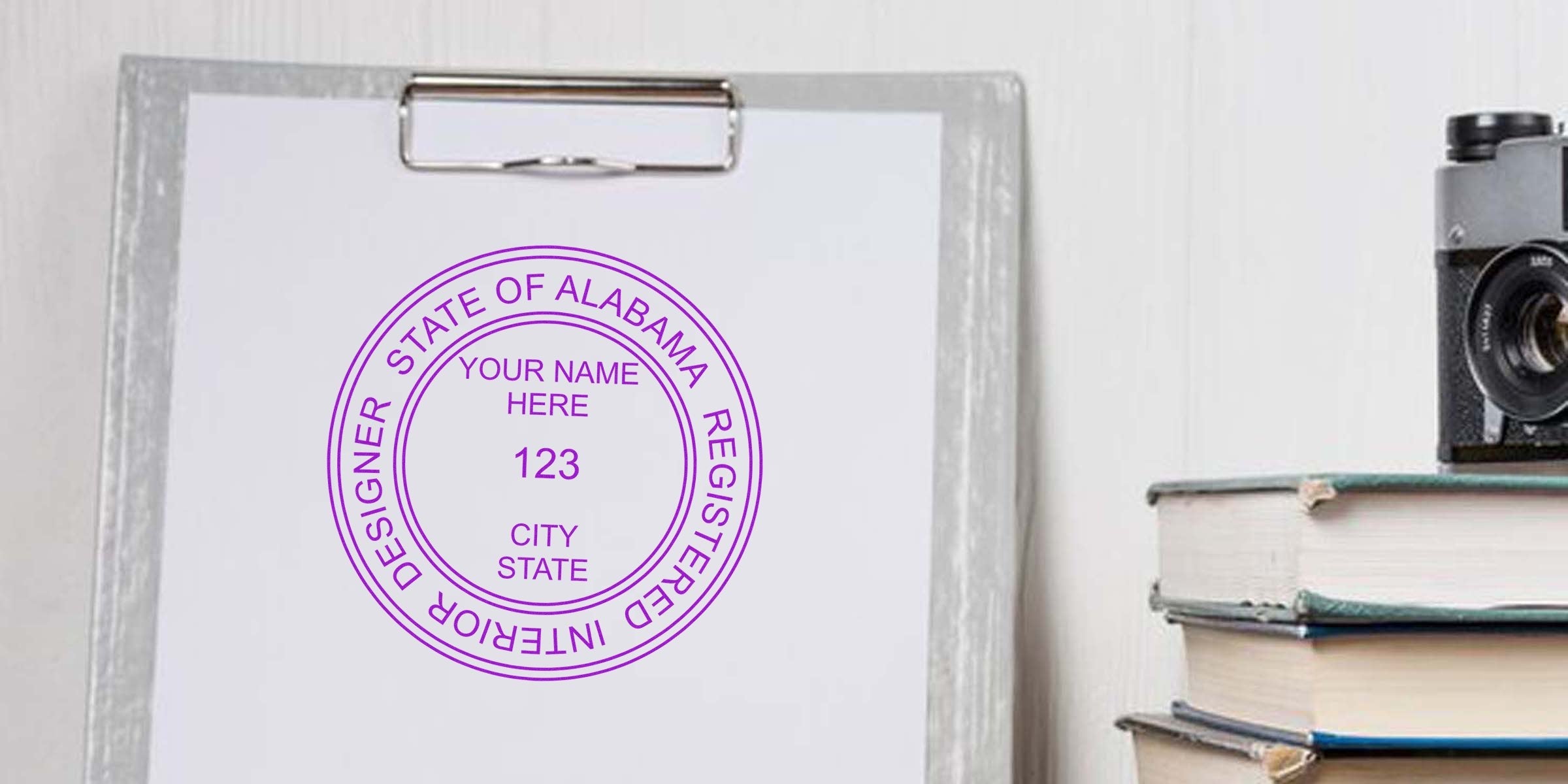
Are you wondering why you need the official interior designer seal in Alabama for your design practice? If you’re looking to serve clients in the state, that seal is more than just a fancy stamp—it’s your official mark of legitimacy. In other words, it proves you’ve met the education, experience, and testing requirements set by Alabama’s regulations, confirming you have what it takes to provide high-quality interior design services. Without it, you could run into questions about your qualifications, issues with project approvals, and even potential legal consequences. Let’s walk through the ins and outs of the seal so you can see exactly why it matters, how to get it, and how to use it correctly.
By the time you finish reading, you’ll be prepared to choose the right seal for your needs and understand how to leverage it to boost your credibility. Whether you’re fresh out of design school or a seasoned pro relocating to Alabama, having this essential tool in your professional toolkit is a big deal. Let’s jump right in and explore what the state expects, the value this official marking brings to your work, and how you can secure a seal that meets those must-have guidelines.
Understand the Importance
Meeting regulatory requirements might sound like a chore, but there’s a reason the Alabama interior designer community takes its seal so seriously. When you display your official credentials, you’re telling clients—and the state—that you follow ethical standards and stand behind your professional expertise.
Complying With State Standards
In Alabama, interior designers are responsible for adhering to guidelines set forth by the state legislature and associated licensing boards. If you operate without the official symbol of your qualification, you risk facing penalties or limitations when it comes to submitting design documents. These standards exist to:
- Protect the public from unqualified or negligent designers
- Ensure projects are built safely and follow codes
- Maintain consistent levels of quality across the industry
When you have the official seal, you can finalize design documents and sign off on drawings with confidence, knowing you’re compliant. It might feel like another step in the process, but it doubles as a protective measure that keeps your work valid under state law.
Enhancing Professional Recognition
Let’s be honest, displaying your seal just looks good. It paints a clear picture of professionalism for clients, contractors, and regulatory agencies. If someone’s deciding between two designers with similar portfolios, your official seal can be the tiebreaker that reassures them you’re the real deal. That’s because:
- It confirms you’ve gone through the right licensure and approvals
- It demonstrates that you know relevant building codes and safety measures
- It symbolizes integrity, competence, and reliability
Grab this seal to quickly prove your credentials in a competitive market, especially if you’re aiming to secure larger or more specialized projects. Potential clients want reassurance, and your state-approved stamp or seal can provide exactly that.
Know the Alabama Requirements
Before you can earn the privilege of using that seal, you need to check off certain boxes. Alabama’s laws are fairly straightforward, but understanding them fully ensures a smooth path to practicing legally. From formal education to experience hours, it’s all part of meeting the standard.
Education And Licensing Steps
Alabama typically requires interior designers to complete a degree from an accredited institution—most often a bachelor’s program in interior design. From there, you’ll gather on-the-job training hours, which might also involve apprenticeships or supervising roles under licensed designers. Once you meet these core requirements, you can sit for exams administered by recognized bodies, such as the National Council for Interior Design Qualification (NCIDQ).
Here’s a basic outline of what you can expect:
- Earn a degree from an accredited interior design program.
- Accumulate required supervised work hours or apprenticeship time.
- Pass your qualifying certification exam (often the NCIDQ).
- Apply for licensure with the Alabama state board, submitting proof of education and exam completion.
Once approved, you’re free to practice in Alabama, provided you keep up with any continuing education credits and refresh your licensure when requested by the board.
Mandate For A Valid Seal
Once you’ve officially earned that license, the Alabama Board typically expects you to obtain a seal that includes your name and license number. This seal might be used on:
- Drawings for building permits
- Official project submissions
- Contract documents
- Any situation requiring an authoritative signature from the interior designer
Although some states allow designers to use a rubber stamp or electronic equivalent, Alabama has specific guidelines about how the seal must look—often a circular design including the words “Registered Interior Designer” and the state’s name. For full compliance, you’ll want to confirm the text size, the presence of your license number, and any protective borders set by the regulating board.
Acquire Your Seal
If you’re new to the process, purchasing an official interior designer seal may sound complicated. But in reality, it’s straightforward once you know what to look for. You’ll find reliable stamp makers, like Acorn Sales—trusted since 1964—to help you through the process, from the style of seal to the right ink color. Let’s cover what else you should keep in mind.
Choosing A Trusted Supplier
Investing in a high-quality seal now can save you from replacing it every year due to wear and tear. Acorn Sales sells Alabama-compliant interior designer seals and stamps, carefully crafted to meet the state’s specifications. They’ve been in business since 1964, a sign that they understand what interior designers need. A few benefits of working with a dependable company:
- They know Alabama’s design guidelines inside and out
- They offer excellent customer service, ensuring you get what you need quickly
- They often provide a free electronic stamp alongside your physical one
An electronic version can come in handy if you frequently submit digital documents. And if you want more info on the different stamp options available, be sure to check out the alabama interior designer stamp details as well.
Physical Vs. Electronic Options
There are generally two routes you can take: a physical embosser or stamp, and an electronic seal. The choice often depends on your workflow and the types of documents you handle daily.
-
Physical Seal:
This type uses either an ink stamp pad or an embossing device that raises the paper. A physical seal is often required for official paper plans or legal documents, giving them a tactile imprint. -
Electronic Seal:
If you’re transitioning to paperless operations, you can request a digital seal file that you apply directly to PDFs or other electronic documents. Many design professionals appreciate the speed and convenience of stamping designs on computer files—especially helpful for long-distance or quick-turnaround projects.
In some cases, Alabama may allow you to use a digital signature and seal if you follow their strict authentication rules. Checking the guidelines first ensures that your digital documentation is as legally binding as an ink-stamped set of plans.
Apply The Seal Properly
Once you have your official interior designer seal in Alabama, the next step is knowing when and where to use it. Applying the seal might feel like placing an official stamp on your project’s credibility, which is exactly what you’re doing. But be careful—misusing or overusing it can raise red flags.
Documenting Your Work
The key is to place your seal on documents that must demonstrate validity under state law. Typically, these include:
- Final construction drawings or detailed designs for approval.
- Permit submissions that local authorities must review.
- Formal agreements or design specifications associated with regulated projects.
Most designers end up stamping or embossing each page of critical drawings, especially for larger, multi-sheet plans. Double-check that you sign your name near or through the seal when required, as some boards prefer or mandate a signature to accompany the stamp.
Maintaining Legitimacy
Alabama’s design boards have specific rules about tampering with or reproducing your seal. If you suspect someone is forging or misusing your stamp, you’re obligated to report it. Protecting your seal means:
- Keeping digital versions on password-protected devices
- Storing your physical stamp in a secure location
- Not letting anyone else apply your seal without your supervision
You’ve worked hard and spent time (and money) becoming a licensed pro, so that seal is no small thing. Keep close watch on how it’s used to prevent any unauthorized stamping on documents that don’t meet professional standards.
Avoid Common Pitfalls
Even though using your seal is straightforward, small oversights can lead to big headaches. Here are a few to watch out for:
-
Stamping Before You’re Licensed:
Placing a seal on documents without a valid license can lead to penalties or a formal warning from the state board. Always confirm your licensure status first. -
Incorrect Seal Information:
Make sure your name and license number match exactly what appears in state records. A mismatch, even a minor typo, can invalidate your documents. -
Using an Expired Stamp:
If the design on the stamp changes or your license number is updated for any reason, you’ll need to replace or modify your seal. An outdated seal can throw a wrench in project approvals. -
Forgetting Local Regulations:
Some municipalities in Alabama might have additional conditions when it comes to interior design sign-offs. Be sure to explore city or county rules so your stamped plans sail through every level of review.
When in doubt, reach out to the Alabama licensing board or a fellow licensed designer who’s gone through the process before. Getting clarity helps you steer clear of any compliance stumbling blocks.
Feel free to keep these FAQs in your back pocket. When questions arise from clients, colleagues, or even local authorities, you’ll have quick answers ready.
Having a proper seal might not be the most glamorous part of your interior design business, but it’s certainly one of the most critical. It’s your license’s physical counterpart, delivering the legitimacy and trust clients crave. By fulfilling Alabama’s requirements and applying the seal properly, you put professionalism at the forefront of your practice.
That little circle of text carries serious weight—so treat it with care. Remember to stay updated on any changes in state regulations, keep your seal design current, and store your stamp out of reach of unauthorized users. Armed with this knowledge, you’re ready to align with Alabama’s guidelines, prove your design chops, and serve your clients with confidence. And whenever you need a top-quality stamp or embosser, you’ll know exactly where to turn. Enjoy the peace of mind that comes with having your work fully authenticated and recognized.
Frequently Asked Questions
Do I Really Need the Alabama Seal If I’m Only Doing Small-Scale Projects?
If you’re practicing interior design within Alabama, the seal is typically required for any project submitted for permit, no matter the size. Even if your projects are smaller, it’s best to stay on the right side of the law.
What If My Alabama License Number Changes?
Any change in your license details means you’ll need a new seal that accurately reflects your current information. Using a seal with outdated credentials can jeopardize your project approvals and professional reputation.
Can I Order Both an Embosser and a Digital Seal?
Absolutely. Many suppliers, including Acorn Sales, offer both. A physical embosser is ideal for paper documents. A digital seal, on the other hand, is excellent for handling virtual plans and quicker submittals. Both types increase your flexibility.
How Can I Be Sure My Seal Follows the Correct Design?
Look for a reputable supplier familiar with state regulations. Alabama typically requires specific wording and formatting, including “Registered Interior Designer” and the state name. A good supplier will know the exact specs.
Why Choose Acorn Sales for My Seal?
Acorn Sales has been serving designers since 1964 and specializes in Alabama interior designer seals. They offer high-quality products and a free electronic stamp, giving you both physical and digital solutions without extra hassle.








