
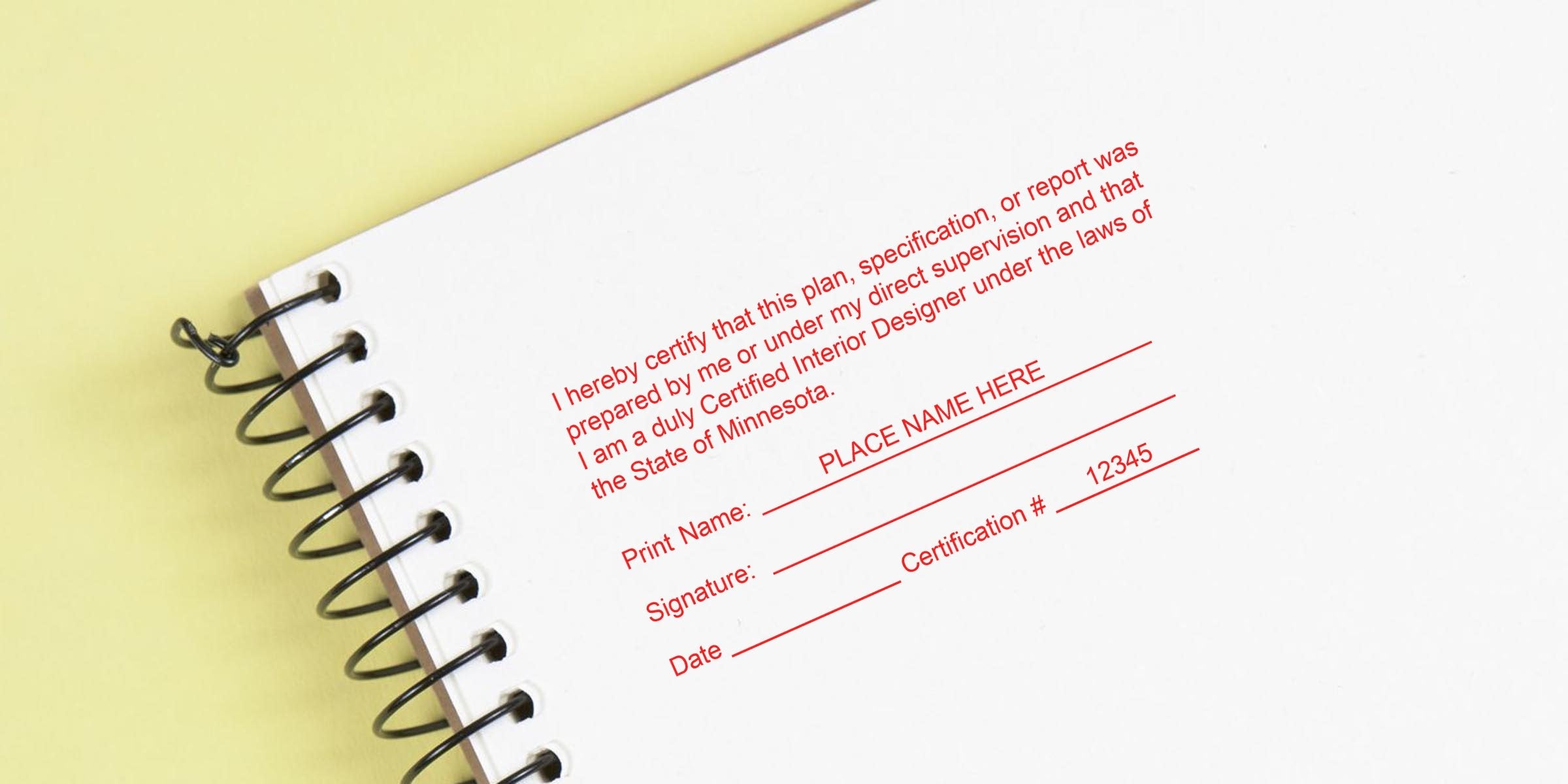
Understand Minnesota’s Sealing Requirements
If you’re preparing design documents in Minnesota, you might find yourself needing a custom interior designer seal Minnesota rules can be quite specific, so understanding these requirements is essential. You’ll use your seal or stamp to demonstrate that you’re a certified professional who complies with the state’s regulations. It’s a small addition, but it carries a lot of weight when signing off on projects.
The Minnesota Board oversees licensing for interior designers, which means you’ll need to align your work with their guidelines. That includes using an official seal or stamp that meets certain size, format, and content requirements. Plus, certain project documents—like construction drawings or design schematics—can require a properly placed seal for legal acceptance. So, let’s walk through everything you should know to make your stamping process smoother.
Why Minnesota Requires a Seal
It’s not just about looking official. A seal or stamp gives your work a layer of authenticity and indicates you have the credentials (such as licensure and proper training) to back up your designs. Minnesota has these standards because they want to ensure public safety in construction, renovation, and interior design projects. After all, structural or layout changes in commercial and residential spaces can pose risks if executed without the right oversight.
Documents That Need Your Seal
You’ll typically use your seal on finalized design documents—floor plans, electrical layouts, or construction details—that go to clients, contractors, and local authorities. Some regulatory bodies might even require a unique seal format for specific design categories. The primary takeaway is that you don’t want your plans to be rejected because you skipped or misused your seal. Always confirm the details of each project, including when and where your seal applies, so you can cover your bases.
Design Your Custom Interior Designer Seal
Having the right stamp or seal isn’t just about slapping on your name. You’ll want to ensure it’s visually appealing, properly sized, and matches state guidelines. Minnesota typically asks for certain elements, including your name, your license number (if applicable), and the words “Licensed Interior Designer” or a similar designation. It might also outline specific instructions for the diameter of a circular seal or recommended text sizes for readability.
Core Components of a Minnesota Interior Designer Seal
- Your Name: It must appear exactly as it does on your official license or certification.
- State Identification: For clarity, seals usually feature “State of Minnesota,” so reviewers immediately see where you’re authorized to practice.
- Professional Title: Whether it’s “Interior Designer,” “Professional Interior Designer,” or another title, make sure it’s the exact wording the Minnesota Board requires.
- License or Registration Number: Essential for validating your qualifications. Misprinting or omitting this can lead to rejection of documents.
Most interior designers in Minnesota opt for either a simple seal design or one that features a decorative outer ring. The design doesn’t have to be fancy, but it does need to convey your professional authority in a clear, clean layout.
Tips for a Professional Look
- Keep It Simple: Overly flashy designs can distract from the seal’s primary purpose—verification.
- Maintain Clear Text: If the text is too small, it may fail to meet state readability requirements.
- Consider Electronic Formats: Many Minnesota firms now accept or prefer digital plans. A clear e-seal or digital stamp is a huge advantage.
Choose the Right Supplier
Chances are, you’re already juggling multiple tasks—client consultations, mood boards, color swatches, and technical drawings. So, when it’s time to create your custom seal, you want a supplier you can depend on for speed, accuracy, and compliance with Minnesota’s rules. That’s where Acorn Sales comes in.
Acorn Sales has been in business since 1964, helping professionals like you order and personalize stamps and seals. Through decades of service, they’ve gained expertise in meeting each state’s unique guidelines. For Minnesota interior designers, that track record can ease your stress, because you won’t have to obsess over the fine print. They also offer a free electronic seal, which is huge if you’re handling digital plan submissions. Knowing you have a reliable electronic version can save you time and hassle during last-minute design tweaks.
If you want to explore additional details, you can also check out the minnesota interior designer stamp for deeper insights into compliance and ordering processes. It’s always a good idea to verify that your supplier is up to date on Minnesota’s standards, especially if regulations change.
Perks of Partnering with Acorn Sales
- Free Electronic Seal: Perfect for digital submissions, and it keeps your projects looking professional.
- Customization Options: You can get embossers, self-inking stamps, or pre-inked stamps designed to state requirements.
- Quick Turnaround: Fast product delivery means you’ll stay on schedule for client deadlines.
- Reputable History: Over 50 years in the business, so you can trust they know what’s what.
Pick the Right Seal Format
You’re probably aware that seals and stamps come in a variety of forms: traditional rubber stamps, embossers, self-inking stamps, or even digital seals. Which one is best? That depends on how you plan to use it and the types of documents you typically generate. Some designers prefer the classic raised impression of an embosser, while others value the quick application and crisp lines of a self-inking stamp.
Below is a simple table comparing your main options.
| Format | Key Features | Ideal For | Pros | Cons |
|---|---|---|---|---|
| Embosser | Pressed imprint | Formal documents | Professional look, secure | Harder to scan or photocopy |
| Self-Inking Stamp | Built-in ink pad | Frequent stamping needs | Quick application, easy to use | Ink can dry over time, re-inking needed |
| Pre-Inked Stamp | Ink within dies | Crisp, detailed impressions | Very clean and sharp prints | Requires re-inking, slightly pricier |
| Digital Seal | Electronic format | Paperless workflows | Easy integration, shareable | Must ensure correct file formatting |
Generally, any format is acceptable as long as it meets state guidelines. Just confirm that the final impression is clearly legible, and includes all mandatory information. Some official documents might specifically request full ink impressions or embossed seals, so check the project requirements before you commit.
Steps to Acquire Your Seal
So, how do you actually secure this custom seal? Let’s break down the process step by step:
- Check State Requirements: Before designing anything, confirm the exact text, size, and format needed for your seal. Start by reviewing the Minnesota Board’s guidelines or contacting them directly for up-to-date rules.
- Gather Your Credentials: Have your license or certification details on hand, including your official name as listed on your license.
- Select a Supplier: Choose an established provider like Acorn Sales. Talk through your needs—whether it’s an embosser, self-inking stamp, or a digital seal.
- Approve the Proof: Reputable suppliers will show you a digital proof before production. Double-check spelling, license numbers, and layout.
- Await Delivery (or Download): If you ordered a physical stamp, it’ll arrive in the mail. If you opted for the electronic version, you’ll likely receive an email with the file.
- Test and Confirm: Try out your seal on a few test documents. Check for smudging (if it’s a rubber stamp), clarity of text, and overall appearance.
Once you see a perfect impression, you’re all set to seal your real project documents. Remember to keep your seal stored safely and maintain any ink or embosser plates as necessary.
Avoid Common Pitfalls
While sealing might sound straightforward, a few common hiccups can derail your best intentions. Let’s take a look at how to dodge these trouble spots:
Mistakes in Seal Placement
If your seal lands on the margin or near a drawing edge, part of it may be cut off during scanning or copying. Make sure it’s placed clearly on the page and fully visible. Some designers like to designate a specific “stamp zone” that never intersects with text or images.
Overlooking Renewal Requirements
Some states require periodic renewal to maintain your professional license. If your license lapses, you might also need to update your seal. Always keep track of your renewal dates, because an expired license means your stamped documents could be deemed invalid.
Not Keeping a Backup
If you’re handling both digital and physical documents, it’s a huge plus to have an electronic version of your seal. That way, if you lose your physical stamp, you’re not stuck. Back up your digital seal in a secure location so you can keep projects moving, even if something happens to your hardware.
Ordering a Non-Compliant Design
Perhaps the biggest pitfall is ordering a stock seal that doesn’t align with Minnesota’s specific rules. When you work with a seasoned supplier like Acorn Sales, you’re less likely to slip up here. Just make sure to review all details before finalizing the purchase to avoid any back-and-forth corrections.
Filing Your Sealed Documents
Sealing your plans is only half the battle, right? You also need to file them correctly with the appropriate county or city office (when required). Many building departments now accept digital submissions, especially since electronic seals are more prevalent. Others still prefer—or mandate—physical copies with ink or embossed seals. Always check with the building department or local authorities to confirm which format they require.
One pro tip is to keep a record of every submission you make, especially if you’re using both digital and physical seals. Saving PDFs of stamped documents in labeled project folders helps if questions pop up later about which version was the official final copy.
Sustain Professional Credibility
Your stamp or seal is like a signature of trust. When you affix it to a drawing set or design document, you’re signaling your professional accountability. Make sure everything you stamp meets the highest standards, because your reputation rides on it. Over time, a well-maintained, properly used seal can strengthen client confidence. It shows you’ve ticked all the regulatory boxes and have the expertise to guide their projects from concept to completion.
If your seal is non-compliant or unreadable, local authorities can reject your project filings. This might delay the permitting process, which can be frustrating for both you and your client. In such cases, you’ll likely need to correct the seal design or placement and resubmit the documents. Working with an experienced seal supplier helps reduce these headaches from the get-go.
Final Thoughts
Locking down your custom seal may feel like one more item on a never-ending list, but it’s worth tackling sooner rather than later. Minnesota’s regulations ensure that only qualified professionals sign off on important design work, which ultimately protects both you and your clients. By securing a properly designed seal—or a convenient digital version—you’ll show everyone that you take professional standards seriously.
If you’re still deciding on the right seal type or need help with official designs, Acorn Sales can be a valuable partner. Lean on their years of experience, take advantage of the free electronic seal, and rest easy knowing they’ve navigated countless variations of Minnesota’s rules. With the right seal in your toolbox, you’re set to finalize projects quickly and confidently.
When you’re ready, take that next step toward compliance and credibility. Chances are, once you’ve got your official seal in hand (or on file electronically), you’ll wonder how you ever managed without it. Your clients, regulatory officers, and future self will thank you for it. Good luck with your design projects—now you can stamp, sign, and submit with professional flair!
Frequently Asked Questions
How Do I Know My Seal Design Follows Minnesota Guidelines?
Always refer to the Minnesota Board’s official documentation for the most current requirements. You can also lean on a trusted supplier, like Acorn Sales, who’s familiar with state-by-state guidelines. It’s smart to ask for a proof before production so you can confirm details like diameter, wording, and licensing info.
Can I Use a Digital Seal Instead of a Physical Stamp?
Yes, digital seals are increasingly popular in Minnesota, especially for electronic plan submissions. A free electronic seal from Acorn Sales is a great solution if you regularly send digital files to review boards or clients. Just ensure the digital seal meets the specification for resolution and clarity, so it’s recognized as legitimate.
Do I Need to Renew My Minnesota Interior Designer Stamp or Seal?
The physical stamp or seal doesn’t usually expire, but your license can. If your license lapses, the seal is no longer valid for official projects. Check your renewal dates, and remember that if your name or license number changes, you might need to get a new seal made to reflect those updates.








