
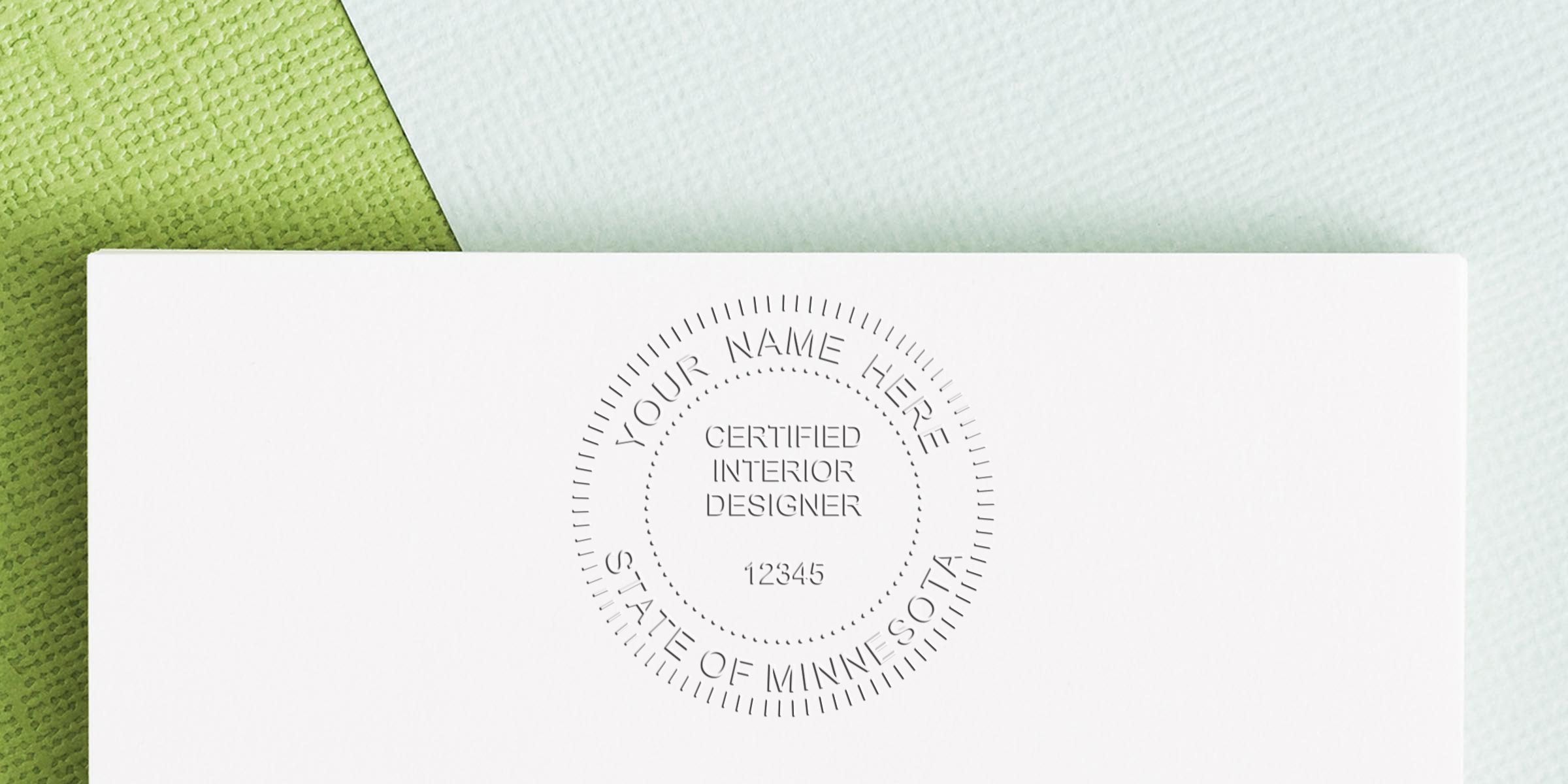
See Why the Minnesota Seal Matters
You might wonder, “Does the Minnesota Interior Designer Seal really make a difference?” The short answer is yes. Because interior design projects in Minnesota often involve building codes, client safety, and aesthetic integrity, having a proper seal shows that you meet the professional standards set by the state. The seal essentially works like a personal signature of your expertise, letting building officials and clients know you put quality and compliance front and center.
In this article, we’ll look at the key reasons the seal is vital, how you can get it, and why it protects both your work and the people who occupy the spaces you design. Let’s dive in.
Know the Requirements in Minnesota
To legally practice interior design at a professional level in Minnesota, it helps to grasp the basic regulations. This knowledge not only keeps you on the right side of the law, but also reinforces your credibility among clients, contractors, and local officials. Some of the essential rules include:
- Proof of education: In many cases, you need an accredited interior design degree or a similar credential.
- Work experience: Certain projects, especially commercial ones, might require documented experience before you can work independently.
- Passing an exam: For most states, licensure exams are administered to ensure competency, although specifics can vary.
Once you meet these criteria, the Minnesota Interior Designer Seal comes into play. It remains a visible sign that you’ve met the standards necessary to protect health, safety, and welfare in your projects.
Understand What the Seal Represents
If you’re new to professional practice, a seal might sound like a mere formality, but it’s actually a big deal. Think of it like the personal stamp you use to vouch for your work. For Minnesota’s interior designers, this seal typically:
- Identifies you as a licensed or certified designer.
- Conveys that your drawings and documents align with local construction codes.
- Shows clients you follow practices that ensure their spaces are functional and safe.
In other words, you stand behind your design solutions. When a project inspector or city officer sees the seal, it signals your readiness to meet statutory obligations.
Recognize the Benefits of Using a Seal
You might be asking, “Why not just rely on your reputation?” While your portfolio is definitely important, the Minnesota seal offers additional perks that enhance both credibility and convenience:
-
Builds Client Confidence
When you present official documents bearing your seal, clients know you are recognized by the state. This trust often leads to less pushback on design decisions. -
Smooths Permit Approvals
Official project paperwork in Minnesota often needs a licensed designer’s verification. Seals on drawings can help speed up approval processes, since building departments see you’re meeting state requirements. -
Protects Your Liability
By sealing official plans, you affirm their accuracy. Though it also holds you accountable, it minimizes confusion about who’s responsible for ensuring code compliance. -
Enhances Professional Image
Adding a seal to your plans and documents brands you as someone committed to professional integrity. It sets you apart from designers who skip official recognition.
Choose the Right Format: Stamp Versus Electronic
As an interior designer, you can typically choose between a physical stamp or a digital format for your seal. Each has its own benefits, and understanding them can save you time and headaches in the future. Here’s a quick comparison:
| Format | Advantages | Considerations |
|---|---|---|
| Physical Stamp | Easy to carry in your briefcase, tangible proof. | Requires ink or embosser, can wear out over time. |
| Electronic | Rapid placement on digital files, no physical maintenance. | Must ensure secure file storage and software. |
When choosing, think about your workflow. If you frequently send final drawings via email, an electronic option might work best. If you meet local zoning staff face-to-face, a traditional stamp could be simpler. You can also use both to cover all your bases.
Acquire Your Minnesota Seal in Five Steps
Ready to get your seal? While procedures can vary, these five steps will guide you through a typical process:
-
Confirm Your Eligibility
Make sure you have the appropriate license or registration from your state board. Without that, you generally can’t order a legal seal. -
Gather Documentation
Collect any official identification numbers, proof of licensure, or board authorizations you need. This ensures no mix-ups when personalizing your seal. -
Pick a Reputable Supplier
Look for a company with a solid track record of designing official seals. They should align with Minnesota’s specifications to avoid a substandard product. -
Select the Format You Prefer
Decide between a state-approved stamp, embosser, or digital seal format. Each option must meet size and layout regulations. -
Finalize the Purchase
Once payment is done, you’re set. Double-check that your name, license number, and any required wording are correct. This is your professional signature, so accuracy is vital.
See How Acorn Sales Helps
Since 1964, Acorn Sales has been a trusted source for precise, high-quality stamps and seals for design professionals across the country. We understand that each state, including Minnesota, has specific guidelines for interior designer seals. Our team double-checks those requirements so your seal meets state regulations right out of the box. Even better, you can also receive a free electronic seal along with a physical stamp, which gives you maximum flexibility on how you authenticate your documents.
If you want to feel confident about every submission to a client or building official, consider ordering from us. Because we handle compliance details behind the scenes, you can spend more time focusing on the creative side of interior design.
Avoid Common Seal Mistakes
Even experienced designers can slip up when using their seal. Here are a few pitfalls you’ll want to dodge:
-
Failing to Update License Information
If your name changes or your license is renewed, you need an updated seal. Don’t keep using an outdated one, as it can cause legal complications. -
Not Checking Placement
Place your seal in a prominent spot on approved plans, but remember to leave enough white space so the seal doesn’t overlap crucial details. -
Overusing the Seal
You only need to seal documents that require your professional endorsement. Randomly stamping everything can be confusing for clients and officials. -
Forgetting to Sign and Date
In some instances, you must sign and date near the seal. Don’t forget these finishing touches, or the document might look unofficial.
Learn About Minnesota’s Interior Designer Stamp
Curious about another way to highlight your state credentials? Check out the Minnesota Interior Designer Stamp. A stamp is often the go-to tool for many Minnesota professionals because it’s straightforward to use and store. Just be sure you’re following all size and style guidelines set forth by the state licensing board.
Gain Peace of Mind
Have you ever worried about meeting the building code scrutiny that can arise during plan reviews? Using a state-mandated seal shows that you’re on top of your game, especially when dealing with local officials who have to confirm structural and safety compliance. This official mark isn’t just about satisfying a rule. It’s about telling each stakeholder you’re confident in your work and have the legal authority to back it up.
Wrap-Up Thoughts
The Minnesota Interior Designer Seal isn’t merely an extra expense or a fussy regulatory step. It represents your dedication to meeting rigorous design and safety standards in your state. By sealing your drawings, you show confidence in your work, comply with Minnesota’s guidelines, and make life easier for everyone involved in the project.
If you’re ready to choose a supplier, Acorn Sales has you covered. We’ve been in business since 1964, offering professional-grade stamps and seals that align with Minnesota rules. With our free electronic seal, you can also jump into the digital age without missing a beat. So why wait? Investing in the right seal can give you that extra assurance your projects deserve.
Frequently Asked Questions
Do I really need a Minnesota Interior Designer Seal to work on smaller projects?
It depends on the local jurisdiction. However, even if not legally required for tiny residential jobs, having one still boosts your credibility. Clients appreciate seeing an official approval that details are accurate and code-compliant.
Can I use a digital seal instead of a physical stamp?
Absolutely. Electronic seals are often recognized as legally valid, especially in Minnesota. Just ensure the format you use meets state guidelines for security and authenticity. Acorn Sales provides a free electronic seal that meets many local requirements.
How often should I renew or replace my seal?
Typically, you only need a new seal if your license information changes, like an updated name or license number. Otherwise, a high-quality stamp or embosser can last for years. A digital seal doesn’t really wear out, but you should update its configuration if your credentials change.
Is there a specific layout for Minnesota’s seal design?
Yes. Minnesota’s interior designer rules often require exact text and sizing. A reliable supplier like Acorn Sales will confirm that design and ensure your seal edges, text, and license number are where they need to be.








