
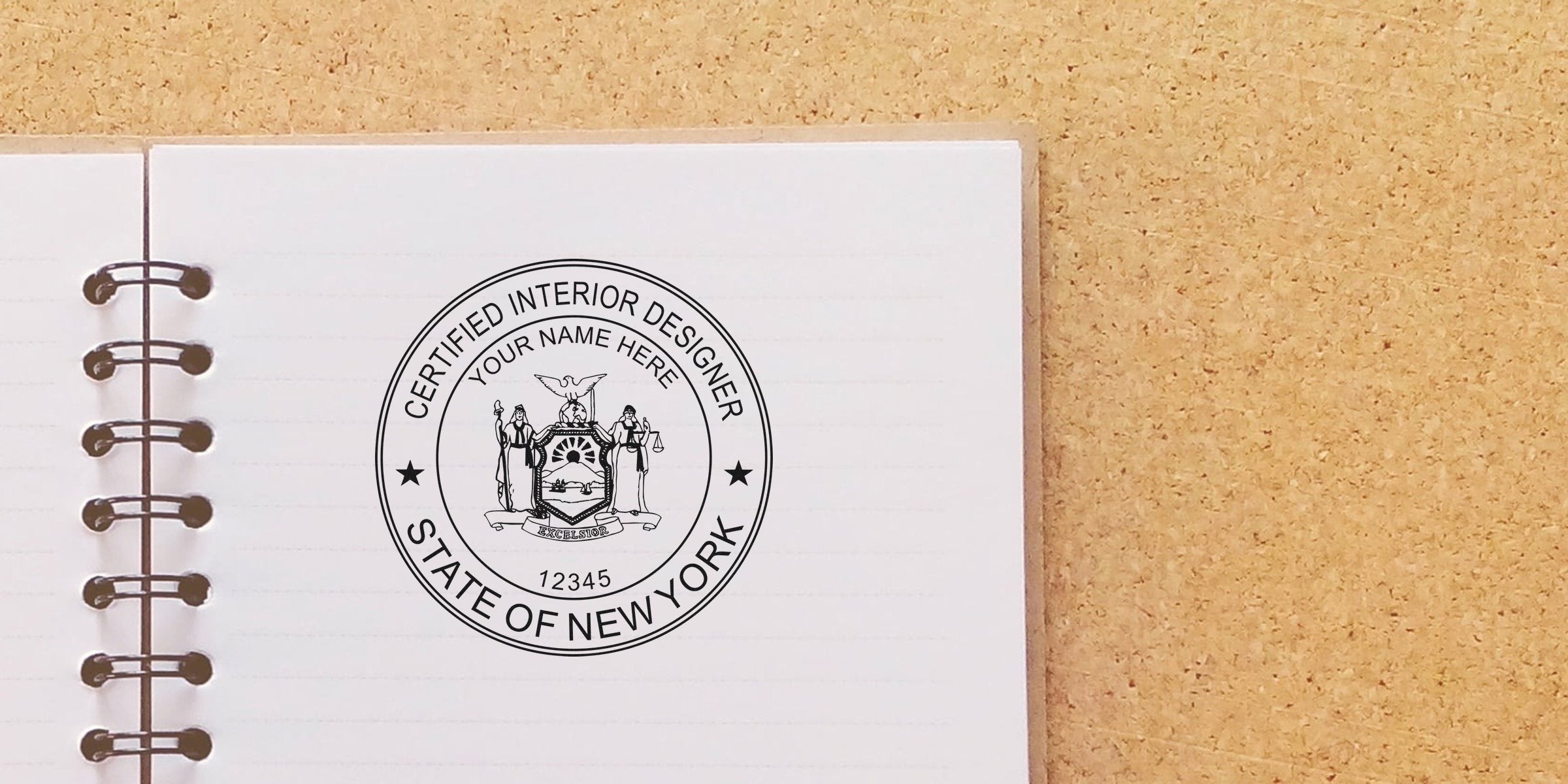
Are you an interior designer in New York wondering how to navigate the rules around official stamps and seals? If you’re looking for a custom interior designer stamp New York requires, you’ve probably noticed the guidelines can be a bit confusing. Don’t worry, though. We’ll break down the essentials, clarify state requirements, and help you understand exactly why a custom stamp matters for your practice.
You might be thinking: “Isn’t an interior designer stamp just another formality?” Think of it as your professional signature in ink. It’s how you ensure your projects are documented and recognized. Let’s explore how these stamps fit into New York’s standards, what components you need in your seal, and how to put it all into practice.
Understand The Role Of A Designer Stamp
A designer stamp isn’t just a decorative mark. It’s an official seal that represents your credibility and accountability in the interior design community. Every time you stamp a document, you assert your expertise and agree to uphold the ethical and legal responsibilities that come with it. For interior designers, especially those focused on residential or commercial renovations, the stamp signals that your plans align with state and local building codes.
But why does New York specifically focus on these stamps and seals? The state holds a high standard for interior design, architecture, and related fields. A stamp serves as a safeguard, telling clients, building authorities, and other stakeholders that you meet the necessary educational and licensing requirements. If you skip the stamp, you risk not only confusion or delays in project approvals but, in some cases, more serious compliance issues.
Beyond that, your stamp makes project documentation more orderly. When you submit drawings or proposals, you’re clearly marking them with your professional ID. This helps everyone—city planners, contractors, or your own firm—keep track of who did what and when. It’s a straightforward step that can greatly simplify your workflow.
Identify New York Requirements
If there’s one thing New York is known for, it’s thorough legal frameworks in design and construction. While that can feel overwhelming at first, it also ensures high standards in the industry. So, what do you need to know before getting or using a New York interior designer stamp or seal?
First, you must confirm your professional status. The state might require that you hold a valid license or certification in interior design. This varies depending on where you studied, your area of expertise, and the specific type of design work you do. In other words, it’s not enough to just say you’re an interior designer; New York wants documentation of your qualifications.
Second, you’ll need to confirm that your seal meets particular design specifications. As an interior designer, there might be standard guidelines about how your name, title, and license number should appear on the stamp. Some states have an official format, while others simply want clear labeling. New York typically leans toward clarity and readability, which means your stamp should have all critical details arranged neatly.
Finally, be mindful of renewal requirements. Depending on your license structure, you might need to re-register with the New York Department of Education or another regulatory body. If that’s the case, always update your stamp details if your license status changes. The last thing you want is to use a stamp that’s no longer valid—it can lead to misunderstandings or even calls for re-approval of your past work.
Create Your Custom Interior Designer Stamp
Once you know how your official seal should appear, you’re ready to design your custom interior designer stamp. Creating the perfect stamp isn’t too complex, but it does demand attention to detail. You’ll want to ensure the text, layout, and size comply with state guidelines while still reflecting your personal brand as a designer.
Start by including your full name, the exact title “Interior Designer,” and, if relevant, your license or certification number. Including “State of New York” or an abbreviated form may also be necessary. Your chosen stamp maker can guide you, but it helps to have your own checklist in place. After all, you’re the one who understands precisely how you want your stamp to look.
Key Components To Include
- Your professional designation (Interior Designer).
- Your full legal name as it appears on official records.
- Your license or certification number, if applicable.
- The words “State of New York” in a readable font.
- Consistent spacing and clear alignment in the design.
For a deeper look at state-compliant stamps, you can also explore the New York Interior Designer Stamp to get a sense of how to align with local standards. Keep in mind, a well-crafted stamp can save you headaches down the road, so it’s worth doing right from the start.
Use Your Stamp Correctly
Next up: putting that stamp into action. Picture this scenario: You’re finalizing a set of design plans for a commercial lobby renovation project. You’ve poured your creativity into it, but you still need to add your official seal. Where should it go? And how should you apply it?
Proper placement typically goes at the bottom of each page, near your signature block or title block. That makes it easy for anyone reviewing the document to verify your credentials without searching the entire page. Some standard guidelines might vary by city or project type, but consistency usually works best. If in doubt, ask your local building department or consult with colleagues who have done similar projects.
Also, think about how you physically stamp your documents. Many designers go for a desktop embosser or a handheld pre-inked stamp. Each option has pros and cons. Embossers create a raised seal, which feels more official, but they can be less visible when scanned or photocopied. Ink stamps are very clear on copies, but they don’t have that raised texture. Choose based on how you’ll be storing and sharing your files.
- Test your stamp on a spare sheet before marking important documents.
- Keep the stamp edge aligned with margin lines for a professional look.
- Store your stamp in a safe place to prevent damage or ink spills.
- Re-ink or service the stamp periodically to maintain clarity.
However you choose to apply it, consistency is key. Make sure each official document you deliver has the same quality seal so your clients and reviewing agencies see the continuity of your brand and credentials.
Why Partner With Acorn Sales
When it comes to getting an approved, high-quality stamp, it helps to work with a trusted supplier. Acorn Sales is one name that’s been around since 1964, offering reliable solutions for New York interior designer stamps and seals. They don’t just hand you any old stamp—they take care to meet the specifications you need as a professional working under strict New York guidelines.
Acorn Sales also understands that in today’s fast-paced environment, you might need an electronic version of your seal too. Good news: you’ll get a free electronic seal included with your purchase, so you can stamp digital documents without losing a beat. That’s a major plus if you’re emailing submissions to clients or building departments. Plus, since they’ve been in business for so long, the B2B relationships they’ve built ensure you’re dealing with a company that truly knows design discipline requirements.
Want more variety in how you stamp your documents? Acorn Sales offers different types of physical stamps and embossers, so you can pick what suits your workflow. Whether you prefer a classic handle mount or a sleek, self-inking unit, they’ve got you covered. A well-made stamp can last you for years, which makes it a cost-effective choice if you handle a high volume of documentation.
Remember Additional Tips
Even if you have a perfectly designed stamp, you’ll still need a few practical tips to keep things smooth. After all, nobody wants a chaotic office stack full of mislabeled or partially stamped pages. Here are a few pointers to help you maintain order and consistency in your stamping routine:
-
Label Your Folders Clearly
Create separate folders (physical or digital) for projects that have been stamped and final-approved. That way, you won’t accidentally skip stamping a new revision or re-stamp an older version. -
Practice Good Record-Keeping
Keep a log of every document you stamp, including the project name, date, and reason for stamping. If any questions arise about the authenticity of a document, you’ll have that log to back you up. -
Stay Updated On Regulations
Building and design codes can shift over time, as can licensing requirements. Mark your calendar for license renewals or changes in state guidelines. This makes your life easier when you have to renew your stamp or update your seal’s text. -
Protect Your Stamp
Whether your stamp is a simple rubber style or a heavy-duty metal embosser, proper storage is essential. Keep it in a locked drawer or container, especially if you share office space, so it doesn’t get into the wrong hands.
When you follow these steps, you help ensure that each time you impress those seal details onto a set of plans, you’re meeting your professional responsibilities.
Proper care includes storing it in a clean, dry place, re-inking (if you use an ink stamp), and ensuring the impression remains crisp. Regularly checking your stamp impression helps you catch any fading or wear before it becomes an issue.
Wrap Up Key Points
Having a custom interior designer stamp signals your professional status and aligns you with New York’s regulations. By following state guidelines, creating a clear stamp layout, and placing your seal correctly, you affirm your credentials in every document. Working with a reliable supplier like Acorn Sales, in business since 1964, takes the guesswork out of ordering and ensures you have quality products and a free electronic seal to keep pace with modern workflows.
Ultimately, a well-made stamp is an extension of your brand, your expertise, and your commitment to high design standards. Whether you’re working on tiny apartment renovations or large-scale commercial projects, that official seal ties your work together and assures clients you’re on top of it all. Here’s to stamping your way to success in the Empire State!
Frequently Asked Questions
Do I Need A Custom Interior Designer Stamp In New York?
Yes, if you’re filing official documents or drawings for approval, the state requires a stamp to show you meet New York’s standards. It confirms you have the right training and credentials to back up your interior design work.
Is A Seal Legally Required, Or Just Recommended?
A seal is more than a recommendation. Many projects, particularly those requiring municipal or state approval, need a clear indication of a licensed or certified designer’s involvement. Without it, you could face delays or rejections.
How Do I Order My Stamp From Acorn Sales?
Simply reach out to Acorn Sales with your specifications. They’ll guide you through selecting the right format—ink stamp, embosser, or both—and then finalize your details. You’ll also receive a free electronic seal, making digital submissions easier.
What If Building Codes Or My License Change?
If there’s a change in state code, or you update your credentials, you’ll need to adjust your stamp. Contact your stamp supplier, update the relevant license numbers or text, and reorder a new stamp if necessary. Keeping current is crucial to avoiding any compliance issues.








