
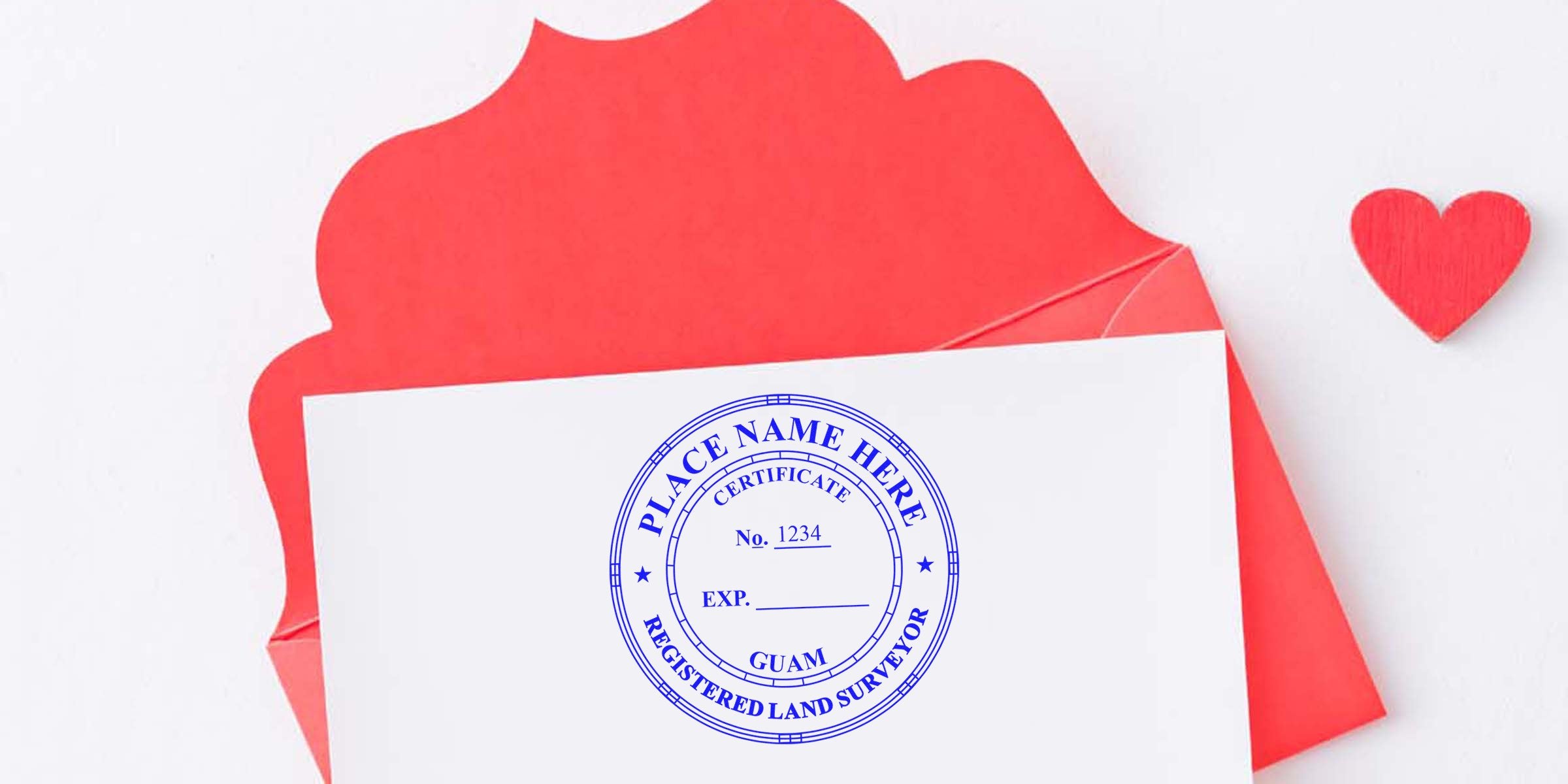
Natural light can make a cramped studio feel bigger, and a strong, well-designed stamp can instantly validate your status as a professional. Let’s talk about something you may be exploring right now: guam land surveyor seal design. Whether you’re just starting out or updating your current seal, crafting a clear and compliant design can help you stand out as a dedicated land surveyor. Below, you’ll find a friendly, step-by-step guide on the ins and outs of designing, ordering, and using your official seal.
Know The Purpose Of Your Land Surveyor Seal
A professional seal is more than just ink or embossing on paper. It signifies trust, expertise, and accountability. As a land surveyor, you’re representing your knowledge, ensuring accurate land measurements, and maintaining the legal integrity of the work you do. But what does that really mean?
For starters, your seal (sometimes also referred to as a stamp or embossing tool) is a clear marker that the documents you sign and seal meet Guam’s survey standards. It’s a security measure—any client or agency that sees your seal knows you’re qualified and approved to do your job. If you’ve ever wondered why all that fuss about an official emblem exists, this is it: clarity, credibility, and consistency.
In many cases, your seal can expedite legal and regulatory tasks. Because it shows you’re licensed, your documents may be processed faster by local government offices, insurance agencies, and even warehouses or real estate developers. Conversely, not having a seal or using an unofficial design can slow things down and raise questions about your legitimacy.
Finally, think of your seal as your personal brand statement. Land surveying is detail-oriented work. When someone notices your well-crafted seal—complete with your name and license number—they will see the stamp as a sign of your careful approach. It’s a subtle but effective way to communicate both professionalism and dedication to excellence.
Follow Guam-Specific Guidelines
Official requirements vary by region, and Guam is no exception. Before you finalize your seal layout, it’s vital to understand the regulations set out by the relevant authorities. Not only do these guidelines ensure that your seal is recognized, they also help you avoid any slip-ups that might invalidate your hard work.
The first step is to double-check the Guam Board of Professional Engineers, Architects, and Land Surveyors (or the appropriate governing body) for rules on acceptable sizes, shapes, texts, and fonts. Ask yourself: Do they have a specific diameter range for the seal? Which identifying information must appear on your seal? Staying informed is your chance to make sure you’re following the letter of the law.
It’s also good to keep in mind that regulations might extend to digital seals. Electronic documents are pretty common these days, and land surveyors increasingly need official digital versions of their stamps. Requirements can include secure software, consistent image quality, and how the seal should appear on electronic forms. Paying attention to these digital guidelines—right from the start—can save you from headaches later.
Another key reason to learn the rules is that your professional future may depend on them. Some clients, especially governments or large construction firms, will only accept documents if the seal meets certain standards. So take a moment (or two) to thoroughly go over the official guidelines. If something seems confusing, a quick call or email to the licensing board can clarify it.
Decide On Shape And Layout
Once you know exactly what Guam requires, you can dive into the creative side: choosing the seal’s shape, borders, and general style. Will you go with a circle, a rectangle, or perhaps an oval? Although many land surveyors prefer a circular template, there’s usually a little room to explore other geometrical options, provided Guam regulations do not forbid them.
Imagine you’re designing a tiny billboard that displays all your core details at a glance. Typically, the outer ring of a circular seal is where you’ll place the official wording—something like “Licensed Land Surveyor” and “Territory of Guam.” Then, closer to the center, you’ll often see the licensee’s name and license number.
Here are some common seal shapes to consider:
- Circular: The classic design, often easiest to read and widely accepted.
- Rectangular: Offers a modern, boxed look but might reduce space for your text.
- Oval: Rarely used, but can be compact and stylish for certain needs.
No matter which shape you pick, ensure the text is clear and spaced well. Avoid cramming too many elements into one small area. A tightly packed seal can be tough to read and might not reproduce clearly when scanned or copied. A neat layout, on the other hand, quickly shows an air of professionalism.
Include Required Text
Your seal should include enough information to confirm who you are and what you do, but not so much that it becomes cluttered. In Guam, you’ll likely need:
- Your full name, exactly as it appears on your license.
- Your unique license number.
- The phrase “Licensed Land Surveyor.”
- The name of the territory or region, such as “Guam.”
Some boards also ask for the words “State of” or “Territory of” around the outside edge. If you’re unsure which phrasing applies, double-check the published guidelines or contact the board directly. Missing or misplacing even one word can lead to confusion or rejection of your surveys.
Once you know the basics, consider adding small design elements like a border or a subtle emblem—provided it doesn’t conflict with regulations. A neat border or a thin line can give the seal structure. Just remember that fancy flourishes or highly decorative fonts might reduce legibility. Aim for a font style and size that are easy to read. After all, your seal has to stand up to repeated stamping and scanning, and a simple, bold font is often your best friend.
For any confusion about abbreviations, capitalization, or punctuation, stick to the official descriptions from your local board. If your license reads “John A. Surveyor,” include that middle initial. If it spells out your entire middle name, do that too. Consistency is key, and skipping an initial could raise a compliance issue.
Choose The Right Materials
Remember, it’s not just about how your seal looks, but also how it performs. So it’s wise to think about which material option will handle the rigors of daily use. Standard choices include:
Rubber Stamps
These are popular because they’re straightforward, affordable, and easy to use. If you need to stamp dozens of pages quickly, a pre-inked or self-inking rubber stamp can save time and keep your workspace neat.Embossers
An embosser creates a raised impression. It gives a more official feel, adding texture and tactility to documents. While embossers are visually striking, remember they may not always scan well, so you might also need a separate ink stamp or digital seal for certain filings.Electronic/Digital Seals
Digital files are becoming indispensable. Having a high-quality digital seal lets you quickly insert your seal into PDFs or other electronic documents. This option is often crucial if you’re dealing with emailed contracts or cloud-based project management systems.
When picking your supplies, consider your volume of usage and the type of documents you typically handle. If you only need a physical stamp once in a while, a basic rubber stamp might be perfect. But if you’re stamping daily, you may want a durable model or a sturdy metal embosser for a long-lasting device.
Collaborate With A Trusted Supplier
There’s a lot to think about when it comes to designing your Guam land surveyor seal, and partnering with a reputable supplier can simplify the process. Look for a company that understands local requirements, offers quality craftsmanship, and guides you from concept to final proof.
Acorn Sales is one such trusted provider. With more than 60 years of experience making professional stamps and seals, they’ve seen it all. They know the ins and outs of designing for Guam land surveyor regulations and can help ensure your order matches every requirement. Plus, you get a free digital seal with every purchase—handy for those times when you need an electronic version at a moment’s notice.
Working with a knowledgeable partner means you can rely on them for quick corrections if something looks off. Let’s say you order a circular seal, but the first proof comes back and the ring text is misaligned. A solid supplier will spot that and fix it quickly. Always ask: Do they allow you to preview a digital proof before final production? Are they approachable if you need a small tweak?
Collaboration also extends to explaining best practices. A supplier can walk you through the pros and cons of each stamp type, guide you on color choices for ink (many prefer black or blue for clarity), and advise on the right embosser depth for crisp impressions. A quick conversation with the sales or design team is often all it takes to avoid expensive mistakes down the line.
Best Practices For Using Your Seal
Once you have your perfect seal, your job doesn’t end there. Let’s be honest—compliance is a continuing responsibility. Proper usage and storage habits keep your seal looking good and working well.
- Store your stamp or embosser in a clean, dry place. Moisture buildup can degrade your tool and affect the clarity of each impression.
- Keep extra ink pads on hand if you’re using a rubber stamp. Running out of ink mid-project is frustrating, and using a faded seal can look unprofessional.
- Always sign your name in proximity to the seal, especially if your local regulations specify so. The combination of your signature and stamp helps confirm authenticity and accountability.
- Create a digital backup. If you have a digital seal, keep copies stored securely. It’s wise to protect the file with a password or encryption to prevent unauthorized use.
Another best practice: periodically check your seal to make sure it’s still legible. Over time, rubber stamps can wear out, especially if they’re used daily. The last thing you want is for your carefully designed seal to appear smudged or incomplete. If you notice any signs of damage, reach out to your supplier for a replacement as soon as possible.
Similarly, always be mindful of who has access to your physical and digital seals. Consider that each impression is legally binding in many contexts. If someone else uses it without your permission, you could be held responsible. So treat your seal like a personal identification document—store it securely and avoid lending it out.
Designing a compliant and professional seal can feel like a lot of steps, but it’s all part of upholding standards and demonstrating your expertise. When you put time into crafting a clear, legible, and regulation-friendly seal, you send a reassuring message to clients, local authorities, and yourself—that you don’t cut corners and you care about the integrity of your work.
Ultimately, creating a Guam land surveyor seal design is an investment in your professional future. By following the guidelines, choosing reliable materials, and teaming up with a proven supplier, you’ll have a final product that you can truly be proud of. And with a high-quality seal in hand, all that’s left is to get out there and tackle your next survey project with confidence.
Frequently Asked Questions
Can I Design My Own Layout Without Professional Help?
You technically can, but it’s best to get guidance. Even if you create the design yourself, double-check with a supplier like Acorn Sales or consult your local board to ensure it follows Guam’s rules. Small errors in wording or shape can cause big compliance headaches.
What If I Need a Digital Copy of My Seal?
A digital seal is almost essential nowadays. Many suppliers, including Acorn Sales, provide a free digital seal with each order. Make sure your digital version meets any formatting requirements, such as specified resolution or file type, so it’s acceptable for official electronic documents.
How Often Do I Need To Replace My Seal?
As long as the impression remains clear, your seal should be fine. Monitor the condition over time, especially if you use it every day. For rubbers stamps, this might mean re-inking or replacing the pad regularly. With an embosser, watch for any bending or warping of the metal plates.
Do I Need Multiple Seals?
Some surveyors keep a spare tool. If you work from different locations or just want a backup in case something happens to your primary seal, having an extra can be a lifesaver. Just remember to store it securely, just like you would the original.








