
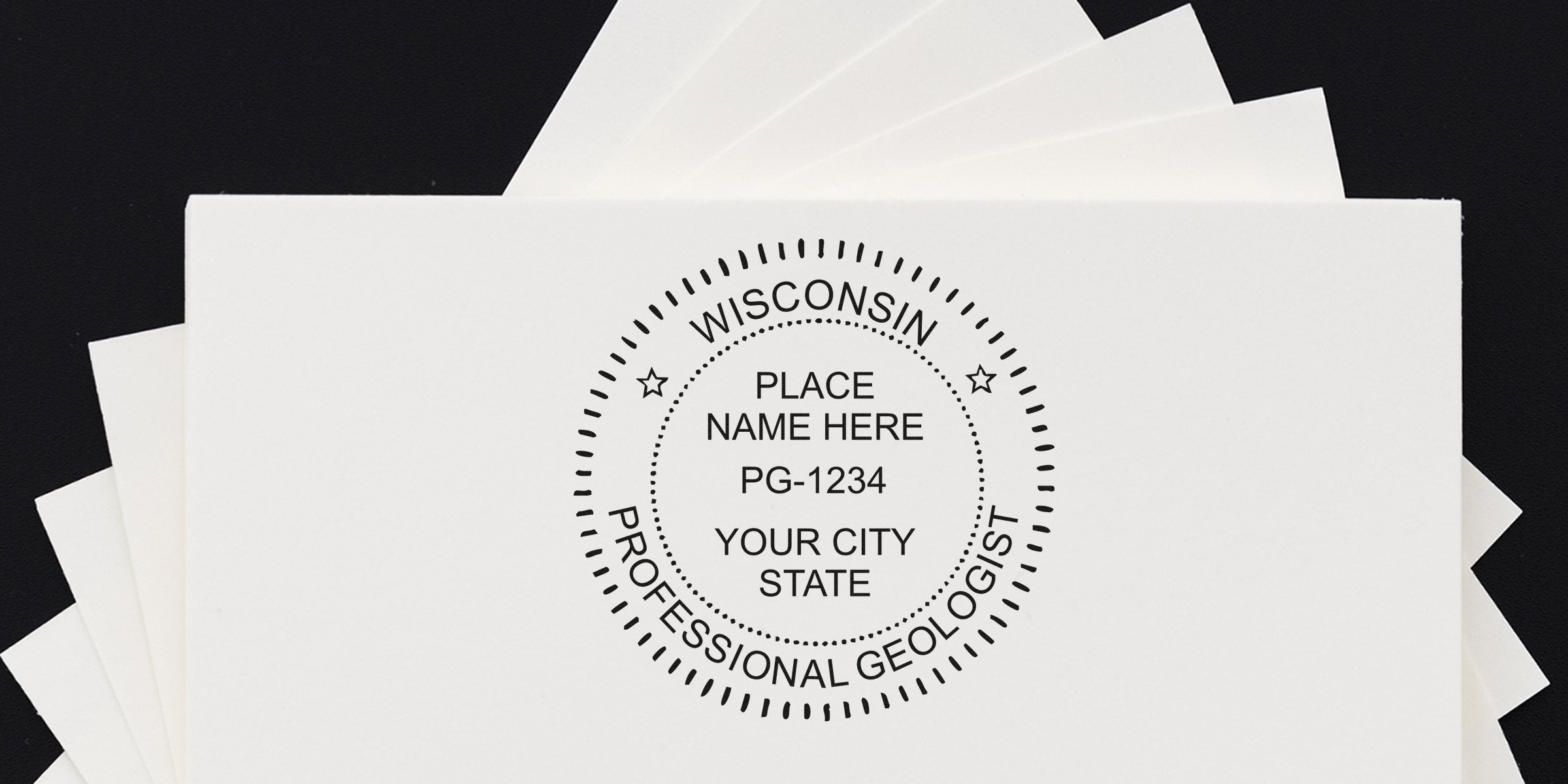
If you practice geology in Wisconsin, you know how crucial it is to follow Wisconsin geologist stamp regulations. One oversight can delay projects, cause legal headaches, or even put your license at risk. No one wants that stress. Let’s walk through what these regulations entail and how to keep your stamp usage on the right track.
Understand The Regulations
Navigating professional rules can sometimes feel like deciphering a puzzle. Luckily, Wisconsin’s guidelines are fairly direct. As a geologist, you must affix a state-approved stamp or seal to documents that detail your geological work. This stamp represents your official sign-off on everything from site surveys to geotechnical reports.
Still, the devil is in the details. The state expects licensed geologists to stamp every final document that informs decision-makers, public agencies, or project leads about critical geological findings. It’s not just about a fancy imprint. That stamp confirms your credentials and your commitment to professional standards. Turning in an unsealed report can raise eyebrows and prompt unwanted scrutiny.
Why It Matters
- Establishes legal authority: Your stamp proves you are a recognized expert, meeting Wisconsin’s professional benchmarks.
- Instills public trust: It assures clients, employers, and the public that a qualified geologist reviewed and approved the work.
- Complies with state rules: Each region has unique requirements, and Wisconsin specifically mandates the use of an official seal.
If the state board ever conducts an audit or investigates a complaint, they’ll look for a valid stamp on your work. No stamp, no compliance. For more clarity on best practices, you can always check out the wisconsin geologist stamp requirements.
Fulfill Licensing Requirements
Before you can focus on your stamp, you must secure your Wisconsin geologist’s license. The licensing board looks at your education, experience, and exam results to confirm your eligibility. Once the board issues your license number, you’re cleared to use a compliant geologist stamp.
Yet licensing is more than a rubber stamp (pun intended). It’s about proving you can do the job responsibly. Typical steps include:
- Completing an accredited degree in geology or a closely related field.
- Gaining relevant work experience under a licensed professional.
- Passing state or national exams, such as the ASBOG (Association of State Boards of Geology) exam.
- Submitting a thorough application, including references and documented field practice.
Throughout this process, keep your record clean. Any disciplinary actions or legal run-ins can jeopardize not only your license but also your privilege to stamp documents in Wisconsin.
Prepare Your Official Stamp
Once you receive your license, you can’t simply scribble your name on a report and call it a day. Wisconsin regulations require an official physical or electronic stamp that matches board specifications. Typically, you’ll see:
- Your name exactly as it appears on your license
- Your license number for tracking and verification
- A round or rectangular border that contains the words “State of Wisconsin” and “Licensed Geologist”
Common Stamp Options
- Self-inking stamp: Quick and convenient for hefty paperwork.
- Embosser (mechanical press): Leaves a raised impression, often used for formal documents.
- Pre-inked stamp: Delivers crisp, consistent imprints and can handle large volumes too.
If you want a more flexible approach, an electronic stamp might suit your workflow. You can embed this digital seal into PDFs or other electronic files. Many geologists appreciate the speed and cost-savings of going digital, plus it can streamline document sharing. Acorn Sales, a trusted supplier of Wisconsin geologist stamps and seals in business since 1964, even includes a free electronic stamp with many of their products.
Follow Proper Usage
Once you have your official stamp, it’s essential to use it correctly. The state board keeps a close eye on compliance, especially if stamped documents are used for crucial tasks like environmental impact assessments or major construction projects.
Best Practices For Stamping
- Stamp near your signature: Place your seal where it’s clearly associated with your professional endorsement.
- Use secure ink or impression: Ensure the stamp is legible. If the image smears or the text looks fuzzy, consider re-stamping or verifying your digital file.
- Note any disclaimers: Some documents require statements like “Preliminary Draft” or “Issued For Review,” depending on the stage of the project.
- Retain sealed records: Keep copies of every stamped document. It helps if you need to reference them years down the line.
Remember, misusing your stamp (like applying it to unfinished documents) can raise questions about the final quality of your work. If a document isn’t ready for prime time, hold off on adding your seal.
Renew And Stay Compliant
Licenses in the geological field aren’t “set it and forget it.” You must renew on a regular cycle to maintain stamping authority. Renewal intervals and fees can change, so double-check the Wisconsin board’s website or other official notices.
Your Renewal Checklist
- Track continuing education credits: Enroll in workshops or advanced courses to meet annual or biennial hour requirements.
- Review evolving regulations: Laws can shift, especially as environmental and geological concerns evolve. Stay alert to updates about seal design or usage.
- Pay your renewal fees: Missing a payment can freeze your license and force you to halt stamping activities.
- Maintain professional conduct: Any ethical lapses can lead to investigations or license suspensions.
If your license lapses, you may have to reapply, take another exam, or complete extra education. That’s a hassle you probably want to avoid. By renewing on time, you keep your stamping privileges intact and your projects moving forward.
Choose A Trusted Supplier
Selecting a professional stamp provider sounds simple, but not all vendors understand the nuances of Wisconsin’s geology field. You want accuracy, durability, and a design that meets state standards.
Acorn Sales has specialized in seals and stamps since 1964, building a reputation for quality and reliability. They know the technical specs, from the exact border style to the license number font. Because your stamp must match state regulations, going with a supplier that truly understands those guidelines saves you headaches. Acorn Sales also offers a free electronic stamp, which is incredibly handy if you juggle remote work or digital file submissions.
What To Look For In A Vendor
- Compliance expertise: Ask if they’re familiar with Wisconsin geologist stamp regulations or if they have sample templates for reference.
- Quality materials: Stamps should produce clear prints for as long as possible.
- Timely delivery: Check shipping speed, especially if you need a replacement.
- Customer support: A good supplier stands behind their products and helps resolve any design or formatting concerns.
There’s real peace of mind knowing you won’t have to redo your stamp if the board updates certain rules. Having a dependable partner lets you focus on your actual work, not on chasing down a correct seal.
Final Thoughts
Properly stamping your geological reports might seem like a small administrative chore, but it’s vital for upholding Wisconsin’s regulations and reflecting your professional integrity. Once you have the right license, an approved seal, and a handle on best practices, you’ll avoid the pitfalls that can trip up even the most seasoned geologists.
Whether you’re filing a simple soil analysis or documenting complex mineral surveying, your stamp tells the world, “I stand behind these findings.” Keep it up to date and use it correctly, and you’ll always stay a step ahead of compliance questions. If you’re in the market for a new or replacement stamp, consider Acorn Sales for trusted quality, a free electronic stamp, and industry-leading expertise.
That’s it, you’re set. Go ahead and present your stamped documents with confidence, knowing you’re managing all the finer points. And if you need more specifics on your seal’s layout or licensing nuances, check the state board’s official resources or head over to wisconsin geologist stamp requirements. You’ve got this.
Frequently Asked Questions
Can I Design My Own Stamp?
Generally, you shouldn’t design a stamp from scratch. Wisconsin outlines specific requirements. It’s best to order from an experienced vendor who follows the state’s template, ensuring no detail is overlooked.
What Happens If I Forget To Stamp A Document?
It can vary by situation, but forgetting your seal can lead to project delays, or in serious cases, formal reviews by the licensing board. Some documents might be invalid if left unstamped.
How Often Must I Replace My Stamp Or Seal?
You won’t need to replace it often unless regulations change or you update personal details like your name. Watch for wear and tear or faded impressions, and consider a new stamp if readability declines.
Is An Electronic Stamp Always Accepted?
Many state agencies accept electronic seals, but it depends on the agency and the document’s purpose. Always confirm with the recipient or the local government office if a digital version is allowed.








