
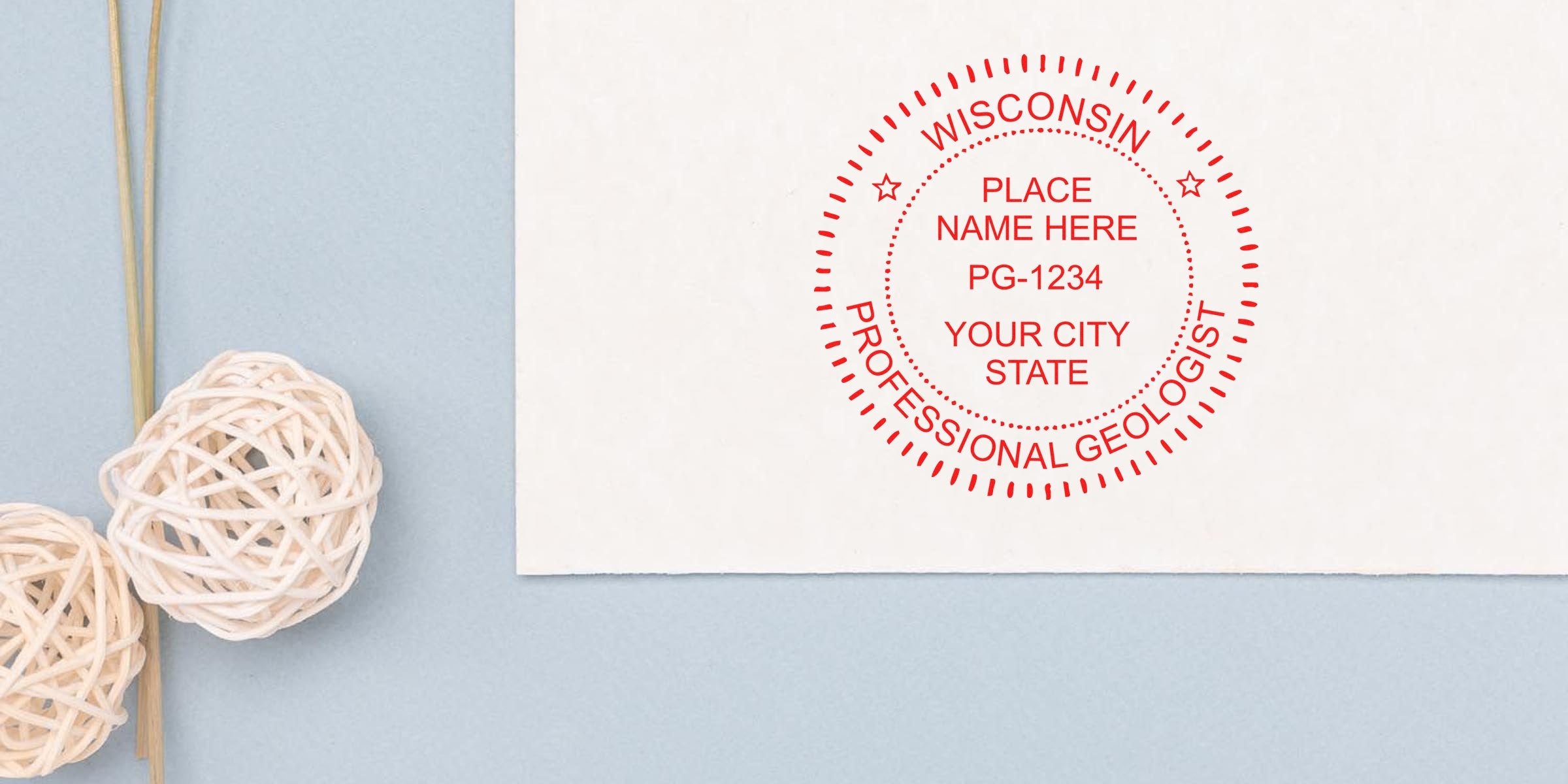
Choosing the right Wisconsin Professional Geologist Stamp can feel overwhelming, especially if you’re unsure about state regulations or design options. But once you understand a few core factors, the process gets a whole lot easier. With the right stamp, you’ll meet Wisconsin’s requirements, present your credentials accurately, and avoid any compliance headaches. Plus, you’ll have a professional tool you can rely on for years to come.
Below, you’ll find practical tips on licensing, materials, and design so you can stamp all your geological documents with confidence. Let’s dive in.
Know Your State Requirements
Before purchasing any stamp, make sure you’re well-versed in Wisconsin’s rules for geologists. Various professional boards dictate how your seal should look and what it must include. If you skip this step, you risk buying a stamp that doesn’t meet the state’s legal standards.
Consult The Board Guidelines
Your first step is to read the state board’s official guidelines for geologists. You’ll often find details about the exact wording and layout your seal should have. Some boards want your full legal name, license number, and the term “Registered Professional Geologist” around the circular border. Others might have specific diameter requirements.
If you haven’t checked state-specific best practices yet, head over to wisconsin geologist stamp requirements. You might be surprised how detailed and specific these instructions can be, covering everything from font size to seal shape.
Understand “Geologist” Versus “Professional Geologist”
The title you hold in Wisconsin may affect the wording of your stamp. Are you a “Licensed Geologist,” a “Professional Geologist,” or some variant? Make sure you confirm the exact credential you hold because that specific title typically needs to appear on the stamp. Getting it wrong can lead to questions about authenticity and validity when you submit stamped documents.
Choose The Right Stamp Format
Once you know the official language your Wisconsin Professional Geologist Stamp must include, you’ll need to figure out the stamp’s physical format. How do you decide if you want a self-inking, pre-inked, or traditional rubber stamp? Each style has upsides and downsides, so it’s often about preference and how frequently you’ll be using it.
Compare Self-Inking And Pre-Inked
- Self-Inking Stamps: These come with an internal ink pad and re-ink automatically after each impression. They’re fast and convenient, which is perfect if you stamp daily.
- Pre-Inked Stamps: Here, ink is embedded into the die itself. The impression tends to look clean and crisp, and you can typically get thousands of uses before the ink runs out.
For many geologists, either option works fine. If you travel a lot to job sites, you might appreciate the portability of a self-inking model. Pre-inked versions, on the other hand, are often praised for their sharp, professional look.
Consider Good Old Rubber Stamps
Rubber stamps dipped in separate ink pads are still popular. While they require a bit more manual effort (because you need to press them onto an ink pad each time), they can be quite durable. They’re also easy to refill with any color or brand of ink pad you like, giving you customizable options that some other formats don’t have.
Ensure Correct Wording And Layout
Your stamp might look stylish, but if it doesn’t contain the exact wording the Wisconsin board requires, it won’t pass muster. One of the most common mistakes is forgetting to display your license number clearly or leaving out a specific phrase, like “Licensed Professional Geologist.” Double-check these items well before you order.
Verify The Must-Have Text
At a minimum, you’ll likely need:
- Your name, exactly as it appears on your license
- Your professional title (e.g., “Professional Geologist”)
- Your license number
- The state name (“Wisconsin”)
You might see guidelines about how large or small the text can be, as well as whether you need a circle, rectangle, or other shape around the seal. This information is typically spelled out in the official state documentation, so always verify you have the correct wording in the correct layout. That few minutes of extra checking can save you from a costly reprint or regulatory fine.
Think About Durability And Size
Stamps get used repeatedly, so you’ll want a product that can stand up to frequent impressions. Think about the material of the stamp body (metal vs. plastic) and the potential for wear and tear over time.
Match The Stamp Size To Your Documents
Wisconsin’s specifications may call for a certain diameter—often around 1-5/8 inches or 2 inches for a round seal. Make sure you know the required size, if any, before you hit “order.” If there’s flexibility, consider how much space you have on typical documents. You don’t want your stamp overshadowing the text, but it still needs to be readable.
Look For Quality Construction
If you opt for a self-inking or pre-inked model, check what material the manufacturer uses for the handle and base. A solid metal frame can last much longer than lightweight plastic, especially if you’re stamping multiple times a day. If you choose a traditional rubber stamp, look for a sturdy wood or plastic mount that feels comfortable in your hand. Some people prefer a classic wooden handle for its longtime reliability.
Explore Electronic Options
Have you heard about digital seals? Many states are allowing e-seals (electronic versions of a professional seal) for official documents, especially in digital submissions. An electronic stamp can simplify your workflow: no physical ink, no scanning, no mailing pages to be physically stamped. It’s especially useful if you’re working remotely or sharing documents online.
Look For Free Electronic Add-Ons
Acorn Sales, for instance, includes a free electronic stamp version when you purchase your physical seal. This can be invaluable if you often file forms electronically or need to sign off on PDF documents. Just confirm that you’re allowed to use an e-seal in your specific situation. Some jurisdictions require both a physical seal and an ink signature on certain documents, even if you have a digital one.
Evaluate Supplier Credentials
Buying from a reputable source is crucial because you trust this supplier to craft a stamp that meets Wisconsin’s strict guidelines. If a stamp is poorly made, uses substandard ink, or fails to incorporate the required text, you might face compliance issues.
Why Choose Acorn Sales
Acorn Sales has been in business since 1964, which means they’ve spent decades perfecting professional stamps and seals for geologists, engineers, architects, and more. This longstanding track record is a strong indicator that they understand both your professional needs and Wisconsin’s regulations. Plus, they bundle a free electronic stamp with your purchase, which is a major bonus if you want to streamline your documentation. You’ll often find multiple format options—self-inking, pre-inked, or even a classic rubber stamp—so you can pick what suits you best.
Plan For Proper Usage
Once you receive your Wisconsin Professional Geologist Stamp, it’s time to put it to work. But how exactly should you use and care for it? If you plan carefully from the outset, you’ll get cleaner, sharper imprints every time and prolong the life of your stamp.
Choose The Right Ink And Paper
- Ink Color: Black is typical for official documents, but some professionals use blue to stand out or to indicate an original signed document.
- Paper Stock: If possible, stamp on standard or slightly heavier-weight paper. Ultra-thin or glossy sheets might not hold the ink well, leading to smudges.
Store Your Stamp Correctly
When you’re not stamping, keep the device in a protective storage case or a dedicated drawer. If it’s a self-inking or pre-inked model, store it in a cool, dry place. Extreme heat or cold can warp the plastic and cause the ink to dry out prematurely. If you have a traditional mud-based or rubber stamp, clean off any residue regularly to keep impressions sharp.
Consider Future Changes
Sometimes, your personal information changes (like your name) or you might renew your license and get a new number. It’s good practice to check your stamp’s accuracy at least once a year, ensuring it still lists the correct credentials. If your license goes through any updates, plan for a fresh stamp or electronic seal as soon as possible to remain compliant.
Wrapping Up
Finding the right Wisconsin Professional Geologist Stamp doesn’t have to be complicated. Start by reviewing your state board’s guidelines, pick a strong format (like self-inking or pre-inked), and pay attention to all required text. It also helps to choose a trustworthy supplier, such as Acorn Sales, which has decades of experience and an option for a free e-stamp. Once your seal arrives, store it properly and make sure you ink up in a way that produces crisp, readable imprints.
Got a question we didn’t cover? Feel free to explore more details at wisconsin geologist stamp requirements or get in touch with a reputable vendor. You’ll be stamping your geologic reports with confidence in no time.
Frequently Asked Questions
How Often Do I Need To Replace My Stamp?
It depends on usage and care. A self-inking or pre-inked model typically delivers thousands of impressions before fading. Traditional rubber stamps can last indefinitely if you refill or change the ink pad. If the impression starts to blur or the text becomes illegible, it’s time for a replacement.
Can I Use A Digital Seal Instead Of A Physical Stamp?
Yes, if Wisconsin’s regulations permit e-seals. Some states allow electronic seals for official documentation, but others require a physical stamp along with a written signature. Confirm your board’s policies before relying solely on digital options.
What If My Name Changes After I Get Licensed?
You’ll likely need a new stamp. Wisconsin often insists that the name on your seal matches your legal name on your license. Once your licensing board updates your record, you can order a fresh stamp reflecting the correct name.
Is A Signature Required With The Stamp?
In many cases, yes. A stamped document may still need a wet or digital signature for full validity. While the seal proves your credential status, the signature confirms you’re the one who approved or certified the work. Double-check the requirement for each document type.








