
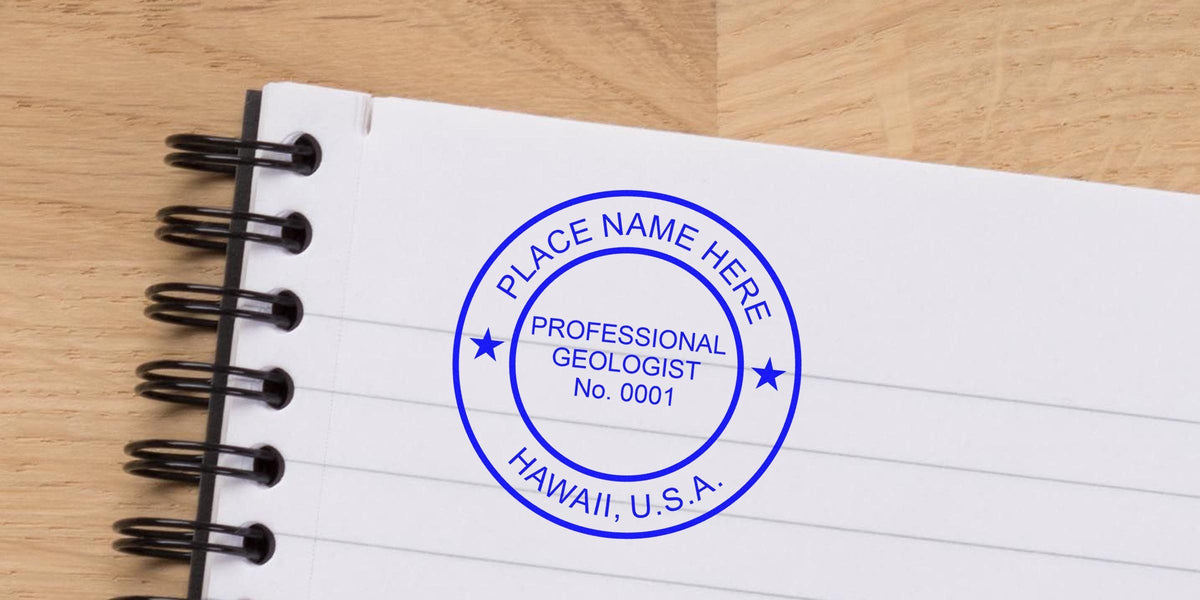
Have you ever found yourself facing Hawaii geologist stamp regulations and wondering how to stay on the right side of the rules? You’re not alone. Hawaii maintains specific guidelines for geologists who need to stamp and seal their professional documents. If you’re practicing or planning to practice geology in the islands, understanding these regulations can save you time and stress. In simple terms, you need the proper stamp or seal to authenticate your work, ensure public safety, and gain professional credibility. But there’s more to it than just grabbing the first product you see.
In this article, you’ll learn about the key factors behind these regulations—why they exist, what they include, and the most reliable ways to comply. We’ll talk about the importance of choosing high-quality stamps or seals, the renewal and enforcement process, and some of the most common pitfalls that trip people up. Plus, we’ll cover how Acorn Sales, in business since 1964, has earned a reputation as a trusted supplier of Hawaii Geologist stamps and seals. You’ll get practical tips, a set of best practices, and the answers to four frequently asked questions at the end. By the time we’re done, you’ll have a clear roadmap for your next steps, whether that’s ordering a new stamp, updating an existing one, or simply knowing how to maintain compliance. So let’s dive in and help you avoid getting stuck or fined.
Recognize Stamp Importance
In Hawaii, a geologist stamp or seal does more than just mark your documents—it symbolizes your dedication to professional standards. Every state that requires licensure for geologists sets its own unique guidelines, and Hawaii is no exception. The stamp ensures that your reports, analyses, and certifications are officially recognized.
When you stamp a piece of work, you’re effectively vouching for its accuracy. Clients and colleagues trust that your geological findings are credible. This trust is vital not only for building your career but also for protecting the public. When you submit a stamped document, you confirm that you’ve followed the state’s guidelines and that the document meets quality and safety standards.
- Stamps provide legal authentication of documents.
- They serve as proof of your professional qualifications.
- They help maintain a uniform tracking system for official geological work.
One of the best ways to ensure you’re meeting Hawaii’s guidelines is to focus on high-quality stamps and seals. Suppose you’ve just landed a new project—imagine how reassuring it would be to have the correct seal and format, so you don’t have to second-guess anything. By recognizing the importance of your stamp, you’ll sidestep unnecessary worry and keep your projects moving forward with ease.
Meet Official Requirements
Hawaii imposes several rules that you have to follow as a licensed geologist. Missing a single requirement can lead to warnings, penalties, or delays in approving your submissions. The good news is that meeting these conditions isn’t hard if you know what to look for. Here’s a quick rundown of typical requirements for geologist stamps in Hawaii:
- The stamp must include your name exactly as it appears on your license.
- Your license number should be visible.
- The official wording, “Registered Professional Geologist,” may be required.
- Certain design and size constraints often apply.
While these requirements may change over time, the core purpose remains constant—to keep the public safe and maintain professional standards. It’s wise to check the current state regulations or consult the Hawaii Board of Professional Engineers, Architects, Surveyors, and Landscape Architects (the board that often handles geologist oversight) for specific details. Having the latest information means fewer headaches when you finally need to file your documents.
If you’re uncertain about how to adapt these requirements to your own stamp, professional stamp suppliers can be a huge help. They’re usually well-versed in local rules and can guide you so you end up with the exact design Hawaii mandates. Once you meet these basic specifications, your geologist stamp or seal becomes a straightforward way to authenticate your geological work.
Select the Proper Format
Now that you see how crucial the requirements are, the next step is picking the right format for your Hawaii Geologist Stamp. You might be surprised at how many choices exist—from traditional rubber stamps to self-inking designs and even digital seals. Each format has its perks, and your decision often comes down to convenience versus formality.
- Rubber Stamps: Cost-effective, easy to store, and typically use an external ink pad. They’re simple to reorder.
- Self-Inking Stamps: Compact and time-saving, perfect if you need to certify large numbers of documents in a row.
- Pre-Inked Stamps: Produce crisp and consistent impressions with no separate ink pad.
- Digital Seals: Ideal for electronic document submissions. Easy to attach to PDFs or other digital files.
In Hawaii, physical documents still play a big role, but digital submissions are becoming more common too. Luckily, many suppliers, including Acorn Sales, offer a free digital seal alongside your physical stamp. That means you are ready to go, whether you’re stamping a paper-bound geotechnical report or creating a PDF file for an online submission.
Don’t overlook small details such as size, ink color, and stamp durability. If you’ll be using your stamp on thick reports or if you’ll be frequently stamping outdoors at a field site, you’ll want a robust stamp that can handle heavy use. A self-inking or pre-inked design might be ideal in those cases. Once you have the right format, you can rest easy knowing your documents are properly labeled and easily identifiable.
Maintain Your Stamp Validity
A common misstep for geologists is forgetting that their stamp usage goes beyond just owning the stamp. In Hawaii, you also need to stay on top of licensure renewal requirements to keep your stamp valid. Even if your stamp physically exists, an expired license can render it useless. Let’s be honest—nothing’s worse than finding out your license lapsed right before a big project.
A few quick tips:
- Mark your calendar for renewal deadlines.
- Complete any required continuing education units or professional development hours.
- Update your stamp and seal design if Hawaii modifies its regulations.
The state’s board might also request updated documentation at certain intervals. By verifying these details ahead of time, you’ll avoid last-minute scrambles that could jeopardize your project timelines. If you move or change any personal information tied to your license, remember to alert the board too. Staying proactive about your license and stamp ensures that every document you authenticate remains legally binding.
When it’s time to renew, check for any new design requirements. Sometimes states make tweaks to the wording or layout that must appear on your seal. This is another area where a trusted stamp supplier comes in handy. They’ll typically stay up to date on the newest guidelines, saving you from guesswork. Overall, proper renewal and consistent compliance keep you from getting stuck in regulatory red tape.
Rely on a Trusted Supplier
Choosing a reputable supplier might not seem like the most exciting part of the process, but it’s vital to ensure your Hawaii Geologist Stamp meets official standards. This is where Acorn Sales steps in. We’ve been in business since 1964, offering a variety of solutions tailored to the unique regulations of different states, including Hawaii. Our focus on quality has made us a go-to option for professionals who want stamps and seals that stand up to everyday use.
Here’s what sets a reputable supplier apart:
-
Knowledge of Regulations
Companies with years of experience typically understand the nuances of state rules. You’ll spend less time worrying about compliance. -
Quality Materials
Cheaper products might fade faster or produce smudged impressions. High-grade stamps and seals maintain clarity through repeated use. -
Free Digital Seal
Look for suppliers, such as Acorn Sales, that provide a complimentary digital seal. Electronic documents are increasingly prevalent, and having a digital seal on hand makes life much simpler. -
Helpful Customer Support
Whether you need to verify your design or reorganize your shipping, quick and friendly support removes much of the stress around ordering.
If you want a closer look at purchasing options, check out the Hawaii Geologist Stamp for more details on the designs and formats available. When you join forces with a trusted supplier, the rest of the process becomes smoother, leaving you free to concentrate on your projects instead of administrative hassle.
Avoid Common Mistakes
Even with good intentions, it’s easy to slip up. Maybe you overlooked a new state requirement, or perhaps you used a stamp with the wrong date or license number. Either scenario can create a domino effect of problems. Fortunately, most of these errors are preventable. Here are a few common mistakes to watch out for:
-
Using a Stamp with Outdated Details
If your name or license number has changed, your stamp no longer aligns with your official records. -
Stamping Illegible Impressions
Smudged or partially missing text can invalidate the document in the eyes of the board. -
Failing to Keep Documentation
Always store proof of your license renewal, continuing education, and any stamp design approvals for future reference. -
Missing Signature
Some documents also require a handwritten signature alongside the stamp. Double-check the guidelines for each form or report.
Consider making a simple checklist for your stamping steps to avoid these pitfalls. For instance, you might jot down “verify license status, confirm stamp clarity, sign the document” as your quick routine. That way, no matter how busy you get, you’ll always meet the necessary requirements before finalizing a file or handing it off to a client. Just one extra minute of diligence can save you hours of rework later.
Apply Your Stamp Confidently
When you’re ready to apply your Hawaii Geologist Stamp, confidence is key. You’ve done your homework on the regulations, chosen the right format, and even kept up with your licensure. Now it’s time to use your stamp or seal effectively. Depending on your workflow, you might need to stamp geotechnical reports, environmental impact studies, or other specialized documents.
Here are a few best practices for day-to-day use:
-
Test Before You Stamp
Do a test run on scrap paper—especially if you’re using a new ink pad or new type of stamp. -
Follow Document Instructions
Some clients have specific spots where they want the seal placed. Make sure you align your stamp accordingly. -
Keep Ink Pads Fresh
In the case of rubber stamps, refill or replace ink pads as soon as impressions start looking faded. -
Separate Drafts from Final Copies
Label drafts clearly to avoid stamping interim versions. The official seal typically goes on final, approved documents.
If you’re preparing digital files, place the digital seal in a prominent location—top-right corner or bottom of the document—so reviewers can quickly confirm its authenticity. That digital file can serve as a backup if you happen to misplace any paper documents. Over time, you might find a routine that feels effortless and professional, which only strengthens your reputation among clients and colleagues.
By clarifying these FAQs, you can move ahead with greater certainty. Obtaining a compliant stamp is simpler than you think—especially once you know how all the pieces connect. When you partner with an experienced provider like Acorn Sales, you’ll avoid the runaround and focus on what you do best: delivering solid geological work.
Remember that meeting Hawaii’s standards isn’t just another administrative task, it’s a fundamental part of your professional credibility. With the right stamp or seal in hand, you’ll be well-equipped to tackle your next geological project confidently and responsibly.
Frequently Asked Questions
Can I Use a Single Stamp for Multiple States?
It’s typically not advisable because each state has its own label and layout requirements. Hawaii geologist stamp regulations differ from those in other regions, so using one stamp across multiple states leads to confusion and noncompliance. Always secure separate stamps tailored for each state where you’re licensed.
What Happens If I Change My Name?
You’ll need to update your license records with the Hawaii board and have a new stamp created to reflect the changed name. An outdated stamp can jeopardize the validity of your documents. To save time, coordinate with a supplier like Acorn Sales to confirm the new design meets all requirements.
Do I Need a Digital Seal If I Don’t File Anything Online?
While you may not need it immediately, having a digital seal is often included for free and can be a lifesaver if your workflow changes in the future. Government agencies and clients are increasingly shifting toward electronic submissions. Having a digital seal already in your toolkit ensures you’ll be ready whenever the need arises.
Why Buy from a Dedicated Supplier Instead of a Generic Stationer?
A dedicated supplier, especially one that’s been in business since 1964, stays updated on evolving industry guidelines. That means your stamp will match Hawaii’s official requirements, and you’ll get customer service that understands why compliance matters. Generic stationers might not be familiar with the specialized needs of geologists, so you risk a subpar product that fails to meet state policies.








