
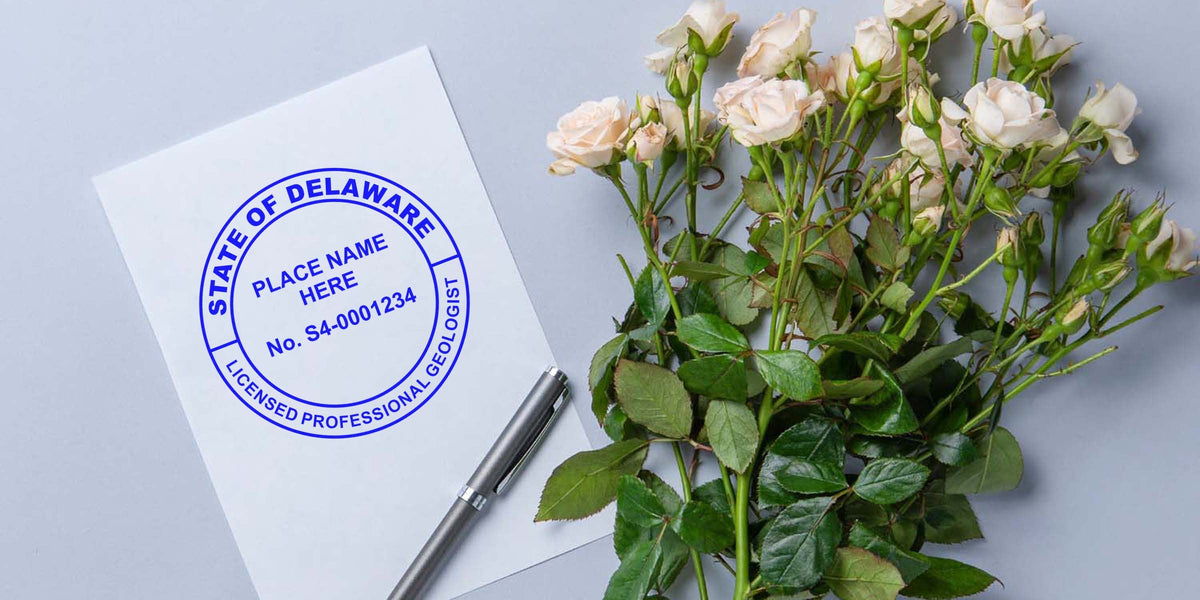
Natural light can brighten a room, but when it comes to professional credentials, you need more than a welcoming glow. If you’re a licensed geologist in Delaware, you’ve probably heard about the importance of meeting Delaware geologist seal specifications. After all, your seal is far more than just a stamp—it’s a visual guarantee that you’ve satisfied the state’s rigorous standards, and it helps clients and colleagues know they can trust your work.
In this post, we’ll walk through the key aspects of the Delaware geologist seal, from the size you need on official documents to where and how you should apply it. You’ll also discover practical tips on ensuring your seal meets every requirement, along with insights into choosing a reliable provider like Acorn Sales. By the end, you’ll feel ready to order or upgrade your seal without second-guessing any detail.
Understand Delaware Geologist Seal Requirements
When it comes to geologist credentials, the State of Delaware has put forth well-defined rules. These regulations aren’t just bureaucratic hoops; they ensure that your professional seal meets precise design and usage standards. If you’re shopping for a new seal or verifying that your current one is valid, the information here will help you check all the right boxes.
Regulating Body for Stamps
Delaware’s Board of Professional Geologists is typically responsible for overseeing licensing and guidelines. They confirm that practicing geologists apply a proper seal and signature on project documents, maps, or other official materials. The board’s purpose is to protect the public, so they expect each seal to meet strict design details. If you’re unsure whether your seal is still up to date with any rule changes, it’s always a good idea to contact the board for the latest updates.
Stamp vs. Seal: Key Differences
You might hear the word “stamp” used interchangeably with “seal,” but there can be slight differences:
- Pre-inked Stamp: Uses integrated ink, often more convenient and quicker to apply.
- Rubber Stamp + Ink Pad: Requires a separate ink pad, yet offers flexibility in inking color.
- Embossing Seal: Creates a raised impression on paper without ink, often used for official or ceremonial documents.
Delaware typically sets specifications for diameter, border design, and mandatory wording for each seal. The main requirement is that your final impression is legible and consistent with the official guidelines.
Meet the Standard Elements
Now that you know Delaware’s Board of Professional Geologists enforces precise policies, let’s explore the typical components of a compliant seal. Ensuring you cover these details will help you avoid any submission headaches, especially for critical documents like geological reports or site surveys.
Size and Format Rules
Before investing in a new geologist seal, measure carefully. Many states, including Delaware, recommend a standard size—often around 1⅝ to 2 inches in diameter. A seal that’s too large can appear clumsy on official forms, while a too-small seal may be illegible. Beyond size, the seal might need:
- Outer Ring Labeling: “State of Delaware” or “Delaware Geologist.”
- License Number Display: Typically placed in the center, so your unique ID is easily spotted.
- Name of the Licensee: Exact spelling as it appears on your Delaware license.
Don’t be tempted by a fancy design that strays too far from what the Board requires. An elegant flourish can be nice in theory, but if it conflicts with official specs, you could face audits or have your documents rejected.
Placement and Usage
Think of your seal as a stamp of trust that goes hand in hand with your signature. Delaware generally wants you to apply the seal:
- On the Covers of Reports: Especially important for geological surveys or official findings.
- On Drawings and Maps: Where you’re the responsible geologist of record.
- Near Your Signature Block: So it’s clear who is assuming professional responsibility.
Always review each document to see if a seal is required. If you’re dealing with partial drawings or supplemental pages, you may or may not need a seal for each one—depending on how the state interprets final vs. draft documents. It’s wise to confirm policy versus simply guessing.
Pick the Right Provider
Purchasing a seal might feel like a minor task, but the ramifications of using the wrong design or subpar material can be huge. A smudged or illegible impression could lead to misunderstandings, or worse, official rejection of your professional documents. Because of that risk, it’s important to choose a trustworthy supplier who understands Delaware geologist seal specifications inside and out.
About Acorn Sales
Acorn Sales has been in the professional marking industry since 1964, offering an extensive range of seals and stamps. For geologists in Delaware, we provide:
- Expert Knowledge: We follow official updates closely to keep our designs accurate.
- Quality Craftsmanship: Our stamps and embossers produce crisp, long-lasting impressions.
- On-Time Delivery: We understand how deadlines work in professional settings, so prompt shipping is a must.
When you’re ordering a seal, look for a dedicated company that layers decades of experience with top-notch customer service. You want to be sure your provider doesn’t just hand over a generic design but tailors it precisely for Delaware’s guidelines.
Free Digital Seal Option
Digital paperwork is growing in popularity. You might be sending PDFs of geological surveys or electronic drawings instead of physical copies. If that’s you, a free digital seal can be a lifesaver. Acorn Sales includes a digital seal option with our physical seals, helping you mark up digital documents quickly.
- Convenience: Apply the seal electronically with no mess or fuss.
- Compliance: We ensure the electronic design meets the same official requirements as the physical seal.
- Professional Appearance: Digital seals look crisp in PDF or other file formats, preserving your brand image.
If you want to learn more, we also have details specifically on how to meet Delaware geologist stamp requirements. It’s a brief read that will reinforce the guidelines you need to remember while ordering a new stamp or seal.
Common Mistakes to Avoid
When you’re meeting delaware geologist seal specifications, the devil is in the details. A tiny oversight might render your seal invalid in the state’s eyes. Let’s clear a few common pitfalls so you can skip the guesswork.
-
Skipping Your License Number
Always confirm that your license number appears on the seal design. Omitting or miswriting it is a quick way to raise red flags. -
Overly Decorative Fonts
Legibility is crucial. Flowery or cursive fonts may seem distinctive, but if your name or “Delaware Geologist” text is hard to read, you may not pass an official inspection. -
Wrongly Sized Impression
A smaller diameter might save space, but it can also reduce clarity. Focus on complying with the recommended dimension range so your seal is easy to see and verify. -
Using an Old or Outdated Seal
Regulations can shift. The best practice is to recheck current Delaware Board guidelines every few years or whenever you renew your license. -
Applying to Draft Documents
Some states and boards frown upon using your seal on draft or incomplete documents. Always confirm whether your document is final before you stamp or emboss.
With these common issues in mind, you can dodge potential pitfalls. Consider creating a quick personal checklist for your stamping workflow. The more systematically you adhere to best practices, the lower your risk of errors.
Remember, your Delaware geologist seal is more than a symbol. It’s a formal promise that you’ll adhere to professional standards, back up your scientific analysis, and maintain ethical practice. By choosing the right provider, verifying every detail of the design, and staying on top of changes from the state board, you’ll always be able to stamp, seal, and sign with confidence.
If you’re ready for a new seal or just want to confirm your existing design hits the mark, Acorn Sales is here to lend a hand. We’re proud to be a trusted supplier for Delaware geologists, offering expertise built from decades of experience dating back to 1964. And if you’d like more details on digital seals, or you have other questions about the ordering process, don’t hesitate to reach out.
Your geologist seal is a reflection of your professional commitment—and with a little care and research, you’ll ensure it showcases your best work for years to come.
Frequently Asked Questions
Do I need to use my full legal name on the geologist seal?
Yes. Delaware generally requires that the name on your seal matches the one on your professional license, including middle initials if those appear on your license.
How often do I have to replace my seal?
There’s no set expiration date for the physical seal itself. However, if the engraved text wears out or any guidelines change significantly, you may need a new one to stay compliant. Always inspect your seal periodically to ensure clarity of every impression.
Can I use an embossing seal instead of an ink stamp?
Yes, you can. The key is whether the resulting impression is clear and meets the state’s design rules. Both ink and embossed seals are typically acceptable, provided they meet the official diameter and layout standards.
What happens if I seal a document without signing it?
Generally, signing and sealing go together. If you place only your seal without your signature, the document might be considered incomplete. Delaware usually wants your signature alongside the seal so there’s no ambiguity about who prepared the work.








