
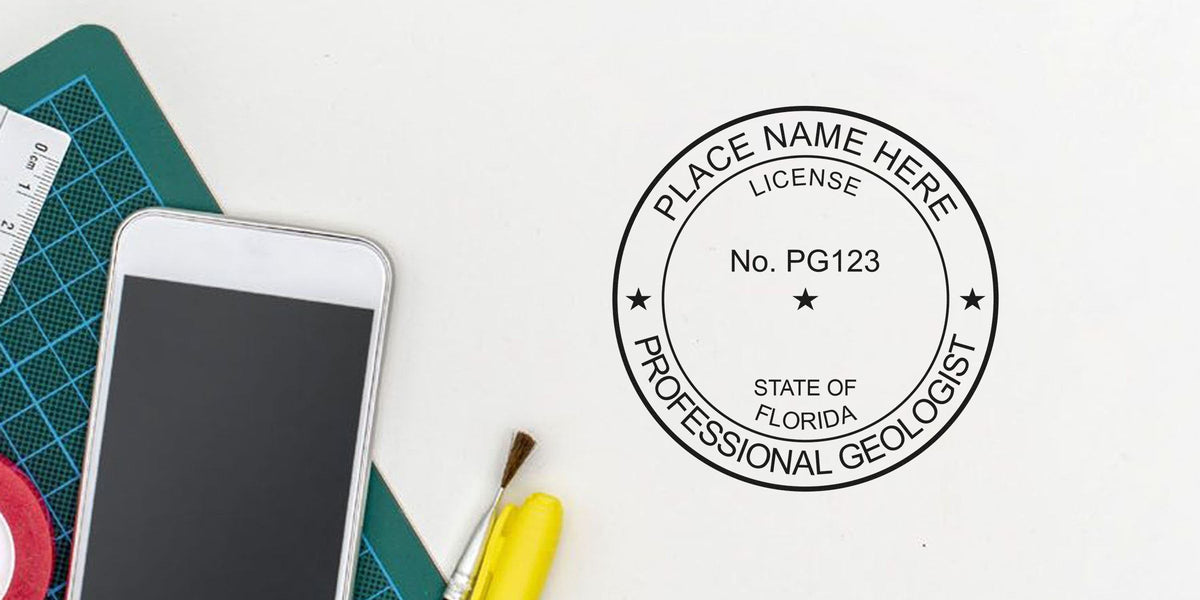
If you’re trying to follow Florida geologist stamp guidelines, you’ve come to the right place. Navigating the regulations for professional geologists can feel overwhelming—especially if you’re new to the field or you’re just completing your licensing requirements. In this friendly guide, we’ll break down everything you need to know about obtaining, using, and maintaining a Florida geologist stamp or seal. By the end, you’ll feel confident that you’re meeting all official rules and best practices. Let’s dive in.
Understand Key Regulations
It’s natural to wonder, “Why does Florida require such specific guidelines for geologist stamps?” The short answer is that a stamp or seal verifies your professional authority. Florida’s geologist stamp regulations are intended to protect the public and ensure that only qualified individuals are claiming professional status.
- The Florida Board oversees professional conduct and licensure maintenance.
- A valid Florida geologist stamp shows that your credentials are up to date.
- Regulations also standardize how geological documents are certified, making them more consistent and trustworthy for clients and agencies.
If you want to go deeper into specific rules, you can check out additional resources like local Florida statutes. These regulations spell out who qualifies for a geologist license and what you can and cannot do under your professional title.
Get Your Stamp Requirements
Before you can actually use a seal, you need to confirm you’ve met all the Florida geologist stamp requirements. Earning your stamp isn’t just about placing an order—it hinges on your professional qualifications and the details you include in your seal.
- You must hold an active Florida geologist license.
- Your name should match the one on your license (no nicknames).
- The stamp typically includes your license number.
For more handy tips on ensuring your stamp meets official criteria, feel free to visit our handy guide on florida geologist stamp requirements. You’ll find a more detailed breakdown of ensuring you’re in compliance.
Documentation You May Need
- Proof of licensure: This might include an online verification or a physical copy of your state license.
- Contact details: Your name, mailing address, and email confirm the information that appears on the stamp.
- Payment info: Some Florida boards require an application fee or renewal fee as part of this process.
Keeping these details in order helps you avoid delays. If something doesn’t match, you could have to reorder your stamp or wait on a licensing correction.
Meet Official Design Standards
Next, let’s chat about the design. You might assume all professional stamps look alike, but Florida regulations often mandate specific features so that the seal is easily recognized and verifiable.
Common Design Elements
- The phrase “Professional Geologist” or something similar to confirm your credential.
- A circle or rectangular border to define the seal.
- The Florida state outline or a reference to Florida for easy identification.
When you’re browsing for a stamp, check its size. Florida might specify a minimum diameter if you’re using a circular seal, for instance. You also need to stick to legible fonts that highlight your name and license number.
Why Consistency Matters
Imagine you’re reviewing a batch of important study results, and you see a stamped seal that’s too smudged or small to read. That’s not going to inspire confidence. Following official design standards makes your stamp readable and professional—even if it’s simply scanned or photocopied.
Understand Proper Usage
Congratulations—you have your geologist stamp in hand. Now, when do you actually use it, and how? Proper usage goes beyond just pressing it onto any document. Here’s how to ensure you’re always stamping correctly:
- Use it on official reports, maps, and documents you’ve personally prepared or supervised.
- Don’t use it on drafts. Wait until you have final or near-final versions so you’re not certifying incomplete work.
- Keep track of any digital renderings. Florida may require a specific format for electronic seals.
Be especially mindful of how you apply the seal for documents that cross state lines. Some states have additional sign-off rules. But for Florida, verifying that you physically or electronically sign and date your stamp is usually key to ensuring authenticity.
Electronic Seal vs. Physical Stamp
Electronic versions can bring convenience—especially if you’re sending documents by email. However, you still need to follow Florida’s guidelines for digital seals, which often mirror physical requirements:
- Maintain security: An electronic seal should only be accessible by you, much like your stamp.
- Label it clearly as an official seal: This can include a note with your digital version.
- Follow standard size and layout rules so that your electronic seal looks and reads just like the physical one.
Choose a Trusted Supplier
Where do you get a geologist stamp? Plenty of vendors are out there, but making the right choice is crucial. You don’t want to end up with a subpar seal that fades, smudges, or fails to meet Florida’s guidelines.
At Acorn Sales, we’ve been making stamps and seals for over 60 years, helping professionals meet state requirements with ease. We understand the nuances of Florida geologist regulations, and we include a free digital seal with your purchase. That adds convenience and peace of mind—no more last-minute scrambling for an electronic version.
What to Look For in a Supplier
- Familiarity with Florida Rules: A vendor who knows the local standards can help you avoid compliance headaches.
- Quality Materials: A cheap stamp might save a few dollars, but you’ll shell out more in the long run to replace it or reorder a correct design.
- Customer Support: Look for a supplier who responds promptly to questions or design tweaks.
Remember, your stamp represents your professional credibility. It’s not just any office supply—it’s the signature mark of your expertise.
Avoid Common Errors
You might be thinking, “I’ve got my license, my stamp, and a solid understanding of the rules. What else could go wrong?” While the process is straightforward once you know the ropes, a few common pitfalls can trip you up if you’re not careful.
Top Mistakes to Dodge
- Using an outdated seal design: Florida occasionally revises standards, so confirm yours is current.
- Forgetting to sign and date: A seal alone sometimes isn’t considered enough; check if your signature is required.
- Letting unauthorized people use your stamp: No one else should be employing your seal—even a colleague.
- Stamping incomplete work: If you’re still revising or haven’t personally supervised the project, hold off.
It’s easiest just to double-check each detail. If you’re in doubt, a quick call to the Florida Board or your stamp supplier can help clarify.
Parting Thoughts
Staying on top of Florida’s geologist stamp rules doesn’t have to feel daunting. As long as you confirm your license status, get a properly designed seal, and use it only on documents you’ve supervised, you’ll be set. A dependable supplier, like Acorn Sales, can guide you through each step of verifying your design and meeting state requirements.
Once you’ve got that official seal, you’ll be all set to leave your professional mark across maps, site analyses, and technical reports. Just remember to stamp responsibly. You earned your geologist credentials—now let your work shine with the official seal of approval.
Frequently Asked Questions
Do I need separate stamps for different states?
Yes. If you’re registered to practice in multiple states, you need distinct stamps that meet each state’s guidelines. Don’t assume one-size-fits-all.
Can I share my stamp with another licensed geologist?
Absolutely not. Your stamp is tied to your personal license number and name, so it’s strictly personal.
Is there a deadline for renewing my Florida geologist stamp?
The stamp itself might not expire, but your license can. Keep track of your licensing cycle. If your license lapses, so does your authority to stamp.
What if I lose or damage my stamp?
You’ll need to replace it. In many cases, you’ll just reorder a duplicate with your existing design. Even so, it’s wise to let the Board know if a lost seal is at risk of misuse.
How do I store my electronic seal securely?
Treat it like a valuable file that only you can access. Password-protect the file, and limit who has the ability to open or edit it.








