
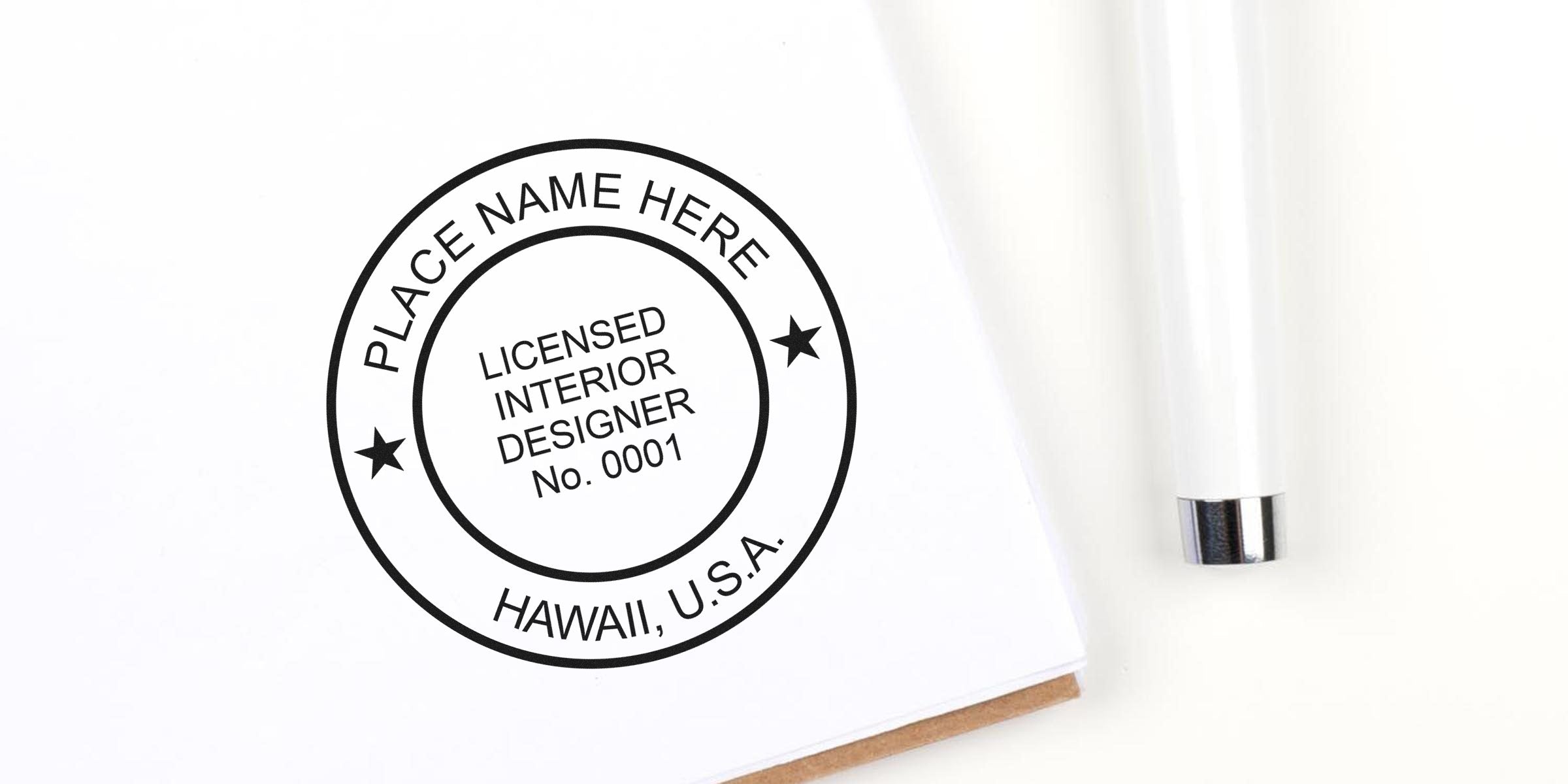
Are you an interior designer in the Aloha State wondering about hawaii interior designer seal legal requirements? If you’ve been unsure how, when, or even why to use an official stamp or seal, you’re in the right place. Understanding these regulations can feel tricky at first. But once you break them down, it’s a lot like ensuring your designs meet building codes—just another step to keep everything above-board.
Below, you’ll find a thorough look at how seals and stamps factor into professional practice in Hawaii. We’ll talk about where the rules come from, how to design your own seal, and key ways to build trust with clients and regulatory authorities. By the end, you’ll see that using the correct stamp or seal isn’t just a “nice to have,” but a must-have for every licensed interior designer in Hawaii.
Uncover Hawaii Seal Basics
Before we jump into the nitty-gritty details, let’s clarify what an interior designer seal entails. In general, seals or stamps serve as a formal endorsement that all the project’s design details and documentation align with local regulations and professional standards.
Why Seals Matter
- They verify your professional licensure.
- They show that you accept responsibility for the quality and accuracy of your work.
- They add credibility for clients and local inspectors alike.
In some cases, your seal might also be accompanied by a signature and date to confirm that your drawings or project documents are current and comply with state regulations. Because Hawaii’s jurisdictions focus heavily on safety and code adherence, an official seal goes a long way toward building trust with clients and permitting offices.
Learn About Licensure Laws
The state enforces different protocols depending on the scope of your interior design services. This means you need to confirm that you hold the correct license or registration before you ever apply a seal or stamp.
Verifying Your License
- Check that your license is up to date. Most states, including Hawaii, require periodic renewals.
- Investigate if there are different types of licensure for residential vs. commercial interior design.
- Confirm you’re aware of any continuing education (CE) units required for renewal.
Some designers overlook these details and end up emailing local boards in a scramble to figure out if they’re cleared to use a seal. You can save that hassle by staying on top of each licensing cycle. If you’re not sure where to start, consider reviewing the hawaii interior designer stamp requirements for additional insights on official guidelines.
Specify Required Stamp Details
Once your licensing is sorted, you can turn your focus to the seal itself. Hawaii regulations outline specific stipulations about what your stamp or seal should look like. While the exact rules can vary by county, the fundamentals remain roughly the same statewide.
Commonly Required Elements
- Your full legal name, exactly as it appears on your license.
- The words “Licensed Interior Designer” (or an equivalent phrase recognized by Hawaii law).
- Your license number—no typos allowed.
- The state name: “Hawaii.”
Make sure you double-check your design with local authorities. Some boards prefer circular seals, while others will accept a rectangular stamp. Dimensions can also matter. If your seal is too large, it may crowd the page or fail to fit official documents neatly. If it’s too small, inspectors might reject it as illegible. Adhering to local guidelines helps ensure your seal is both accurate and visually clear.
Comply With Usage Guidelines
So what do you do with your brand-new (or soon-to-be-ordered) Hawaii interior designer seal? One key step is knowing when and where to place it. Typically, you’ll need to apply your seal to any official technical drawings, documents, or reports that you submit to review boards, contractors, or clients.
Suggested Areas for Seal Placement
- Final design plans for permit applications
- Technical specifications and material documents
- Reports on building codes or safety compliance
- Project close-out packages or client presentations that require an official endorsement
You might also be required to sign and date each page or set of pages bearing your seal. Think of it as the final handshake between you, the local permitting office, and your client—the ultimate “we’re good to go” statement.
Avoid Common Pitfalls
- Don’t seal unfinished sketches or drafts that might confuse permit officials.
- Refrain from letting anyone else use or replicate your seal. This is a legal authentication of your identity and expertise.
- Remember that local boards have the final say on where a seal is mandatory. Always double-check.
Document Your Seal Activity
Record-keeping is a phrase that doesn’t sound glamorous, but it’s essential for meeting hawaii interior designer seal legal requirements and protecting yourself in the long run. If disputes ever arise about your project, these records will prove invaluable.
What to Track
- Date of each sealed document (and any subsequent revisions)
- Project details, including location and scope
- Copies of stamped or sealed sheets, along with signatures
- Correspondence with the client or government agencies referencing these documents
Keep these logs securely—digital versions in cloud storage, physical copies in a locked file cabinet, or both. That way, you’ll have a backup in case anything goes missing.
Link Up With a Trusted Supplier
If you’re eager to get started on your seal or stamp, you want a supplier who understands Hawaii’s specific rules. For many professionals, partnering with a business that has a proven history and broad expertise offers extra peace of mind.
Acorn Sales: Here to Help
At Acorn Sales, we’ve been supporting licensed professionals since 1964. We understand that interior designers in Hawaii have unique requirements, from verifying correct wording to ensuring each design meets local size standards. We also realize that every professional’s preference varies. Some folks love a self-inking stamp for quick document sign-offs, while others prefer a classic embossing seal for a crisp, raised impression.
No matter your preference, you’ll get a free digital seal with every order. That way, you can incorporate the design into your electronic documents without fuss. We believe convenience starts with having the right tools, so you can focus on your clients and creative vision.
Putting It All Together
Your Hawaii interior designer seal may seem like only a small aspect of your professional toolkit, but it wields significant power. It signals your accountability and expertise, verifying that your design plans align with state and local regulations. By learning the licensing laws, specifying the right design, correctly using the seal, and maintaining thorough records, you help guarantee that your projects move forward smoothly and with fewer last-minute hiccups.
Beyond meeting hawaii interior designer seal legal requirements, having the right supplier can save you headaches. We at Acorn Sales offer the guidance, reliability, and longevity (over 60 years!) to make sure your seal and stamp orders are just what you need. Pair that with a free digital seal, and you’ll be set up for success—both offline and online for e-submissions.
Feel free to explore more details on hawaii interior designer stamp requirements if you’d like further clarity on state-specific options. And as always, keep innovating those interior spaces. With every official endorsement, you draw one step closer to a fully compliant and beautifully executed project. Good luck, and we can’t wait to see your designs come to life.
Frequently Asked Questions
Do I need a different seal for each project?
Typically, no. You’ll use the same seal for all your projects, as long as your license details remain valid and unchanged. If your name or license number changes, then you’ll need a revised seal.
Is an embossed seal required, or can I use an ink stamp?
Hawaii does not uniformly mandate one type over the other, though certain municipalities or agencies might have a preference. Always check with your local board to be on the safe side.
Can I share my stamp with partners in my firm?
No. Your seal is tied to your personal licensure. Even if you team up with other licensed designers, each individual must have a separate seal.
Are digital seals acceptable for electronic submissions?
Many jurisdictions now accept digital versions, especially for e-permitting processes. With Acorn Sales, you’ll receive a free digital seal to help you submit documents electronically. Just be sure to confirm that your local code enforcement office permits digital seals.
What happens if I misplace my seal?
Report the loss to the relevant licensing board or local authority as soon as possible. You might also want to order a replacement from a trusted supplier like Acorn Sales. Keeping track of your stamp and updating official records ensures no unauthorized usage in your name.








