
Are you ready to navigate the ins and outs of Hawaii Interior Designer Seal Regulations? If you’re working as an interior designer in the Aloha State, you already know that following the rules—and having the correct seal—is more than just a formality. It’s your professional responsibility, and it ensures every project is handled with the credibility it deserves. Let’s explore exactly what you need to know about the laws, the seal requirements, and the best ways to stay compliant.
Know The Legal Foundation
Hawaii’s regulations around interior design practice can sometimes feel a bit overwhelming. Still, once you understand the framework, you’ll see how these guidelines protect you, your clients, and the public.
Why The Regulations Exist
You might be wondering, why does the state bother with so many specific rules for something like a stamp or seal? The main reason is consumer protection. The government wants to ensure that every certified interior designer is legitimate, up-to-date on training, and accountable for their work. By mandating a specific seal, they help verify that each project is reviewed, approved, and signed off by a qualified professional.
Who Oversees Them
In Hawaii, the government entity in charge of licensing and regulating interior designers typically falls under the Department of Commerce and Consumer Affairs (DCCA). This agency enforces professional standards for a variety of fields. They can update requirements from time to time, so be sure to check the official state website for any recent changes—especially if you’re renewing your license or seal.
Understand Your Seal Requirements
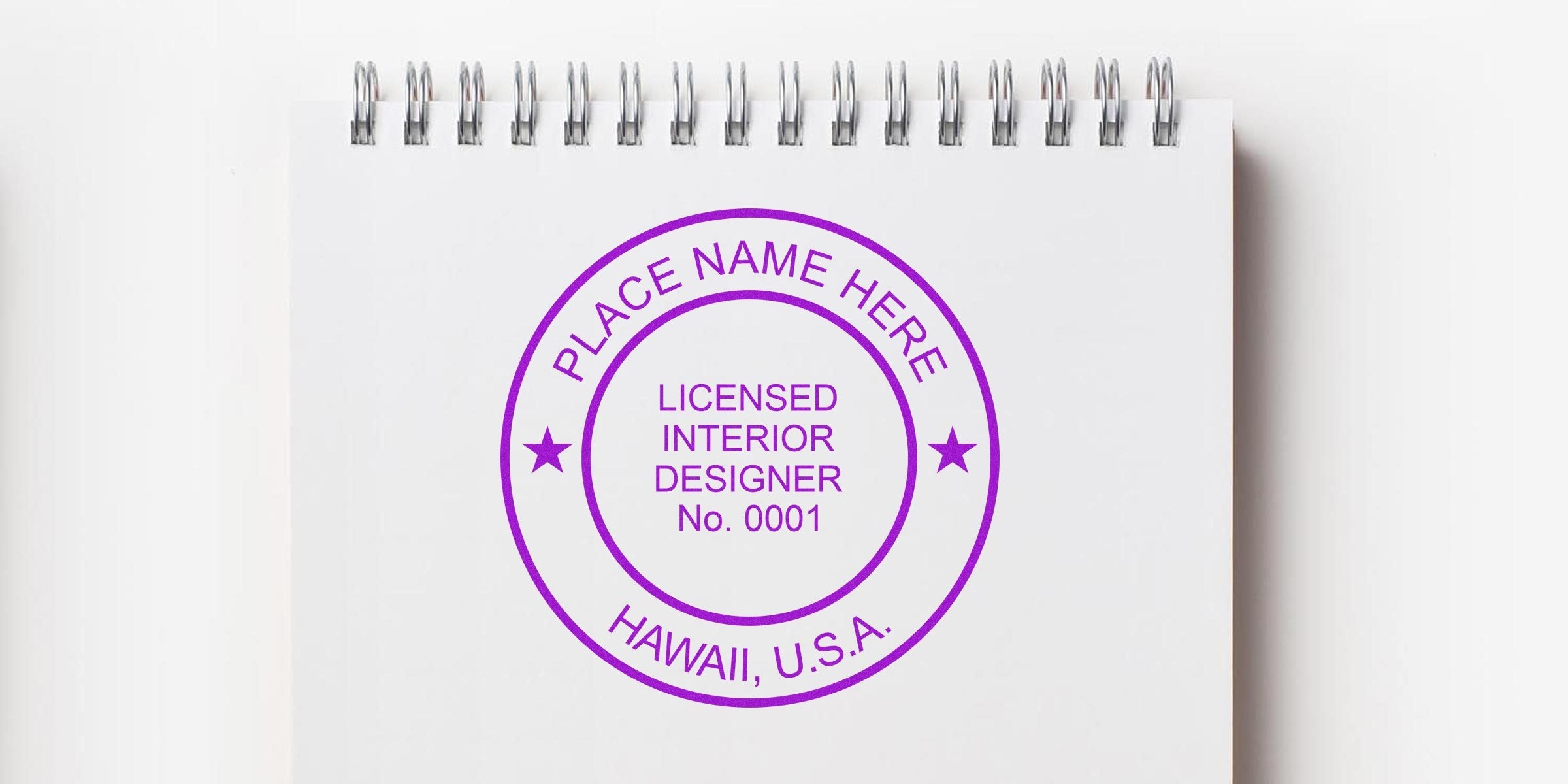
To meet the Hawaii interior designer seal regulations, you must have a properly formatted seal that includes your name, license number, and sometimes additional identifying features like your business name. Every detail counts, so make sure you follow the state’s guidelines to the letter.
Hawaii Seal Elements
It’s not just about having a circle with your name slapped on it. The official seal typically includes:
- Your full legal name as listed on your license
- Your Hawaii-issued interior designer license number
- Any text required for clarity, such as “Licensed Interior Designer”
- The state name (“Hawaii”), to distinguish it from other jurisdictions
Compliance here isn’t optional. Omitting even a small detail could invalidate your documents, and that might lead to delays or even legal troubles.
Size And Format
The exact size of the seal usually falls within a standard diameter (for example, around 1¾ inches) to keep everything consistent. While you can opt for a pre-inked or self-inking stamp, electronic versions are also recognized in many cases. Always verify that the digital format meets state standards, including resolution and clarity.
Common Design Features
- Circular shape with a distinct border
- Clear font, easily reproducible by scanning and printing
- Ink color that contrasts against standard documents (often black or dark blue)
- Space for your name and license details
Don’t forget to check out more about your stamp obligations by reviewing the hawaii interior designer stamp requirements. It’s the perfect starting point when you want the specifics.
Apply Your Seal Properly
Once you’ve got your seal in hand, how do you use it on projects? The rules for stamp placement can be particular, and a little slipup could hold up your permit applications or project sign-offs.
Electronic vs Physical Seals
With the growing acceptance of digital documents, many interior designers wonder if an electronic seal has the same authority. In Hawaii, electronic seals are commonly allowed, provided they’re secure and meet the same content guidelines as a physical stamp. Here’s the basic choice you’ll face:
- Physical Seal: Traditional stamp used on hard-copy documents
- Electronic Seal: Embedded into digital plans, often in PDF format
It’s best to keep a physical version even if you send most of your plans electronically. You never know when a municipality might require a stamped paper copy.
Project Submission Tips
Too many designers rush the stamping process because they’re excited to wrap up the design phase. Avoid any speed bumps by making sure each page that needs your seal is properly labeled and legible. Also, document the date you applied the seal—some forms require an official “sealed on” notation to confirm the work is current.
Work With A Trusted Supplier
Finding a professional who can produce an official seal that meets every requirement is critical. At Acorn Sales, we’ve been in business since 1964, and we specialize in stamps and seals for architecture, engineering, and of course, interior design.
Why Choose Acorn Sales
When you order through Acorn Sales, you’re not just getting a piece of rubber and ink. You’re getting:
- A seal that meets Hawaii’s regulations for size, content, and design
- Quick turnaround, so you can keep projects moving
- Decades of expertise in professional compliance, which means fewer headaches for you
We’ve built a reputation as a trusted supplier for Hawaii Interior Designer stamps and seals. Each seal is made with quality materials that withstand heavy use, ensuring it remains sharp and readable over time.
Key Benefits: Free Digital Seal
Have you ever struggled to sort out a digital stamp that meets state standards? With Acorn Sales, you get a free digital seal with every order, enabling you to handle electronic submissions seamlessly. It’s pretty handy when your clients or local agencies request purely digital documents.
Maintain And Renew Your Seal
A common misconception is that once you have your seal, you’re set for life. But law requires continuous compliance, and that includes renewing your official status as an interior designer. Even if your license is up to date, your seal must reflect any changes in your credentials over time.
Verify Your Registration
First, double-check your license renewal timeline. If your license lapses, any documents you approve during that period might not be valid. Regularly confirm your active status through the DCCA or relevant state agency.
Stay Up To Date
Regulations can evolve. Perhaps the state modifies the design or the text requirements for professional seals. By staying informed and checking in on official postings, you can adjust quickly. Waiting until you’re mid-project to discover a major rule change can cause needless stress. Here’s a quick recap of best practices for staying current:
- Set calendar reminders to check licensing board updates
- Maintain an updated email address with state agencies
- Opt in for newsletter updates if your board offers them
Conclusion
Navigating Hawaii interior designer seal regulations doesn’t have to be overwhelming. By understanding the legal framework, knowing the exact components of a compliant seal, and partnering with a reliable supplier like Acorn Sales, you can stay fully compliant. This helps your projects run smoothly, and it also reassures your clients that every plan meets professional standards.
Take a moment to review your current license status, check that your seal meets the right specifications, and keep an eye out for any rule changes. If you’re missing any part of this puzzle or need a new seal, Acorn Sales is here to help. After all, you want to focus on designing stunning interiors—not worrying about the fine print of state regulations. With the right seal in hand, you’re free to do your best creative work. Go ahead and give your next project the official stamp of approval, and watch how a little compliance can spark a lot of confidence.
Frequently Asked Questions
Do I need a separate seal for each business I operate?
Not necessarily. Your seal represents you as an individual professional, not the business. However, your official business name might need to appear on final documents. If you run multiple ventures with distinct licenses, then each license requires its own seal details.
How large should my Hawaii Interior Designer seal be?
The typical recommendation is around 1¾ inches in diameter. This ensures clarity on both printed and digital documents. Always check state guidelines before finalizing your order.
What if I move or change my name?
If you legally change your name, you’ll need to update your license and order a new seal. The same applies if you relocate out of state. It’s crucial that your seal matches the exact information on your renewed license.
Is my seal valid for life?
That depends on your active license status. Your seal is tied to the validity of your interior designer license. If your license expires, your seal effectively becomes invalid until your license is renewed.
What’s the advantage of ordering from Acorn Sales?
We’re a trusted supplier for Hawaii Interior Designer stamps and seals. Since 1964, we’ve focused on making top-quality stamps that comply with the latest regulations. Plus, we include a free digital seal with every order, so you can streamline both physical and electronic submissions.








