
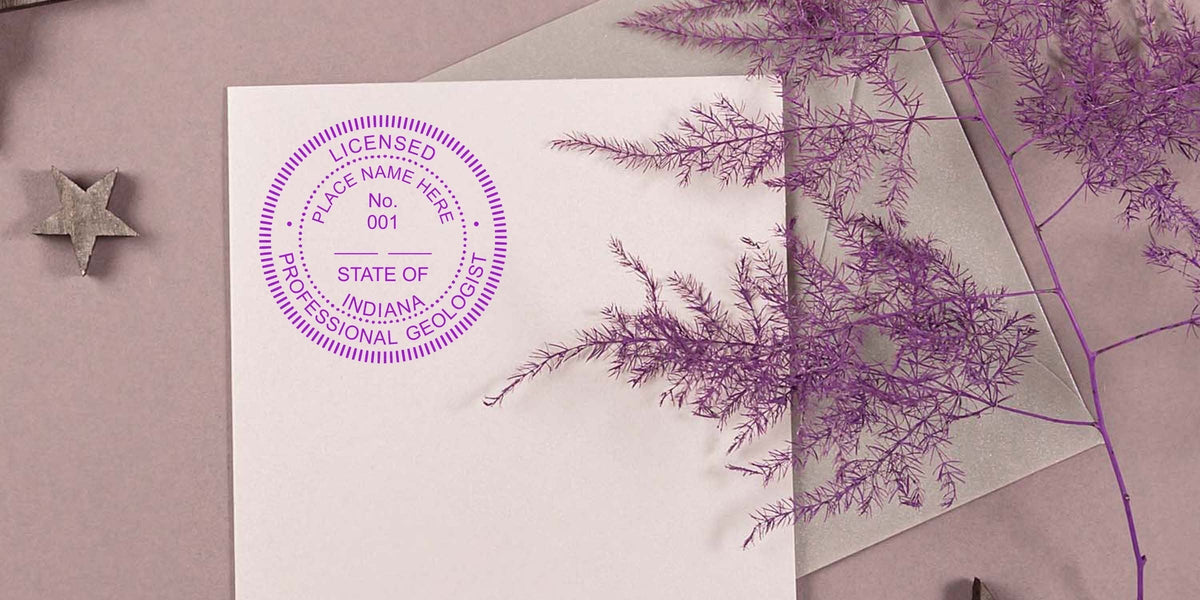
If you’re practicing geology in Indiana, it’s crucial to know the ins and outs of Indiana geologist seal specifications. After all, your seal is more than just a stamp on an official document. It’s a clear indication of your professional credibility and your compliance with state regulations. In this guide, you’ll learn how to meet Indiana’s requirements, acquire the right seal or stamp, and use it properly in your everyday practice.
Understand Indiana Geologist Seal Requirements
One of the first steps to cementing your status as a licensed geologist in Indiana is understanding the exact requirements for your seal. These specifications might seem a bit overwhelming at first, but with a little guidance, you’ll realize they’re quite straightforward.
Why The Seal Matters
A properly executed seal shows fellow professionals, clients, and regulatory boards that you take your responsibilities seriously. In many cases, you’ll have to affix a seal to documents like geological reports, site assessments, and other technical submissions. Failing to comply with state guidelines could cause problems down the road, from delays in project approvals to potential disciplinary action.
The seal itself serves as a unique identifier for your professional work. It connects your name and license details to the content of any document you sign off on. Think of it as your personal signature, magnified. By following all relevant Indiana geologist seal specifications, you verify that the document meets state standards and that you stand behind your findings.
Key Elements Of The Seal
Before you rush to order a new seal, be sure it contains the specific elements Indiana requires. Typically, you’ll need:
- Your full name, exactly as it appears on your license.
- Your license number, placed beneath or around your name.
- The words “Professional Geologist” or a similar state-approved designation.
- The state name “Indiana” to confirm your licensing jurisdiction.
Angle, size, and layout also matter, but most reputable seal providers abide by these standards automatically. If you have trouble determining which layout works best, you can always consult resources like the indiana geologist stamp requirements on our site, which delve further into design specifics.
Acquire An Indiana Geologist Stamp
Once you understand the basics, the next step is getting your stamp into your hands. Quality matters here because a poorly made seal can smear, fade, or not meet size requirements. Maintaining a crisp, legible mark is a must when you’re signing off on something as important as geological work.
Official Dimensions And Layout
If you’re wondering about the official size, you can typically expect your seal to measure around 1 ⅝ to 2 inches in diameter, though there may be minor variations. The text should remain clean and easy to read. Any decorative elements you include should not overshadow the core information, such as your name and license number.
Keep in mind:
- The lettering around the perimeter should feature uniform spacing.
- The seal’s center typically highlights your name and license number.
- No part of the text should blur or overlap.
When in doubt, double-check references or consult a professional stamp maker to ensure the layout is fully compliant.
Material And Format Options
Indiana allows for several types of stamps and seals. If you prefer an old-school approach, a rubber stamp does the job. Many geologists today, however, lean toward digital seals or embossed seals. Each offers unique pros and cons:
| Format | Pros | Cons |
|---|---|---|
| Rubber Stamp | Affordable, widely available | Ink can smear if not fully dry |
| Embossing Seal | Elegant, tamper-resistant impression | Requires applying enough pressure |
| Self-Inking Stamp | Quick to use, no separate ink pad | Ink pads eventually need replacement |
| Pre-Inked Stamp | Long-lasting, consistently crisp | Costs can be slightly higher |
Think about whether convenience, durability, or cost ranks highest on your priority list. If you frequently need to seal documents in the field, a self-inking or pre-inked stamp might be your best bet. On the other hand, if you submit a lot of official, high-profile documents to agencies or committees, an embossing seal can add a classy touch.
Why Choose Acorn Sales
If you’re seeking a reliable supplier, look no further than Acorn Sales. We’ve been in business since 1964, providing high-quality stamps and seals to professionals across multiple industries, including geology. You can trust that each stamp meets legal specifications for use in Indiana.
We also include a free digital seal with most purchases. Digital seals come in handy when you need to add your mark to PDFs, electronic filings, or other online submissions. This modern convenience can save you time and simplify your workflow, especially if you’re managing multiple projects at once. Simply import the digital file and place it onto your document, no paper or physical stamping required.
Use Your Seal Correctly
After investing time and resources into getting your Indiana geologist stamp, you’ll want to make sure you’re using it properly. Correct usage not only validates your work but also keeps you in good standing with state regulations.
Placing The Seal On Documents
Browse through any set of geological documents, and you’ll usually find the seal in a prominent location, either near the signature line or in the document’s margins. The main goal is clarity. Anyone reading your report should easily spot your seal and verify your credentials.
When stamping a document:
- Keep the inked impression sharp by pressing firmly and evenly.
- Wait a few seconds to allow the ink to dry fully, avoiding smudges on official pages.
- Double-check that critical information, like your name and license number, remains legible and unobstructed by text or images.
Consider setting up a consistent template for your standard forms or reports so you know exactly where your seal should go each time. This habit can streamline your workflow and reduce the chance of accidental oversight.
Incorporating A Free Digital Seal
Physical stamps remain a staple in the geological community, but digital seals are quickly gaining ground. They’re especially useful for lengthy documents or electronically distributed files.
If you grab your seal from Acorn Sales, you’ll receive a free digital seal. Here’s how to use it effectively:
- Insert your seal image into PDF documents with any PDF editing software.
- Place it near your digital signature, or in a clearly labeled section for authorized seals.
- Make sure the resolution is high enough to retain clarity, even when the document is printed.
Double-check that regulatory boards or clients accept digital seals for the specific documents you’re handling. While digital seals are increasingly recognized, certain agencies might still request physical impressions for final submissions.
When you need a dependable seal that meets strict Indiana geologist seal specifications, remember that every detail counts. From choosing the right size to picking a style that suits your needs, each decision adds up to a professional presentation that instills trust. Acorn Sales has supported professionals like you since 1964, and we’re here to guide you to the right product, be it a classic embossing seal or a modern self-inking stamp.
If you’re ready to move forward, be sure to incorporate your new seal in your workflow so you can seamlessly authenticate reports, surveys, or any official documents that come your way. After all, having a solid seal is not just about meeting the rules. It’s a statement that you uphold the highest standards of professionalism.
Frequently Asked Questions
Do I Need To Renew My Seal?
Generally, you won’t renew the physical stamp itself. However, you must maintain your professional license, which may involve continuing education or state fees. Your stamp should stay valid as long as your license does.
Can I Use A Digital-Only Seal?
That depends on the requirements set by the agency or board you’re dealing with. Many organizations now accept digital seals, but some still prefer a physical impression. Always confirm with the reviewing authority if a digital seal alone is acceptable.
Are There Limitations On Font Style?
Yes, to a degree. Most states require fonts that are easy to read, typically sans-serif or simple serif styles. Fancy or highly stylized fonts can undermine legibility and might not align with state guidelines. It’s safest to stick with standard lettering approved by your seal provider.
How Quickly Can I Get A Stamp?
Production times vary but can be as quick as a few business days. If you’re working on a rush project, many suppliers offer expedited processing. At Acorn Sales, we work hard to get your stamp out quickly so you can keep projects moving. You never want to be stuck waiting on a crucial tool.
What If I Move Out Of Indiana?
If you move outside the state, you’ll need to check local regulations where you relocate and see if you must obtain a new seal. For projects linked to your Indiana license, you can typically keep using your Indiana seal, as long as your license remains active.








