
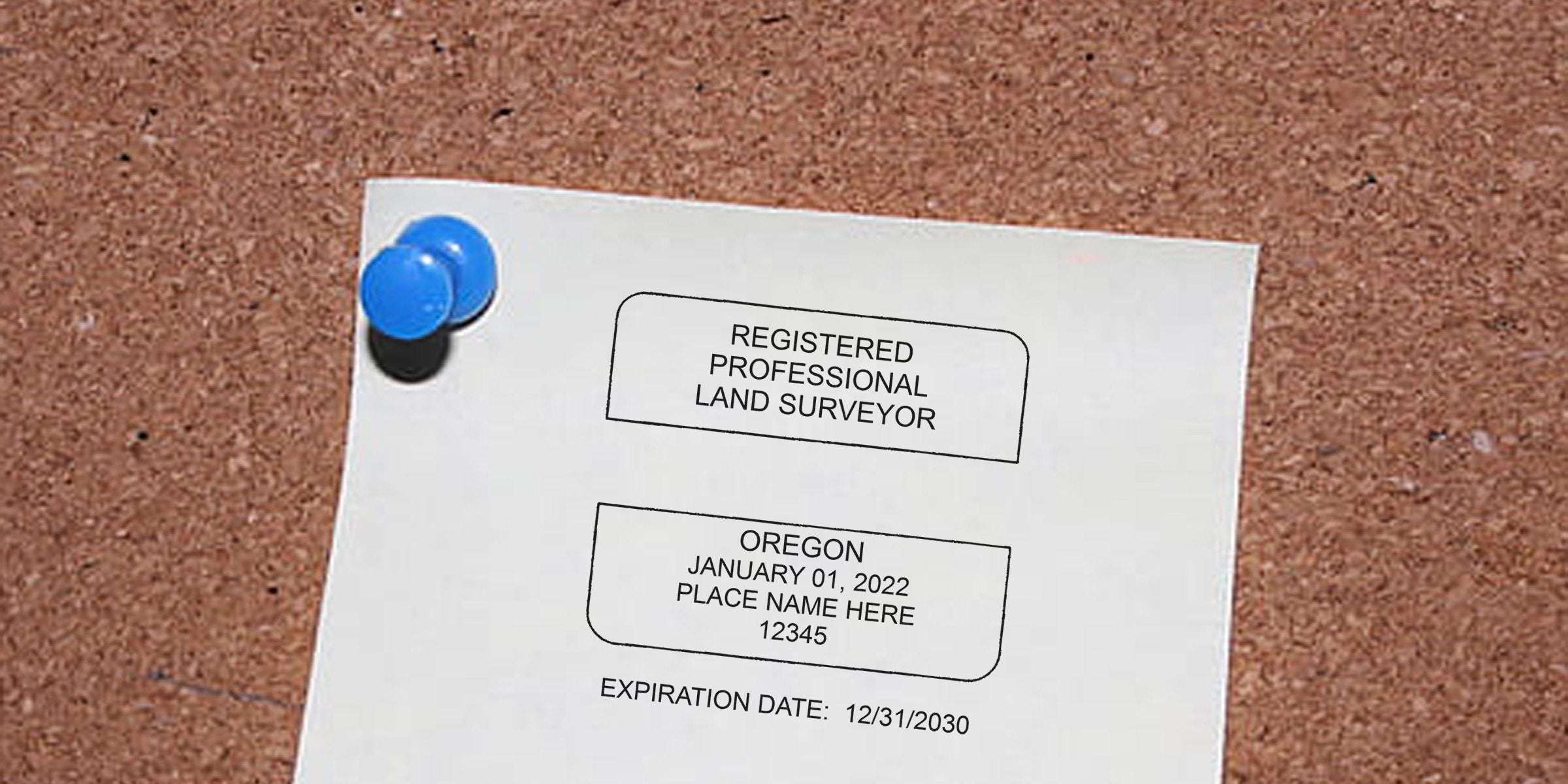
If you’re a licensed land surveyor working in the state of Oregon, chances are you’ve wondered about Oregon land surveyor seal specifications. These details might feel daunting, but getting them right is essential for ensuring your work remains valid and meets state guidelines. Below, you’ll find a clear, conversational breakdown of what your seal should look like, how to choose the best format, and practical tips on stamping it all correctly.
Understand Oregon Requirements
Learning the basics up front can save you a heap of trouble. The Oregon Board of Examiners for Engineering and Land Surveying (commonly abbreviated as OSBEELS) typically outlines what belongs on your seal, including the size, wording, and design. Although specific rules can sometimes shift, you can count on a few consistent points to guide you.
Why The Seal Matters
You might ask, “Is my seal really that crucial?” Definitely. Your seal functions as an official mark that confirms your professional standing and vouches for the accuracy of your work. Clients, agencies, and even courts use this seal to confirm that the documents or projects you produce are certified under the authority of a legitimate, licensed land surveyor.
When all your reports, plats, and related documents carry your seal, there’s a clear message that you’re in compliance with state regulations. Think of it this way, your seal is like your signature in bold type—instantly recognizable and legally binding.
What The Board Mandates
The Oregon Board has issued guidelines on seal size, shape, and labeling. While exact dimensions can vary, you’ll often see a minimum diameter of 1 5/8 inches (or slightly larger). You should also see key wording like “State of Oregon” and “Registered Professional Land Surveyor,” along with your name and license number. Below is a handy summary to keep in mind:
| Specification | Requirement or Note |
|---|---|
| Diameter | Typically around 1 5/8" to 2" |
| Mandatory Text | “State of Oregon,” “Registered Professional Land Surveyor,” plus your name |
| License Number Placement | Must appear clearly below or alongside your name |
| Format Options | Embossers, pre-inked stamps, self-inking devices |
Keep in mind that Oregon can update requirements from time to time, so it’s wise to check the Oregon Board website if you’re unsure. You can also find supplemental details at Oregon Land Surveyor Stamp Requirements if you want to go deeper on the stamping side.
Select The Right Format
Once you’ve nailed down the basics of your Oregon land surveyor seal specifications, the next step is figuring out the type of seal or stamp that’s right for you. There are several formats on the market, each with pros and cons. Whether you prefer a traditional embosser for its crisp impression or a modern pre-inked stamp for quick use, you’ll want to weigh factors like convenience, clarity, and durability.
Embossed Vs. Pre-Inked
An embossed seal visibly raises the paper, giving a classic look. It’s tidy, elegant, and often used for official documents that demand a certain level of formality. However, embossers can sometimes be tricky to read if you don’t apply enough pressure or if you’re dealing with heavier paper.
On the flip side, a pre-inked stamp can deliver a sharp, consistent mark. You don’t have to press quite as hard, and you won’t worry about lines not being legible. If you handle a large volume of documents daily, a pre-inked stamp can be a time-saver. It’s also more straightforward to reproduce in scans or copies, since the inked design stands out clearly.
Digital Seals And Options
You might also consider a digital seal. Many agencies, clients, and local governments allow electronically stamped documents for official submissions. If you plan to submit your land survey drawings or reports through online portals, a digital seal can be a lifesaver. It eliminates the step of scanning paper copies, and it helps ensure that your documents remain crisp and legible.
Acorn Sales, a trusted supplier since 1964, offers a free digital seal service, which means you get both a physical seal and a digital file ready to pop right into your documents. This combo is perfect if you handle both paper-based and electronic records.
Customize Your Seal
You know the guidelines: your seal must display your legal name, your professional designation (like “Registered Professional Land Surveyor”), your license number, and the words “State of Oregon.” But you’ll also want to think about how to customize the style and arrangement so that it visually fits your profession while staying crystal clear.
Name, License Number, And State
By law, you’ll see the following key pieces:
- Your full name, exactly as it appears on your license
- Your license number
- “State of Oregon”
- “Registered Professional Land Surveyor” or a similar approved designation
Placement and order can vary slightly, as long as it’s readable and in line with Oregon’s requirements. Make sure your license number is legible—nobody wants to be squinting at a fuzzy or crooked stamp in the middle of an important set of documents.
Size, Shape, And Style
Are you going for a circular seal, or maybe a slightly oval shape? Oregon tends to prefer circular designs, but the precise style might differ among manufacturers. You’ll often see standard sizes around 1 5/8 or 2 inches in diameter, which fits well on typical surveying documents.
The shape can also influence readability. Rounded text usually arches across the top and bottom edges, which helps ensure your required phrasing stands out. Look for bold font styles that show up well when stamped or embossed. Too many flourishes can reduce legibility, so go for clarity over frills.
Order From A Trusted Supplier
When you’re ready to place your order, pick a supplier that knows Oregon’s guidelines and has a track record of producing quality seals. You want a company that guarantees compliance, uses durable materials, and offers good customer service if anything goes awry.
Why Choose Acorn Sales
Acorn Sales has been in the seal and stamp business since 1964, and they’ve gained a reputation for reliable products that meet state-specific rules. Whether you prefer a traditional embosser or would rather go with a self-inking stamp, Acorn Sales can tailor the seal to your specs. They offer quick turnarounds, so you won’t be left waiting for weeks when a project deadline looms.
As a bonus, if you’re worried that your digital documents might not look as official as physical copies, Acorn Sales provides a free digital seal. This seal adds a professional flair to e-copies of your work and helps you remain consistent across the board.
Free Digital Seal Option
The digital seal is ideal if you regularly email your work, upload files through online portals, or store them on the cloud for easy client access. Since e-filed documents can sometimes lose resolution or clarity when compressed, Acorn Sales makes sure that their digital seals maintain a high-quality look. That way, nobody on the receiving end has to blow up the image just to read it properly.
Ordering a physical and digital seal at the same time ensures your brand identity stays constant. You also avoid the inconvenience of overlapping or conflicting designs—one official look for every format.
Stamping Best Practices
There’s more to stamping your seal than simply pressing down. You’ll want to place the stamp carefully to ensure it appears in the right spot and is easy to read. Oregon’s laws typically require you to stamp each final page of a drawing or report, but confirm if there’s a mandated placement, such as a corner or nearby your signature.
Proper Placement And Clarity
- Keep your seal near your signature. Together, they show that you’ve not only prepared or approved the material but also take legal responsibility.
- Ensure the seal is fully visible. For instance, avoid stamping over text or images that obscure important details.
- Practice on scrap paper if you’re new to stamping. A quick rehearsal can help you test the ink coverage and alignment.
If you’re relying on an embosser, press firmly and evenly so the seal’s ridges display consistently. Uneven pressure can leave parts of the design unreadable, and you want everything from your name to your license number to appear sharply.
Maintenance And Ink
Cleaning your stamp regularly helps keep the lines crisp. Dust or dried ink can build up over time, so a quick wipe with a damp cloth can work wonders in bringing your design back to life. If you’re using an embosser, check the alignment of the plates occasionally, especially if you notice the letters no longer line up properly.
Ink pads eventually dry out too. Pre-inked stamps typically have a reservoir you can refill, while traditional stamps just require a new pad or fresh ink. Keep an extra bottle of compatible ink around so you’re not caught off guard when an urgent document needs to be sealed.
Key Takeaways
- Oregon land surveyor seal specifications usually include a 1 5/8 to 2-inch diameter, correct wording, your full name, and license number.
- Embossers offer an elegant raised impression, while pre-inked stamps provide a durable, high-contrast image.
- Digital seals are increasingly common for electronic documents, and Acorn Sales even offers them for free.
- Always place your seal near your signature, and make sure it’s clear and legible.
- Maintenance, such as cleaning or re-inking, keeps your seal looking sharp over time.
By paying close attention to these details, you’ll ensure you never have issues with compliance or legibility. A dependable supplier, a thorough understanding of Oregon’s rules, and a bit of care during stamping will have you covered for the lifetime of your practice.
There you have it. Focusing on the essential specs, choosing a reliable supplier, and making sure you stamp your work correctly can save you a lot of hassle down the road. By following these guidelines, you’ll always have confidence that your Oregon land surveyor seal meets the state’s expectations—and that’s one less thing to worry about in your busy practice.
Frequently Asked Questions
Do I need both a stamp and an embosser?
You only need one official seal to meet Oregon requirements. Whether it’s a stamp or an embosser is up to you. Some land surveyors opt for both—an embosser for formal documents and a stamp for quick daily use. Ultimately, Oregon just cares that you have a clear, readable seal with all the required text.
What if I change my name or license status?
You’ll want to get a new seal that reflects the updated details. For instance, if your legal name changes or you earn an additional license designation, Oregon typically expects your seal to match your new credentials. Ordering a revised seal as soon as possible helps avoid confusion.
How often do I need to replace my ink or update the seal?
That depends on usage. If you stamp hundreds of documents a week, you’ll likely change ink more frequently than someone who stamps a few times a month. Keep an eye on clarity—if the design starts to fade, it’s time to refill or replace. As for updating the seal itself, check for any new rules from OSBEELS or changes to your license information.
Can I use a digital seal for all my documents instead of a physical stamp?
In many cases, yes, especially if your clients or agencies accept electronically signed and sealed documents. However, some scenarios or older regulations might still require a physical seal, so always double-check with the relevant authorities. A combination of both formats is a safe approach if you’re handling a variety of document types.
Why consider Acorn Sales for my seal?
Acorn Sales has been a trusted name since 1964. They guarantee that the seals meet Oregon’s standards, and they provide both physical and digital options. Their free digital seal is a nice perk if you work with electronic files often. Plus, their experience means you’ll likely have fewer headaches ensuring compliance.








