
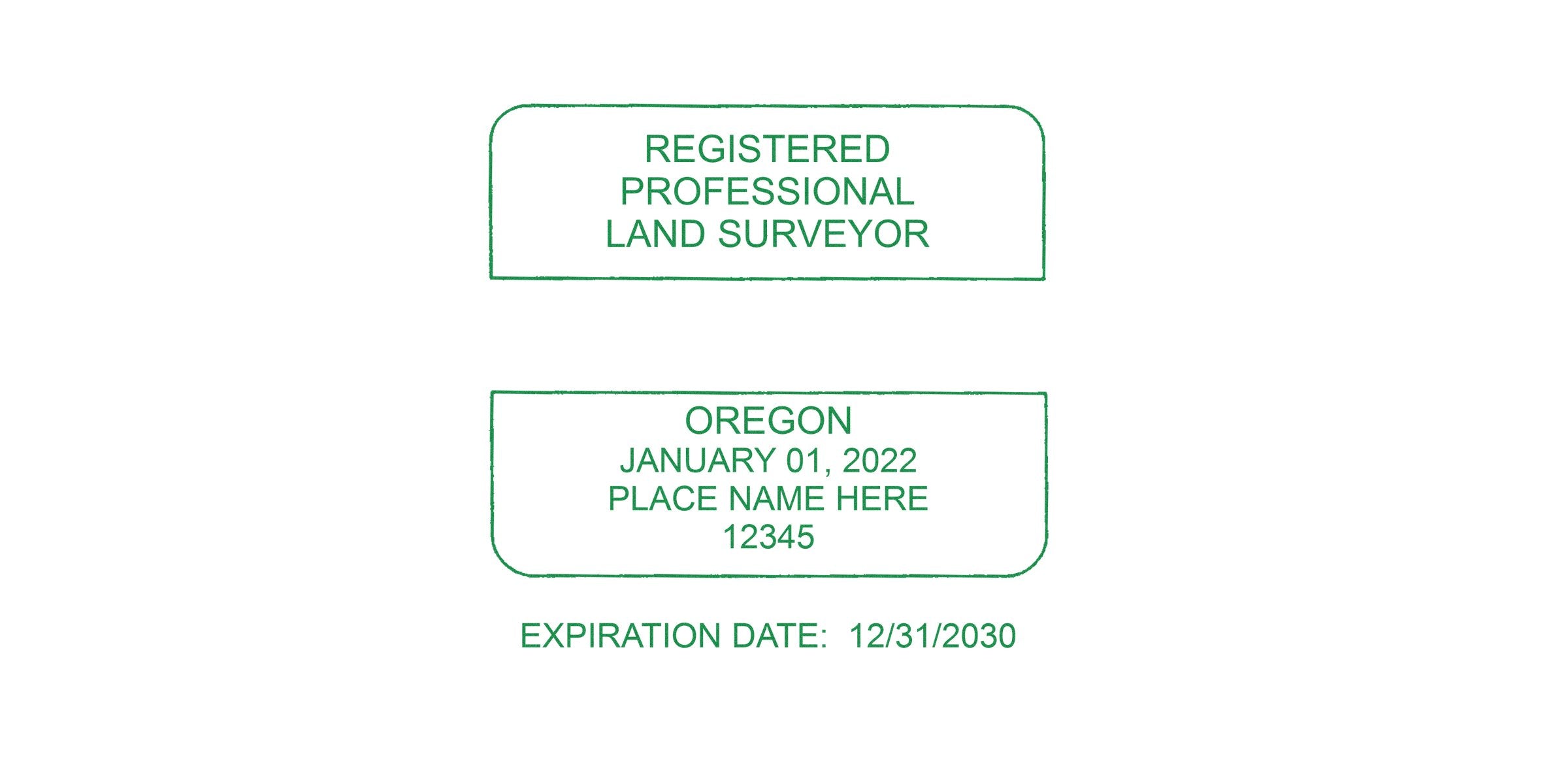
You’ve probably heard about an “oregon land surveyor seal template” if you’re preparing to practice land surveying in Oregon. Perhaps you’re wondering why this template is crucial or how it differs from the physical seal you’ll use to authenticate your drawings. Don’t worry, you’re not alone. Many surveyors experience confusion over how to comply with Oregon’s regulations and which seal designs are acceptable. By the time you finish reading, you’ll have a clear roadmap, from the basic purpose of surveyor seals to choosing a trustworthy supplier for your official stamp or embossing device.
Whether you’re just starting out or looking to refresh your credentials, you’ll learn how to meet the state’s standards while streamlining your work. Let’s get started.
Explore The Purpose Behind Seals
Land surveyor seals play an essential role in validating your professional output, similar to a formal signature that proves your documents are authentic. When you affix a seal, you’re confirming that the details in your survey or report meet Oregon’s legal and technical benchmarks.
Putting your seal on a survey isn’t just about following the rules, either. The seal you use, whether it’s embossed or printed, is a mark of your credibility. It visually demonstrates you’ve taken responsibility for that work. In Oregon, a land surveyor’s seal helps:
- Confirm that you’re licensed to practice in the state.
- Provide a clear professional identity alongside your signature.
- Ensure accountability for boundary lines, legal measurements, and other critical data.
Sealing documents is also about protecting the public trust. People rely on your expertise to define property lines, guide construction projects, and prevent disputes. A properly applied seal is one of the first things a client or public official looks for, so you want it to be accurate and unmistakable.
Meet Oregon's Key Requirements
Oregon’s statutes lay out specific guidelines for how a surveyor’s seal should look and where it should appear. You’ll find details on size, readability, and wording. For a deeper dive, take a look at oregon land surveyor stamp requirements, which break down the state’s rules more thoroughly.
Here’s a quick snapshot of typical requirements:
- The seal must clearly display your name and license number.
- The words “Licensed Professional Land Surveyor” or a similarly approved designation usually appear.
- The seal design must meet the board’s regulations on diameter or shape.
- You should use permanent ink or impression materials on official documents.
Keep in mind that “one size fits all” doesn’t necessarily apply. Rules can change, so stay updated on any changes from Oregon’s professional surveying board. Always verify you’ve got the current standards before ordering or using your seal to avoid compliance mishaps.
Choose The Ideal Template
Templates are the backbone of any well-made seal or stamp. While it might be tempting to grab a generic layout, an Oregon land surveyor seal template ensures you’ll hit all the right notes—from spacing and wording to official sizing. Depending on your personal preference, you might opt for a template designed for an embosser, pre-inked stamp, or even digital use. Here’s what you should consider:
- Verify State Compliance. Make sure you match Oregon’s exact legal language and format.
- Clarity and Readability. Even if it meets the official guidelines, verify the text is easy to read once stamped or embossed.
- Longevity. Choose a template that won’t degrade or look outdated in a few years. Updating to the latest design is fine, but you don’t want a rapid turnover.
- Digital Versions. Some surveyors like to use a digital seal for electronic submissions. Confirm the file is high-resolution so it won’t blur when enlarged.
When you explore different options, pay close attention to whether the text or design can be rearranged. Some states allow customization of outer rings or fonts, while others limit design tweaks to keep everything standardized.
Compare Materials And Formats
Choosing your seal type is a big decision—do you want an inked stamp that you can quickly press onto your documents, or an embosser that physically raises the paper with a crisp impression? The “best” choice depends on your workflow, personal taste, and possible local requirements. Here’s a simple table to help guide you:
| Type of Seal | Material/Ink | Best For | Pros | Cons |
|---|---|---|---|---|
| Embossing Seal | Metal die (no ink) | Formal documents, official letters | Classic look, secure impression | Hard to scan or copy |
| Self-Inking Stamp | Built-in ink pad | Frequent, quick use | Convenient, consistent clarity | Ink pad can dry out over time |
| Pre-Inked Stamp | Gel-based ink | Precision, long-term use | Offers sharp, detailed imprints | Needs refilling eventually |
| Digital Seal File | High-res graphic | Electronic submissions, emailing | Easy to attach or scale | Must ensure security of digital file |
As you can see, each format has its own strengths. If you find yourself sending primarily digital plans, a top-notch digital template will be most helpful. If you love that physical embossed look, you might go for a metal embosser. Because Oregon’s regulations typically allow for multiple seal types, it’s really up to your personal workflow and comfort.
Find A Reliable Supplier
Once you zero in on the right format, the next question is: where do you get the seal? Ideally, you’ll work with a supplier specializing in official stamps and seals, rather than a random print shop that may not fully understand state guidelines.
At Acorn Sales, we’ve been in business since 1964, supplying professional-grade seals and stamps to land surveyors across the country. We pay special attention to detail, ensuring every product meets Oregon’s standards and displays crisp text. You can even receive a free digital seal when you order your physical seal, so you’ll be covered in both paper and digital scenarios.
Reputable suppliers also offer:
- Customizable design to insert your personal info without altering required elements.
- Durable materials that can stand up to rough handling or daily use.
- Ongoing customer support, so you can ask questions if you decide to upgrade or switch.
The biggest advantage to a supplier well-versed in Oregon law is peace of mind. Rather than second-guessing, you’ll know your template and final seal are fully compliant. Plus, a well-made seal spares you the hassle of messy impressions or wasted attempts.
Use these seal-buying tips for extra peace of mind:
- Double-check that your name and license number are spelled correctly before final production.
- Ask about shipping times, especially if you need the seal immediately for a looming deadline.
- Opt for a re-inking or maintenance kit to keep your stamp crisp for years to come.
When you’re confident in both what you need and where to get it, the process of ordering or updating your Oregon land surveyor seal template becomes smooth and worry-free.
Whether you’re validating property lines or submitting official surveys for approval, having the correct seal is an essential piece of your professional toolkit. Make sure to keep an eye on changes from Oregon’s regulatory bodies, and trust a reliable partner to handle your seal production when it’s time to update or replace. By following these steps, you’ll have a seal that stands the test of time, keeps you compliant, and clearly shows the quality of your work. Good luck, and happy surveying!
Frequently Asked Questions
How do I know if my seal design meets Oregon’s regulations?
Stick to the specific guidelines provided by Oregon’s board for land surveyors. If you order from an experienced supplier like Acorn Sales, they’ll verify the design meets the standard requirements.
What’s the difference between an embosser and a rubber stamp?
An embosser creates a raised impression on the paper, while a rubber stamp uses ink. Embossers lend a more official feel, but ink stamps are often faster and easier to duplicate on multiple copies.
Do I need both a physical and a digital seal?
Many surveyors prefer having both. A physical seal is ideal for in-person meetings or mailed documents, whereas a digital seal file is perfect for electronic submissions. Some suppliers bundle these together for added convenience.
How often should I replace my seal?
As long as the seal remains clear and readable, you can continue using it. However, if the impression starts fading or the metal parts show wear, it’s time for a replacement. Always stay updated on any new format requirements from the state.
Why choose Acorn Sales for Oregon seals?
Acorn Sales offers seals tailored to Oregon’s requirements. Plus, you’ll get a free digital seal with your purchase, and a team that’s been perfecting the craft since 1964. It’s simply a dependable, hassle-free way to ensure your professional seal is right on target.








