
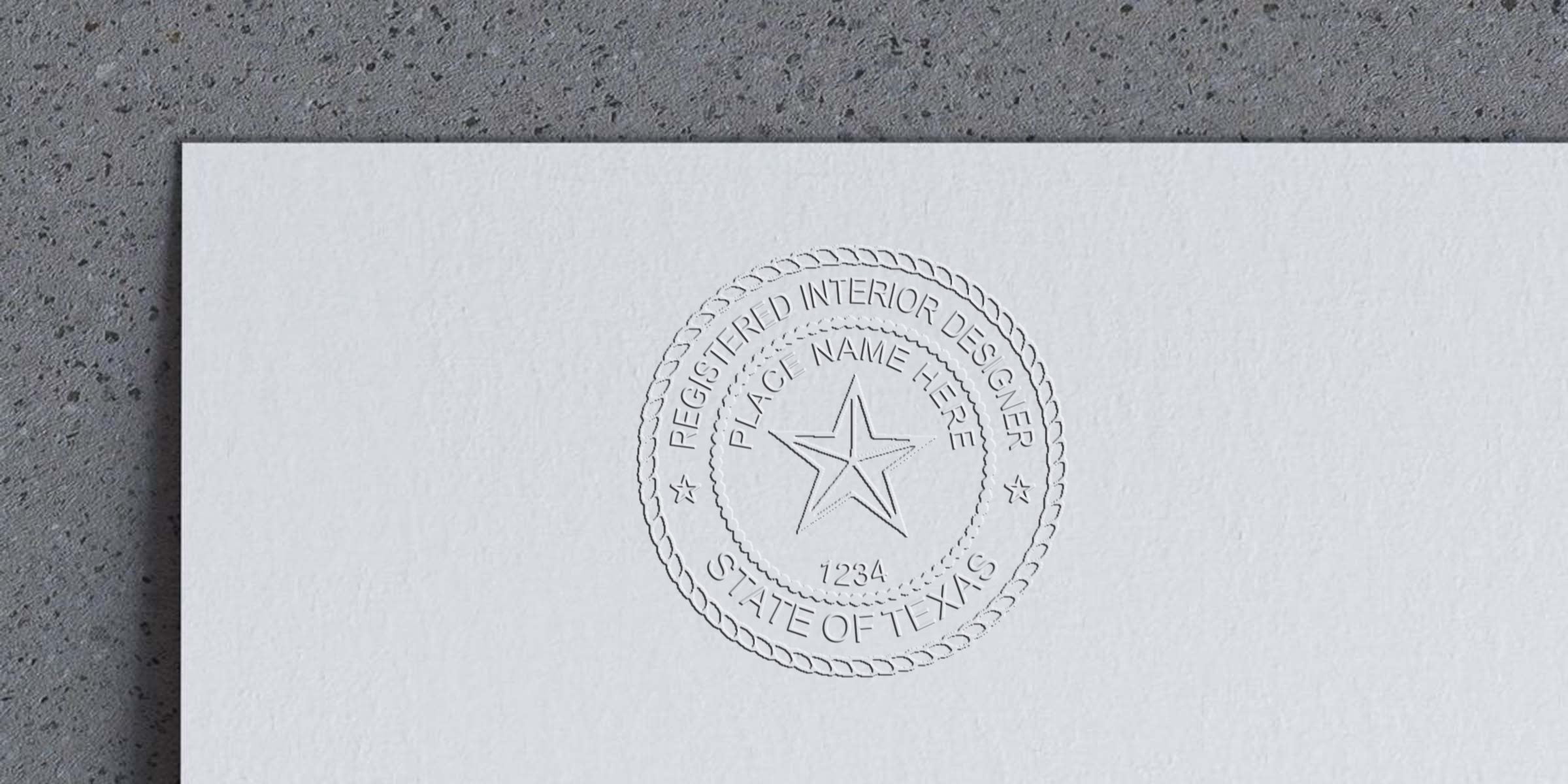
Recognize Why This Seal Matters
If you’re about to embark on your journey as a certified interior designer in Texas, you’ve probably run into plenty of guidelines about documentation, professional conduct, and proper seals. Following Texas Interior Designer Seal design guidelines is more than just a bureaucratic step. Instead, it’s about protecting your professional reputation, making your work legally valid, and demonstrating your commitment to quality.
In Texas, your official seal or stamp acts like a signature that vouches for the integrity of your drawings and professional documents. It instantly conveys, “I take responsibility for this design.” Just like a notary stamp or an architect’s official seal, a Texas Interior Designer Seal stands as a visual verification of your qualifications. When you use one correctly, you reduce questions about your legitimacy and help ensure the public’s trust in your work.
You also show that you’re aware of statewide rules governing interior design. Many clients, contractors, and local authorities expect to see your seal on proposals or final plans. If it’s missing, you might have to reissue documents, which costs you time and headaches. Even worse, ignoring these guidelines can sometimes lead to more serious consequences with regulatory boards. So, by designing a compliant seal (and using it consistently), you’re keeping your practice safe and future-proofing your professional record.
Key Design Elements To Include
When creating a Texas Interior Designer Seal, you want to balance professional appearance with the specific requirements set by state regulations. The seal usually contains your name, your unique license number, and a clear indication of your status as a registered interior designer in Texas. Here are some crucial areas to focus on:
Sizing And Legibility
Your seal can’t be too big, but it also can’t be microscopic. The state guidelines often specify a minimum diameter—typically around 1 to 2 inches. This ensures the text is easy to read, both in physical form and on digital documents. If you opt for something smaller, your details might become blurry or distorted when printed.
One easy way to test legibility is to print a sample of your seal on a regular home or office printer. If you can’t read your license number or name clearly, you’ll probably need to increase the size or clean up the design. Clear lines and crisp font edges ensure your seal stands out.
Required Wording
Texas tends to require exact wording that lets viewers know what type of professional you are. So, if your license reads “Registered Interior Designer,” make sure those words appear on your seal, too. You don’t want to substitute synonyms, abbreviations, or any other phrases that might confuse the licensing board. Using correct terminology helps avoid compliance issues.
It’s also a good idea to make your full name consistent with what appears on your license. If your middle initial is on your license, consider including it on the seal as well. Consistency not only creates a seamless look, but it also prevents any raised eyebrows during document reviews or audits.
Border And Layout
Most seals have a circular design that encloses the details in a neat, professional ring. This shape is standard for many regulated industries, although some states allow a slightly different shape if it meets key requirements. The official border typically consists of a simple line or two encircling the text inside.
Inside that border, your name, designation, and license number typically appear in the center, while the state name and occupation hover around the outskirts. If you’re copying an existing design template, double-check you’re not accidentally inserting the wrong state name or any outdated text. Little slipups can lead to big headaches if the final seal doesn’t align with official instructions.
Meet Legal And Regulatory Requirements
You may be thinking, “This is all well and good, but how do I ensure I’m 100% compliant?” Start by familiarizing yourself with official Texas statutes regarding interior design practices. You can also consult references like the Texas Interior Designer Stamp Requirements to see if there are any recent updates or clarifications.
Double-check whether Texas mandates a specific border thickness or whether you must include “Texas” in a particular font size. Even if it seems like a tiny detail, you want to be absolutely precise. Some interior designers choose to consult an attorney or a compliance specialist, especially before they begin stamping official documents. While that might sound like an extra expense, it could save you from revisiting a project later just to fix compliance issues.
It’s also important to note that your seal doesn’t replace other mandatory markings. Depending on the scope of your projects, you might need to include additional disclaimers or notes about your role. Always check updated references from Texas boards that oversee licensing. Missing or outdated disclaimers can delay your project approvals or, in the worst case, lead to enforcement actions.
Get A Compliant Texas Seal
Securing a quality seal for your documents involves more than just printing a design on a piece of paper. You’ll need reliable materials (like self-inking stamps or sturdy embossers) or an accurate digital template for any e-signatures. Having a dependable provider can streamline this entire process, especially if they specialize in professional seals for Texas interior designers.
Another factor to consider is electronic usage. With so many transactions happening via PDF these days, many interior designers want a digital seal that’s clear and easily placed on official documents. A crisp, high-resolution image helps maintain professional polish, regardless of whether your file is used on a website or in formal submissions. Some suppliers even offer a free electronic seal (a digital file) when you order a physical stamp.
Pay close attention to how your digital seal displays on your drawings. If it appears pixelated or stretched in your PDF viewer, tweak its resolution or import settings. A well-optimized file ensures your seal remains legible wherever it appears. You won’t want anyone squinting at an important blueprint just to read your license number.
Choose Your Trusted Supplier
Having a reliable supplier is a huge relief when you’re juggling tight deadlines and project specs. At Acorn Sales, we’ve been in business since 1964, so you can count on our experience and expertise to deliver top-notch stamps and seals. We know exactly how to craft a Texas Interior Designer Seal that meets the state’s legal and design requirements.
Many of our customers appreciate our clarity about what’s needed for a valid seal. We won’t just hand you a generic rubber stamp. We’ll walk you through the necessary wording, help you confirm your license details, and make sure your final product functions flawlessly. If it’s your first time ordering, this guidance can save you from guesswork or possible reprints.
Plus, we offer a free electronic seal with many of our physical stamp orders. This can be a lifesaver if you’re regularly submitting digital plans to county offices or contractors. You can quickly drop the seal into your CAD drawings, client reports, or email attachments. And if you have any questions, you can simply give us a call or shoot us an email—we’re friendly, straightforward, and ready to help.
Avoid These Common Pitfalls
Even the most seasoned pros sometimes slip up. Whether due to oversight or rushing, a poorly executed Texas Interior Designer Seal can cause project delays and raise questions about credibility. Here are a few pitfalls you can dodge:
-
Wrong Font Or Inconsistent Name
If you accidentally change your name’s spelling or your license number, you could face lengthy re-submissions. Always verify the details with your documentation before finalizing your seal design. -
Cluttered Or Unreadable Layout
Adding too many decorative elements can muddle essential information. Aim for a simple, clear design that places vital details in an easy-to-scan layout. -
Failure To Update
Regulations change occasionally. If you’ve held your license for a while, it’s possible your existing seal no longer meets current requirements. Make it a point to review your seal whenever you renew or update your license. -
Overlooking Electronic Needs
Many official submissions now accept or even require digital files. Having only a physical embosser or stamp might slow you down. Make sure you have a digital version handy. -
Neglecting Professional Oversight
A quick chat with a compliance official or a seasoned stamp provider can reveal new rules or best practices. Professionals who skip this step risk outdated designs that might not pass a formal review.
By getting solid answers to these common questions, you pave the way for a smoother experience in your day-to-day projects. A properly designed Texas Interior Designer Seal demonstrates your credibility, helps you meet regulations, and protects your hard-earned license.
Feel free to try out a draft design or two before finalizing your seal. It’s easier to correct mistakes when you’re still in the concept phase than after you’ve paid for a particular stamp or embosser. If you’re unsure, ask an experienced colleague—or reach out to a trusted supplier like Acorn Sales for reassurance.
Above all, remember that your seal is a representation of your expertise and professionalism. If you take the time to ensure it’s compliant, legible, and visually appealing, you’ll be one step closer to elevating your brand and protecting your work in the Lone Star State.
Frequently Asked Questions
How Do I Know Which Wording Is Required?
The best way to confirm correct phrasing is by consulting official Texas regulations for interior designers. Check your license documentation for the precise title, like “Registered Interior Designer.” Also, explore the Texas Interior Designer Stamp Requirements for the latest guidelines.
Do I Need A Physical Stamp And An Electronic Seal?
That depends on how you typically submit your documents. If you only work with physical blueprints, then a rubber stamp or embosser may suffice. However, if digital submissions are part of your workflow, you’ll want a high-resolution electronic seal. Many designers find it handy to have both.
Is There A Set Size For My Seal?
Texas generally requires that your seal be big enough to remain legible once printed or viewed digitally. Typically, 1 to 2 inches in diameter is acceptable, though you’ll want to confirm state regulations for any official size mandates.
Can I Get By Without Updating My Old Seal?
It’s risky to rely on an outdated seal. If Texas updates its laws or your licensing status changes, your old seal might go against new requirements. Keeping everything in sync with current regulations makes your life easier and avoids potential compliance troubles.
Where Do I Obtain A Compliant Seal?
You can go to a supplier that specializes in professional seals for licensed professionals. At Acorn Sales, we’ve been tailoring seals to meet Texas standards since 1964, and we also provide a free electronic seal with many orders. That way, you have both physical and digital options ready to go.








