
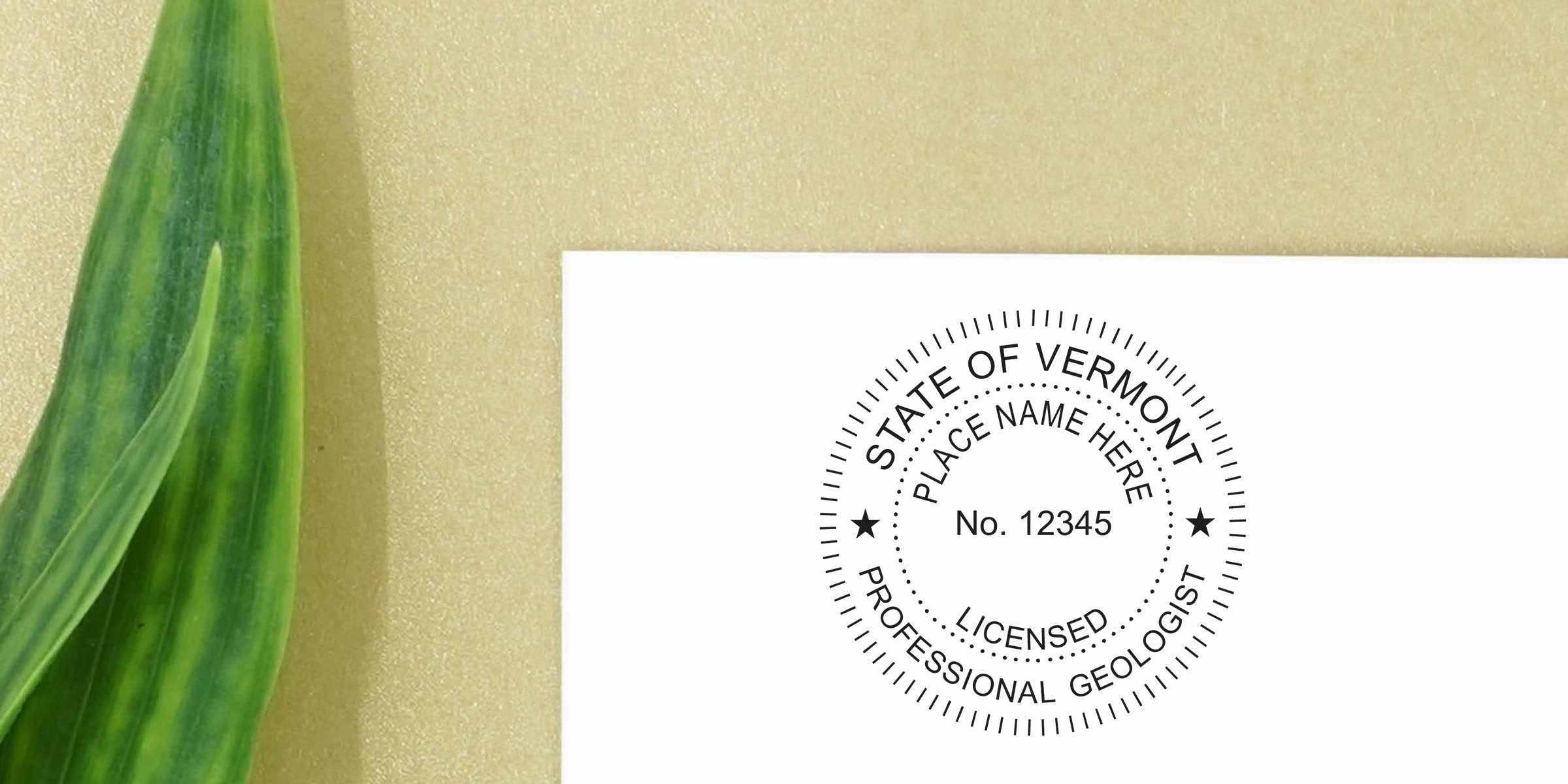
You might be surprised at how much goes into Vermont Geologist Seal Specifications, especially if you’re new to the licensing process. Your professional validation depends on getting your seal just right. In this guide, you’ll discover everything you need to know about format, materials, and official requirements. Think of it like chatting with a friend who’s gone through the whole process already—I’m here to help you avoid any bumps along the way so you can focus on your geological work with total peace of mind.
Explore Regulation Basics
Understanding the rules behind a Vermont geologist seal is your foundation. Each state sets specific guidelines for content, layout, sizing, and usage. Vermont is no exception, and it’s essential to keep your seal consistent with the state’s professional standards.
Why The Seal Matters
For many geology projects, official documentation is incomplete without a seal. State authorities rely on it as proof that a licensed, qualified professional signed off on the work. Without the correct seal, your reports, site evaluations, or geological assessments could be rejected. A well-made seal doesn’t just add credibility—it also ensures you maintain compliance with Vermont’s regulations.
Common Elements Of A Vermont Geologist Seal
Although variations exist based on personal preference, the following features often appear on Vermont geologist seals:
- Your full legal name, matching state records
- The phrase “Professional Geologist” or similar approved terminology
- Your valid license number
- The words “State of Vermont” or “Vermont” to clarify jurisdiction
You’ll notice these details on nearly every official seal used by registered geologists in Vermont. However, it’s still wise to double-check pending changes to local regulations before placing an order for a new seal.
Choose The Right Seal Format
Once you understand the key elements, picking the correct format for your day-to-day work is the next step. Some geologists prefer the crisp, embossed look of a handheld seal. Others lean on sleek pre-inked or self-inking stamps for faster processing. The best format often comes down to personal preference and how frequently you use your seal.
Embossing vs Ink Stamps
Embossing creates a raised impression in the paper, giving your documents a distinctive, professional feel. Ink stamps, on the other hand, lay down ink on the page with a design that’s quick to apply and easy to read.
The table below summarizes the strengths of different seal formats:
| Format | Advantages | Considerations |
|---|---|---|
| Embosser | - Elegant, raised impression | - Harder to reproduce digitally |
| Self-inking | - Fast, no separate ink pad required | - Stamp pad eventually runs out |
| Pre-inked | - Clear, consistent imprint | - Typically costs more upfront |
| Traditional | - Simple, cost-effective | - Requires a separate ink pad |
Picking the right style depends on how often you seal documents, your budget, and whether you value the raised texture of an embossed seal. If you’re looking to streamline your workflow, a self-inking or pre-inked option might suit you better.
Ensure Proper Dimensions
For many professionals, dimension details can be a head-scratcher, especially if you’re new to the process. While Vermont regulations typically mandate a certain seal diameter (often around 1 5/8" to 2"), specifics can vary. That’s why you want to check the latest guidelines or confirm with the official board before finalizing your seal.
Typical Sizing And Layout
Each seal must be large enough to fit your name, license number, and relevant text without cramming the letters together. Aim for a readable, balanced layout. Keep in mind:
- A diameter of about 1 3/4" to 2" usually allows enough space.
- The outer circle often contains “State of Vermont” with “Professional Geologist” in a curved format.
- The center circle carries your name and license number, ensuring clarity and an easy-to-see impression.
Along with meeting Vermont geologist seal specifications, it’s also about presenting a neat professional image. Your seal should be legible at a quick glance, which helps whoever is reviewing or filing your documents.
Maintain Compliance And Professionalism
Beyond getting the right sizing, you need to ensure your seal usage adheres to local laws and professional codes. It’s not just about stamping every page, though. The seal is typically placed near or on your signature, showing that you stand behind the data you’ve provided. If you’re unsure when or how frequently to use the seal, you can always confirm with the licensing board’s official publications.
Trust Acorn Sales For Reliability
Getting the right seal made can be stressful, but that’s where Acorn Sales comes in. We’ve been helping Vermont geologists since 1964 by crafting high-quality stamps and seals that meet professional guidelines. With decades of experience, we know how crucial it is to stay up-to-date with any rule changes. By the way, you’ll also receive a free electronic stamp, so you can authenticate files digitally without hassle. Our goal is to make the process of getting your official Vermont seal smooth and convenient.
Submission And Usage Tips
Once you have the correct seal in hand, how do you make sure you’re applying it properly to all your professional documents? Start by reviewing the relevant guidelines on what documents require a stamp or seal and what you can omit. Then, keep that knowledge close at hand—some geologists keep a quick checklist pinned to their office wall for easy reference.
You should also be aware of the difference between stamping original documents versus reproductions. Many boards require that the seal appear on official copies only, ensuring you don’t inadvertently misuse it. A physical seal is an unmistakable way to confirm your role in the report’s creation, while you might use your electronic version for quick digital submissions.
It’s also a good idea to consult the vermont geologist stamp requirements for further clarity on acceptable formats, color usage, or text size. You don’t want to learn at the last minute that your red ink stamp or stylized script is out of compliance. A short read can save you major headaches later.
Common Errors To Avoid
Sometimes, small missteps can delay a project’s progress or even lead to rejections. Here are a few pitfalls you’d do well to dodge:
- Not Double-Checking Spelling: A minor typo in your name or license number renders your seal invalid.
- Misplacing The Seal: Position it where required, typically near your signature or the title page.
- Over-Stamping: Not every page needs to be sealed—read the board’s guidelines on which pages are essential.
- Using The Wrong Format: Ensure your embosser or stamp meets vertical and horizontal spacing rules.
Keeping these mistakes at bay is key in successfully meeting Vermont geologist seal specifications so your professional materials always pass scrutiny.
Summarize Your Next Steps
Bottom line? You’ll want to settle on a seal design that aligns with Vermont’s guidelines, measure it properly, and exercise care when stamping official documents. Along the way, lean on a trusted supplier like Acorn Sales. We’ve been in business since 1964, working to provide top-quality products and timely advice for professionals like you.
If you’re ever unsure about a particular aspect of the seal or the regulations, don’t hesitate to seek official updates. It’s better to confirm than to re-do an entire batch of documents. Once you have your seal in perfect shape, you’ll be amazed at how confident you feel handing any official paperwork to clients, employers, or government agencies.
By following these guidelines and referencing the relevant resources, you’ll set yourself up for success. Your Vermont geologist seal is a reflection of your professional standing, so it deserves careful attention. Good luck, and happy stamping!
Frequently Asked Questions
Do I Need A Certain Diameter For My Vermont Geologist Seal?
Yes, Vermont typically requires a seal diameter of around 1 5/8" to 2". That said, guidelines can change, so confirm sizes before you order your seal.
Can I Use A Digital Seal Instead Of A Physical Stamp?
You can use a digital seal in many cases, but confirm with the board first. Some documents still need a physical seal for proper validation. Vendors like Acorn Sales include a free electronic stamp to cover your digital needs.
Where Should I Place My Seal On Documents?
Most often, the seal goes near your signature block or on the title page, if required. Check Vermont rules to see exactly where the seal needs to appear so it’s immediately visible to reviewers.
What Happens If I Misspell My Name On The Seal?
You’ll need to replace it. Any inaccuracies in the name or license number can make the seal invalid. It’s best to double-check the spelling against your official license records before ordering.
Who Should I Contact If I’m Unsure About Requirements?
Always start with the Vermont professional licensing board or official government pages that outline the regulations. You can also consult vermont geologist stamp requirements for an overview, then call or email the board to confirm specifics.








