
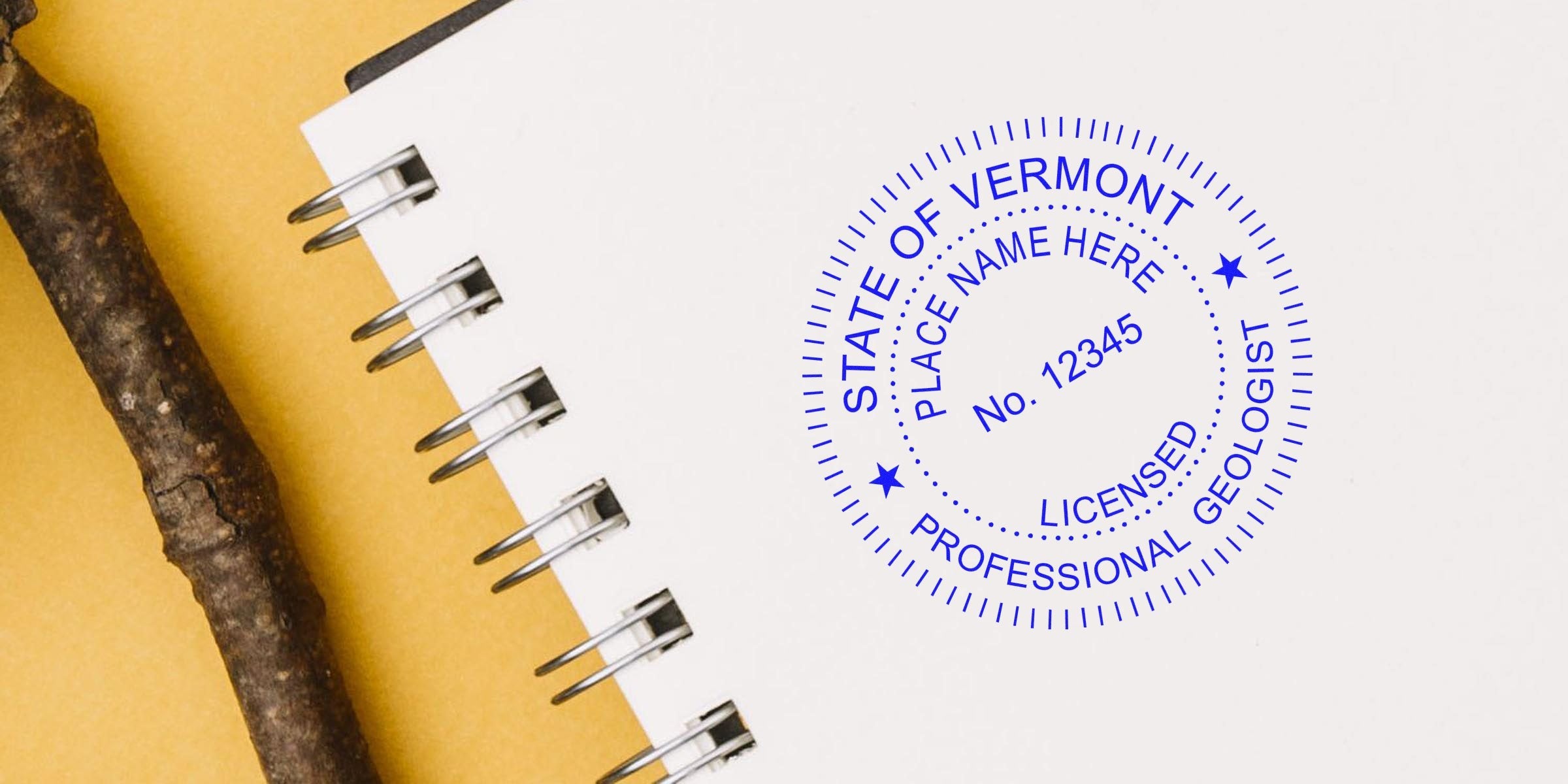
If you’re a practicing geologist in Vermont, you’ve probably heard about the Vermont professional geologist stamp. It’s not just a formality, but a key part of your professional toolkit. Think of it like an official handshake that certifies your drawings, reports, and other documentation under state regulations. In this guide, you’ll learn why the stamp matters, what seal formats are available, and how to keep it in top shape for years. By the end, you’ll feel confident navigating your responsibilities as a licensed geologist in the Green Mountain State.
Discover The Vermont Professional Geologist Stamp
You might be wondering why you need a Vermont professional geologist stamp in the first place. The most obvious reason is compliance. According to Vermont’s licensing standards, professional geologists must affix a recognized stamp or seal to specific documents. That tells clients, employers, and state boards that your content meets the standards expected of a licensed expert.
Yet there’s a bit more to it than legal requirements. Your stamp symbolizes professional ethics and expertise. Whenever you place it on a report, it shows that you stand behind your findings and are accountable for the conclusions you’ve reached.
Core Benefits Of Having The Stamp
- Establishes Formally Licensed Status: It communicates that your credentials are up to date and your work is valid under Vermont regulations.
- Reinforces Credibility: Clients or agencies see the seal and instantly know your materials come from a trained, recognized geologist.
- Protects Consumers: The stamp helps ensure that only properly licensed professionals are signing off on technical work, safeguarding the public interest.
If you’re just starting to explore Vermont geologist stamp requirements, knowing these benefits can help you understand why properly stamping your documents matters so much.
Meet Basic Licensing Requirements
Before your stamp sees any paper, you have to secure your license. That means meeting Vermont’s educational background, experience, and exam prerequisites. Although each case can differ, you typically must complete a geology-related degree and perform a set number of supervised hours in the field. You might also need to pass standardized tests that measure your geological knowledge and understanding of ethical standards.
Steps To Get Licensed
- Earn Your Degree: A bachelor’s or higher in geology or a closely related field is often the first step.
- Gain Field Experience: Spend time apprenticing under a licensed geologist, working on real-life projects that hone your skills.
- Pass Required Exams: Some states have specific exams, while others rely on national boards. Vermont requires you to follow the official guidelines spelled out on their licensing page.
- Submit An Application: Fill out the paperwork, pay the required fee, and provide any additional documents that prove your qualifications.
Once commissioned, you’ll receive the official thumbs-up to use a Vermont professional geologist stamp or seal on the materials you prepare. Remember, your license must be kept current. Watch renewal dates and keep track of continuing education credits if needed. By staying compliant, you’ll ensure your stamp and credentials remain valid.
Know Common Seal Formats
When it comes time to place your seal on official documents, you have a few choices. Some geologists prefer a rubber stamp for everyday use, while others favor an embossed seal or an electronic format. The Vermont licensing board typically specifies the layout—often a circular imprint with your name, license number, and the words “Professional Geologist” and “State of Vermont.”
Types Of Stamps And Seals
- Rubber Stamps: These are cost-effective and easy to re-ink. They’re especially handy if you stamp a high volume of documents.
- Embossers: These produce a raised impression, giving you a classy, professional look. However, they may be a bit bulky to carry around.
- Self-Inking Stamps: Similar to rubber stamps, these come with built-in ink pads and can produce clean imprints quickly.
- Electronic Seals: By using a digital file, you can place your seal onto PDF documents without printing. They’re excellent for remote and efficient workflows.
You might eventually want more than one style. For instance, you can keep a self-inking stamp in your office and an embosser for official presentations. Additionally, more states and institutions are growing comfortable with electronic seals. They’re convenient, help reduce paper usage, and save you time if you frequently draft digital documents.
Follow Usage Guidelines
Even if you’ve picked out a spectacular seal design, you can’t just stamp everything in sight. Vermont’s regulations outline when and how your seal should be used. Typically, you’ll apply the stamp on final versions of reports, geological evaluations, and other forms of technical documentation submitted to clients, government agencies, or private institutions.
Best Practices For Proper Usage
- Use On Final Documents Only: Don’t stamp early drafts. This prevents confusion about whether a document is preliminary or official.
- Include Signature And Date: Sign across or near the seal, adding the date for clarity. It shows exactly when you certified the material.
- Avoid Unauthorized Sharing: Never let unlicensed individuals apply your stamp. You’re responsible for anything bearing your seal.
- Keep Up With Changes: Check Vermont’s administrative rules periodically to ensure your sealing practice remains compliant.
Remember, your seal usage comes down to accountability. Be selective and intentional about when you stamp. That way, you preserve the integrity of every document you touch.
Rely On Acorn Sales
When you’re ready to invest in a Vermont professional geologist stamp, it’s wise to choose a trusted supplier with a track record of quality. Acorn Sales has been in business since 1964, providing reliable stamps and seals to professionals across the country. What sets Acorn Sales apart is our commitment to your convenience. You’ll get a free electronic stamp alongside your physical seal, ensuring you’re equipped for both paper and digital workflows.
What You Get With Acorn Sales
- High-Quality Materials: We insist on durable products that stand up to daily use in busy offices.
- Compliance With State Rules: Our stamps are designed to meet Vermont’s specifications, so you can order with peace of mind.
- Free Electronic Stamp Included: Having that digital file at your fingertips makes it much easier to sign off on PDF documents.
- Decades Of Expertise: Since 1964, we’ve served contractors, architects, engineers, and geologists, always focusing on precise, easy-to-use seals.
By partnering with Acorn Sales, you’ll skip the hassle of guesswork and jump straight into stamping with confidence. Whether you prefer a self-inker, an embosser, or both, you’ll find a solution that fits your style.
Maintain Your Stamp
Sure, you want to get your stamp or embosser set up right away. But it’s important to think about long-term care too. You might be surprised at how a little maintenance can keep your impressions crisp and the mechanism working well.
Simple Care Tips
- Store It Correctly: Keep your stamp in a drawer or protective case. Too much sun exposure can dry out the ink, while dust can build up in crevices.
- Re-Ink Periodically: If you notice faint or uneven stamping, it’s time for more ink. Most self-inking units have a refillable ink pad.
- Clean The Surface: Residue can appear from repeated stamping on textured paper. Gently wipe down the stamp surface with a damp cloth.
- Replace Worn Parts: If any spring or handle piece becomes loose, it’s worth replacing that part rather than risking messy impressions.
An embosser might need a slightly different approach. Keep the die clean of dust and occasionally check the alignment. If you see uneven embossing, gently reposition the plates or consult your supplier for a replacement part.
Before you finalize your next geological report, make sure your stamp is up to par. The Vermont professional geologist stamp is about more than meeting a legal checkbox; it’s a sign of experience, ethics, and accountability. By learning the state’s rules, picking the right seal format, and partnering with a reliable supplier like Acorn Sales, you’ll be well on your way to building a credible, compliant career in geology.
Got questions or a personal tip about using stamps efficiently? Feel free to share. You never know, your advice might be exactly what another Vermont geologist needs.
Frequently Asked Questions
Do I Need A Special Design For Vermont?
Yes, Vermont has specific seal guidelines, usually outlined by the licensing board. Make sure your name, license number, and the words “Professional Geologist” appear in the circle. That design might already be standard at reputable suppliers, but double-check the final layout before you order.
How Often Should I Renew My License?
License renewal periods vary. Typically, you’ll renew every one or two years, but check with the Vermont board for exact dates and fees. Pay attention to continuing education requirements, if any, to ensure you’re always eligible to use your stamp.
What Documents Require Stamping?
Typically, final professional reports or documents that hold legal or regulatory importance need your stamp. If you’re unsure, consult your local or state guidelines. Sometimes preliminary drafts don’t require a stamp, but final versions do.
Can I Use An Electronic Stamp For All Documents?
Many institutions now accept digital seals, but some might require a physical impression. When in doubt, ask your client or the relevant agency if electronic versions are valid. If you do use an electronic seal, remember to sign and date it digitally as well.
Where Can I Order A Compliant Stamp?
You can find officially recognized stamps and seals through Acorn Sales, a trusted supplier since 1964. We match designs to Vermont’s requirements and include a free electronic stamp in your order, making it simple for you to transition between paper and digital workflows.








