
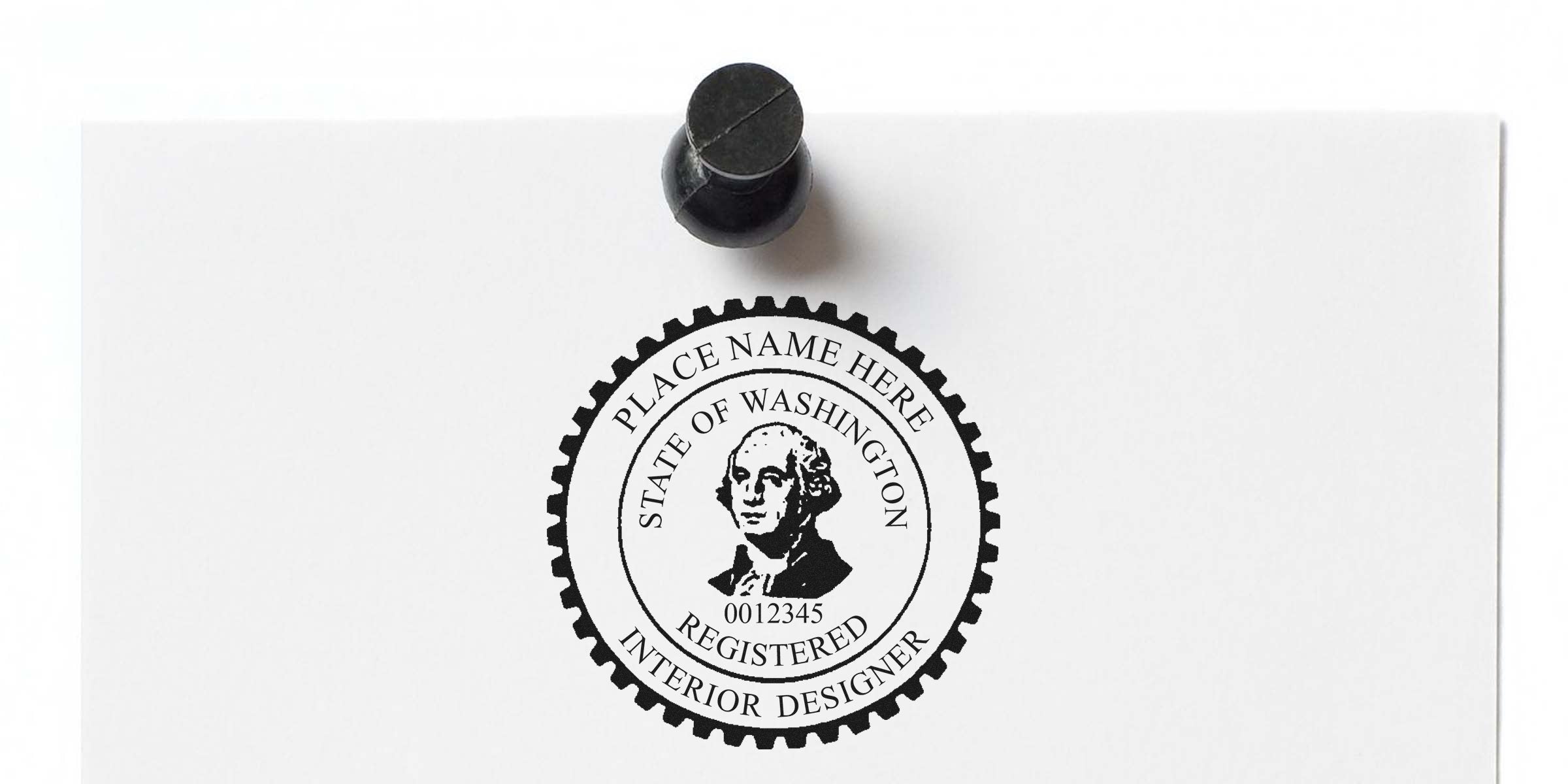
Are you tackling the design of your Washington interior designer stamp and feeling unsure about the key rules? Ease that stress. Washington expects interior designers like you to follow specific guidelines when creating official stamps or seals, and these details can seem a bit daunting at first. But once you understand the fundamentals, you’ll be able to move forward with confidence and keep your projects on firm legal footing. In this post, you’ll find a clear breakdown of essential Washington interior designer stamp design rules, plus helpful tips for staying compliant.
Understand Washington Stamp Basics
Before diving into the core requirements, it’s worth clarifying what a Washington interior designer stamp (sometimes called a seal) actually does. Think of it as your professional signature. You use it to certify plans, add a layer of authority, and confirm that you’re operating within state regulations. The state of Washington wants your stamp to reflect your credentials. As a result, there are certain mandatory features and layout elements you’ll need to include.
The Role of Stamps and Seals
Why does Washington require a distinct interior designer stamp? It’s part of the regulatory process to protect consumer safety and uphold industry standards. Every time you place your stamp on designs, you’re providing an assurance that your work:
- Meets local code and licensing standards
- Follows the ethical guidelines recommended by relevant professional boards
- Stands up to official verification, should any legal concerns arise
In short, your seal is your public statement of accountability. If a project calls your expertise into question, your properly designed stamp can help reinforce that you followed the rules laid out for licensed interior designers.
Why It’s Mandatory
You might wonder, “Can’t I just sign my name and be done?” In Washington, that doesn’t cut it if you practice as a licensed interior designer. Washington’s legal requirements typically specify that official plans be sealed with an approved stamp. Whether you’re submitting floor plans for new construction or verifying an interior layout, the state wants a clearly legible mark that links the drawings to your professional identity. This helps officials, clients, and colleagues recognize your credentials at a glance.
Know the Core Design Rules
Once you understand why the stamp is mandatory, it’s time to explore the actual design elements. Washington interior designer stamp design rules revolve around three main areas: sizing, wording, and overall layout. Your job is to make sure each category meets the state’s criteria—no guesswork, no shortcuts.
Proper Sizing and Layout
In most cases, Washington requires the stamp to be circular or rectangular with a diameter (or width) that’s large enough to remain readable. Don’t shrink it to the point where no one can make out your license details. On the flip side, you don’t want it so big that it overwhelms your drawings. Look for a comfortable midpoint—enough space to show your name, license number, and any text Washington wants on your seal.
A good rule of thumb is to check official guidelines for recommended dimensions. Generally, you’ll see stamps between 1 and 2 inches in diameter. It’s wise to confirm your final design satisfies the relevant boards. If you’re unsure, consider consulting a resource like the Washington interior designer stamp requirements for more detailed specifications.
Required Text
According to Washington’s parameters, the text within your seal must:
- Identify you by name exactly as it appears on your official license (including middle initials or suffixes if required).
- Include your license number in a conspicuous spot.
- State your professional title, such as “Washington Licensed Interior Designer,” if that applies.
Every piece of information should be distinctly legible. Avoid fancy scripts or cluttered graphics. Washington inspectors will want to read your name and license number in a snap. If they can’t, your stamp might be considered invalid, which is obviously not a situation you want.
Symbol Requirements
Some designers like to incorporate artistic logos into their stamps, but be careful. Washington typically requires only professional or state-identified symbols, not decorative flourishes. Check to see if you’re allowed to add the state seal or a niche design that represents interior design. Often, the simplest approach is best: a neatly contained circle or rectangle that includes the required details without extraneous design elements.
Obtain Your Official Stamp Or Seal
Now that the design guidelines are clearer, how do you actually get your Washington interior designer stamp made? While you can design your own layout, it’s best to work with a reliable stamp or seal maker who knows state standards. You want a high-quality product that produces crisp impressions every time.
The Application Process
You normally won’t be able to order your official stamp until you’ve finalized your license through Washington’s interior design board or relevant licensing authority. That means you’ll need:
- Confirmation of your license or authorization
- The exact spelling of your full legal name
- Your license or registration number
After you gather those details, you can create a digital proof for your stamp or rely on your chosen vendor to manage the design. In many cases, the vendor will require your licensing details to ensure you’re purchasing an authorized stamp. Once you approve the final layout, they’ll produce and ship it to you.
Common Pitfalls To Avoid
It’s easy to overlook small design mistakes that might cause big issues down the road. Here are typical errors interior designers encounter:
- Using a nickname or shortened name on the stamp (instead of the official name on your license).
- Placing the wrong license number due to a typographical error.
- Overcrowding the seal with too much text or an overly ornate design.
- Ordering from a supplier that hasn’t confirmed your credentials or doesn’t follow Washington’s guidelines.
By double-checking these areas, you can sidestep production delays and potential compliance infractions. After all, redoing an entire batch of stamps is an expense and time sink you’d rather avoid.
Keep Up With Legal Compliance
Once you have your official seal in hand, your job isn’t done. Washington also has rules about when and how you apply the stamp, how documents should be dated, and how to store records. Learning to manage these routine tasks saves you from stress—particularly if your work is ever audited.
Routine Use of Your Stamp
Under Washington regulations, you’ll typically apply your stamp to final drawings and official documentation submitted to building authorities. This means plans for new construction, remodels, or any major interior upgrade that demands a professional stamp. Remember to sign and date the stamped area as well. Some city or county departments require an original seal with wet ink, while others accept digitally stamped documents. Always check local guidelines to be sure you’re in line with current rules.
Record-Keeping for Your Projects
It’s especially important to keep solid records of all your sealed documents. Store digital copies in a secure format, and hang onto physical copies for a recommended number of years. In many cases, local building departments will scan your designs for their archives, but you still want your own system. If an issue ever arises, you’ll have evidence showing which plans you sealed and when you sealed them.
Renewal Periods
While regulations can vary, many licenses require periodic renewal—sometimes annually, sometimes every few years. When your license is due for renewal, confirm that none of your details have changed. If you moved or changed your name, for example, you’ll likely need a new stamp that reflects your updated information. This keeps your credentials valid under Washington’s licensing rules.
Work With A Trusted Supplier
With so many rules swirling through your head, you might wonder where to find a reputable stamp provider who understands Washington’s guidelines. That’s where Acorn Sales can step in. We’ve been in business since 1964, serving professionals nationwide with high-quality stamps and seals. If you have questions about layout, wording, or anything else, you can count on personal guidance and speedy service.
Why Experience Matters
When you order from a supplier with decades of experience, you gain peace of mind that your stamp will meet Washington’s exact requirements. Our team has worked with countless interior designers, architects, and other licensed experts. We know the typical pitfalls, and we’ll help you dodge them. Plus, there’s no guesswork on your end—just a high-quality seal that comes out crisp and clear whenever you use it.
Enjoy A Free Electronic Seal
Along with physical stamps, many professionals now rely on digital seals for electronic submissions. In fact, some jurisdictions prefer digital files for easier record-keeping. At Acorn Sales, you get a free electronic seal with every order, so you’re fully equipped to handle both paper and online workflows. Simply let us know you’d like the electronic version, and we’ll make sure you receive one.
A One-Stop Experience
Because we’ve helped thousands of clients design, update, and replace their official seals, we can guide you from application through printing. If you already have a design in mind, we’ll check that it meets state guidelines. If you need help creating one from scratch, we can do that too. Our mission is to simplify the entire process so you can focus on what you do best—transforming interiors with top-notch creativity and professional skill.
Final Thoughts
Designing and using your Washington interior designer stamp properly is vital for demonstrating your professional accountability. From making sure you have the right fonts, formatting, and license details to understanding the local building department’s take on wet-ink versus digital versions, it can feel like a lot. Still, a little preparation goes a long way. Once you’re set up with a compliant seal, you’ll breeze through approvals, give clients peace of mind, and keep your projects rolling smoothly.
Ready to get started? Consider browsing your state’s regulations and verifying that you’ve included every required element. If you still have questions about what to include or how to stay legally compliant, check out the Washington interior designer stamp requirements or consult Acorn Sales for personalized guidance. We’re here to help you finalize your stamping needs so you can focus on designing beautiful interiors with complete confidence.
Frequently Asked Questions
What Are the Standard Dimensions for a Washington Interior Designer Stamp?
Washington doesn’t enforce an exact size for interior designer stamps, but 1.5 to 2 inches in diameter (for a circular design) or width (for a rectangular design) is common. Aim for something clearly readable, while still physically fitting on most project documents.
When Do I Need To Update My Washington Interior Designer Stamp?
You should update it whenever your licensing details change, such as a name change or license renewal with a new number. Double-check official Washington guidelines regularly to ensure your stamp is always accurate. Also, if your license renewal date passes, even if the stamp physically looks fine, it’s not valid until your license is renewed.
Is a Digital Stamp Acceptable in Washington?
In many cases, yes. A digital stamp is acceptable if it matches the same licensed information and overall layout the state requires for physical versions. You often attach it to PDF documents or other file formats for electronic submissions. However, always confirm with local building jurisdictions to confirm digital acceptance rules, because each one can have slightly different guidelines.
Where Can I Buy an Official Washington Interior Designer Stamp?
You can source your official stamp from any reputable maker that follows Washington’s guidelines, but it’s often best to rely on a specialized vendor. At Acorn Sales, we’ve been in business since 1964 providing reliable stamps and seals nationwide. We’ll not only ensure that your stamp matches all mandated requirements, but we’ll include a free electronic seal so you’re prepared for digital submissions too.








