
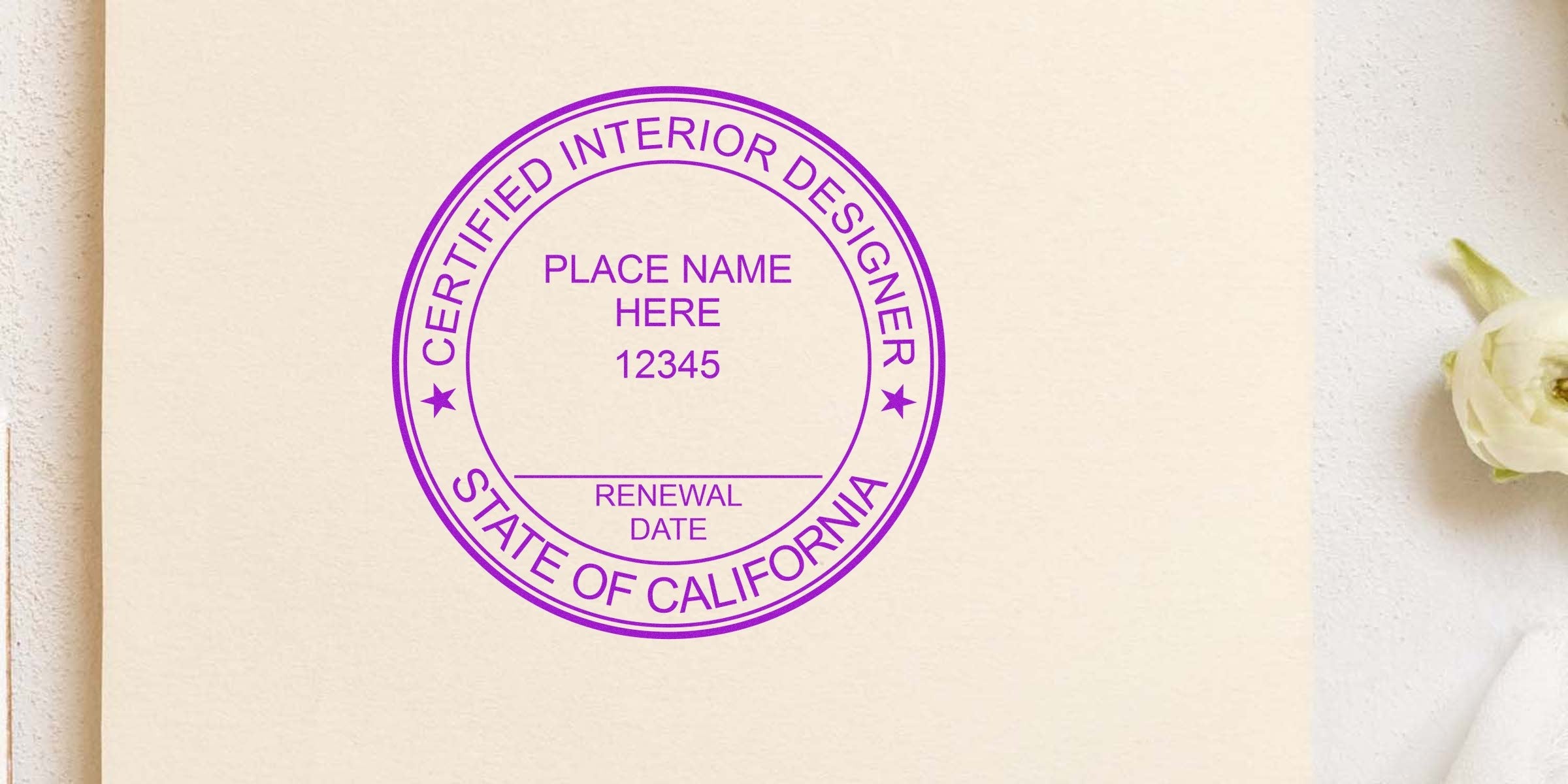
Are you searching for California interior designer stamp information to ensure you meet state regulations and present your design documents professionally? You’re in good company. Figuring out when and how to use a stamp or seal can be confusing, especially with multiple requirements floating around. This post aims to clarify those rules, show you how to choose the best stamp design, and keep you fully compliant with California’s standards. By the time we’re done, you’ll know exactly how to get the right stamp, apply it correctly, and maintain records like a pro.
Below, we’ll explore the regulatory expectations you should be aware of, detail the essential components of a valid stamp or seal, and even highlight where you can get your stamp (hint: we’ll talk about Acorn Sales, which has been in business since 1964 and offers a free electronic stamp). Along the way, we’ll also slip in practical tips to help you avoid common missteps. Ready? Let’s dive in.
Understand California Interior Designer Requirements
Meeting California interior designer requirements takes more than raw creativity. While your design flair is crucial, it’s equally important to comply with state guidelines on document stamping. You might be wondering: Why do you need a stamp in the first place?
Why You Need a Stamp or Seal
Your stamp or seal, in many ways, represents your professional identity. It’s a sign that your plans meet California’s guidelines and that you hold the appropriate credentials to practice as an interior designer. Stamp requirements vary by jurisdiction, but in California, presenting stamped drawings assures clients, contractors, and regulatory bodies that you’ve taken the official steps to produce legitimate work.
- Provides professional validation of your layout or design
- Conveys your accountability and credibility
- Helps avoid legal headaches by confirming official compliance
In short, it’s not just about tradition or aesthetics. It’s a protective measure, showing you take your responsibilities seriously.
Regulatory Bodies and Guidelines
California is known for rigorous rules regarding architecture, engineering, and interior design. Depending on your specific scope of work, your sealing requirements may fall under the watchful eye of state boards or local building departments. Each entity might have different requests regarding the wording, placement, and usage of your stamp.
- The California Architects Board sometimes overlaps with interior design guidelines when structural changes are involved.
- Certain counties or municipalities could have unique submission requirements for remodeling or new construction.
Be sure to confirm which local or regional authority approves your plans. That knowledge sets the foundation for how you’ll customize and use your California interior designer stamp.
Choosing the Right Design for Your Stamp
You have a vision for your project, but have you considered how your stamp’s design might reflect who you are as a practitioner? It might sound mundane, yet the details matter. A properly designed stamp not only meets legal standards but also looks neat and polished on your documents.
Essential Elements of a California Interior Designer Stamp
Not all stamps are interchangeable, and certain elements are usually required. Make sure your chosen stamp includes:
- Your name, as it appears on your official certification
- Your California interior designer license or registration number (if applicable)
- A functional border or shape that clearly defines the stamp area
- The phrase “California Interior Designer” or something similar, if mandated by local regulations
When in doubt, check the specific california interior designer stamp requirements to see if you need extra text or a particular arrangement. Staying informed ahead of time helps you avoid costly reordering or rejection of your submittals.
Common Mistakes to Avoid
One of the biggest pitfalls is forgetting to verify your legal name or license information. A small typo might seem harmless, but it can cause major headaches down the road. Also, be cautious with overly decorative fonts or unnecessary graphics. While it’s tempting to think your stamp should reflect your branding, clarity takes top priority.
- Double-check your license or certification details before finalizing the stamp
- Confirm that your chosen font size is legible and meets local guidelines
- Avoid using a personal logo that confuses or overshadows the required text
If you’re uncertain, ask a peer or a mentor to review your stamp design. A quick second opinion can save you a lot of frustration and rework.
How To Use Your Stamp and Seal Correctly
So you’ve designed your stamp. Fantastic. But the next step is using it correctly when submitting interior design plans in California. The rules for where and when to apply your seal might vary slightly based on city or county, so accuracy is key.
Proper Placement and Timing
Placement often depends on the type of documents you’re stamping. Are you sealing final construction drawings, or do you just need a preliminary approval? Some regions require your stamp to be near the title block, while others want it on each page.
- Stamp at the final stage of your design documents, when you’re ready to submit for permit approval
- Place your stamp in a visible spot, usually in the lower right corner or close to the signature line
- Always apply your seal consistently, so officials and contractors instantly know where to look
If you have multiple pages, some authorities want you to stamp every single sheet. Others are fine with a cover page stamp plus a mention in each drawing set. Either way, confirm how many times you need to stamp to avoid confusion or rejection of your documents.
Electronic Stamps and Seals
Electronic seals are becoming more popular. These digital files can be applied to PDFs or other electronic documents, streamlining your overall workflow. The beauty of an e-stamp is that it allows you to submit plans without ever physically touching ink to paper, which can prove especially handy if you work with virtual teams or provide remote consulting.
Acorn Sales offers a free electronic stamp with many of their physical stamp purchases, so you’ll have both options at your disposal. This convenience means you can toggle between digital or paper-based stamping as needed, ensuring you stay productive—and fully compliant.
Where To Buy Your Stamp or Seal
Now that you understand the nuts and bolts, it’s time to pick a reliable source for your California interior designer stamp. Sure, you could shop around at big-box office supply stores, but specialized stamp providers typically know the local regulations best.
Acorn Sales: A Trusted Choice
Acorn Sales has been a go-to supplier for stamps and seals since 1964, which means they’ve seen the industry evolve over decades. If you’re searching for guidance on California interior designer stamp information, their staff is well-versed in current standards and can help you design a stamp that meets every rule.
They also bundle a free electronic stamp, so you can easily attach your seal to digital submissions. Plus, their consistency in quality means your physical stamp will produce sharp, professional impressions each time. After all, no one wants a smudged or illegible seal on an official document.
Their long-standing history in the business gives them an edge in understanding the nuances of different states, counties, and even smaller jurisdictions. They know the pitfalls designers face, so they’re primed to answer your questions in a straightforward, friendly manner.
What To Expect During Purchase
Getting your stamp from Acorn Sales (or any reputable vendor) is a pretty smooth process. Typically, you’ll be asked to provide your name, license details, and any specific text or phrase required by the state. Ensure your spelling and details are correct. The vendor will then show you a proof. Give it a thorough review to confirm it matches your official credentials perfectly.
Once you approve the design proof, the production stage starts. Shipping times vary, but you can generally expect your item in a few business days. Some companies, like Acorn Sales, can expedite orders if you’re in a time crunch.
Tips For Maintaining Compliance
Buying and using your stamp is only half the story. You’ll also need to maintain it properly, keep up with any renewal or re-registration processes, and make sure you don’t misuse it. Even a small oversight can cause big headaches if your projects are delayed by the building department.
Recordkeeping and Renewal
You might wonder, “Do I need to renew my stamp?” Most of the time, the physical stamp itself doesn’t expire, but your registration or license might require periodic updates. An outdated license number could invalidate your stamping privileges.
- Keep a digital log of your stamp usage, including the date and purpose
- Mark your calendar for license renewal deadlines
- If you change your name or license status, get a new stamp reflecting that change
This effort ensures that when a building department or client asks for verification, you’ll have all the documents right at your fingertips. Clear recordkeeping also helps in case of legal disputes or client inquiries.
Avoiding Unauthorized Use
Your stamp is tied to your professional credentials, so you have a responsibility to keep it safe. Allowing another designer, manager, or vendor to use your seal (even if you trust them) opens the door to unauthorized or misleading activity. The second someone else uses your stamp, it can compromise not only your professional standing but also any insurance or liability protections you have.
- Store your physical stamp in a secure place, like a locked drawer or cabinet
- Safeguard your digital stamp files behind secure passwords or encrypted drives
- Never lend your stamp to anyone, even if they’re a close colleague
If you suspect misuse, take quick action by contacting the relevant regulatory bodies. Transparency helps maintain the integrity of your work and protects your reputation in the industry.
Additional Resources
Staying updated with rules and best practices can be a game-changer for any interior designer. If you need more in-depth explanations, check the california interior designer stamp requirements for additional insights. You’ll find specifics about required text, size, and even design variations allowed by California’s regulations.
Feel free to revisit this guide whenever you need clarity or encouragement. Taking the time to understand and properly use your California interior designer stamp is an investment in your professional future. You’ll breeze through building department approvals and gain greater confidence in the documents you submit. Plus, your clients will appreciate the reassurance of seeing that official, up-to-date stamp on every plan, knowing you’re well within the lines of regulatory compliance.
If you have more questions, you can always reach out to Acorn Sales or consult the appropriate California regulatory agencies. When you’re ready to get your own stamp, remember that Acorn Sales offers both physical and electronic solutions with decades of expertise behind them. A precise seal, combined with thorough knowledge of local rules, will go a long way in helping you stand out as a top-notch interior designer in California. Good luck!
Frequently Asked Questions
Do I need a separate seal for each project?
Typically, one stamp or seal design—physical and/or electronic—can be used across multiple projects. Just be sure to keep it updated if any of your licensing details change.
Can I reuse my old stamp from another state?
Generally, no. States have different requirements, so a seal designed for one state typically won’t meet another’s formatting rules. Always use a stamp specifically crafted for California if you’re practicing in the state.
What if I work with other designers who need to sign off on the same set of plans?
They should have their own individual stamps or seals, reflecting their credentials and accountability. Each professional is responsible for their portion of the design, so it’s best that each has a personal legal mark.
Does an electronic stamp have the same legal standing as a physical one?
In most cases, yes. California tends to accept electronic stamps if they fulfill the necessary security and authenticity requirements. Just ensure your e-stamp meets the same guidelines as a physical seal.








