
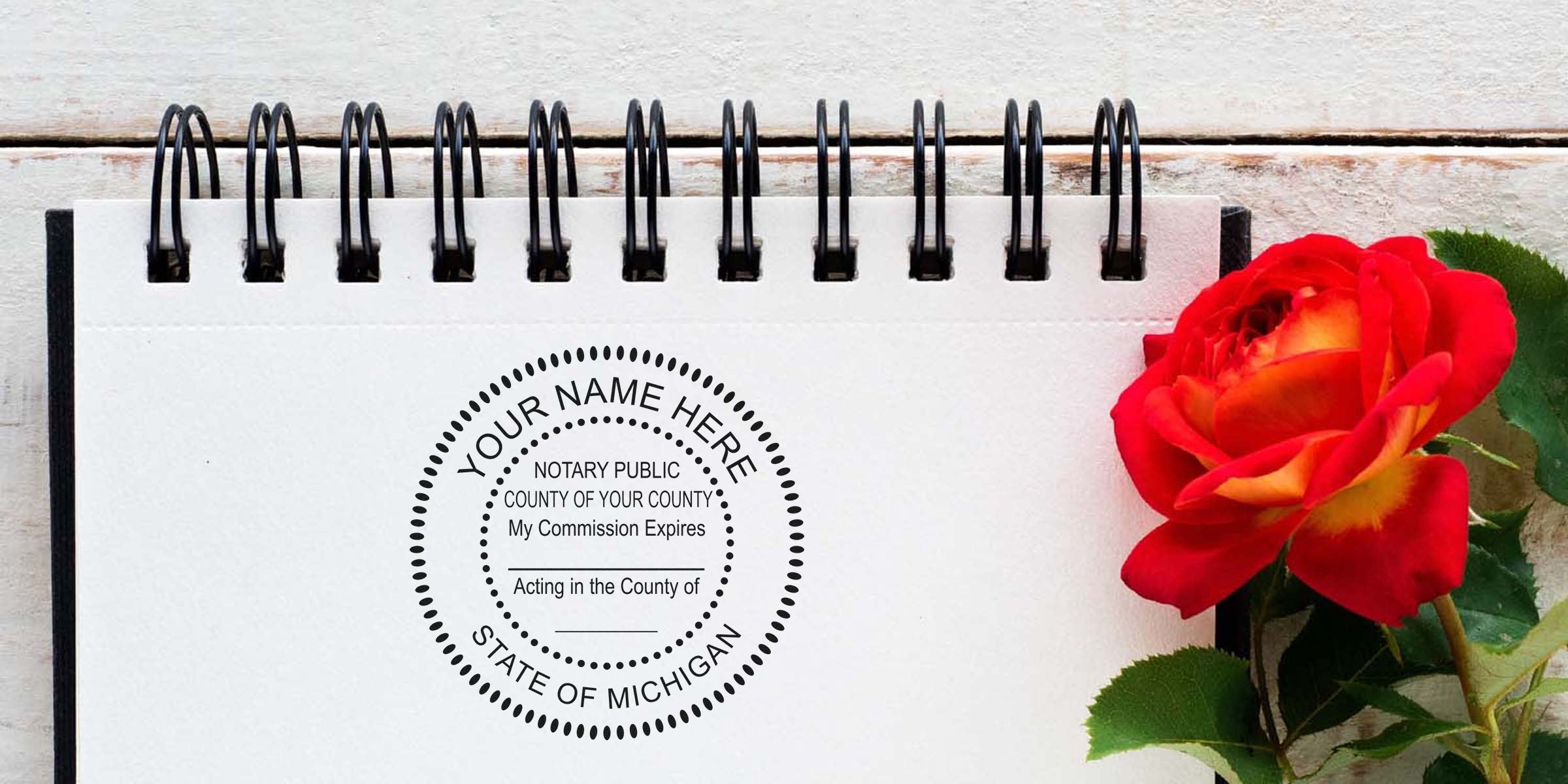
In Michigan, your notary seal carries a lot of weight. If you’re trying to understand michigan notary seal requirements or planning to renew your commission soon, you’ll want to get these rules right. A properly executed seal helps validate your notarized documents, ensuring every signature you witness is legal and binding. Below, you’ll find everything you need to stay compliant and confident in your notary role.
Understand State Requirements
Before you rush to pick a seal, take a moment to learn the basics. Michigan law indicates you must include specific details on every official impression you make. These typically include:
- The words “Notary Public” and “State of Michigan.”
- Your name, as commissioned.
- Your county of commission.
- Your commission’s expiration date.
It’s a good idea to keep a copy of the relevant statute handy. If you ever run into confusion, consult Michigan’s notary handbook or check official state resources. Double-check that your seal is legible, because smudged or faint impressions may not meet official standards.
Choose Seal Formats
Your seal can come in various forms, but each option must meet the state’s legibility guidelines. You can opt for a self-inking stamp or an embosser, depending on your comfort and preference. Here’s a simple comparison:
| Seal Type | Pros | Cons |
|---|---|---|
| Ink Stamp | Quick, easy to use, clear imprint | May need replacing if ink runs dry |
| Embosser | Creates raised impression, hard to forge | Can be tougher to read on photocopies |
If you need further guidance on which stamp layout is ideal for you, see our detailed tips in michigan notary stamp requirements. You’ll learn about recommended dimensions and extra design considerations to ensure clarity.
Avoid Common Mistakes
When it comes to fulfilling your seal responsibilities, small errors can lead to big headaches. Here are a few pitfalls to steer clear of:
- Forgetting to re-ink: Always test your seal before any major paperwork.
- Misaligning your stamp: Place your imprint where it won’t overlap text.
- Overlooking state updates: Laws do change. Stay current with any new notary legislation.
It may sound straightforward, but these minor details can save you from having documents rejected or facing possible penalties.
Work With Trusted Vendors
Purchasing an official seal is about reliability and accuracy. At Acorn Sales, we’ve been a stamp-and-seal maker for over 60 years. Our quick turnaround times and fully compliant seals help your notary practice run smoothly. Whether you need a brand-new seal or plan to replace an old one, check out our wide range of michigan notary supplies to find everything from stamps to embossers.
If you’re specifically after an ink-based option that meets all the required guidelines, you can explore our extensive lineup of michigan notary seal products. Each one is crafted to meet and exceed state regulations.
In the end, meeting these requirements is all about clarity and consistency. Your notary seal is essential for document authentication, so it pays to get it right. With the right equipment and a firm understanding of Michigan’s rules, you’ll provide trusted service to your community and avoid any legal hiccups along the way. If you’re ready to make a purchase or simply want to upgrade, Acorn Sales is here to help every step of the way. Feel free to explore our website for the latest in Michigan-compliant stamps and seals!
Frequently Asked Questions
What must be included on a Michigan notary seal imprint?
You should include your name as commissioned, the words “Notary Public” and “State of Michigan,” the county where you’re commissioned, and your commission expiration date.
Can I use a different name on my seal than what’s on my commission?
No. The name on your seal must exactly match your officially commissioned name.
Is an embosser required, or is an ink stamp enough?
Michigan allows both, as long as the imprint is clear and legible. Each option must feature the required elements.
How often should I replace my stamp or embosser?
Replace it whenever impressions become unclear. Old stamps can produce incomplete ink transfers or worn embossing.
Do I need multiple seals or stamps as a backup?
It’s never a bad idea. A backup means you’ll be ready if your primary seal malfunctions, runs out of ink, or gets misplaced.








