
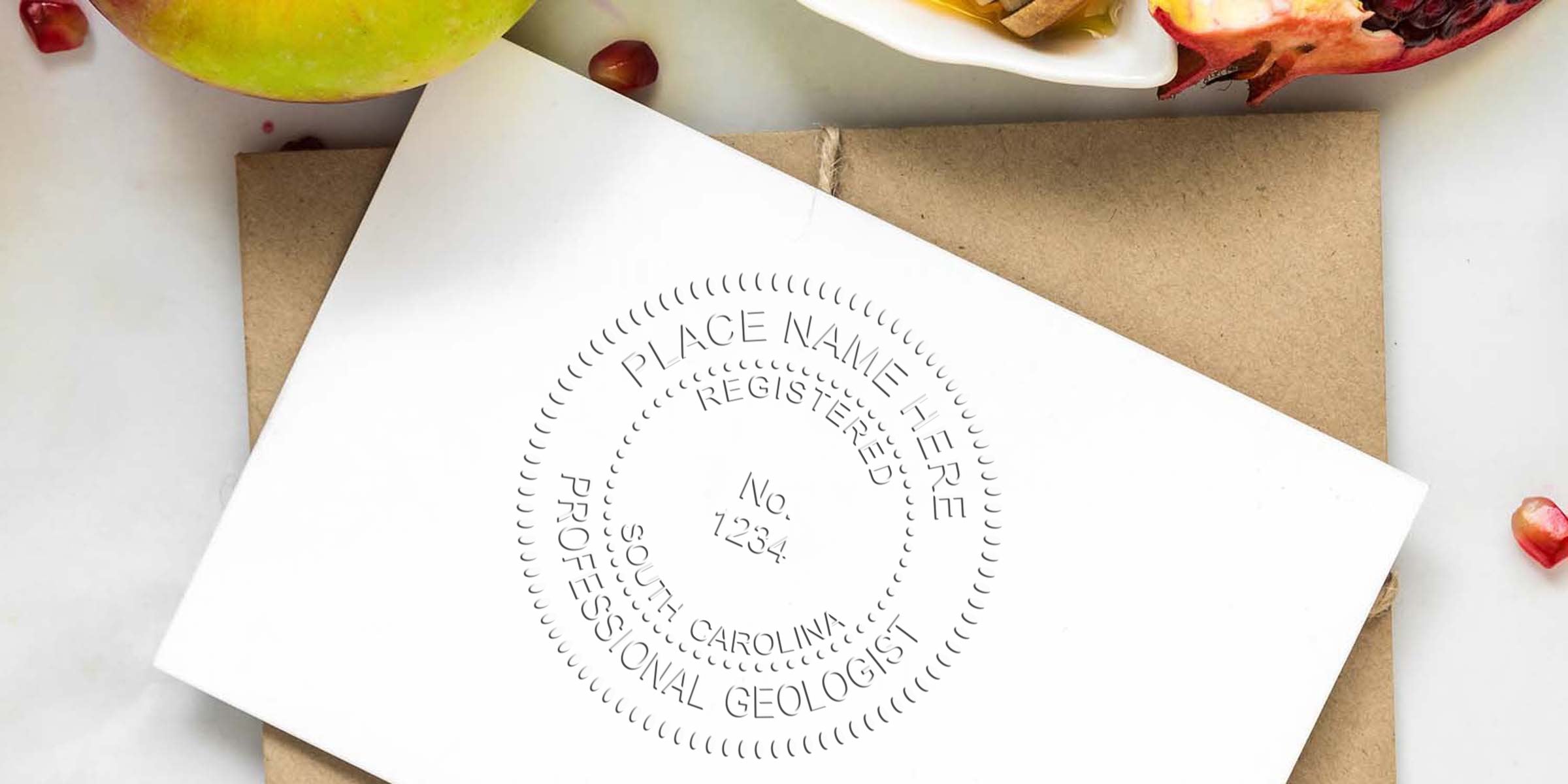
Natural resources play a huge role in South Carolina’s economic and environmental landscape, and geologists like you help ensure that everything stays in balance. But to practice legally in this state, you need to follow specific South Carolina geologist stamp requirements. By staying up-to-date on these rules, you not only maintain your credibility but also deliver top-notch work to your clients and colleagues. In this article, we’ll walk you through how to meet these requirements, where to get your stamp or seal, and how often you have to renew. Let’s dive in.
Understand The Board’s Role
When it comes to professional licensing in South Carolina, the state’s Board of Professional Geologists (part of the Department of Labor, Licensing and Regulation) sets the tone. They’re responsible for making sure geologists meet the education, ethics, and practice standards needed to protect the public.
- The Board determines who qualifies for licensure as a geologist.
- They also outline the paperwork and proof needed to keep that license active.
- Once you’re licensed, the Board provides guidelines on how your seal or stamp must look and how it should be used.
If you want to read the latest details or confirm you’re still in line with official policies, consider reviewing south carolina geologist stamp regulations and south carolina geologist stamp guidelines. This is where you’ll find the official word on what the Board expects concerning designs, ink color, and even embossers.
Overview Of The Required Seal And Stamp
A geologist stamp, sometimes referred to as a seal, is more than just ink on paper. It’s an official mark that represents your professional endorsement of the work you produce. South Carolina rules specify the elements that must be included on your geologist seal:
- Your name as it appears on your license.
- The words “Professional Geologist” or similar wording that indicates your discipline.
- The state reference, typically “State of South Carolina.”
- A clear border that encloses or frames the text.
Some geologists prefer a digital stamp, while others go for a physical embosser or an ink stamp. No matter which one you use, be sure it meets the Board’s specifications. You can also look at south carolina professional geologist seal or south carolina geologist seal design to see examples of what an approved seal typically looks like.
Meeting The Design Specifications
South Carolina geologist stamp requirements extend beyond just having your name and title. The Board is clear about dimensions, legibility, and overall appearance. Here are a few essentials:
- Diameter Or Size: Most stamps measure around 1 5/8 inches to 2 inches in diameter.
- Text Font: The font should be easily readable, with your license number clearly indicated.
- Border Style: Circular borders are most common, but triangular or other shapes might be allowed if they meet guidelines.
If you’re ever unsure about specifics, check out south carolina geologist stamp specifications. That resource breaks down the general shape, text layout, and acceptable fonts or border forms. You’ll also find tips on how to avoid pitfalls such as overcrowded text.
Steps To Obtain Your Stamp
Acquiring your seal is surprisingly straightforward once you have your license. Here’s a quick checklist to walk you through the process:
- Confirm Your License: Make sure you have an active license from the South Carolina Board of Professional Geologists.
- Research Trusted Suppliers: Look for a vendor that specializes in professional stamps. Acorn Sales, for example, has been in business since 1964 and provides a free digital seal when you order.
- Place Your Order: You’ll need to supply your name, license number, and any customization details, such as a preference for an embosser or an ink stamp.
- Verify Compliance: Double-check that the design meets Board guidelines. If you’re worried about missing something, you can also consult south carolina geologist stamp guidelines once more.
- Keep The Receipt: You might need proof of purchase for your records, especially if the Board performs an audit.
Your next step is to figure out which format is best for you. Some people like the clean look of an embosser, while others prefer the convenience of an ink stamp. Either way, make sure you’re shopping at a reputable place that knows the ins and outs of geologist stamps and seals in South Carolina.
If you’re concerned about pricing or want a more detailed overview, check south carolina geologist stamp cost. It breaks down typical price ranges, additional fees, and factors like shipping or extra customizations.
Renewal Requirements
Once you’ve got your stamp, you’ll need to keep it current. Your license isn’t a one-and-done deal. The Board requires periodic renewals to ensure you’re still practicing ethically and staying current with industry standards.
- Renewal Interval: Typically every two years, but always confirm with the Board
- Continuing Education: You may need a set number of continuing education hours or credits before renewal
- Updated Stamp: If your license number changes for any reason, or if there’s a design update, you may need a new stamp
To understand these specifics, you can look at south carolina geologist stamp renewal. Failing to renew could mean practicing without a valid license, which puts both your career and legal standing at risk. And if your license lapses, you might have to reapply or pay extra fees to get everything back in good stead.
Best Practices For Usage
Simply having a stamp isn’t enough. You should also know how to stamp properly to meet all of South Carolina’s guidelines. After all, each time you apply that seal, you’re certifying that your project meets professional standards.
- Consistent Placement: Apply your stamp to documents in the spot the Board recommends (often near your signature or in a designated seal block).
- Clear Impression: Ensure the inked or embossed image is crisp and legible. If your stamp’s impression is blurred, it may invalidate the document.
- Secure Storage: Keep your stamp in a locked drawer when not in use, especially if you work in a shared space.
For those who love a traditional raised imprint, south carolina geologist stamp embossing can help you see what an embossed seal looks like and how to handle it. If you plan to upgrade your toolkit, consider a specialized south carolina geologist stamp embosser, which applies a distinctive raised mark to your documents.
Common Mistakes To Avoid
Even seasoned geologists can slip up with their stamps. A quick glance at the most common oversights can help you steer clear of bigger problems:
- Using A Non-Compliant Stamp: Always verify your stamp’s design before you order.
- Ink Fading: Keep an eye on your ink level. A patchy impression can lead to rejection of your reports.
- Over-Stamping: Stamping pages unrelated to your work, or stamping multiple times on one page, can confuse reviewers or project authorities.
- Misplacing Your Stamp: Losing your stamp not only puts your professional image at risk but could also enable unauthorized use by others.
The key is to stay organized. Keep your stamp in a safe place, use it responsibly, and double-check each impression before finalizing your paperwork.
Conclusion
Making sure you meet every South Carolina geologist stamp requirement doesn’t have to be overwhelming. Once you grasp the Board’s expectations, secure a compliant design, and stay on top of renewals, you’ll enjoy a seamless professional workflow. Keep in mind that Acorn Sales has been helping geologists with stamps and seals since 1964, providing both physical and digital options. With the right tools in hand, you’ll be free to focus on what truly matters, which is delivering accurate research and trusted geological insights.
If you have more questions, don’t hesitate to check out the resources we’ve linked or reach out so we can help you stay fully compliant. By using a seal that aligns with South Carolina geologist stamp requirements, you’ll protect your professional standing and keep your projects on track. Happy stamping!
Frequently Asked Questions
Do I Need A Seal Or A Stamp, Or Both?
You can usually pick which best suits your needs, but stamps and seals typically serve the same official purpose. Some geologists use a traditional metal embosser, while others prefer an ink stamp for convenience. Either way, make sure it meets the Board’s guidelines.
What If My Stamp Is Lost Or Stolen?
Report it immediately to the Board, and then arrange for a new one as soon as possible. You don’t want someone else imitating your professional seal without permission.
Does The Board Require A Raised Seal Or An Inked Stamp?
The Board usually accepts both, but always confirm current guidelines. An embossed seal provides a raised impression, while an inked stamp is flatter but often just as valid.
How Often Must I Renew My Stamp?
The stamp itself doesn’t have an expiration date, but your license does. Renewing your license is typically a biennial process, and you’ll need to ensure your seal still matches the most recent state requirements.
Are Digital Forms Accepted?
Many offices accept digital seals when properly verified. Acorn Sales, for example, includes a free digital seal with your purchase to help you meet electronic document requirements.








