
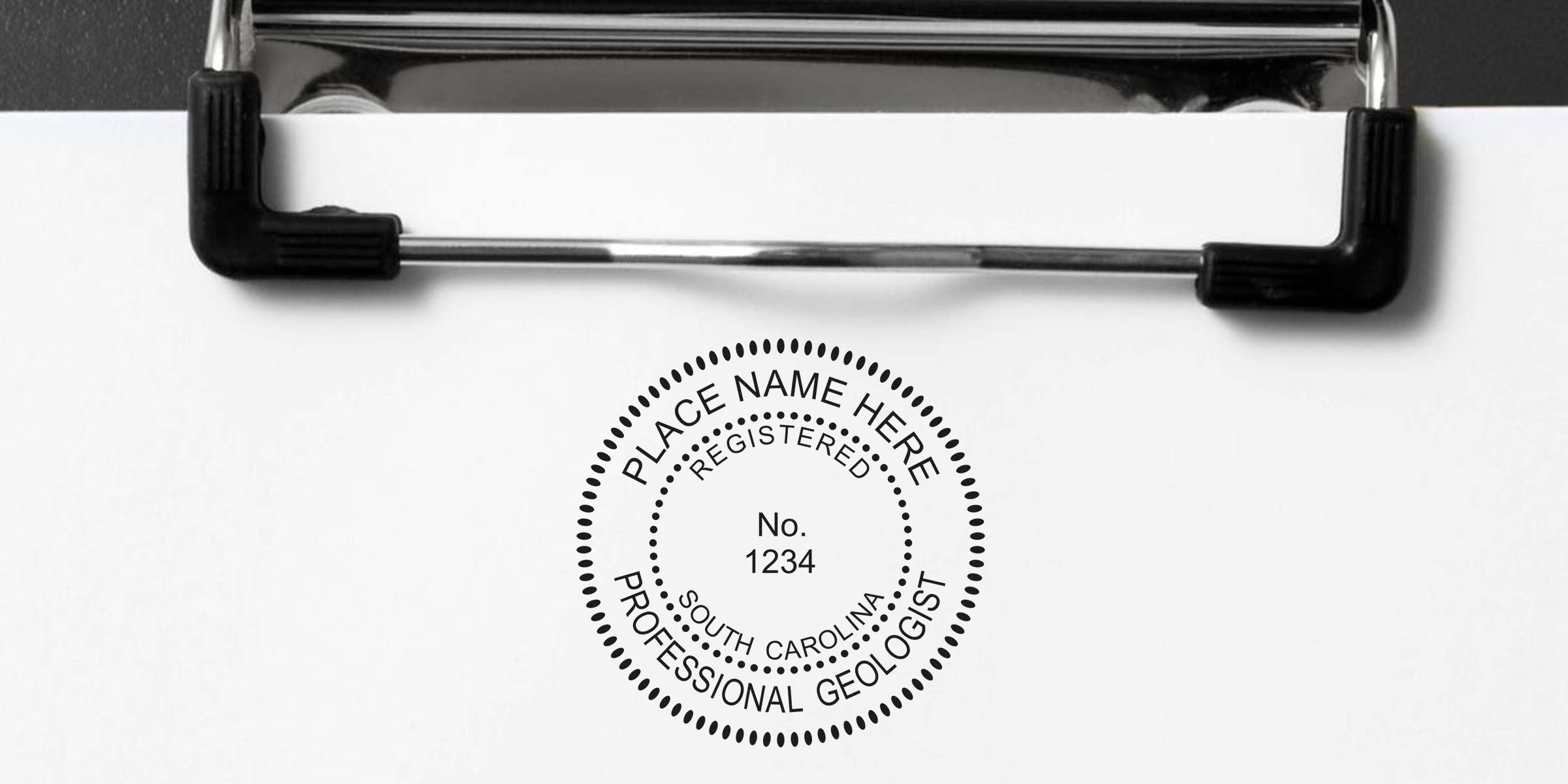
If you’re a professional geologist or planning to become one in South Carolina, you might already sense the importance of proper documentation and official seals. Right out of the gate, the South Carolina geologist stamp guidelines come into play. These rules aren’t just bureaucratic hoops. They protect your work, ensure public safety, and help maintain the integrity of your profession. With the right stamp or seal, you certify that your work meets state standards and that you stand behind your findings. Whether you’re fresh to the field or just need a refresher, let’s walk through the essential details to keep you in the know.
Below, you’ll find a clear breakdown of everything from the required information on your stamp to how you can stay compliant over the long haul. Ready? Let’s dive in.
Understand the Stamp Guidelines
When it comes to geologist stamps in South Carolina, clarity is key. You’ll want to confirm that your stamp includes all the elements required by the state licensing board. While exact wording can shift over time, most guidelines specify that your name, license number, and the proper designation (e.g., “Professional Geologist” or “PG”) must appear on the seal or stamp. This ensures anyone reviewing your documents knows you’re a legitimate professional in good standing with the state.
That level of transparency matters. Think about it: if someone receives a geologic report or blueprint that’s bearing a stamp, they expect the content has been verified by a certified expert. This eliminates guesswork for third parties, clients, and government agencies. They can see your stamp and immediately understand a seasoned professional produced the work.
- The stamp helps differentiate your contributions from unlicensed or unverified work.
- It’s also proof you’ve followed South Carolina’s official processes and passed the state’s rigor for licensure.
If you’re ever unsure about any specifics, you can always check south carolina geologist stamp requirements for more details. Regulations can evolve, so it’s a good idea to periodically review them. You’ll be one step closer to ensuring every report you sign off on meets legal and regulatory standards.
Know the Required Stamp Elements
So, what exactly does your seal need to include? Typically, you’ll see these elements in bulletproof fashion:
-
Your full legal name:
Make sure the name on your seal matches the name under which you’re licensed. Any variation could call your compliance into question. -
Your license number:
This number is like your professional ID. It demonstrates you’ve been vetted by South Carolina’s licensing board. -
Professional Geologist (PG) designation:
Some seals may simply say “Geologist” or “Professional Geologist,” but be sure to follow the state’s precise language so you’re always compliant. -
The words “State of South Carolina”:
That phrase clarifies your area of licensure and your authority to practice geology within state lines.
Keep in mind, the arrangement of these elements is also important. Most guidelines specify an outer circle with the state name and an inner circle bearing your name, license number, and professional title. If you’re shopping for a new stamp, ensure the template you choose matches current standards. Otherwise, you risk the unfortunate scenario of having your stamp rejected.
Confirm the Purpose and Use
Beyond just having the correct layout, it’s crucial to use your geologist stamp appropriately. This might sound obvious, but it’s worth highlighting. Every time you apply your stamp, it conveys that you’re signing off on the data, calculations, and interpretations in that document. You’re not just stamping for fun. In other words:
- Apply your seal to final documents, not drafts or incomplete drawings.
- Only stamp content within your area of expertise, sticking close to the scope of your professional license.
- Keep your stamp secure so no one else can misuse it or apply it without your permission.
The stamp also helps you remain accountable for your work. Let’s say you issue a geological report on groundwater contamination. By placing your stamp on that document, you confirm you stand by every conclusion inside, including the data sources and the recommended remediation steps. It’s a statement of quality and credibility. That’s a big deal, so be sure to protect your seal from unauthorized use.
Understand the Difference Between a Digital Seal and a Traditional Stamp
Paper or online, the rules for presenting your geologist credentials don’t vary much. While old-school ink stamps give a comforting tactile sense of legitimacy, many professionals prefer digital seals. They’re easy to place on PDF documents and they don’t risk smudging. Plus, if you often send electronic copies of your geological surveys, a digital seal can streamline the entire approval flow.
The state typically allows both forms, but you’ll want to confirm whether your local regulatory board imposes any special guidelines for electronically sealed documents. Check if they require specific software or encryption. Also ensure that any digital seal images are high resolution, protecting them from fuzzy lines or potential tampering. Accuracy is non-negotiable; you want every detail of your name, license number, and the state name to be crystal clear.
Obtain Your Stamp in Four Simple Steps
Many geologists assume the process of getting an official stamp is complicated. Fear not, it’s usually straightforward:
-
Gather Your License Details
Make sure you have your name and license number exactly as listed on official documents. Double-check to prevent typographical errors that may invalidate your stamp later. -
Choose a Vendor
Pick a trusted provider, such as Acorn Sales, that specializes in professional stamps and seals. Experience matters because they can guide you on design nuances and compliance updates. -
Specify Format and Style
Do you prefer a self-inking stamp, a pre-inked option, or a traditional hand-stamp? Also, decide if you need a standalone digital seal or a packaged deal that includes both. -
Confirm the Proof
Vendors typically provide a proof that shows how your stamp will look. Always review it carefully and ensure the design meets current state guidelines before giving the final okay.
Once your stamp arrives, store it with care. Whether it’s on your desk or in a locked cabinet, you want to keep it safe from accidental misuse. You’ll also want to create a habit of applying it in a clean, consistent manner for maximum clarity on your documents.
Maintain Legibility and Durability
In the rush of project deadlines, it’s easy to overlook the minor details of how your stamp looks on paper. But smudges or faded impressions can cause headaches. If the licensing board or a client can’t read your stamp, it might be rejected. That’s why taking a few moments to ensure clarity is worth it:
- Use high-quality ink that won’t blur.
- Press evenly to avoid partial imprints.
- Keep the stamp clean, removing any dried ink or dust.
- Replace ink pads before they fully dry out.
When you’re repeatedly stamping large volumes of documents, a self-inking device can save both time and effort. You’ll get consistent results and often reduce smudging. If you’re going the handstamp route, just press firmly and lift straight up instead of rocking side to side. Those smaller details can make your stamp sharp and legible every time.
Avoid Common Pitfalls and Violations
Sometimes, the best way to stay compliant is by knowing where others slip up. Here are a few stumbling blocks you’ll want to watch out for:
-
Using Another Geologist’s Stamp
Never allow a colleague or partner to use your seal, even if you supervise their work. Each licensed geologist must apply their own stamp. -
Incorrect Stamp Size
While you may want a bigger or smaller stamp for convenience, check the size requirements. Some states need a minimum or maximum dimension for better visibility. -
Missing the Expiration Date
South Carolina might not require an expiration date on your geologist stamp, but if they do in your sector or specialty, include it. Always confirm with the most recent rules. -
Stamping Incomplete Documents
In the interest of speed, it’s tempting to pre-stamp as many pages as possible. But prematurely applying your seal suggests you’ve reviewed and approved everything. That can open you up to liability if the plans change later.
Dodging these missteps helps you maintain a spotless record with the licensing board. Plus, you’ll reinforce trust with clients who see you as a detail-oriented professional.
Explore the Perks of a Free Digital Seal
In today’s digital age, it’s becoming more common to attach a digital seal to your PDFs. But there’s a nice bonus if you turn to a company like Acorn Sales: you often get the digital version included for free when you purchase a physical stamp. That’s one less cost for your practice. The benefits are obvious:
- Instant integration into electronic documents.
- Elimination of scanning or printing tasks.
- Added convenience if you’re emailing proposals or reports.
This perk isn’t universal among all suppliers, so do your homework. If free is on the table, why not grab it? You’ll thank yourself every time you finalize a technical report without juggling extra software or scanning steps.
Partner With a Trusted Supplier
A reliable, knowledgeable vendor can serve as your ally in compliance. For instance, at Acorn Sales, we’ve been in business since 1964, perfecting the art of professional stamps. During that time, we’ve seen unstoppable technology changes and evolving regulations. That’s taught us what geologists in South Carolina (and beyond) need for consistent, clear impressions every time.
Plus, our experience helps us spot potential issues in proofs before you place your order. We’re not just handing you a template; we’re guiding you to the right solution so you’ll feel confident when stamping your final drawings or logs. Think of it like having a mentor who’s already been there, done that.
If you’re thinking about a purchase, or even a reorder, you can explore the south carolina geologist stamp requirements to confirm that your final choice falls neatly within the current rules. Then, by working with a seasoned provider, you’ll reduce the chance of costly reprints or compliance hiccups.
Final Thoughts and Next Steps
Getting your geologist stamp set up sounds like a small task, but it’s a vital part of doing business in South Carolina. You’re not just checking a box. By following the South Carolina geologist stamp guidelines, you reinforce trust in your credentials and guarantee that your work carries the weight it deserves. Plus, you reduce hefty risks like unintentional violations or client misunderstandings.
Here’s the good news: once you’ve gathered your license details and found a trusted partner, you’ll breeze through the process. You’ll gain a tool that keeps your documents official, credible, and regulation-friendly. So why wait? Think about placing your order today—especially if you want a free digital seal thrown in. Then, you can jump into your next project with total confidence.
If you have questions about your stamp or want advice on best practices, feel free to reach out. After all, your expertise in geology deserves a stamp that measures up. Happy stamping!
Frequently Asked Questions
Do I need a separate seal if I’m licensed in another state?
” Yes. Each state typically requires its own seal or stamp to meet local regulations, so you’ll need separate stamps for each jurisdiction you’re licensed in.
How often do guidelines change?
” That varies. Updates can happen every few years, or they might stay the same for a long stretch. It’s wise to review the licensing board’s site annually to spot any announcements or changes.
Is a digital seal enough by itself?
” Often, yes. Many agencies accept properly certified digital stamps, but always confirm whether physical impressions are expected for certain official submissions.
What happens if I lose my stamp?
” You’ll need to order a replacement promptly. Also, notify relevant authorities if you think it may have been stolen, so no one can misuse your seal.
Can I design my own stamp without a vendor?
” You can design the layout, but it needs to comply with the state’s specific pattern. Most professionals opt to use an experienced vendor to avoid mistakes and save time.








