
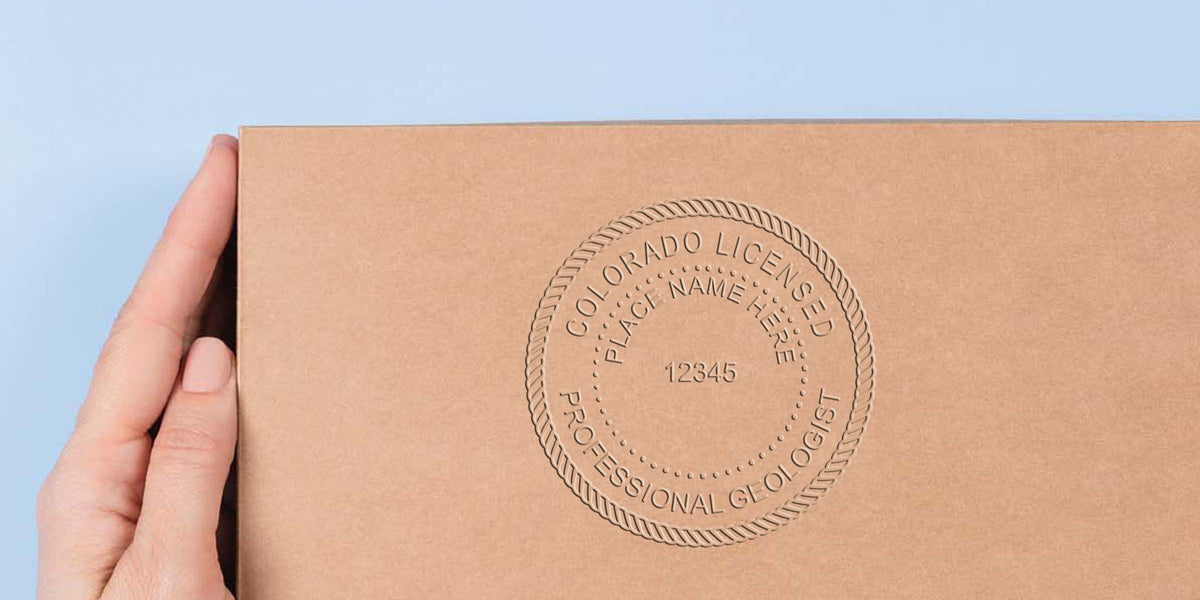
If you’re a practicing geologist in Colorado, you’ve likely heard about the importance of getting your seal squared away. In fact, a well-crafted Colorado geologist seal design not only keeps you compliant with state laws, it also reflects your professionalism and attention to detail. But how exactly do you go about securing the correct stamp or seal, and what should it look like? This comprehensive guide will walk you through everything you need to know, from the design itself to usage tips and supplier recommendations.
Understand Colorado Geologist Seal Design
The term “Colorado geologist seal design” essentially refers to the official stamp or seal you use when validating your geological work. In Colorado, licensed geologists need an official seal to confirm the authenticity of their reports, drawings, and other professional documents. By stamping or embossing your seal, you tell everyone—including clients, employers, and regulatory bodies—that your work is professional and up to state standards.
What Makes It Official
- Your full legal name as it appears on your license
- The words “Professional Geologist” or a similar designation required by Colorado
- The license or registration number that the state board assigned to you
Most seals are circular and typically measure around 1⅝ to 2 inches in diameter. This size ensures your name, number, and professional title are easy to read on various documents. While some states allow you to embed logos or specialized design elements, Colorado generally sticks to a straightforward format. Always verify that your design matches current rules before placing an order.
Why You Need One
So why is this seal truly necessary? The simplest answer is: compliance. Colorado requires licensed geologists to affix a seal on any official geology report or document. In the eyes of the state, the seal is your professional signature. Without it, your work may not be recognized as valid. That can pose issues if you’re submitting findings for project approvals or legal filings, where every detail must be officially verified.
Follow State Guidelines
The Colorado Department of Regulatory Agencies (DORA) outlines the rules for licensed professionals, including geologists. These rules clarify when and where seals are mandatory. If you want more details on the technical aspects, be sure to refer to Colorado Geologist Stamp Requirements. That resource provides a deeper dive into current regulations and ensures you’re not missing any important updates.
Typical Requirements
- You must include your precise professional title.
- Your certification or license number must be visible.
- The seal’s diameter should typically be within the recommended range (commonly around 2 inches, but verify official specs).
- Make sure the state name—Colorado—appears prominently.
Handling Changes or Updates
Colorado may, on occasion, revise rules about seal usage and design. If the state modifies size requirements or changes the exact wording that should appear on the seal, you’ll want to update yours quickly. That way, you avoid compliance headaches. Keeping yourself informed by checking official sources a few times a year is a good practice.
Customize Your Seal With Confidence
Customizing your seal can be as simple as adding your name, license number, and the phrase “Professional Geologist,” but there are still a few considerations to keep in mind. Certain fonts or unique graphic elements might seem appealing, yet it’s important not to stray too far from state guidelines. Generally, your customization must remain clear, legible, and within the bounds of official rules.
Balancing Professionalism and Style
- Choose a high-contrast design so it shows up well on standard document paper.
- Stick to a professional font—no decorative scripts—that meets legibility requirements.
- Confirm all text is centered and sized to fit within the seal’s circular border.
Digital vs Physical Seals
Most geologists still use physical stamps or embossers for official tasks, but digital seals are becoming popular for electronic document submissions. Some states allow a completely digital seal in place of a traditional stamp. Others require both. Always confirm Colorado’s current stance on digital seals before deciding to go paperless.
Select a Reliable Stamp Provider
Once you’ve nailed down your design, it’s time to choose a supplier. You want a company that understands the details of professional stamp-making, especially around licensing rules. Trusted suppliers will already know the typical Colorado geologist seal dimensions and can walk you through every step of the ordering process.
Why Acorn Sales
One supplier you might consider is Acorn Sales. We’ve been in business since 1964, serving professionals across various industries who need high-quality stamps and seals. Whether you prefer an embosser or a self-inking stamp, we carry options that fit Colorado’s guidelines. We also provide a free digital seal with any stamp or embosser purchase, so you can enjoy both physical and electronic solutions right away.
What to Look For in a Provider
- Extensive industry experience (look for a longstanding presence)
- Clear knowledge of Colorado’s rules and traditions
- Variety of products (self-inking, pre-inked, or embossers)
- Responsive customer service that can answer design questions
- Additional perks such as free digital seals
It’s worth noting that the best providers won’t just sell you a seal and send you on your way. They’ll also keep you updated about any changes in regulations. That level of service can be indispensable when you’re juggling client work and compliance at the same time.
Maintain Compliance Throughout Your Career
After you receive your official geologist seal, the job doesn’t end there. You’ll need to apply the seal correctly on every relevant document and keep up with any license renewals. These steps help you maintain ongoing compliance and avoid potential penalties.
Correct Seal Usage
- Affix your seal on all final documents, like reports, studies, or diagrams where you take professional responsibility.
- Sign your name near or through the seal, if required by the current guidelines.
- Ensure the seal’s impression is clear and legible. Re-stamp if you spot any smudges or partial markings.
Recordkeeping and Expiration
Colorado licenses for professional geologists typically require renewal after a certain period. If your license lapses, your seal technically becomes invalid. Therefore, mark renewal dates on your calendar so your seal usage always stays current. Retain copies of all sealed documents for your records, in case you need to verify the authenticity of your work later.
Tips for Organized Documentation
Staying on top of documentation is sometimes easier said than done. However, you can employ a few simple strategies to make sure everything is filed in an orderly way.
Create a Labeling System
Consider implementing a labeling system that pairs each project with its own digital folder or physical binder (or both). This helps you quickly find documents, especially on short notice. A neat trick is to stamp “Draft” documents with a watermark, then keep your official seal for final versions. That way, you never confuse an unofficial draft with a completed, sealed document.
Schedule Regular Audits
Set a date every month or quarter to review your sealed materials. Confirm that each sealed document meets current standards and that you haven’t missed anything new from the state board. A quick, regular audit can prevent mistakes from accumulating over a busy work season.
Feel free to reach out to trusted providers for more information on how to create, update, and maintain your seal. A quality design that meets Colorado’s rules is an investment in your professional credibility. And remember, if you ever encounter gray areas about sealing procedures, it’s always a good idea to consult official state resources or speak directly with colleagues who have navigated the process.
In the end, consistent use of a proper seal keeps your geological work valid, recognized, and ready for any regulatory requirements. By staying on top of updates and partnering with a reliable supplier, you’ll set yourself up for a smooth practice, whether you’re handling small projects or large-scale ventures. Happy sealing!
Frequently Asked Questions
Do I Need a Specific Size for My Colorado Geologist Seal?
In most cases, you’ll want a seal around 1⅝ inches to 2 inches in diameter. Confirm the exact range by reviewing Colorado Geologist Stamp Requirements or contacting the state board for the latest update.
Is a Digital Seal Acceptable in Colorado?
Many professionals are shifting toward digital seals because they’re easy to apply and share electronically. Colorado may allow them for certain official submissions, but it’s wise to double-check your local regulations. Acorn Sales provides a free digital seal with every purchase, so you can cover both paper and electronic documents.
What if I Change My Name or License Number?
You’ll need a brand-new seal if your legal name or license number changes. It’s important to keep your seal details consistent with your state records. This ensures every document you stamp remains valid in a legal sense.
How Often Should I Replace the Physical Stamp?
Quality stamps can last for years, especially if you take care of them. However, if the impression starts to fade or the text becomes unclear, it’s time for a replacement. Regularly inspect your stamp for wear and tear to maintain a crisp seal on each document.
Where Can I Order a Compliant Seal?
Reputable suppliers like Acorn Sales (in business since 1964) can guide you through the process of selecting the right shape, size, and format. They’ll also ensure your stamp meets all Colorado geologist seal design standards. Plus, you get a free digital seal to streamline online submissions.








