
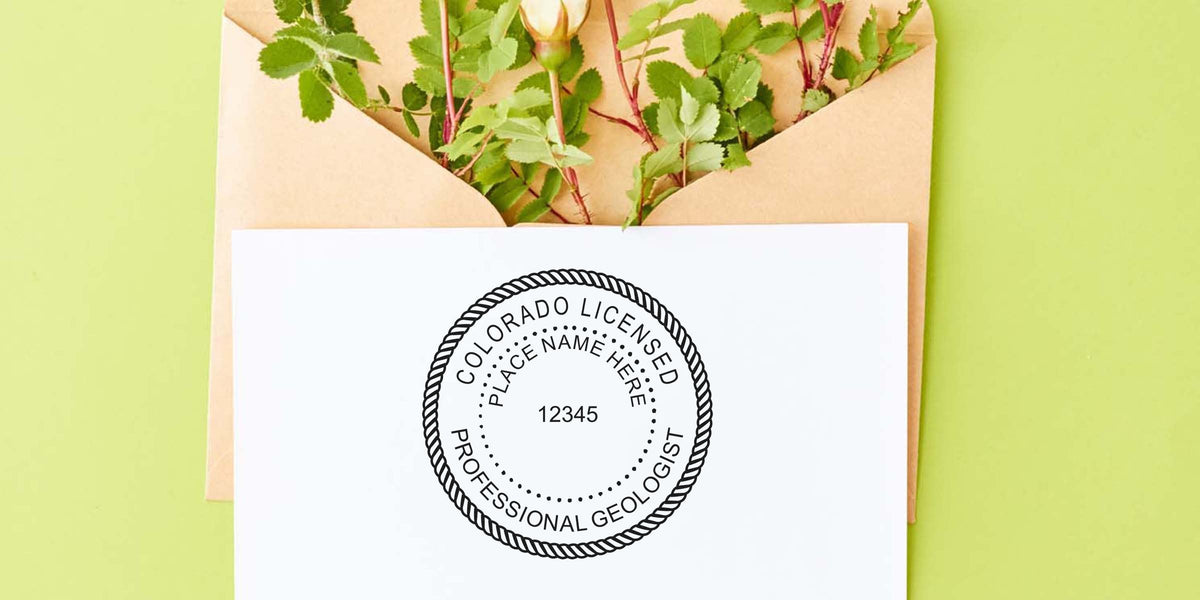
When you first tackle Colorado geologist seal specifications, it’s easy to feel overwhelmed by the rules and the fine print. Yet once you understand the basics, you’ll see they’re simply guidelines to ensure professional credibility, consistent recordkeeping, and public confidence in your work. Whether you’re just getting licensed in the state or revamping your existing seal, knowing the right dimensions and phrases helps you stay compliant.
The practical side of owning a seal becomes clearer every time you stamp a report or finalize a geological survey. Throughout the years, Acorn Sales has supported licensed professionals like you with high-quality seals and stamps, including a free digital seal option. We’re here to make your ordering process smooth, especially if you’re working under a tight project deadline. We’ve been in business since 1964, so you can rely on our experience to guide you through all the details.
Below, we’ll cover the essentials: what your seal should include, how to position it on documents, and how to remain compliant with Colorado’s governance around professional geological work. By the end, you’ll have a solid grasp on how your seal fits into both state regulations and everyday reporting.
Understand The Official Standards
Colorado is one of many states that requires licensed geologists to authenticate their work. The state board has a set of rules for seals or stamps, and it’s your responsibility to follow them. If you’re curious about the differences between Colorado and other states, you’re not alone. But one thing’s for sure: each state enforces specific requirements, so you’ll want to consult the official Colorado guidelines before finalizing your seal design.
Review Precise Wording
Colorado’s regulations stipulate certain phrases that must appear on your seal. Typically, your seal should include your full legal name and your professional license number, along with a designation (for instance, “Professional Geologist”). Keep the wording clear and legible so that any agency or client can quickly read the details.
- Include “State of Colorado” as part of your seal text, since that helps distinguish your credentials from those issued elsewhere.
- Make sure to verify the correct spelling of your professional title and license classification.
Check Size And Format
Another key element is format. Seals are often circular, but Colorado’s guidelines don’t necessarily forbid other shapes as long as they meet the size rules and contain the right text. Double-check the diameter (or height and width, if you opt for a rectangular design) so that it fits comfortably on standard documents.
- Most seals fall in the 1 5/8 to 2 inches range in diameter.
- Choose a clear font that doesn’t smudge or bleed when stamped.
Recognize The Role Of Your Seal
Having a proper seal is more than just a formality. It’s a statement of accountability, telling clients and regulatory bodies that the data or conclusions in your geological report belong to you, a licensed professional. Colorado geologist seal specifications protect everyone involved by maintaining consistent oversight across all geologists who practice in the state.
Speak To Professionalism
When you stamp or emboss an official document, you’re verifying the integrity of that report. If a dispute arises or someone questions your findings, your seal proves that you accepted responsibility for that content. This symbolism holds real weight in legal, governmental, and corporate circles.
Manage Document Compliance
State boards are dedicated to safeguarding public welfare and environmental integrity. So, if your project involves groundwater assessments or the structural soundness of a construction site, authorities want to quickly confirm that a credentialed geologist oversaw the work. That’s where your seal steps in. By displaying it, you’re telling regulating bodies that you followed all professional standards.
Follow The Colorado Licensing Board Rules
Before you place your seal on any document, you’ll need to have a valid license with the Colorado State Board of Licensure. This licensing ensures you meet education and experience benchmarks to practice geology responsibly. If you’re not sure whether your license is up to date, check your renewal status or talk to the Board directly.
Renew Your License On Time
Rules about renewal vary slightly, but many professionals find that licenses need updating regularly (commonly every two years or so). Failing to renew can throw a wrench in your stamping privileges. Make a note in your calendar or set a reminder on your phone so you never let it slip.
Keep Records Organized
Each time you use your seal, file a copy of the stamped documents. If years later someone questions your findings, you can prove what information you certified and when. This habit might feel like an extra step, but it can save you headaches in the long run.
Explore Different Seal Formats
Colorado generally recognizes a range of seal formats, from manual stamps to embossers to digital seals. You get to decide which format best suits your workflow, as long as it meets the official design rules.
Ink Stamps
Ink stamps are popular if you want fast, clear impressions on paper. You’ll usually see self-inking stamps and pre-inked stamps, both of which reduce the fuss of keeping an ink pad around. For color, black or blue is a common standard, but double-check with your organization to see if they have a preference.
- Self-Inking Stamp: Contains an internal ink pad, making it straightforward and somewhat mess-free.
- Pre-Inked Stamp: Holds ink within the stamp die itself, producing crisp and consistent imprints.
Embossers
An embosser doesn’t rely on ink. Instead, it makes a raised impression in the paper. This style offers a bit more sophistication, though it may be harder to photocopy. If you’re stamping official transcripts or vital records, an embosser can add a classy, professional feel.
Digital Seals
Some professionals, especially those who file documents electronically, prefer a digital seal. At Acorn Sales, we provide a free digital seal with many of our stamp orders, letting you quickly place a precise mark on your PDF or Word documents without the need for printing and scanning. This can greatly simplify your workflow. Just remember to secure your digital files so others can’t use your seal without your consent.
Position Your Seal Properly
Even if you own the perfect stamp or embosser, proper placement on documents is key. Aim for a corner or area that doesn’t interfere with text while remaining fully visible. Many professionals choose the bottom right corner of the page. If you’re using an embosser, ensure the raised mark doesn’t cover any important diagrams or disclaimers.
Mind The Margins
Look at the letterhead your company uses, or any government forms you must submit. If the form has a designated seal box or margins, align your stamp carefully. You don’t want to clip off half your license number because the seal touches the page edge.
Leave Space For Signatures
Keep in mind that your signature often appears near your seal. If you’re in the habit of signing across the seal, make sure to leave adequate white space so you don’t obscure critical details. Everything should remain easy to read.
Consider Additional Document Requirements
In some instances, you’ll need to follow more than just the seal specifications. The project’s scope or local authorities may require further documentation, like notary verification or separate endorsements from engineers and architects. You might also need to follow specific Colorado geologist stamp requirements, which we’ve covered in more detail at colorado geologist stamp requirements. That guide can help you nail down the correct language and possible usage scenarios for your stamp.
Collaborate With Other Professionals
Geological projects often overlap with civil engineering, environmental science, and surveying. When multiple professionals must sign off, coordinate who stamps and signs first. This helps avoid confusion and ensures everyone’s licensing details remain visible and valid.
Check Project-Specific Clauses
Occasionally, large-scale construction projects or government-funded studies have unique demands around official seals. Always read the contract or scope of services. If you’re unsure, ask your client or the relevant authority for clarification.
Stay Current With Regulation Changes
Rules and regulations can evolve, so it’s wise to keep an eye on any official updates. You don’t need to check daily, but a yearly or semiannual review is a good habit. Bookmark the Colorado State Board of Licensure’s site and glance at it from time to time to spot any pending revisions.
Join Professional Organizations
Industry associations or geological societies typically share announcements when a licensing rule changes. Subscribing to a newsletter or attending conferences won’t just keep you in-the-know, but can also help expand your network. Plus, you’ll find a wide array of resources on best practices for professional stamping or sealing.
Monitor Continuing Education
Some states mandate continuing education credits to keep your license active. If that’s the case in Colorado (or you’re newly licensed and unsure), completing these credits also offers an excellent way to stay informed about updates to seal specifications and reporting standards.
Trust Acorn Sales For Your Seal Needs
Since 1964, Acorn Sales has specialized in manufacturing high-quality seals and stamps. We understand the importance of precision in your Colorado geologist seal, and we strive to provide long-lasting, reliable products. When you’re placing an order, just let us know your full name, license number, and any other required text specified by the Colorado Board. We’ll ensure the layout matches state guidelines.
Enjoy A Free Digital Seal
Digital paperwork is on the rise, and many geologists prefer to submit digital documents for efficiency. That’s why Acorn Sales includes a free digital seal file with many of our stamp orders. This file allows a crisp, professional seal impression on every electronic report you send out. It’s especially helpful if you work with clients out of state, or if you often convert everything to PDFs.
Experience And Expertise
We’ve worked with thousands of professionals across the country, so we know how to integrate specific state requirements into each custom seal. If you have questions about sizing or the best ink type, we’re happy to offer personalized advice. We even offer rush production if you need your seal in a hurry.
Use Your Seal With Confidence
Once you have the correct seal, how do you incorporate it into daily practice? The trick is consistency. If you develop a habit of stamping any major geological analysis, you’ll quickly build a strong portfolio of work, all stamped with your unique credentials. This approach simplifies referencing older studies and also reassures your clients that your expertise is stamped right on the page.
Protect Your Seal And Digital Files
Keep any physical stamps in a secure spot. If you’re using an embosser, store it in a dry area so it doesn’t rust or degrade. For a digital seal, password-protect your files or lock them behind secure storage. You don’t want anyone else tampering with your signature or stamp.
Establish An Office Policy
If you work at a firm with multiple geologists, create a set policy around using stamps and seals. Record who is permitted to use each seal, how often seals must be renewed or replaced, and how to handle digital credentials. This step ensures accountability and prevents confusion if someone leaves the company.
Final Thoughts And Next Steps
The Colorado geologist seal might look like a simple stamp or digital file, but it carries enough authority to certify your professional work. From verifying rock composition for a building site to analyzing soil reliability for development, your seal tells others you stand behind the facts and figures you present.
Before you finalize your order, always check whether you need additional disclaimers or official forms for your specific type of geological documentation. If you’re unsure, you can review our tips for colorado geologist stamp requirements or talk directly to the licensing board for clarification.
Owning a proper seal keeps your paperwork organized, signals professional accountability, and aligns you with the state’s regulations for geologists. So embrace the process, consider adding a digital seal if you work often in a paperless environment, and store your physical stamp in a secure place. When you trust Acorn Sales for your custom seal needs, we promise a smooth experience that leaves you confident in every report you release.
Frequently Asked Questions
Do I Need A Physical Stamp Or Is A Digital Version Acceptable?
In Colorado, having a clear, visible seal is the main requirement, whether physical or digital. Many professionals prefer to have both. Physical stamps are still common for printed documents, while digital versions are handy for electronic submissions.
How Soon Do I Need To Renew My Seal?
The seal itself generally lasts until it wears out, but your license needs renewal according to the state schedule. If your license expires, using your seal could lead to issues with compliance. Check the latest rules from the Colorado State Board of Licensure to confirm renewal cycles.
Can My Seal Be A Certain Size Or Color?
The state sets guidelines for minimum sizes, typically around 1 5/8 to 2 inches in diameter for circular seals. Black or blue ink is common, but check with your client to see if they prefer a particular color. Embossers have no ink, so size and readability are your main considerations there.
Does The Design Have To Be Approved By The Board Before Use?
In many cases, Colorado’s Board doesn’t require pre-approval of your seal design. However, the seal must include your name, license number, and the phrasing mandated by the Board. If you’re worried about compliance, consider talking to the Board or reviewing any sample seals they provide.
How Do I Reorder A New Stamp If I Lose Mine?
It’s fairly common to misplace a smaller self-inking stamp or even an embosser. Just contact a trusted supplier like Acorn Sales. We keep records of your previous order, or we can create a new layout based on your details. If your license is active, you can typically reorder without any extra steps.








