
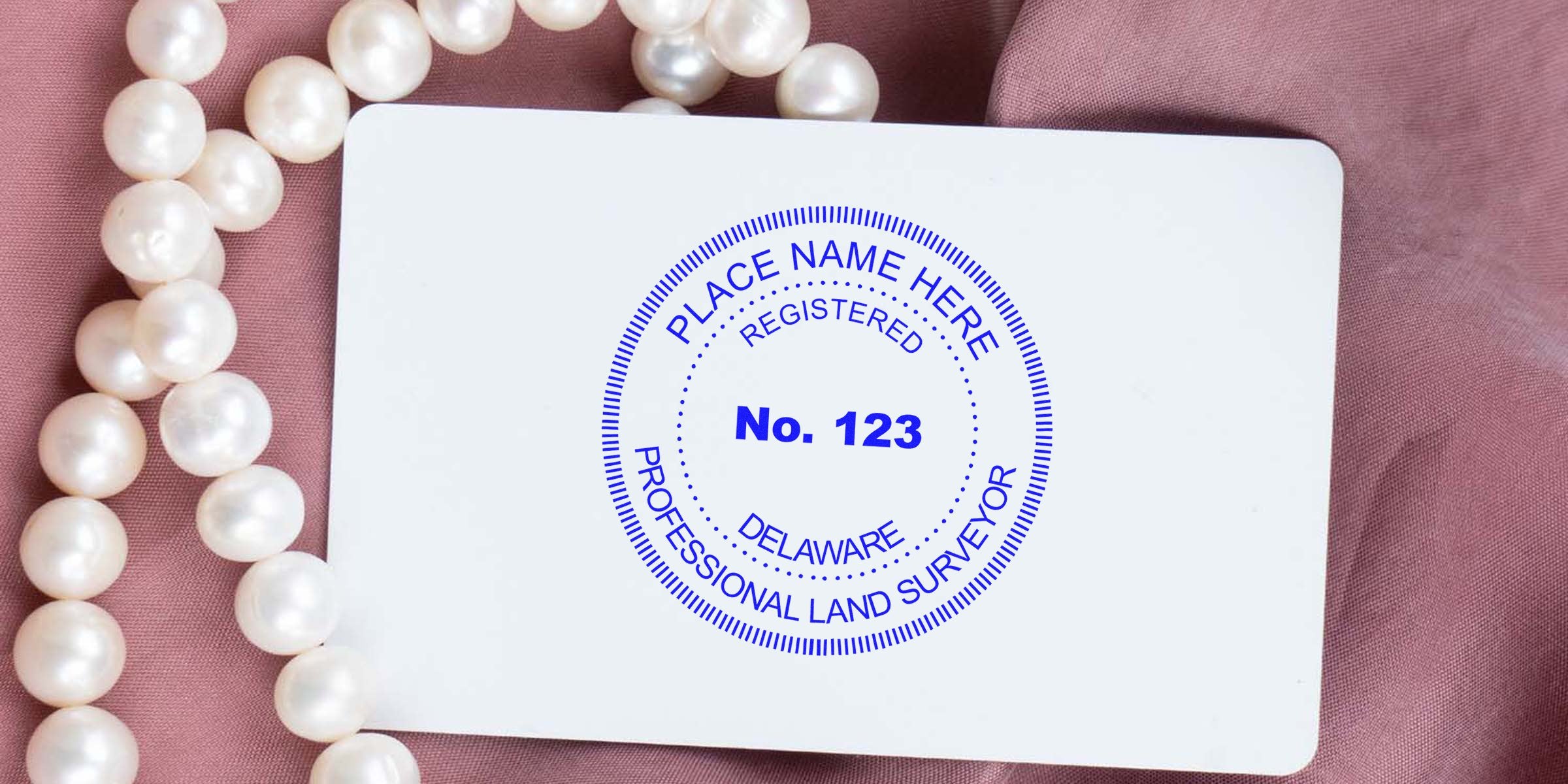
If you’re looking to practice as a licensed surveyor in Delaware, you’ve likely heard plenty about the “delaware professional land surveyor seal.” This small and often overlooked detail can carry a lot of weight, ensuring your projects are recognized as valid and credible. But what really goes into obtaining, using, and maintaining this official seal? Below, we’ll explore everything you need to know, so you can feel confident in meeting Delaware’s guidelines and standards for land surveyors.
Explore The Purpose Of The Seal
The main purpose of a professional land surveyor seal is to create a clear record of accountability. When you place your seal on a document, you’re confirming you carried out the survey work and stand behind its accuracy. This seal, once accompanied by your signature and date, makes official drawings, boundary surveys, and related documents fully legitimate in the eyes of clients, regulators, and courts.
You might wonder: “Can’t I just sign my name?” Short answer—no. In Delaware, a mere signature won’t cut it. Official documents need to carry your stamp, seal, or digital equivalent, so all involved parties know the work is both authentic and legally compliant. Plus, the seal adds a layer of protection for you as the surveyor. It formally shows you took professional responsibility for the project.
Most importantly, the seal offers peace of mind for everyone relying on your expertise. Property owners, lenders, and government agencies can trust your maps or plans, because the seal says, “A qualified expert validated these details.”
Know State Requirements And Rules
Each state has its own approach to managing professional land surveyor credentials, and Delaware is no exception. While the Delaware Board of Professional Land Surveyors outlines the regulatory framework, you still have some freedom in choosing whether to use an ink stamp, an embosser, or even a digital seal. Specific guidelines exist to ensure the seal includes required details like:
- Your name as it appears on your license
- Your license number
- The words “Professional Land Surveyor”
- The state designation (Delaware)
For additional guidance, you can check out delaware land surveyor stamp requirements, where you’ll learn more about approved designs, size constraints, and best practices for stamping or embossing your documents. It’s essential to stay on top of any updates from the Delaware Board, because regulations can evolve over time.
One key rule you should remember? You must personally apply, or oversee the application of, your seal. That means no letting unlicensed colleagues press or print your seal for you, even if they’re helping with the drafting. You’re ultimately responsible for any official usage of that seal, including ensuring the final documents reflect accurate and up-to-date information.
Recognize Design And Format Essentials
You’ve probably noticed that seals and stamps vary widely, but in Delaware, the design must include specific text and layout. Generally, it’s a circular or oval arrangement with:
- The phrase “State of Delaware” near the top
- Your full legal name near the center
- “Professional Land Surveyor” clearly shown
- Your unique license number
The design often uses strong yet simple fonts, so the seal remains readable on scans or photocopies. Many professionals opt for a medium size, close to 1⅝ inches or 2 inches in diameter, ensuring there’s enough space to comfortably display all mandatory text. Going smaller can make the details too cramped and risk non-compliance with state guidelines.
It’s also worth noting that color matters. Some prefer a traditional black ink stamp, while others may go with blue or red to make the seal stand out on official documents. As long as your seal is legible and meets Delaware’s clarity requirements, you should be fine. If in doubt, it never hurts to consult the Delaware Board of Professional Land Surveyors or check with a trusted provider like Acorn Sales to confirm you’re getting the correct format.
Obtain Your Delaware Surveyor Seal
Acquiring the right seal is a straightforward process if you choose a reputable vendor. Since 1964, Acorn Sales has been a trusted supplier of stamps and seals for Delaware surveyors. Whether you need a traditional hand stamp, an embosser, or a modern digital version, you’ll find an option that matches your style, budget, and compliance needs.
Ordering is typically quick and painless. You contact a supplier, provide your name as it appears on your license, and your license number. From there, the supplier creates the official seal template, ensuring all the mandatory elements are included. In many cases, you can also request a proof copy to confirm that every detail is accurate.
What’s extra convenient is the growing popularity of digital versions. Acorn Sales, for example, includes a free digital seal with your purchase, which can save you time when working with electronic files. A digital seal lets you apply your authorized emblem on drawings in PDF format or similar files, without you having to print, sign, scan, and email. This feature is especially handy if you handle a large volume of documents or if you frequently collaborate with team members across different locations.
Comparing Stamp Options
If you’re unsure which seal type suits you best, here’s a quick snapshot:
| Type | Pros | Cons |
|---|---|---|
| Ink Stamp | - Low cost - Easy to re-ink |
- Can smudge on glossy paper - Requires re-inking over time |
| Embosser | - Professional appearance - Difficult to forge |
- Less visible on copies - Requires physical force to apply |
| Digital Seal | - Instant application - Perfect for electronic docs |
- Must ensure proper security - Some clients prefer a physical stamp |
Reflect on how you typically file documents. If you’re heavy on digital submissions, the digital seal might be a game-changer. On the other hand, if your local county office insists on a physically embossed set of papers, an embosser might be the best choice.
Use Your Official Seal Correctly
Once you have your seal, the real responsibility begins—using it properly! In Delaware, you should place your seal on final versions of surveys and drawings, then add your signature and date. Typically, the seal goes near the title block or somewhere clearly visible on the plan. Make sure not to obscure any critical text or boundary lines.
Here’s the core principle: Always apply the seal after you’ve done a thorough review of the document. Think of the seal as the final stamp of approval on a project that you’ve checked for accuracy. If you discover a mistake down the road, you’ll likely need to revise the survey, reprint it, and apply the seal again.
Prevent Misuse
- Keep your physical stamp or embosser under lock and key.
- Limit digital seal access to secure devices or protected design software.
- Never share your seal file with unlicensed individuals.
The last thing any professional wants is an unauthorized person using their stamp for a questionable or fraudulent project. Avoid that nightmare by taking all necessary security measures.
Handle Common Seal Mistakes Effectively
Even with all the right intentions, problems can arise. Let’s take a look at a few common pitfalls and how to handle them:
-
Wrong Size or Font
- If you accidentally order a seal that’s too small or uses an unreadable font, you can’t use it officially. Your best bet? Contact your supplier immediately for a replacement.
-
Forgetting To Sign
- Sealing without signing and dating is incomplete. If you realize your oversight, revise or correct the document, then re-seal and sign it properly.
-
Applying The Seal On Draft Documents
- Drafts can contain errors. Reserve your seal for final work only. If you must share a draft, label it “Preliminary, Not Sealed” so there’s no confusion.
-
Letting The Seal Fade
- Ink stamps can lighten over time. Regularly check your impressions to ensure they’re crisp. Re-ink or replace as needed.
Whenever you spot a mistake in your official documents, address it right away. Allowing errors to linger only complicates matters down the line. If you’re unsure how to rectify a particular issue, contact the Delaware Board or a professional resource like Acorn Sales for guidance.
Benefit From A Trusted Supplier
When it comes to ordering or replacing your seal, it’s crucial to partner with someone who understands Delaware’s specific rules. Acorn Sales has been in business since 1964, offering you decades of expertise in crafting high-quality seals that meet state standards. Here’s how you can benefit from choosing a seasoned supplier:
- Free Digital Seal: If you haven’t stepped into the digital realm yet, this perk can save you both time and money. Acorn Sales provides a complimentary digital seal, helping you adapt to an increasingly online workflow.
- Quality Assurance: A leading stamp supplier should double-check the content on your seal (like your name, license number, and the mandatory wording) to ensure it aligns with Delaware requirements.
- Reliable Customer Support: When you have questions about product care, re-inking, or best practices for storing your physical seal, a knowledgeable team can steer you in the right direction.
Ultimately, a properly designed seal is one of your most valuable professional tools. By choosing a reputable vendor, you’ll avoid misprints and compliance surprises. Instead, you’ll enjoy the confidence that comes from having everything set up just right.
Final Thoughts
At first glance, the process of obtaining and using a delaware professional land surveyor seal might seem daunting. But once you understand its purpose, adhere to the state’s requirements, and choose a reliable supplier like Acorn Sales, you’ll find that stamping or embossing important documents becomes a natural part of your daily work. You’ll also avoid the dreaded pitfalls that come with incorrect or unofficial seals.
Feel free to check the latest rules and regs from the Delaware Board regularly, and keep your seal materials securely stored. By doing so, you’ll safeguard your professional credibility and maintain the trust of your clients. If you ever have questions or need an update on your seal, don’t hesitate to reach out to a trusted supplier or leave a comment below. After all, clarity and accuracy are the hallmarks of any successful land survey—and your official seal is right at the heart of that success.
Frequently Asked Questions
How Do I Verify I’m Using The Correct Seal Design?
- Check the official guidelines from the Delaware Board of Professional Land Surveyors. They specify which text, shape, and size you must include. If you’re unsure, contact a knowledgeable supplier like Acorn Sales or reference delaware land surveyor stamp requirements for clarity.
Is It Mandatory To Have A Digital Seal?
- Having a digital version is optional but highly recommended. Many county offices still accept ink-stamped or embossed documents, yet digital seals can streamline remote or large-scale project submissions. Acorn Sales provides one free of charge with your order to make electronic filing easier.
Can I Use An Embossed Seal Instead Of A Stamp?
- Yes. Delaware allows ink stamps, embossers, and digital seals, as long as each design meets the state’s requirements. Keep in mind, though, embossed impressions don’t always stand out on photocopies, so weigh the pros and cons based on your project needs.
How Often Must I Renew My Seal?
- Technically, the seal doesn’t expire. However, your professional license must remain active. If your license number changes or if you move to a new status (like from provisional to full licensure), you may need an updated seal. Also, it’s best practice to replace a worn or outdated seal for quality impressions.








