
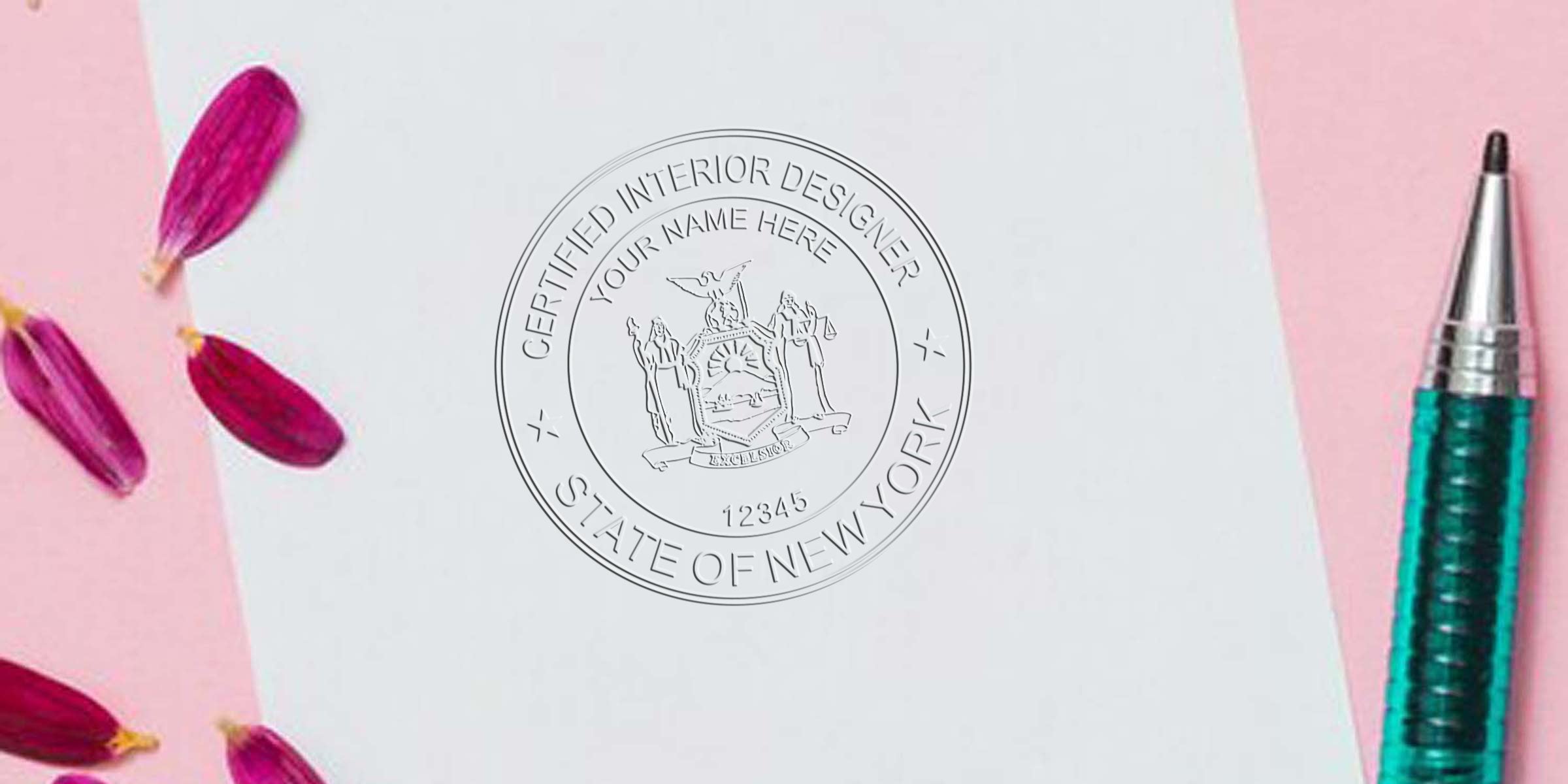
Have you ever wondered why every official interior design document in New York seems to carry a distinctive stamp? That simple impression, known as a New York Interior Designer Stamp, does more than just add flair. It confirms your qualification and gives your plans a level of authenticity and professionalism that clients and regulators trust. If you are stepping into interior design or simply need a quick refresher, you have come to the right place.
In this guide, we will walk through the essentials of interior designer stamps and seals, the requirements you must follow, and how to find the best supplier for reliable tools. Think of this as a friendly conversation that outlines the essentials without drowning you in legal jargon. By the end, you will know exactly how to comply with state rules, satisfy your clients, and confidently stamp your mark on all your design projects.
Know The Basics
Before diving into the finer details, let’s get familiar with what a New York Interior Designer Stamp really is. Put simply, it is an official marking used by licensed interior designers in New York to validate their drawings, specifications, and other professional documents. When you affix this stamp, you are effectively stating that you stand by the work and that it meets all relevant state guidelines.
You may also see references to a New York Interior Designer Seal. While a stamp and a seal can look different in appearance, they generally serve the same function: establishing your credentials. For interior designers who present blueprints, floor plans, or certification documents, using a seal demonstrates expertise and helps you stay on the right side of regulations. Whether digital or physical, think of these markings as your personal signature in the interior design world.
Understand The Requirements
So, why do you even need a stamp or seal in the first place? In New York, interior designers must adhere to specific regulations that outline how and when to use an official seal or stamp. These rules protect the end consumer, who relies on your professional expertise for safe and code-compliant interior spaces. Having a seal, especially one that meets new york interior designer stamp regulations, reassures clients, government agencies, and contractors that you have met the proper qualifications.
For instance, if you are submitting renovation plans to a local municipality, you may be required to include a properly endorsed document. Without this endorsement, your paperwork might be delayed or rejected. In some cases, failing to provide a valid seal can even result in disciplinary action against your license. Not exactly what you want when you are trying to build trust and move projects forward smoothly. Understanding these requirements will keep you focused on what you do best: designing beautiful and functional spaces.
Decide On Stamp Or Embosser
When you picture an official marking, you might envision the classic rubber stamp with your name, license number, and relevant state information. However, stamps come in a variety of formats, and you also have the option of using an embosser. An embosser, such as a New York Interior Designer Stamp Embosser, creates a raised impression on the paper, giving the document a sophisticated and tamper-resistant look.
For certain projects that need a formal or traditional touch, an embosser might come across as more prestigious. Clients often enjoy the tactile feel and raised impression, which can add a sense of gravitas to your proposals. Conversely, a self-inking rubber stamp is often more cost-effective and faster to use, especially if you are stamping multiple pages at once. When time is tight, you might prefer a rubber stamp because you can quickly restock ink pads and keep moving. In either case, be sure that every impression is crisp and legible, because that final look influences how seriously others take your work.
While both embossers and stamps achieve the same goal, your choice may come down to personal preference, client expectations, or specific legal guidelines. If you are unsure which fits your practice best, try talking to colleagues or reaching out to local officials to clarify any unique requirements. A little research now can save you a lot of hassle later.
Choose The Right Supplier
Now that you know how beneficial these tools can be, the next question is: where do you get your stamp or seal? The last thing you want is to purchase something that does not meet legal guidelines or that will fade and break after minimal use. That is where a trusted provider like Acorn Sales steps in. We have been in business since 1964, supplying high-quality stamps and seals to professionals across New York and beyond.
Acorn Sales also includes a free electronic seal with every physical stamp purchase, which is a big bonus if you handle digital documents. This means you can quickly place your professional mark on PDFs and other digital files without any fuss. When you are short-listing companies, make sure they can tailor your design so it meets official interior designer seal new york guidelines. Also, ensure they can add your name, license number, and any state-required text in a clear and durable format.
One more tip: make sure your supplier has a solid track record. Working with a company that has decades of experience can save you headaches down the road. They likely have encountered all sorts of special requests and tricky regulatory guidelines, so they will be prepared to guide you if you need a custom solution. In short, always do a bit of research, read reviews, and chat with a representative if you have any detailed questions.
Follow Best Practices
Let’s be honest, simply owning the stamp or seal is not enough. You need to use it correctly to get the full benefit. Always store your New York interior designer stamp in a safe, dry area. Any smudges or grime can affect the clarity of your imprint, making your documents look unprofessional.
Next, consider investing in a custom interior designer stamp new york approach if you deal with a variety of project types. A custom design can streamline your workflow by including your most-used text. That way, you just press and go, saving time when multiple filings pile up. One more tip that can save you time in the long run: re-check your license details before approving a stamp proof. Minor errors, like a missing digit in your license number, can cause major confusion later.
Finally, make sure each stamped document is easily legible and meets any margin requirements set by local building authorities. Over-inking can lead to blurry or unreadable marks. Practice on a sheet of scrap paper to find the perfect balance of ink. After all, this stamp is a reflection of your credibility, and you want each impression to look crisp every time.
Avoid Common Pitfalls
Even seasoned interior designers slip up sometimes. One of the biggest pitfalls is neglecting to keep up with changing rules. Regulations evolve, so confirm occasionally that your stamp design remains compliant. Submitting documents with outdated formats could trigger a rejection or a re-do of your paperwork.
Another common error is relying solely on a physical stamp. In today’s digital world, having an electronic version can be a huge time-saver. Plus, if your physical stamp is lost or damaged, a digital seal can step in to keep your projects on schedule. A free electronic seal from a reputable vendor is a great backup when you are submitting PDF documents.
Another issue is not keeping accurate records of your stamp usage. Picture a scenario where a client challenges a set of plans, claiming they never saw a single endorsement. Having a simple log of dates, project names, and references to stamped documents can resolve confusion quickly. This habit also helps if you ever transition to a new stamp design. You will know exactly which documents used the old design, preserving a clear audit trail for future reference.
Lastly, be thoughtful about what you choose to stamp. Overusing your seal on non-critical items can diminish its impact. Stick to stamping official documentation, final design plans, and compliance drawings, so your seal remains a credible sign-off of your professional expertise rather than just a decorative accent.
Explore Next Steps
Once your stamp or seal is ready, you might wonder: what now? A great way to stay on top of changes is to monitor your state board's announcements. Keep an ear out for new building codes or licensing updates that could affect how you practice. You can also consider new digital methods for endorsing documents, which cut down on printing and scanning.
Staying ahead also means nurturing your professional network. Colleagues can offer insights into their stamping procedures, highlight new products on the market, or alert you to best practices you have not tried yet. If you are not already involved, you might join a professional designers’ association so you can hear about the latest industry developments. Having the correct stamp or seal is just one piece of the puzzle. The more you keep up with evolving demands, the more you can sharpen your edge in the interior design field.
Your best bet is to work with a reputable provider like Acorn Sales. Since 1964, they have offered high-quality interior designer seals for professionals seeking reliable tools. In many cases, you can specify all your license details online in just a few clicks. Or, if you need something extra unique, you can always consult their team to discuss a custom layout. It is the easiest way to ensure your stamp or seal meets all legal requirements and stands up to daily use. Watch out for ultra-cheap options that do not guarantee regulatory compliance, as that could cause bigger issues in the long run.
At the end of the day, your stamp is both a symbol of credibility and a practical tool you can rely on. Whether you choose a traditional rubber stamp or an elegant embosser, be sure to keep up with evolving regulations, store your tools properly, and manage documentation with care. That way, you will meet your legal obligations and build confidence with every plan you sign off.
Frequently Asked Questions
Do I Need A Stamp To Practice Interior Design In New York?
Yes. While not every single document requires it, an official stamp or seal is essential if you are submitting drawings or plans for local review. The stamp verifies your licensed status and confirms that your work meets state standards. Failing to include it can cause frustrating delays. Additionally, some local jurisdictions have unique submission rules or may require multiple stamped copies. Always double-check with the local building department.
Can I Use One Stamp For All My Projects?
You typically can, as long as your stamp’s information remains accurate, including your name, license number, and the appropriate state label. Regulations can change, so it is smart to re-verify your design each year. Even if your stamp text stays valid, keep an eye on wear and tear. If the imprint becomes fuzzy or unreadable, it might be time to refresh or reorder.
What Is The Benefit Of A Digital Stamp Or Seal?
A digital avenue allows you to endorse electronic documents, like PDFs, without having to print and scan. It can significantly cut down on your paperwork and office expenses. Also, many clients prefer entirely digital transactions these days. Adding a digital seal to your workflow shows that you are adaptable to modern demands. If your supplier includes a free electronic seal, that is a major edge in efficiency.
Are There Limitations On How I Use My Stamp?
Absolutely. Only use your stamp on documents you have prepared or supervised. Lending your stamp to another person, even someone on your team, can land you in hot water if something goes wrong. Each stamped document is your professional endorsement, so make sure you are fully comfortable with its content. If you are ever in doubt, consult a mentor or relevant authority before putting your seal of approval on questionable elements.








