
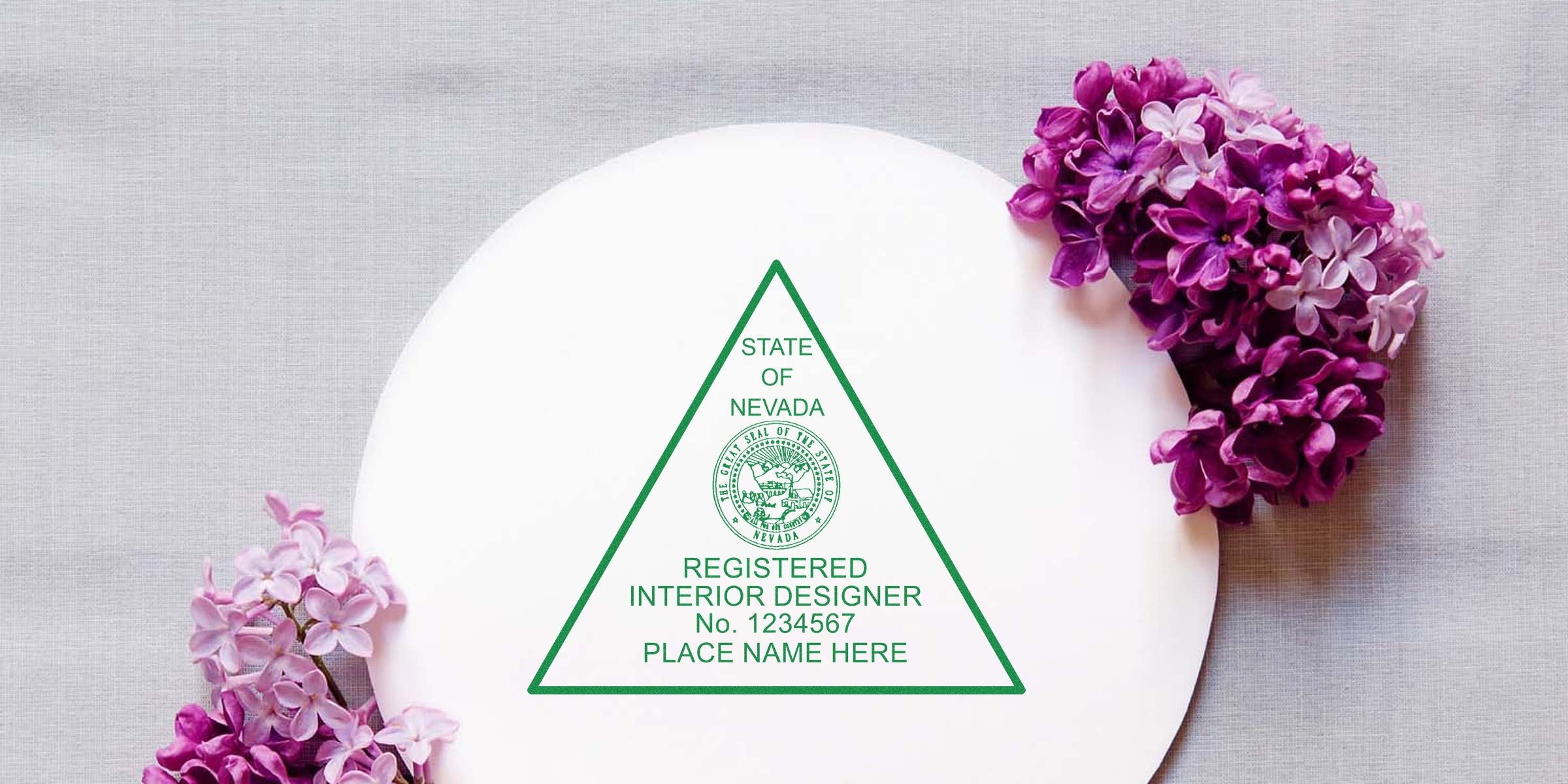
Are you gearing up to submit your Nevada interior designer stamp application? If so, you might be feeling a mix of excitement and nerves. After all, an official state stamp or seal is the finishing touch that shows you’re a legitimate professional, ready to take on new projects. The good news is that once you understand the basic rules, gather the right documents, and select a dependable supplier, you’ll zip through the process with ease. Let’s walk through all the major steps so you know exactly what to expect.
Meet Nevada Requirements
Before you dive into paperwork, it’s smart to confirm you meet the state’s requirements. Nevada usually mandates an accredited education in interior design (associates or bachelors), plus a set number of supervised practice hours. You’ll also want to check if you must pass a specific exam, such as the NCIDQ (National Council for Interior Design Qualification).
Because these regulations can change, consult the official Nevada State Board of Architecture, Interior Design, and Residential Design website for the latest details. A quick review will help you catch any updates, ensuring your qualifications line up with current standards. That way, you’re on track for a smooth approval process.
Complete All Necessary Paperwork
After confirming you meet the education and experience requirements, it’s time to gather your documents. This might include proof of graduation, transcripts, and work history details. Plus, you’ll often need to fill out an application form from the state board. If the board requests references, reach out to mentors or colleagues who can vouch for your abilities.
When compiling your paperwork, it helps to create a checklist:
- Education documents (transcripts or diploma copies)
- Work experience logs or letters
- Reference letters from industry professionals
- Any exam certificates (e.g., NCIDQ)
By organizing everything in one folder, you can quickly grab the items you need when you prepare your submission packet.
Choose a Reliable Stamp Supplier
Once you have your licensing documents underway, it’s time to decide who will create your official stamp or seal. This is a crucial step because the state expects you to use a precise design that meets specified guidelines. It’s often required that your chosen supplier follows exact size and format rules, ensuring the final product looks correct and legible.
If you’re wondering where to turn, consider Acorn Sales. We’ve been supplying professional stamps and seals since 1964, so we’ve seen just about everything. Whether you need an impression seal, a rubber stamp, or a self-inking device, we focus on accuracy and quality. One huge perk is the free electronic seal we provide with many stamp purchases, which can be incredibly handy if you have to submit digital documents. By letting a trusted company handle these finer details, you’re free to concentrate on your core design work rather than worry about compliance.
Prepare the Nevada Stamp Application
Your nevada interior designer stamp application usually requires basic personal details, along with proof of your current license or pending licensure. Some forms ask for your license number. Others might note the exact text or format you’ll use on the stamp. Double-check that the stamp design aligns with state guidelines. If there’s a specific rule on border shape or text size, follow it to the letter.
Most applications can be submitted by mail or sometimes online. But either way, confirm the precise instructions. Take note of the fees involved and whether they must be included via check, money order, or digital payment. It’s also wise to mark any crucial deadlines on your calendar, so you don’t accidentally miss a cutoff date.
Follow Key Submission Steps
After preparing the application, you’ll need to submit it promptly—and properly. Here’s a simple workflow you can follow:
- Review All Pages: Double-check you’ve filled out every required field and attached all your supporting documents.
- Confirm Payment Method: Ensure you have the correct fee, and see if the board accepts electronic payment or needs a physical check.
- Submit Forms: Send them via certified mail or the recommended online portal so you can track delivery.
- Keep Copies: Make digital or physical copies of everything for your records. You never know when these details could be requested again.
Some boards respond with a confirmation email or letter, so keep an eye out for any communication. If you don’t hear back within a reasonable timeframe, it’s totally fine to reach out. A quick status check can give you peace of mind and might help resolve any small issues before they delay the actual stamp approval.
Maintain Your Professional Compliance
Congratulations—once your application is processed, you’re officially recognized and can stamp away! But your responsibilities don’t end here. Plenty of states, including Nevada, require that licensed interior designers renew their status periodically. There may be new continuing education requirements or updated standards each cycle.
Staying on top of these renewals prevents any unwanted interruptions in your practice. If your license lapses, you may have to go through the submission process all over again. You’ll also want to keep your actual stamp or seal in good shape. That might mean storing it in a protected case, regularly re-inking if it’s self-inking, or replacing worn-out parts. You can learn more specifics about the actual design and format at nevada interior designer stamp, which helps ensure your stamp remains aligned with official guidelines.
Electronic seals are increasingly popular, particularly for digital submissions. In many cases, an electronic seal is accepted as long as it matches the standard layout provided by the board. Always ensure your e-seal is clearly visible on PDFs or other digital files so that plan checkers or clients can verify your professional status.
Conclude And Plan Ahead
Submitting your Nevada interior designer stamp application can feel like a major milestone. By meeting eligibility requirements, organizing your paperwork, selecting a trustworthy supplier, and keeping your license in good standing, you’ll streamline the process and confidently set the stage for new projects. With proven partners like Acorn Sales, in business since 1964, you’re assured your stamp or seal reflects professional standards. Plus, that handy free electronic seal means you won’t skip a beat when working on digital documents.
If you have any lingering questions, your state board’s official site is your top source for current rules. And remember—once you’re done, take pride in your accomplishment. You’ve earned the right to stamp your designs as a recognized Nevada interior designer. Here’s to many successful, well-documented projects in your bright future.
Frequently Asked Questions
What If My Application Is Denied?
If your application is denied, you’ll probably receive an explanation. Common reasons include incomplete forms or missing documentation. Don’t panic—simply fix any issues and reapply if the board encourages you to do so. A prompt reply typically clarifies any confusion and helps you get back on track quickly.
Do I Need A Seal And A Stamp?
Many interior designers rely on both an embossed seal and a rubber stamp for different document types. Typically, the board only requires one official device, as long as it meets the mandated specifications. However, having two options (especially with a free electronic seal) can be convenient for various filing formats.
How Do I Renew My Stamp Registration?
Nevada usually requires periodic license renewals, but the stamp itself may only need replacing if it becomes worn, unreadable, or changes are mandated by board updates. It’s wise to check official guidelines at each renewal cycle to see if you must update or reorder your seal.








