
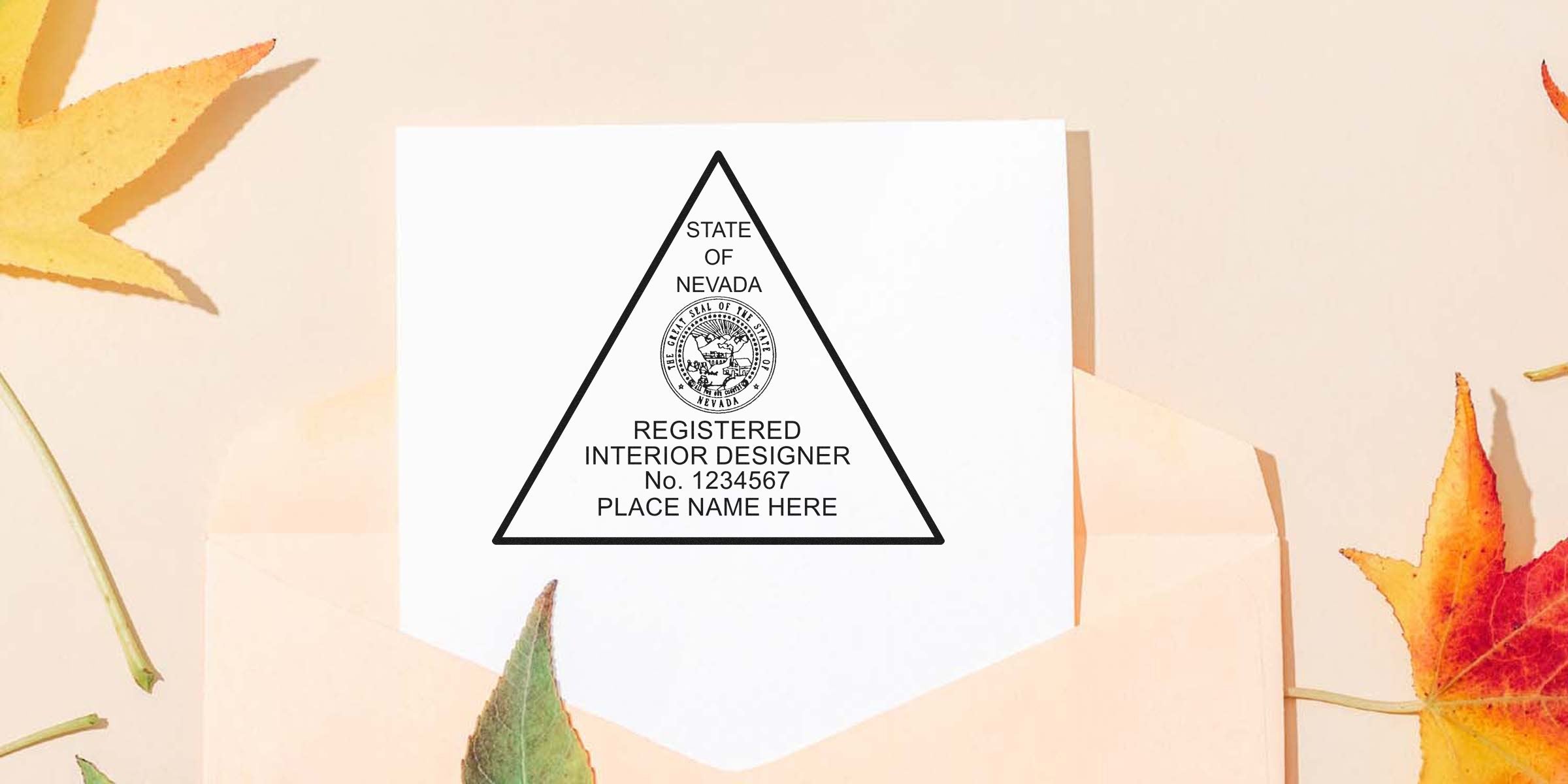
Have you ever wondered whether you really need a Nevada Interior Designer Seal Embosser for your professional documents? Maybe you’re just starting your interior design journey in Nevada, or you’ve been working in the field for years but haven’t fully explored the benefits of having your own official embosser. Either way, this article will give you the clarity you need. You’ll discover what Nevada requires from practicing interior designers, why an embosser is essential, and how you can ensure you’re getting the right product for your needs.
At its core, a seal embosser helps certify that your documents meet the state’s legal and professional standards. In Nevada, your stamped or embossed seal acts like your personal signature—showing that you stand behind every detail in your drawings and plans. Yet there’s more to it than simply meeting legal requirements. Using a high-quality seal lends an extra layer of professionalism that can impress clients, colleagues, and regulators alike.
But choosing the right embosser can feel overwhelming. It might seem like every supplier claims to be “the best,” and understanding what sets one embosser apart from another takes some digging. Throughout this article, we’ll unpack everything you need to know—from the ins and outs of Nevada regulations to selecting a trusted supplier and maintaining your embosser in tip-top shape. We’ll also share how Acorn Sales, a trusted provider in business since 1964, can help you get the job done with confidence.
Ready to learn more about why a Nevada Interior Designer Seal Embosser matters and how to choose the perfect one? Let’s dive right in.
Understand Nevada Regulations
When you’re practicing interior design in Nevada, you can’t just rely on your creative flair. The state imposes specific requirements that make sure you’re meeting important safety, building, and ethical standards. Failure to follow regulations can lead to anything from project delays to legal trouble. Luckily, these requirements aren’t meant to hold you back. They’re in place to protect clients, public welfare, and your reputation as a designer.
Licensing and Seals
Nevada typically requires that licensed interior designers use an official seal or stamp on specific documents, such as final project plans, certain contract documents, and drawings submitted for local government approval. The seal verifies you’re in good standing, ensuring your work meets the necessary guidelines. Along with the seal, you may also need to include additional elements like your license number or a professional statement.
While a Nevada Interior Designer Stamp is valid, many designers opt for an embosser because of its professional appearance and added security. When you press that embosser onto the paper, you get a raised imprint that’s much harder to replicate or tamper with. This is especially valuable for large-scale projects involving multiple parties or sensitive building plans.
Why the Embosser Form Matters
You might wonder, “Isn’t a rubber stamp simpler?” Sure, a traditional stamp is straightforward. However, an embossed seal offers a tactile impression that’s unmistakably authentic. If someone tries to photocopy or digitally replicate your sealed documents, the difference between a flat mark and an embossed design becomes clear. Decision-makers in the industry often regard a raised seal as more formal, conveying a sense of diligence and care.
Staying Compliant
To stay on the right side of Nevada regulations, you’ll need to:
- Keep your credentials up to date.
- Use an approved seal design that includes the necessary data (like your name, license info, and state details).
- Adhere to any local or municipal codes requiring specific documents to be sealed or stamped.
Having a proper Nevada Interior Designer Seal Embosser doesn’t just keep you compliant, it can symbolize your commitment to professional standards across all your projects.
Recognize Why Seal Embossers Matter
Even if you’re already sold on the idea of embossing rather than stamping, you might be curious why so many interior designers swear by an embosser in day-to-day practice. The short answer? It elevates your credibility, protects against document fraud, and leaves a memorable mark of quality.
Professional Appearance
Clients notice the details, especially if they’re investing a good deal of money in a renovation or new construction project. An embossed seal looks elegant, almost like a personal signature in raised form. It shows that you care about authenticity and precision, qualities that customers value when entrusting someone with their spaces.
Adding an embossed seal indicates:
- A high standard of presentation.
- Reinforcement of your brand identity as an interior designer.
- A visible seal that sets your documents apart from generic digital prints.
Enhanced Security
When you use a Nevada Interior Designer Seal Embosser, you’re making your work less vulnerable to tampering. Someone could try to copy your rubber stamp, but replicating an embossed design is much tougher. The raised surface, depth, and placement of the seal become significant barriers for anyone looking to alter or forge your documentation.
If security is a concern—especially for high-stakes commercial work—this seals the deal (pun intended). You’ll have peace of mind knowing that the seal you provide can’t be easily duplicated. In a profession where detail is paramount, this extra measure goes a long way to ensure the integrity of your work.
Simplified Compliance
The state of Nevada wants a quick, foolproof method to identify licensed professionals. With the right seal, you instantly validate your credentials. For government agencies scanning through hundreds of project proposals, an easily identifiable seal speeds up the verification process. A clear, raised imprint leaves no doubt that a qualified professional endorsed the design.
Depending on local regulations, you may need to use your seal on:
- Construction drawings submitted for permits.
- Contracts for major renovation or design projects.
- Final documents provided to clients, contractors, or inspectors.
Reinforcing Trust
Interior design often involves personal spaces or high-value properties. Trust is key. Your seal doesn’t just meet a legal requirement; it reinforces that you are a licensed, ethical, and competent designer. Some clients will even ask to see your documentation before they sign an agreement, making a crisp embossed seal a powerful first impression.
Choose a Reliable Supplier
Now that you see the value of a seal embosser, the next step is to figure out where to get one. Because your seal reflects your professional commitment, you’ll want a supplier backed by a solid reputation, top-notch customer service, and a proven track record.
How Acorn Sales Measures Up
In the world of stamps and seals, Acorn Sales stands out as a trusted supplier. We’ve been around since 1964, and during that time, we’ve built a long history of making quality stamping and embossing solutions. If you’re seeking a Nevada Interior Designer Seal Embosser, our options can be tailored to fit both state requirements and your personal preferences.
Here’s what you can look forward to:
- Expert Craftsmanship: All of our embossers are precisely made for clear, consistent impressions.
- Durability: We design with longevity in mind, knowing a professional embosser should last for years.
- Free Electronic Seal: In addition to your physical embosser, you can receive a complimentary electronic seal for digital use. This ensures you’re covered for both printed and electronically shared documents.
- Speedy Service: Need your embosser quickly? We’ve streamlined our processes to minimize wait times.
Other Factors to Consider
Regardless of which supplier you choose, keep these in mind:
- Customer Reviews: Real-life feedback offers quick insight into product quality and service reliability.
- Return Policies: If there’s an issue with your embosser or if it doesn’t meet Nevada guidelines, you’ll want an easy process to correct it.
- Customization Options: Some suppliers offer multiple layouts, handle types, and size variants, giving you the freedom to choose a design that suits your style.
Why Local Regulations Matter
Always ensure your supplier knows Nevada’s specific rules for interior designer seals. An embosser that fits guidelines in another state might not be compliant in Nevada. Double-check that the product aligns with local laws about information placement and wording. For instance, your seal might need to include explicit text like “Licensed Interior Designer” or your full legal name.
If you’re considering a shift from a stamped seal to a raised seal—or you need an additional tool for coordinating with your nevada interior designer stamp—a reputable supplier can guide you through your options and ensure consistency across all your official materials.
Key Embosser Features
Before you order a Nevada Interior Designer Seal Embosser, it’s wise to know what to look for. All embossers are not created equal, and certain details can make a significant difference in your day-to-day workflow. Below are some key factors to help you narrow down your options:
1. Type of Embosser
There are generally two main styles: handheld and desk embossers. A handheld embosser is compact, making it ideal for on-the-go design work or travel. A desk embosser might be heavier, but it often requires less force to create a crisp impression, especially on thicker paper or cardstock.
Here’s a quick comparison:
| Embosser Type | Pros | Cons |
|---|---|---|
| Handheld | Portable, easy to store, lower cost | May require more force to emboss |
| Desk | Sturdy, often better for large projects | Less portable, can be more expensive |
2. Impression Depth
For a clear and professional look, you’ll need enough pressure capacity so the raised seal is obvious. If the embosser is too shallow, your seal might look faint on certain paper types. Check product reviews or talk with the supplier to confirm you’re getting deep, hassle-free impressions every single time.
3. Ergonomics
An embosser with a comfortable handle or lever is especially useful if you have multiple documents to seal at once. Carpal fatigue might be the last thing on your mind, but it can slow you down significantly on busy days. A design that’s shaped for your hand ensures you won’t dread embossing that stack of plans.
4. Customization
Make sure your device can feature your name, license number, and other details specific to Nevada’s guidelines. Some manufacturers allow you to upload or select design elements—like fonts, border shapes, or unique logos—so your seal is not only compliant but also a reflection of your brand.
5. Longevity
A well-made embosser should last for years, even decades, with normal professional usage. Choose durable metals over cheap plastics, as you’ll want a tool that won’t wear out or break under the pressure required to create a crisp, raised seal. It can be tempting to grab the cheapest option, but investing in a reliable product saves you frustration and money in the long run.
By zeroing in on these features, you can make sure the embosser you select adds genuine value to your professional toolkit and meets every standard Nevada sets for interior designers.
This varies depending on the state. Some states allow combined seals if you’re licensed in more than one location, while others require separate seals for each state where you practice. Make sure you verify each state’s individual requirements. If you do juggle licenses in multiple states, you might keep separate embossers for each jurisdiction to avoid confusion.
Securing a professional Nevada Interior Designer Seal Embosser is more than just checking a box for regulatory compliance. It’s about protecting your work, reassuring your clients, and demonstrating that you uphold the highest professional standards. By partnering with a reliable supplier, you gain a seal that reflects your personal brand, meets state guidelines, and stands the test of time.
Whether you’re unveiling a new restaurant layout, revamping a vintage home, or finalizing the design for a large commercial space, your clients will see your embossing as a sign of trust and credibility. When your stamped or embossed seal adorns your documents, it declares, “A trained, licensed, and dedicated professional stands behind this work.”
Ready to take the next step? Acorn Sales has served professionals since 1964, and we’re here to help you navigate the process. Between our experience, our free electronic seal offering, and our commitment to quality craftsmanship, you’ll have everything you need to maintain compliance—while adding a polished finish to your projects. Feel free to explore our range of options, or reach out with any questions, so you can seal every document with complete confidence.
Frequently Asked Questions
How do I know if I’m required to use an embosser in Nevada?
Nevada rules generally require licensed interior designers to authenticate certain documents with an official seal. While some designers use a stamp, an embosser technically meets the same requirement and offers added security. It’s best to consult the Nevada State Board of Architecture, Interior Design, and Residential Design website or check any official documentation you received at licensing. If you’re ever in doubt, ask your local municipality or a state regulatory officer for clarification.
What if I need both a physical and digital seal?
Luckily, many professionals find themselves working in hybrid environments—some projects require physical documents, while others are entirely digital. Acorn Sales covers both angles by offering a free electronic seal with the purchase of a physical embosser. This means your documents can reflect the same clarity and professionalism whether they’re printed or shared electronically.
Does my seal need specific text or formatting?
Yes. Nevada typically stipulates certain text like “Registered Interior Designer,” your name as it appears on your license, and your license number. The arrangement of these elements can vary, but the seal must be easily legible and properly sized so anyone reviewing your documents won’t miss vital information. To avoid potential headaches, work with a supplier who understands Nevada’s guidelines and can ensure your seal’s format is fully compliant.








