
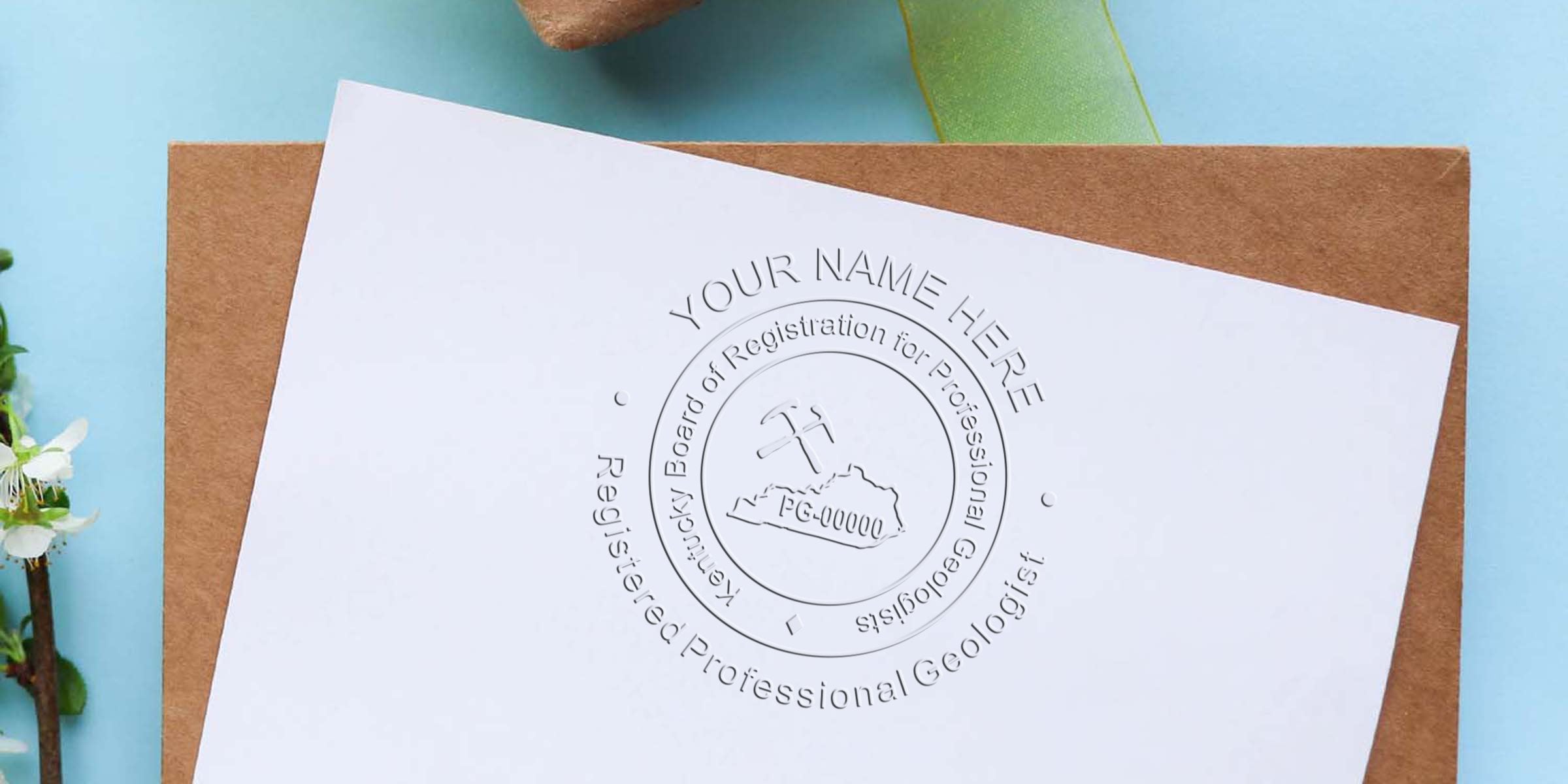
Finding a geologist stamp embosser in Kentucky can feel a bit overwhelming at first. After all, it’s not just another piece of stationery it’s a key part of your professional identity. If you’re a registered geologist working in the Bluegrass State, you might be wondering how to pick an embosser that meets all the rules while also reflecting the high caliber of your work. In this guide, we’ll walk through everything you need to know to make a confident choice, from state requirements to supplier tips, and even how to maintain your embosser for the long haul.
The right tools don’t just give you peace of mind, they also help you look more professional and prepared. When your seal is crisp, easy to read, and distinctly yours, it shows that you take your work seriously. Let’s dive in and explore how to find the geologist stamp embosser Kentucky regulations call for, so you can streamline your paperwork and focus on what you do best—geology.
Understand The Geologist Stamp Embosser
A geologist stamp embosser is a specialized device that imprints raised text or images onto paper. You’ve probably seen embossed seals on diplomas or official government documents. In the context of your geology practice, this tool helps identify you as the professional who’s signing off on important reports, site evaluations, or technical documents.
Why Kentucky Geologists Need It
In Kentucky, a clearly embossed seal on your documents can be the difference between a smooth approval process and a pile of administrative headaches. Local boards, clients, and regulatory agencies expect official documents to carry a seal that confirms your credentials. When you emboss your reports, geological surveys, or professional letters, you’re showing that your work stands on solid legal and professional ground.
Plus, an embossed imprint offers a sense of permanence. Unlike a simple ink stamp that might fade or smudge over time, a raised seal maintains its clarity and is often more difficult to forge. That’s especially valuable when your paperwork needs to remain valid and legible for years to come.
Key Features Of An Embosser
Choosing the right embosser goes beyond picking a design. Consider the following:
- Handle Design: Some embossers come with a long-reach handle for better leverage and comfort, reducing hand fatigue.
- Impression Orientation: Check whether you need a top-load or side-load model, depending on how you position your documents when you seal them.
- Text Clarity: High-quality embossers deliver crisp, readable text. You don’t want to strain to see your name or license number.
- Portability: If you travel often, a pocket embosser might be ideal. For office-based work, a desk model provides sturdy support.
The goal is to get an embosser that blends durability with convenience. You’ll likely be using it for the duration of your career, so it’s smart to invest in a quality product from the start.
Check Kentucky Requirements
Before you order any geologist stamp embosser, it’s important to confirm that it meets Kentucky’s official guidelines. Each state has its own rules for professional stamps and seals, and those rules often detail the layout, text, and even the specific wording you need to include.
Official Guidelines To Follow
Kentucky typically requires that your seal includes, at a minimum:
- Your name as it appears on your license.
- Your license number.
- A reference to your licensed professional title—“Professional Geologist” or the local equivalent.
- The state name, which should appear clearly— “Kentucky” or its abbreviation could be required.
While the exact phraseology might vary, the essence remains the same: the seal must make it clear who you are, what you do, and where you’re licensed. You can check with the Kentucky Board of Professional Geologists or a similar state authority to get the most up-to-date guidance. That way, you’ll avoid any compliance snags later on.
Common Mistakes To Avoid
Even a small oversight can invalidate your professional seal. To stay on the safe side:
- Don’t Use Humor: Resist adding witty taglines or graphics. Official documents call for a serious design.
- Avoid Inaccurate Wording: If the board stipulates “Professional Geologist,” don’t shorten it to “Prof. Geo.”
- Check Spelling Carefully: A misspelled name can create legal or administrative chaos down the road.
Finally, remember that Kentucky might update its guidelines over time. It’s a good habit to check official resources annually or whenever your license comes up for renewal. That way, you’re always ahead of potential changes.
Pick A Reliable Supplier
Once you’ve nailed down the design requirements, the next major step is choosing a supplier you trust. You might find a slew of online vendors offering geologist embossers at a discount. But there's more to a supplier than just a low price. Quality, customer service, and reliability matter—a lot.
Acorn Sales Advantages
One name you’ll want to keep on your radar is Acorn Sales. We’ve been in business since 1964, supplying reliable stamps and seals to professionals across various industries, including geology. Our experience means we understand what geologists need, and we pride ourselves on making the buying process smooth and transparent.
Here’s what sets Acorn Sales apart:
- Free Digital Seal: When you purchase an embosser or stamp, you get a complimentary digital copy of your seal. That’s a lifesaver if you need to upload documents electronically.
- Quality Materials: Our embossers are built to last, with sturdy metal frames and precision-cut dies for crisp imprints.
- Personalized Support: Got questions about Kentucky guidelines or the best embosser model for you? We’re here to help every step of the way.
- Quick Turnaround: We know you’re on a deadline, so our production times are designed to get your embosser to you as soon as possible.
If you want to ensure your design is Kentucky-compliant, check out our kentucky geologist stamp page. It’s a convenient hub for the latest seal designs that meet state-specific standards.
Tips For Secure Ordering
Online shopping for professional tools is easier than it once was, but you still want to take sensible precautions:
- Confirm SSL Security: Look for the padlock icon in the website’s URL bar to protect your personal and payment information.
- Use a Trusted Payment Method: Credit cards, reputable e-wallets, or other secure digital payment systems can offer additional layers of fraud protection.
- Review Return Policies: Even if you’re sure about your design, it helps to know whether you can exchange or modify your seal if needed.
When it comes to something as crucial as a legal seal, it’s better to be cautious. Double-checking the integrity and reputation of your supplier pays off by giving you genuine peace of mind.
Use Your Embosser Correctly
Even the best embosser in the world won’t help if you don’t use it correctly. Proper application ensures your seal looks neat, consistent, and thoroughly professional. Think of it like signing your name a practiced, consistent motion yields the best result every time.
Proper Positioning And Pressure
Remember how your grade-school teacher showed you to press firmly but not too hard when stamping ink onto paper? The same principle applies to embossing. Place the paper in the embosser's opening so the text lines up in the right spot—usually near the bottom or side for official documents. Then, apply steady, even pressure to get that satisfying raised imprint.
- Aim For Flat Surfaces: Embossing on uneven or thicker materials like cardstock can result in a faint impression, so test a sample first.
- Avoid Re-Embossing: Once you’ve pressed the paper, avoid trying to readjust and press again, or you risk creating a double imprint that looks messy.
Storage And Maintenance Tips
Like any professional tool, your embosser will last longer with a little care:
- Keep It Clean: Dust or tiny bits of paper can get lodged in the metal plates, affecting the clarity of your seal. Give it a quick wipe-down after each significant batch of documents.
- Store In A Case: Many suppliers offer a small case or pouch. This prevents moisture or dirt build-up.
- Check Alignment Regularly: If you notice any shift or dull spots on your seal, it could be time for servicing or a replacement die.
A well-maintained embosser not only looks good, it also serves you reliably. Regular cleaning and occasional checks can help you spot small issues before they become bigger problems.
Wrap Up And Next Steps
A good geologist stamp embosser is more than a formality, it’s your personal hallmark. It reflects your professionalism, solidifies trust with clients and boards, and helps you meet Kentucky’s stringent requirements. By understanding the guidelines, picking a reliable supplier like Acorn Sales, and learning the best practices for storage and maintenance, you’ll set yourself up for a hassle-free experience.
Take your time, review your design, and confirm your details are correct before you place the order. If you’ve still got questions, reach out to a trusted vendor, or consult the Kentucky Board of Professional Geologists for additional clarity. With the right information and a well-made embosser in hand, you’ll be stamping (and embossing) with confidence in no time.
Frequently Asked Questions
Can I use an ink stamp instead of an embosser?
Yes, if Kentucky’s guidelines allow it, you can use a rubber stamp. However, many professionals prefer an embosser for its durability and the distinct raised impression it provides. Always confirm current state rules before making your purchase.
What happens if my name changes?
If you legally change your name, you’ll need a seal that reflects the updated information. Some suppliers offer discounted reorder options for name changes. Check with your supplier, and don’t forget to update relevant state licensing boards.
Is a free digital seal really important?
Absolutely. With more documents being submitted electronically these days, a digital seal can save you a lot of time. You can place the image on PDFs or send it via email without needing a physical imprint each time.
How often should I replace my embosser?
Most embossers last for years sometimes your entire career. However, the seal’s clarity can fade with heavy use. If your imprint starts looking uneven or faint, consider a replacement die or a new embosser.
Can I share my embosser with colleagues?
Generally, no. Your seal is legally tied to your professional identity, so you should be the only one who uses it. Sharing could create complications if documents are questioned or audited.








