

Written by Acorn Sales Company, manufacturing stamps and seals since 1964 · Reviewed by Holly R, VP of Sales and Marketing at Acorn Sales, against the Florida Board of Architecture and Interior Design and Fla. Stat. § 481.221(1), (2) on 21 September 2026 · Updated 21 September 2026
Circular for architects, hexagonal for interior designers, and both approximately two inches. Rule 61G1-16.002(1) draws a line most states never draw: “the seal of the architect shall be circular, and the seal of the interior designer shall be hexagonal.” Everything else about the two devices matches, including the size and the two circular lines carrying State of Florida at the top and the profession at the bottom. A hexagonal die is not a decorative choice here.
The face carries State of Florida within the two circular lines at the top, Registered architect within them at the bottom, the name of one architect, and the registration number. One name only. If you hold both credentials, rule 61G1-16.002(2) requires a single seal containing both the architect and interior design registration numbers rather than two devices.
Section 481.221(2) then puts seal, signature and date together on all final construction documents and instruments of service filed for public record, and gives them weight: “The signature, date, and seal shall be evidence of the authenticity of that to which they are affixed.”
Florida architect seal requirements at a glance
| Requirement | Florida rule | Source |
|---|---|---|
| Seal required | Yes | Fla. Stat. § 481.221(1), (2) |
| Required elements | State of Florida within the two circular lines at the top, Registered architect within the two circular lines at the bottom, The name of one architect and The registration number | Fla. Admin. Code r. 61G1-16.002(1) |
| Size and shape | Approximately two inches in diameter. | Fla. Admin. Code r. 61G1-16.002(1) |
| Device allowed | Ink, embossing or a computer generated impression, judged by what it leaves behind. | Fla. Admin. Code r. 61G1-16.001 |
| Signature and date | Seal, personal signature and date, on the final document filed for public record. | Fla. Stat. § 481.221(2) |
| What must be sealed | Final construction documents and instruments of service including drawings, plans, specifications and reports, when filed for public record. | Fla. Stat. § 481.221(2), (4), (6), (8) |
| Electronic seal | Florida names a federal standard. | Fla. Admin. Code r. 61G1-16.005 |
| Renewal and lapse | Florida takes the seal back. | Fla. Stat. § 481.221(11), (12) |
| Firm requirements | No certificate of authorization for the entity. | Fla. Stat. §§ 481.219, 481.221(10) |
| Regulator | The Florida Board of Architecture and Interior Design | Fla. Stat. ch. 481, pt. I, principally §§ 481.219 and 481.221, 2024 edition |
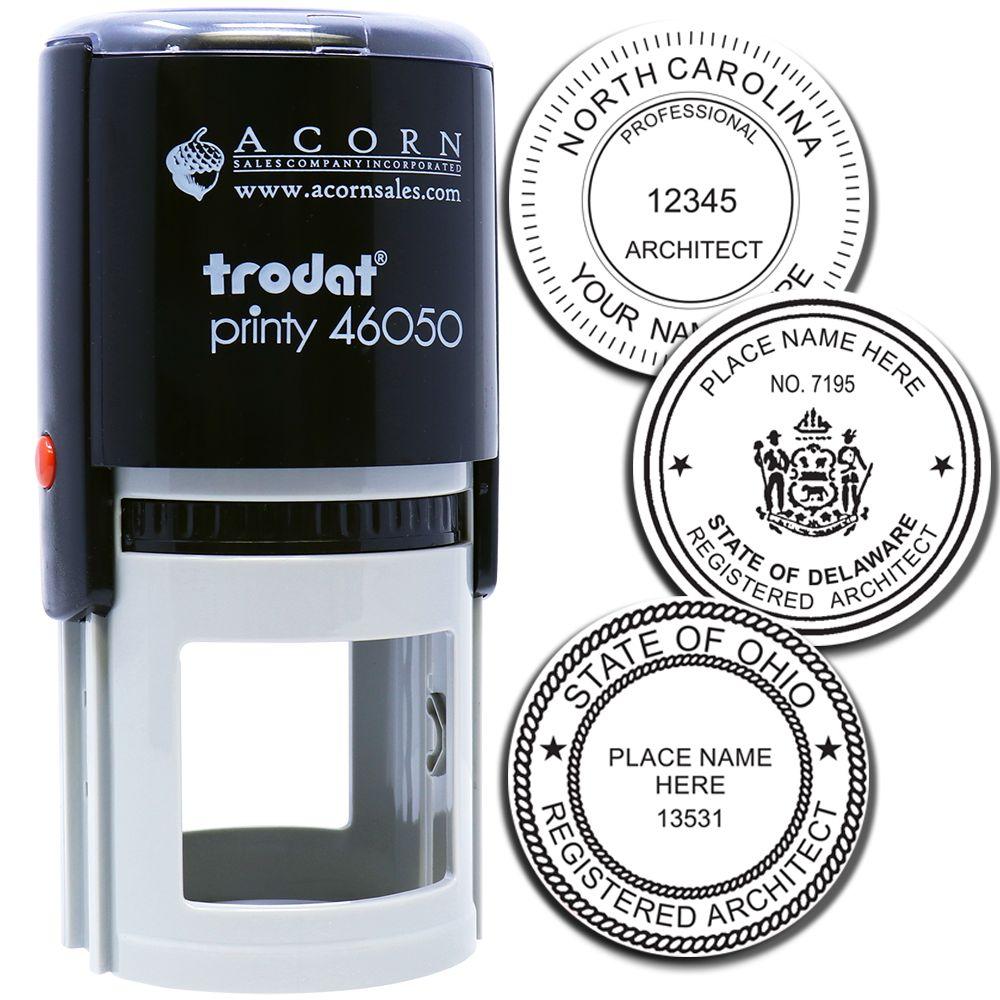

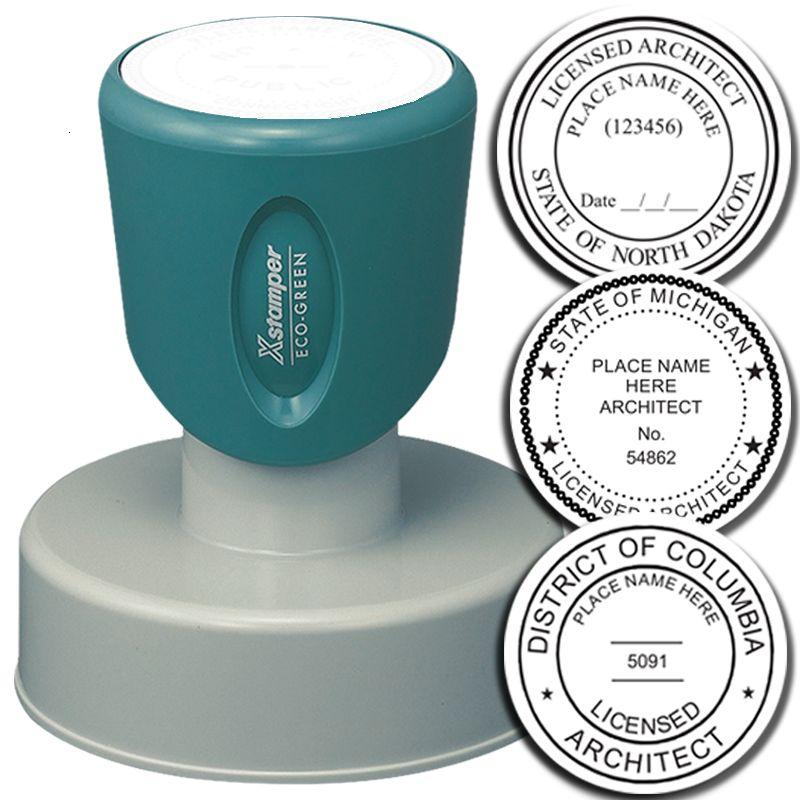


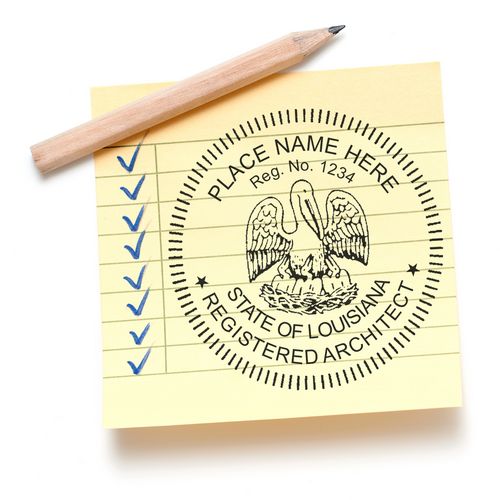
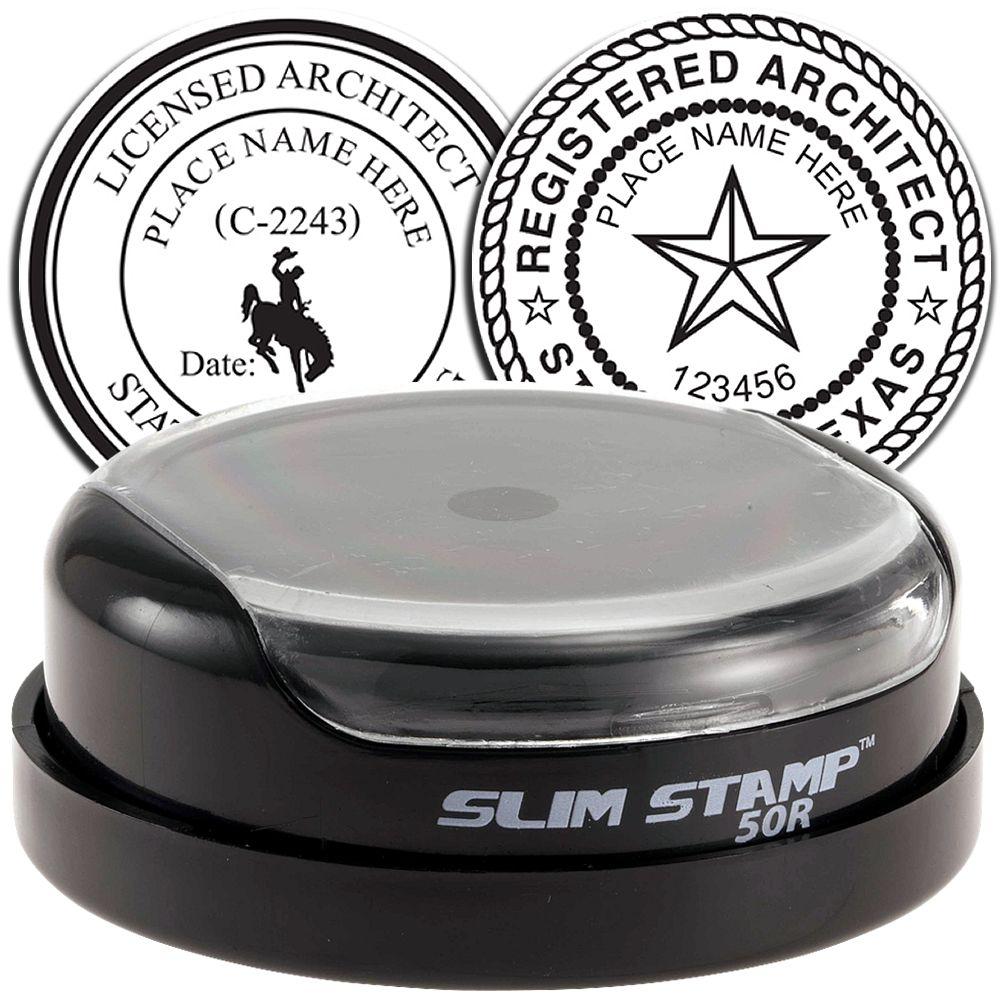

Is a seal required in Florida?
Florida Statutes section 481.221(1) has the Board prescribe by rule one or more forms of seals, and section 481.221(2) puts the duty on the licensee: each registered architect “shall obtain one seal in a form approved by rule of the board and may, in addition, register her or his seal electronically,” and “All final construction documents and instruments of service which include drawings, plans, specifications, or reports prepared or issued by the registered architect and being filed for public record shall bear the signature and seal of the registered architect who prepared or approved the document and the date on which they were sealed.” The statute then adds the evidentiary weight: “The signature, date, and seal shall be evidence of the authenticity of that to which they are affixed.” The seal itself is described in Florida Administrative Code rule 61G1-16.002.
What must appear on the seal
- State of Florida within the two circular lines at the top
- Registered architect within the two circular lines at the bottom
- The name of one architect
- The registration number
One name only, and the shape carries meaning. Rule 61G1-16.002(1) provides that “The seal shall contain the name of only one architect or interior designer and the registration number; the seal of the architect shall be circular, and the seal of the interior designer shall be hexagonal.” Both devices carry “State of Florida” at the top and the profession at the bottom between two circular lines. Rule 61G1-16.002(2) covers the dual registrant: “Any individual who is both a registered architect and a registered interior designer must use a seal which contains both the architect and interior design registration numbers.” There is no room for a firm name, a discipline line or an expiration date.
Size and shape
Approximately two inches in diameter. Rule 61G1-16.002(1) states that both the architect’s circular seal and the interior designer’s hexagonal seal “shall be approximately 2″ in diameter with two circular lines between which lines shall appear” the legends. The word approximately gives real tolerance, but two inches is the target and a 1-5/8 inch die ordered from a generic template is not it.




Embosser, rubber stamp or digital
Ink, embossing or a computer generated impression, judged by what it leaves behind. Rule 61G1-16.001 requires a seal “capable of leaving a permanent ink representation or other form of embossing or opaque and permanent impression, which also may be computer generated impressions, on the surface of prints or other duplications of drawings, and, as appropriate, upon specification pages, and other articles of service.” The word opaque is the operative one for an embosser: a dry impression that does not read on a print does not meet the rule. The safe buy is an inked stamp at approximately two inches. Electronic files are sealed under rule 61G1-16.005.
Signing and dating
Seal, personal signature and date, on the final document filed for public record. Rule 61G1-16.003(1) makes the point that a corporate device will not do: “The personal seal, signature and date of the architect or interior designer shall appear on all architectural or interior design documents to be filed for public record and shall be construed to obligate his partners or his corporation. A corporate seal alone is insufficient. Documents shall be signed personally and sealed by the responsible architect or interior designer.” The same subsection says final official record documents, not tracings, are the ones to be signed, that signing and sealing the specification index sheets is adequate for specifications, and that all drawing sheets and pages are to be signed and sealed.
Circle for architects, hexagon for interior designers, and both about two inches
Rule 61G1-16.002(1) draws a line most states never draw: “the seal of the architect shall be circular, and the seal of the interior designer shall be hexagonal.” The shape is the credential. Everything else about the two devices matches, including the approximately two inch size and the two circular lines carrying State of Florida at the top and the profession at the bottom. A hexagonal die is not a decorative choice in Florida; it is the interior design seal.
Which documents must be sealed
Final construction documents and instruments of service including drawings, plans, specifications and reports, when filed for public record. Rule 61G1-16.003(1) sets the sheet level detail and the authorship limit: an architect “shall not affix, or permit to be affixed, his seal or name to any plan, specifications, drawings, or other related document which was not prepared by him or under his responsible supervising control.” Section 481.221(6) is the statutory version of the same rule, allowing adoption of another registered architect’s work only where it is reviewed, approved or modified and adopted as the architect’s own. Section 481.221(4) bars sealing work the architect is not competent or registered to perform, and section 481.221(8) requires the documents to be “of a sufficiently high standard to clearly and accurately indicate or illustrate all essential parts of the work to which they refer.” Rule 61G1-16.003(2) gives bound electronic sets a break: where all transmitted drawings arrive as a single bound and secured set, the digital signature and seal on the cover or first sheet suffice if an accurate index of drawings listing every sheet with its number and latest revision date is included on that sheet.



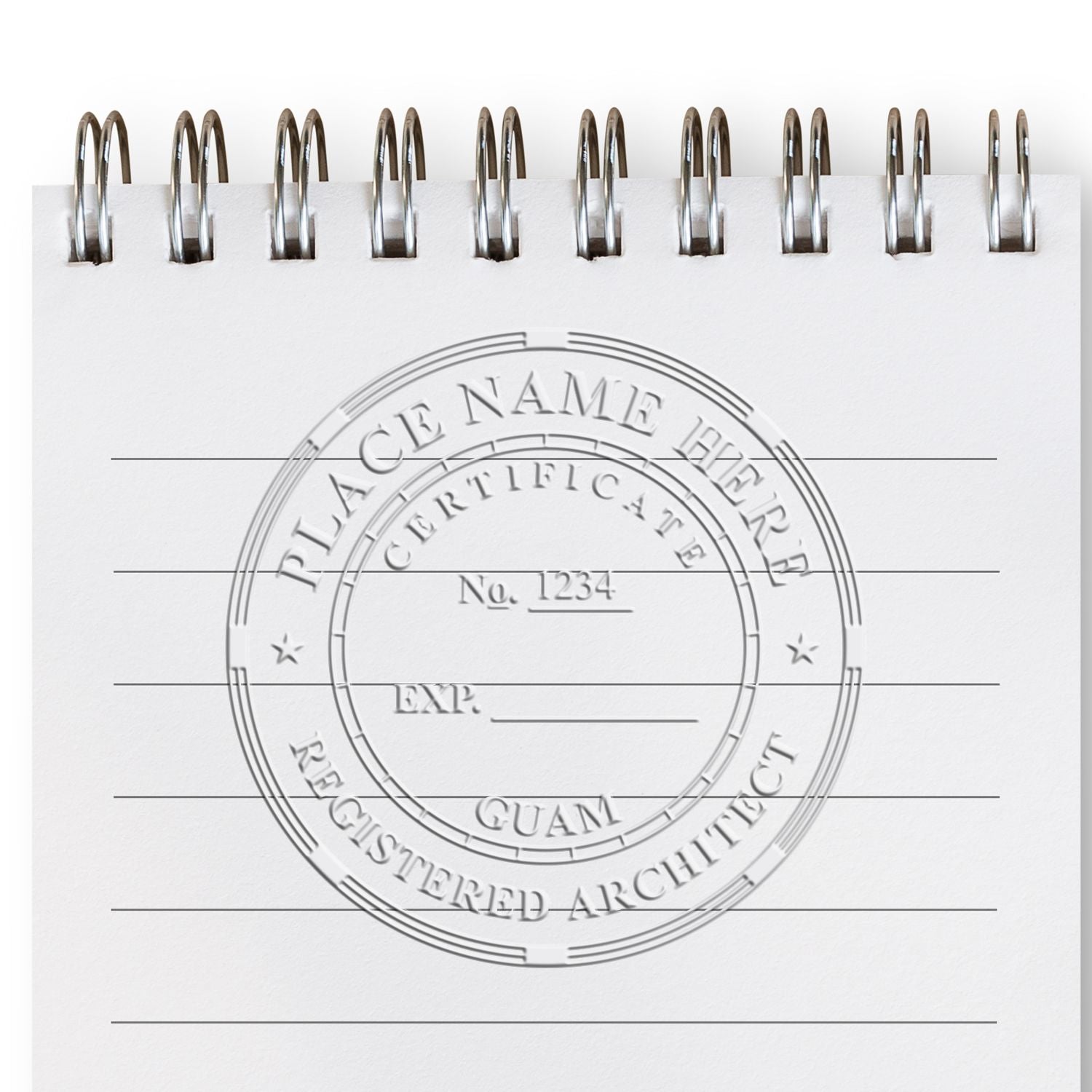
Electronic and digital seals
Florida names a federal standard. Rule 61G1-16.005(2) requires a digital or electronic signature that is unique to the person using it, “Capable of verification within the native software and without use of a third-party,” under the sole control of that person, and linked to the document so the signature is invalidated if any data in the document changes. Rule 61G1-16.005(3) then requires an authentication code: “Each digitally or electronically signed file shall have an authentication code defined as a message digest described in Federal Information Processing Standard Publication 180-4 ‘Secure Hash Standard,’ March 2012,” adopted and incorporated by reference. Rule 61G1-16.005(1)(a) bars a scanned image of an original signature in lieu of a digital or electronic signature, except where a governmental entity required such a scanned image during the Covid-19 pandemic. Rule 61G1-16.005(1)(b) requires the date the electronic signature file was created or the digital signature was placed to appear on the document in the same way the date appears under the manual procedure. Section 481.221(2) separately allows registering the seal electronically under sections 668.001 to 668.006.
Renewal, lapse and retirement
Florida takes the seal back. Section 481.221(11) provides that when the certificate of registration of a registered architect or interior designer has been revoked or suspended by the board, the registrant “shall surrender her or his seal to the secretary of the board within a period of 30 days after the revocation or suspension has become effective,” with the seal returned at the end of a fixed suspension. Section 481.221(12) repeats the duty with the executive director as recipient and adds a written confirmation of the cancellation of the electronic signature, and states the bar directly: “A person may not sign and seal by any means any final plan, specification, or report after her or his certificate of registration has expired or is suspended or revoked.” Rule 61G1-16.003(1) adds that an architect may not use the seal unless holding at the time a certificate of registration and all required renewals. The registration number does not change on renewal, and no expiration date appears on the seal, so renewal alone never requires a new device.
Firm requirements
No certificate of authorization for the entity. Florida qualifies the business through a person rather than certifying the business itself. Section 481.219 is explicit that “This section may not be construed to mean that a certificate of registration to practice architecture must be held by a business organization,” and instead requires a qualifying agent who is a registered architect. What does travel with the firm is an advertising duty: section 481.221(10) requires each registered architect to include the license number in any newspaper, telephone directory or other advertising medium, and requires each business organization to include the license number of the registered architect serving as its qualifying agent. None of that goes on the seal, whose content is closed by rule 61G1-16.002(1).
What to check before you order
Order a circular seal of approximately two inches with two circular lines, STATE OF FLORIDA between them at the top and REGISTERED ARCHITECT between them at the bottom, and one architect’s name with the registration number. If you also hold Florida interior design registration, order a single seal carrying both registration numbers rather than two devices. Choose an ink stamp over a dry embosser, since the rule asks for an opaque and permanent impression on prints and duplications. Leave off any firm name, discipline or expiration date. Be ready to surrender the seal to the board within thirty days if your registration is ever suspended or revoked.
Browse architect stamps and seals.
- Top Architect Seal Stamps That Will Impress Your Clients
- Top Florida Architect Seal Embossers for Every Budget
- When You Need a Florida Architect Embossing Seal
Frequently asked questions
Is an architect seal required in Florida?
Yes. Section 481.221(2) requires each registered architect to “obtain one seal in a form approved by rule of the board,” and provides that “All final construction documents and instruments of service which include drawings, plans, specifications, or reports prepared or issued by the registered architect and being filed for public record shall bear the signature and seal of the registered architect who prepared or approved the document and the date on which they were sealed.” Section 481.221(1) has the Board prescribe the forms by rule, and rule 61G1-16.002 describes the seal.
What has to appear on a Florida architect seal?
Four things under rule 61G1-16.002(1): State of Florida within the two circular lines at the top, Registered architect within them at the bottom, the name of one architect, and the registration number. The rule says the seal shall contain the name of only one architect. There is no room for a firm name, a discipline line or an expiration date.
What size is a Florida architect seal?
Approximately two inches in diameter. Rule 61G1-16.002(1) states that both the architect’s circular seal and the interior designer’s hexagonal seal “shall be approximately 2″ in diameter with two circular lines between which lines shall appear” the legends. The word approximately gives real tolerance, but two inches is the target, and a 1-5/8 inch die ordered from a generic template is not it.
Can I use an embosser in Florida?
Yes, if the impression reads. Rule 61G1-16.001 requires a seal “capable of leaving a permanent ink representation or other form of embossing or opaque and permanent impression, which also may be computer generated impressions, on the surface of prints or other duplications of drawings, and, as appropriate, upon specification pages, and other articles of service.” The operative word for an embosser is opaque: a dry impression that does not read on a print does not meet the rule. An inked stamp at approximately two inches is the straightforward buy.
Does a corporate seal work in Florida?
No. Rule 61G1-16.003(1) is direct: “The personal seal, signature and date of the architect or interior designer shall appear on all architectural or interior design documents to be filed for public record and shall be construed to obligate his partners or his corporation. A corporate seal alone is insufficient. Documents shall be signed personally and sealed by the responsible architect or interior designer.”
Which documents have to be sealed in Florida?
Final construction documents and instruments of service including drawings, plans, specifications and reports, when filed for public record. Rule 61G1-16.003(1) says final official record documents, not tracings, are the ones to be signed, that signing and sealing the specification index sheets is adequate for specifications, and that all drawing sheets and pages are to be signed and sealed. Section 481.221(8) adds that the documents must be “of a sufficiently high standard to clearly and accurately indicate or illustrate all essential parts of the work to which they refer.”
Can I seal someone else’s work in Florida?
No. Rule 61G1-16.003(1) provides that an architect “shall not affix, or permit to be affixed, his seal or name to any plan, specifications, drawings, or other related document which was not prepared by him or under his responsible supervising control.” Section 481.221(6) is the statutory version, allowing adoption of another registered architect’s work only where it is reviewed, approved or modified and adopted as your own. Section 481.221(4) separately bars sealing work you are not competent or registered to perform.
Do I have to seal every sheet of an electronic set in Florida?
Not where the set is bound and secured. Rule 61G1-16.003(2) provides that where all transmitted drawings arrive as a single bound and secured set, the digital signature and seal on the cover or first sheet suffice, provided an accurate index of drawings listing every sheet with its number and latest revision date is included on that sheet.
What digital signature standard does Florida require?
Florida names a federal one. Rule 61G1-16.005(2) requires a digital or electronic signature unique to the person using it, “Capable of verification within the native software and without use of a third-party,” under the sole control of that person, and linked to the document so the signature is invalidated if any data in the document changes. Rule 61G1-16.005(3) then requires an authentication code “defined as a message digest described in Federal Information Processing Standard Publication 180-4 ‘Secure Hash Standard,’ March 2012.” Rule 61G1-16.005(1)(a) bars a scanned image of an original signature in lieu of a digital or electronic signature, except where a governmental entity required one during the Covid-19 pandemic, and (1)(b) requires the creation or placement date to appear as it would under the manual procedure.
What happens to my Florida seal if my registration is suspended?
You surrender it. Section 481.221(11) requires a registrant whose certificate has been revoked or suspended to “surrender her or his seal to the secretary of the board within a period of 30 days after the revocation or suspension has become effective,” with the seal returned at the end of a fixed suspension. Section 481.221(12) repeats the duty with the executive director as recipient, adds written confirmation of the cancellation of the electronic signature, and states the bar directly: “A person may not sign and seal by any means any final plan, specification, or report after her or his certificate of registration has expired or is suspended or revoked.” The registration number does not change on renewal and no expiration date appears on the seal, so renewal alone never requires a new device.
Does a Florida architecture firm need a certificate of authorization?
No. Florida qualifies the business through a person rather than certifying the business itself. Section 481.219 states that “This section may not be construed to mean that a certificate of registration to practice architecture must be held by a business organization,” and requires a qualifying agent who is a registered architect. What does travel with the firm is an advertising duty: section 481.221(10) requires each registered architect to include the license number in any newspaper, telephone directory or other advertising medium, and requires each business organization to include the license number of its qualifying agent. None of that goes on the seal, whose content is closed by rule 61G1-16.002(1).








