
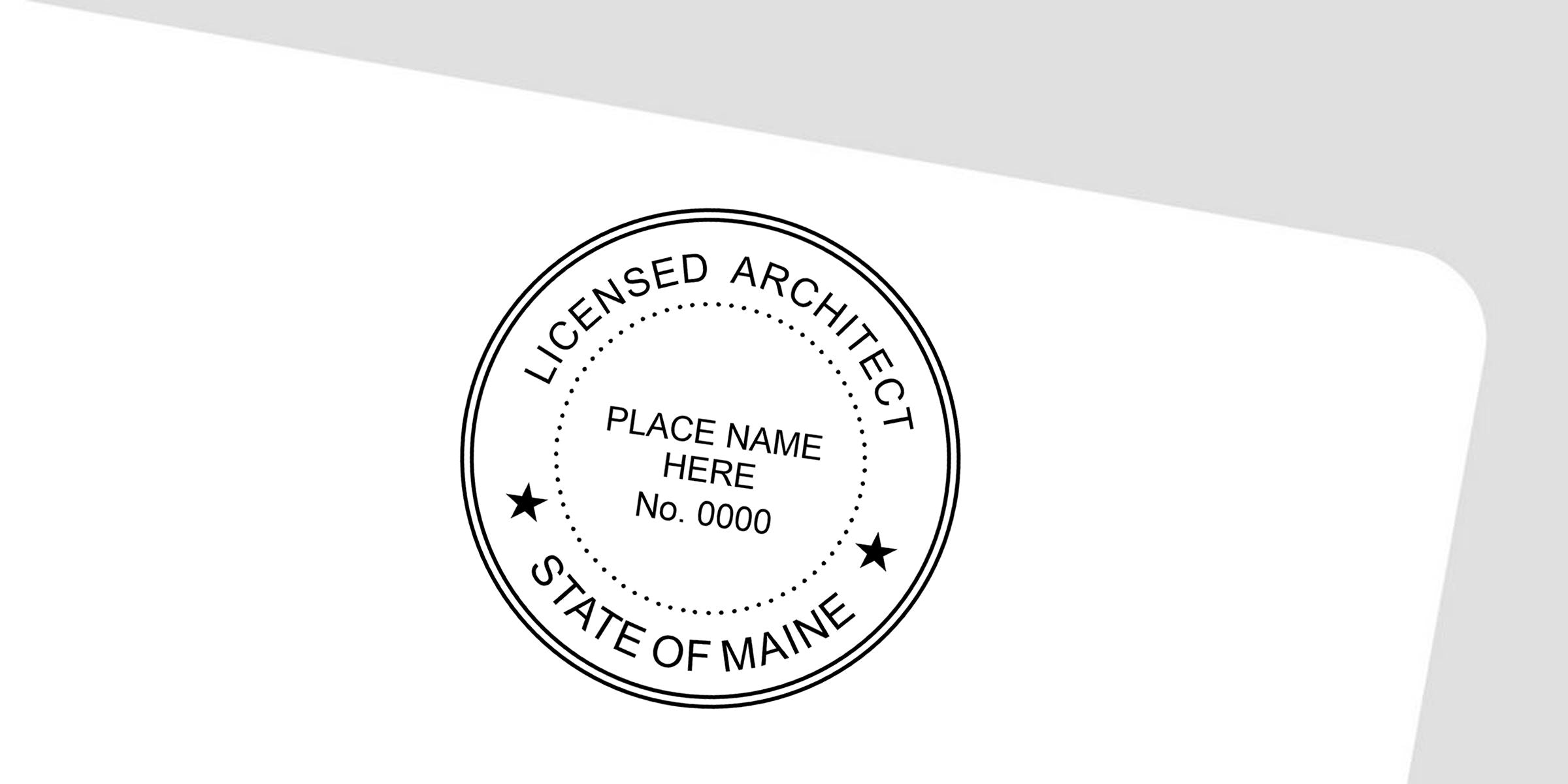
So you’re on the hunt for an architect seal stamp to add that professional signature to your documents. Maybe you’ve been looking around for something that not only meets regulations but also gives your clients a sense of confidence the moment they see it. An architect’s seal goes well past formality, especially when you want to establish trust, clarity, and authority in every set of blueprints or contracts you produce.
In this post, we’ll walk through everything you might need to know before you pick a stamp, from compliance details to how you can personalize your design to suit your style and brand. By the end, you’ll have a clear grasp of what makes a top-quality seal stamp, why it matters for your professional image, and how to select one that truly impresses your clients.
Embrace the architect seal stamp
Before we look at all the finer points, let’s pause and think about what an architect seal stamp really does. In many states, your official seal is a legal requirement that affirms you’ve met the licensing standards to design and sign off on projects. Your stamp is basically your professional thumbprint. When you have a crisp, well-placed seal on your drawings or documents, people see you as credible, authoritative, and fully qualified.
But this little seal can do more than handle legal formality. It’s a way to show clients that you care about precision and quality. It’s also a signal that your work meets the necessary guidelines and won’t face rejection from building departments or city planners. If you’ve ever seen a set of plans where the seal looks faded or misplaced, you already know how off-putting that can be. Making sure you get a reliable stamp is step one toward clarity in your professional presentation.
Legal acknowledgement
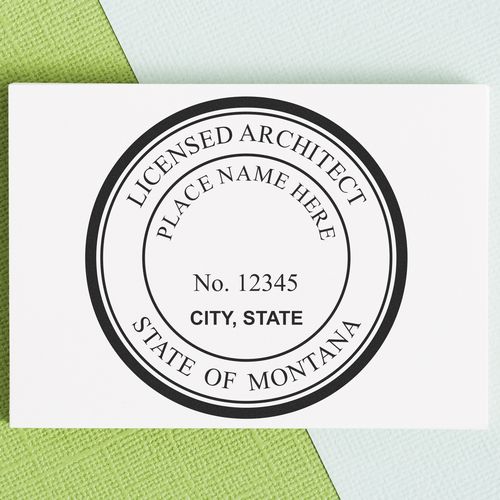
Architectural seals are intended to safeguard public health and safety. That’s why there are strict rules about who can use them and how they must appear. In nearly every state, your seal design must include your name, license number, and the words “Registered Architect” or “Licensed Architect.” The exact words can differ based on local regulations, but the general idea is consistent: your stamp is a visible pledge that you’re fully credentialed for the job.
A sign of professionalism
Think about it: if you had to choose between two sets of drawings, one with a perfectly crisp, clear seal and another with a smudged or generic-looking stamp, which would you trust more? Your seal speaks volumes about how you approach your work. It’s often a subtle detail, yet it leaves a big impression on your clients, team members, and approval boards. The more professional your stamp, the better you’ll stand out from the crowd.
Ensure compliance and credibility
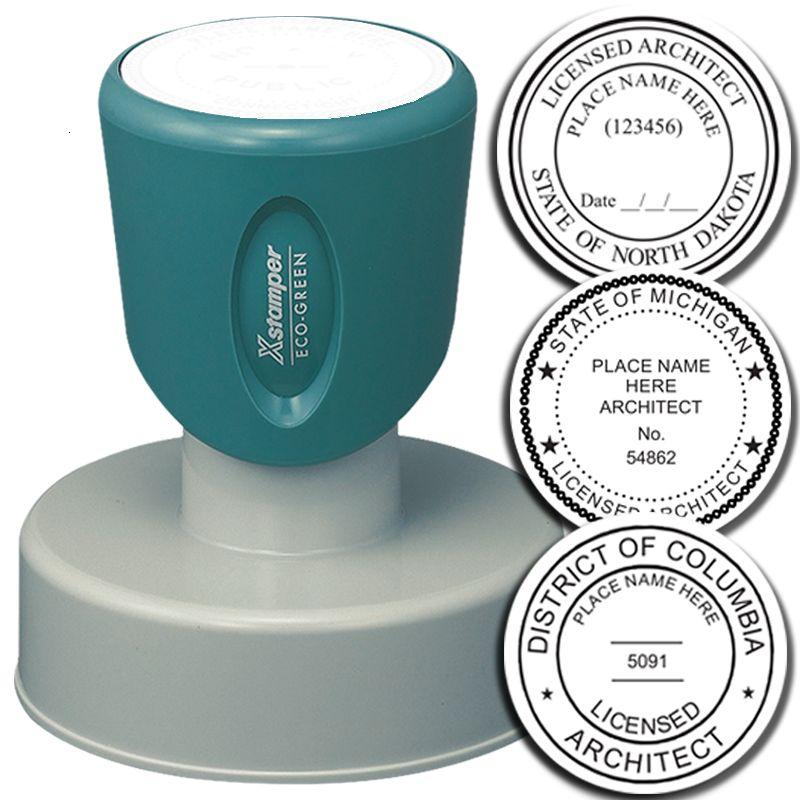
You can’t just buy any random stamp, start using it, and call it a day. Requirements for architect seals vary across states, so it’s important to verify what your specific licensing board mandates. State boards typically outline dimensions, wording, and even border styles. The last thing you want is to invest in a new seal only to realize it fails an inspection because it’s missing key text like “State of [Name]” or your unique license ID.
State board specifics
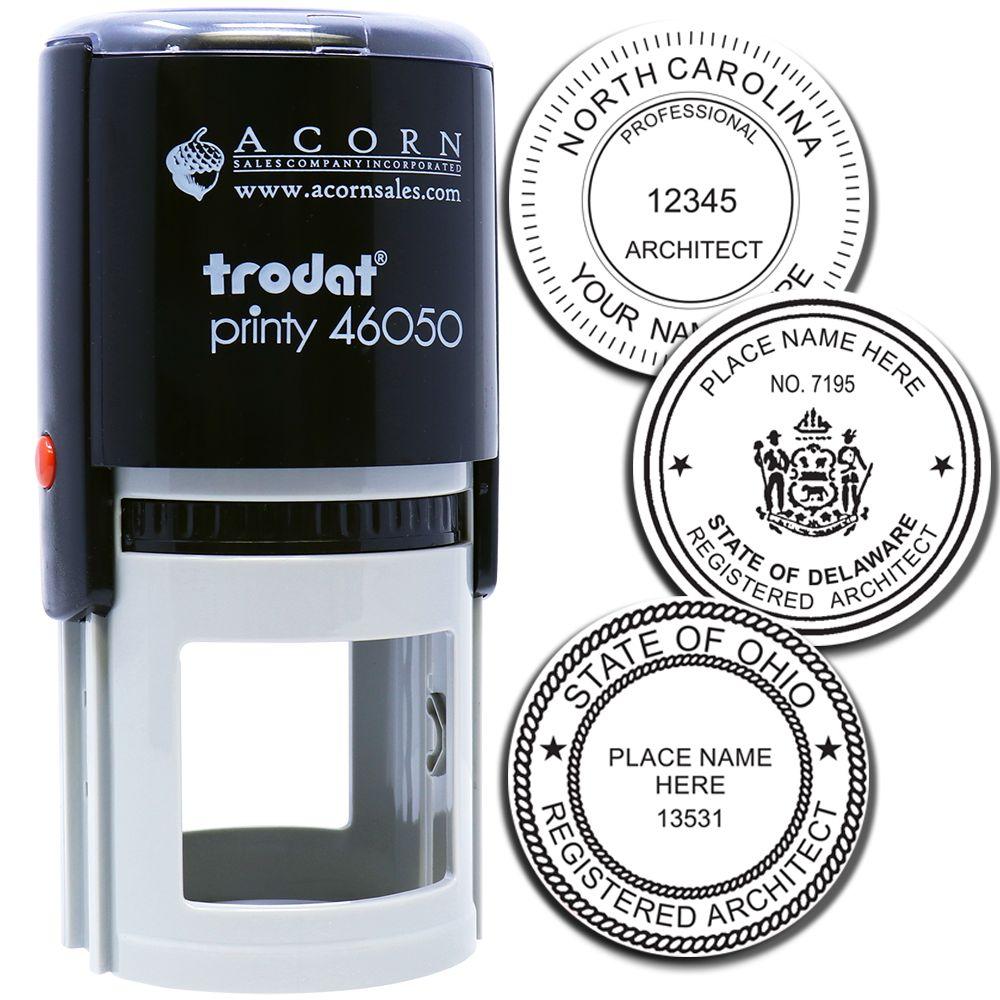
The good news is that reputable stamp providers stay current with the regulations and can guide you. For instance, Acorn Sales, in business since 1964, specializes in state board compliant seals made to your jurisdiction’s standards. They also serve up quick service, ensuring you don’t waste precious project time waiting for your seal to arrive. And here’s something that can save you a little extra hassle: they offer a Free Digital Seal with every stamp purchase, so you’re covered for both physical and electronic document submissions.

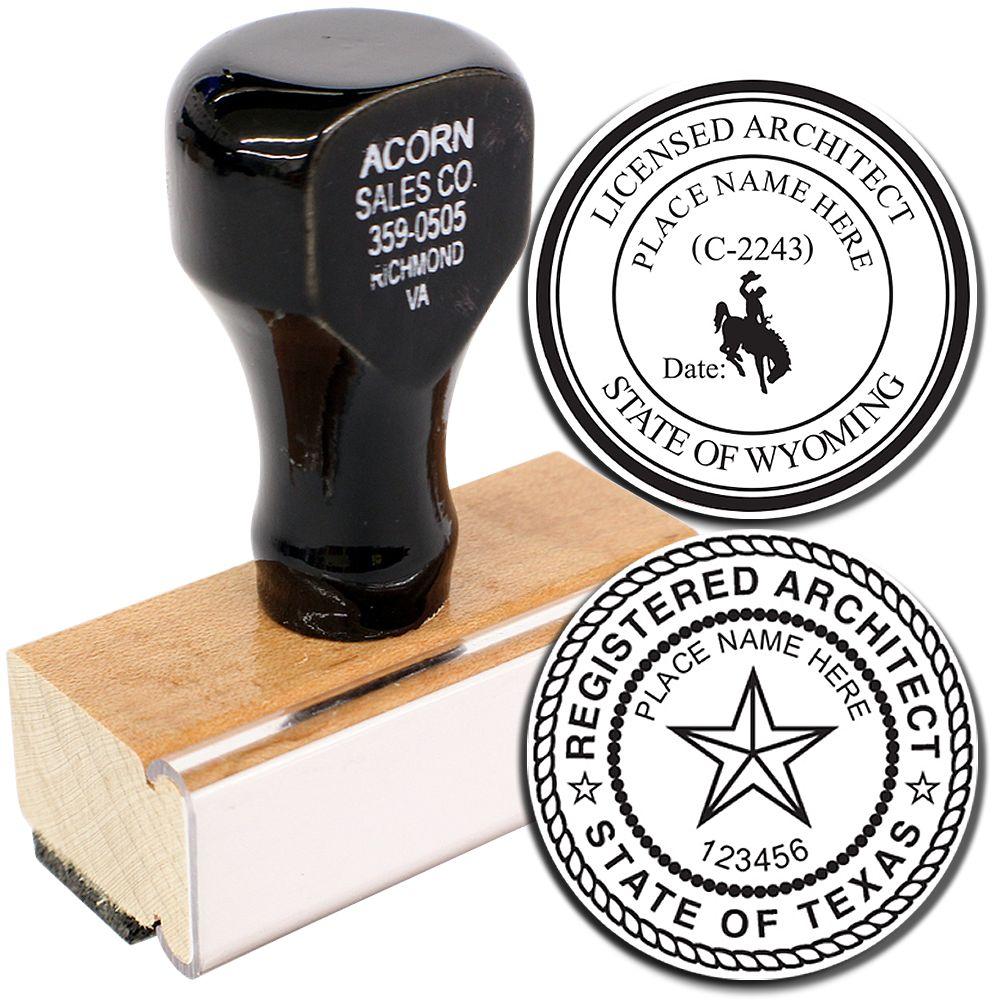
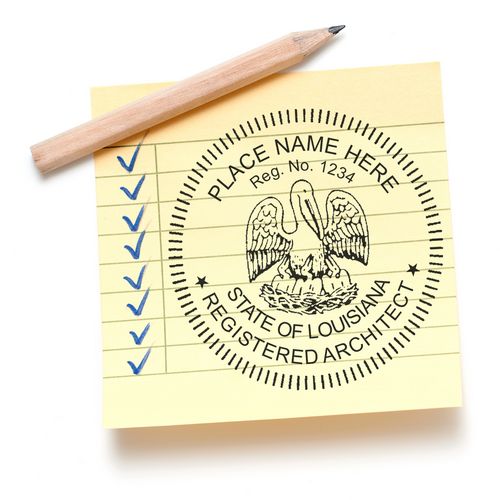
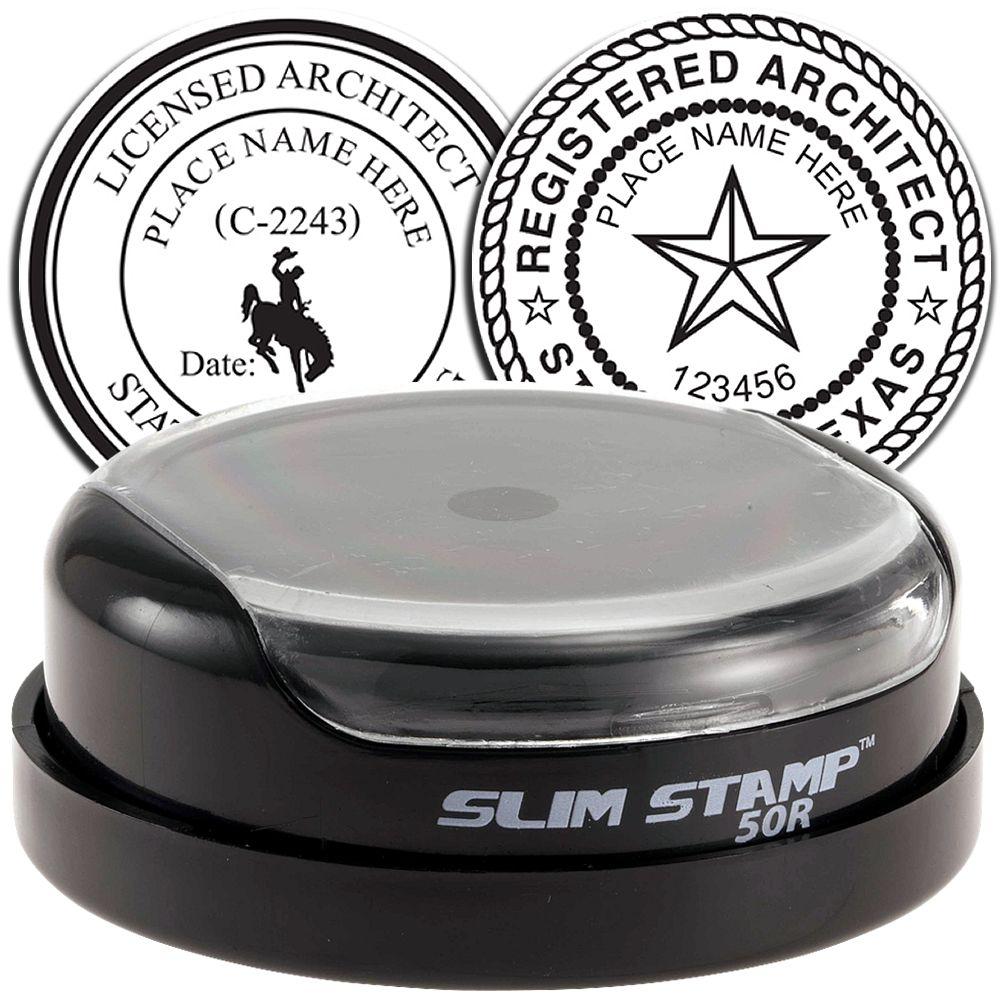

Why it matters
Approval processes can be stressful. If your state board or local building department notices that your seal doesn’t match regulatory standards, your projects might get delayed or even rejected. That’s why getting your stamp from a reliable supplier is important. It shows your clients you’re doing everything above board. It also protects your own professional standing because you’ll know you’re 100 percent in compliance with the latest guidelines.
Explore different stamp types
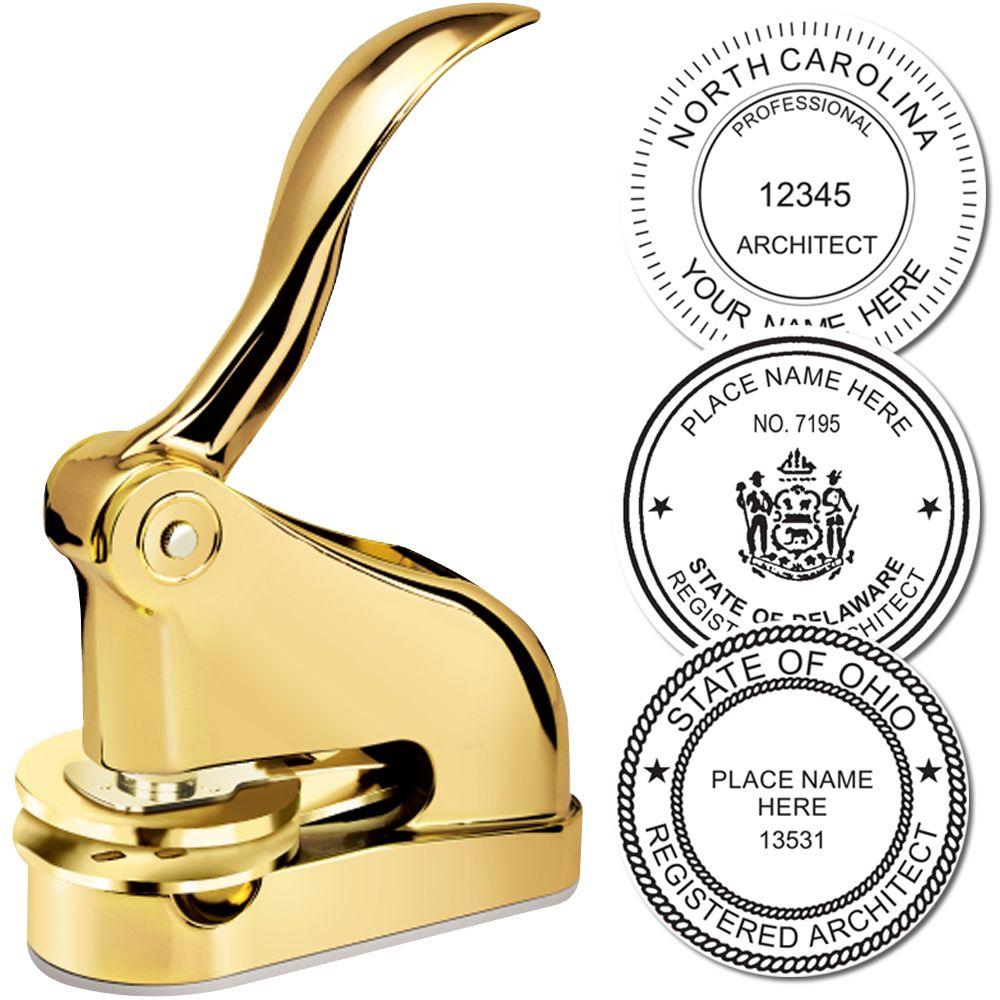
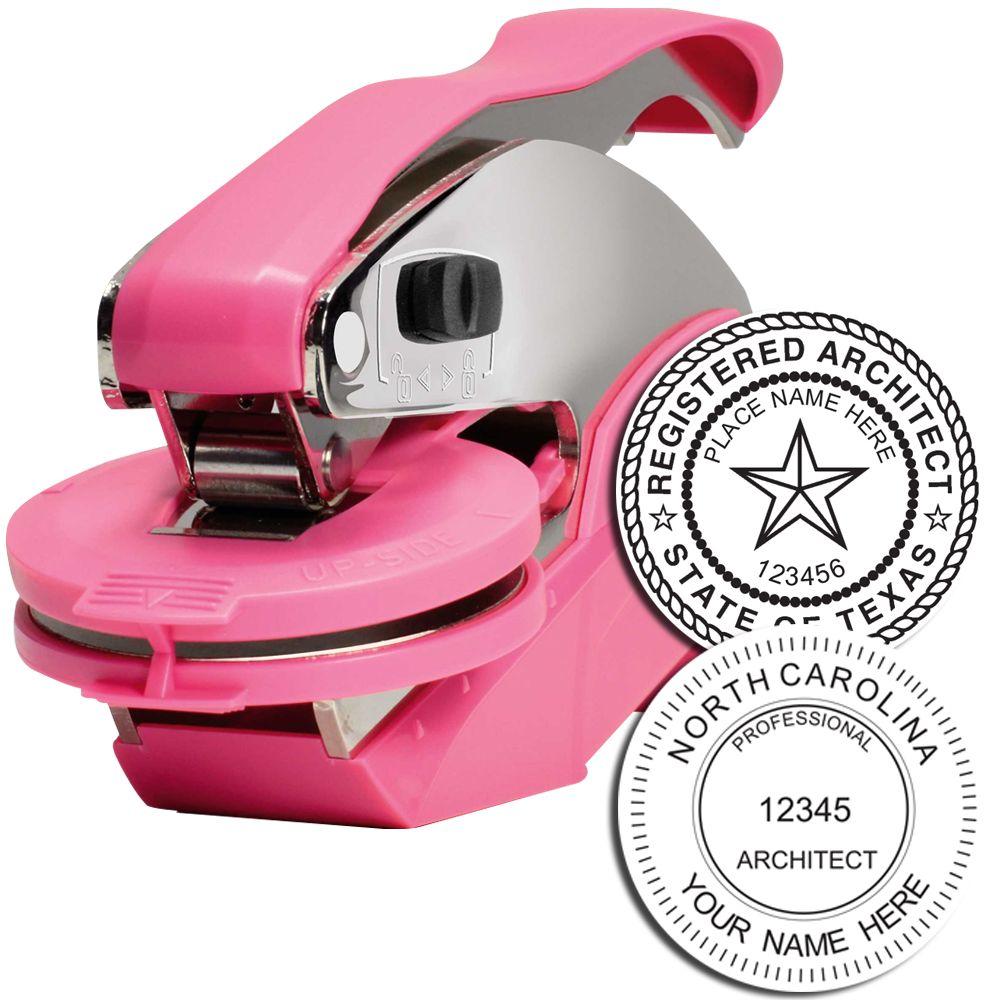
Nowadays, you have more choices than ever For the physical style of your architect seal stamp. Each type has its own pros and cons, so it helps to think about where, how often, and on what materials you’ll be using your seal. Let’s look at some of the most popular options.
| Stamp Type | Key Features | Ideal Use |
|---|---|---|
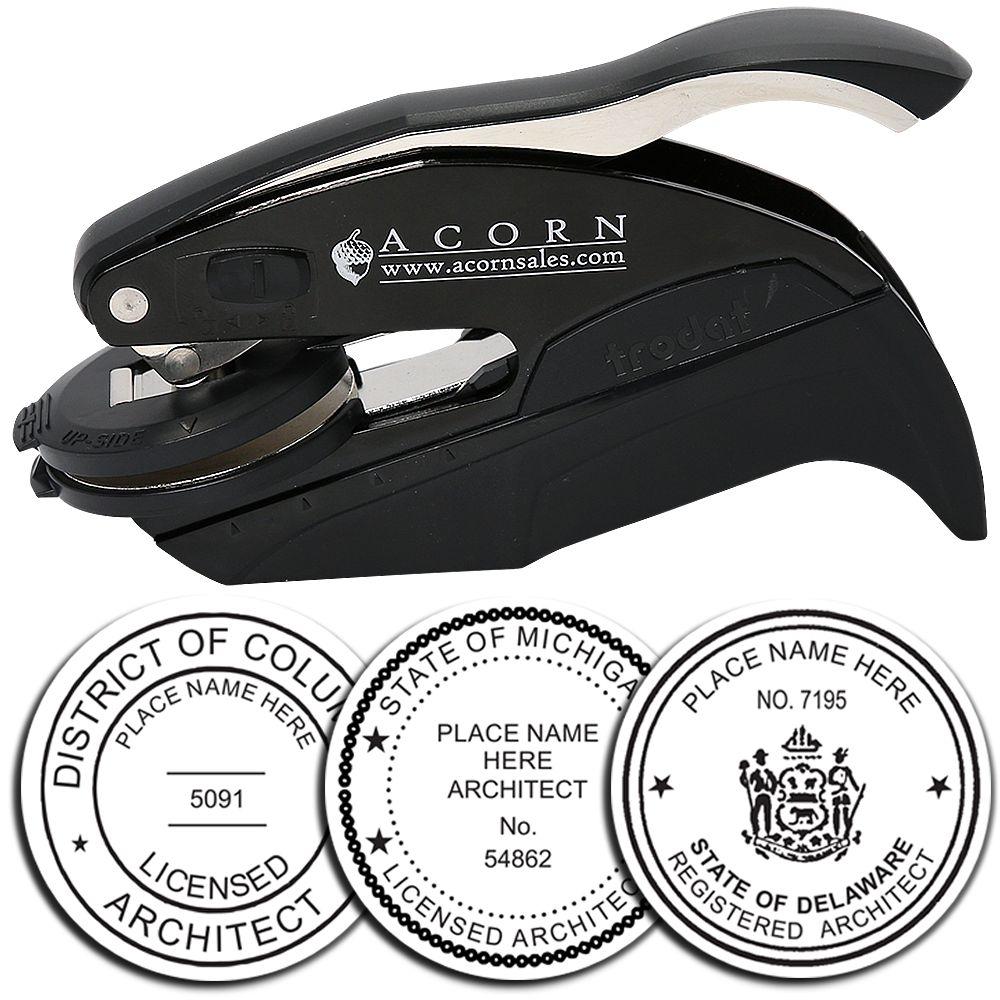
| Pre-Inked Stamp | Crisp impressions, no ink pad | Frequent stamping, clear details |
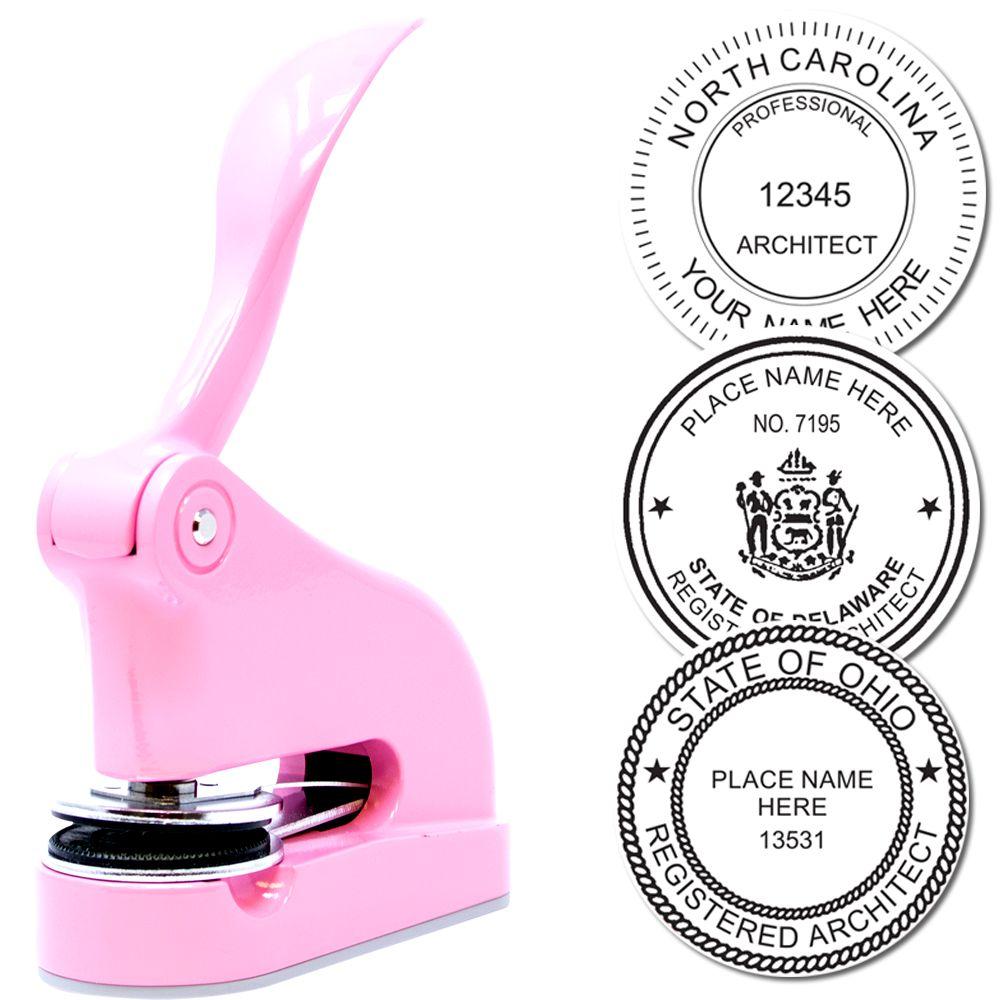
| Self-Inking Stamp | Built-in ink pad, fast stamping | On-site use, quick application |
| Embossing Seal | Raised mark, no ink needed | Official documents, prestigious look |
Pre-inked stamps
Pre-inked stamps offer some of the sharpest impressions around. The ink is actually contained within the stamp itself, so you don’t need a separate pad. If you plan on producing a lot of drawings and want each mark to be razor-sharp, this type is a solid bet.
Self-inking stamps
If you stamp documents throughout the day, a self-inking stamp can be a major convenience. Every time you press down, the stamp flips against the ink pad inside, so it’s ready to go again. This option is popular among busy offices where speed matters, and it’s especially handy if you’re working in multiple locations and need something portable.
Embossing seals
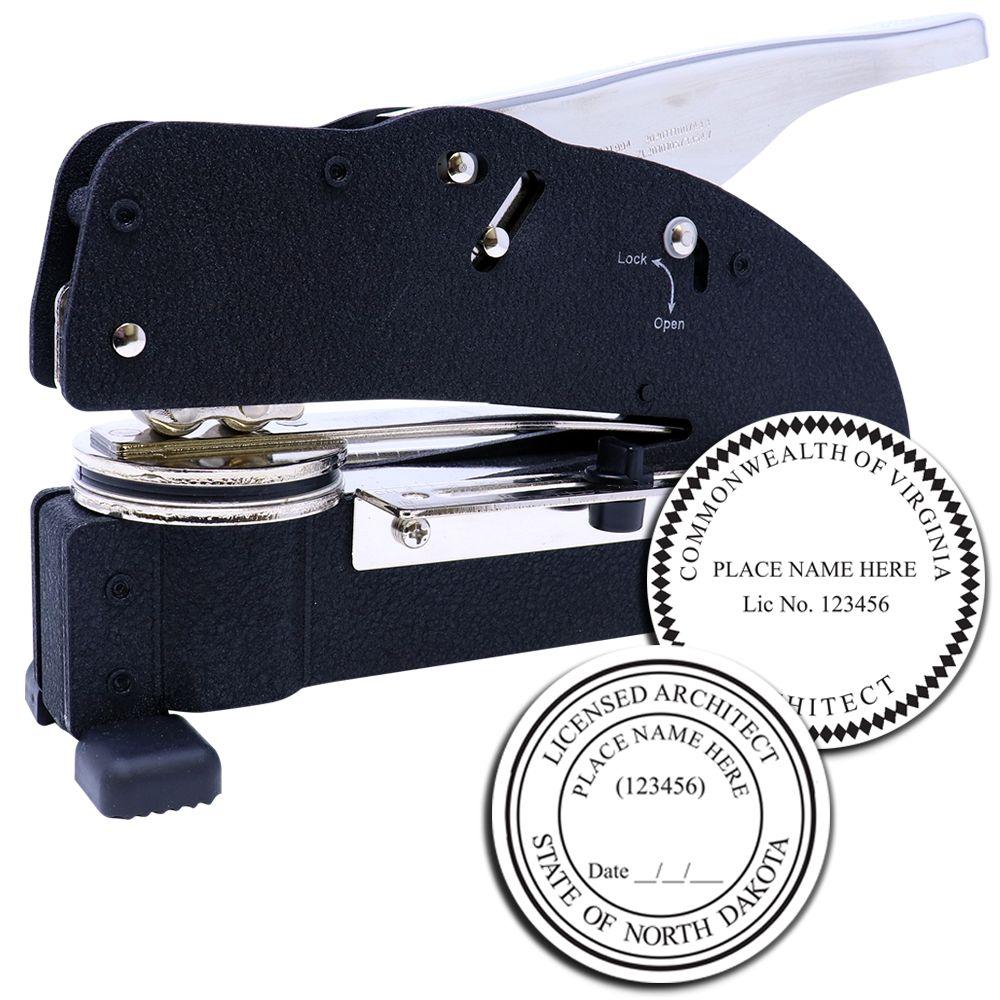
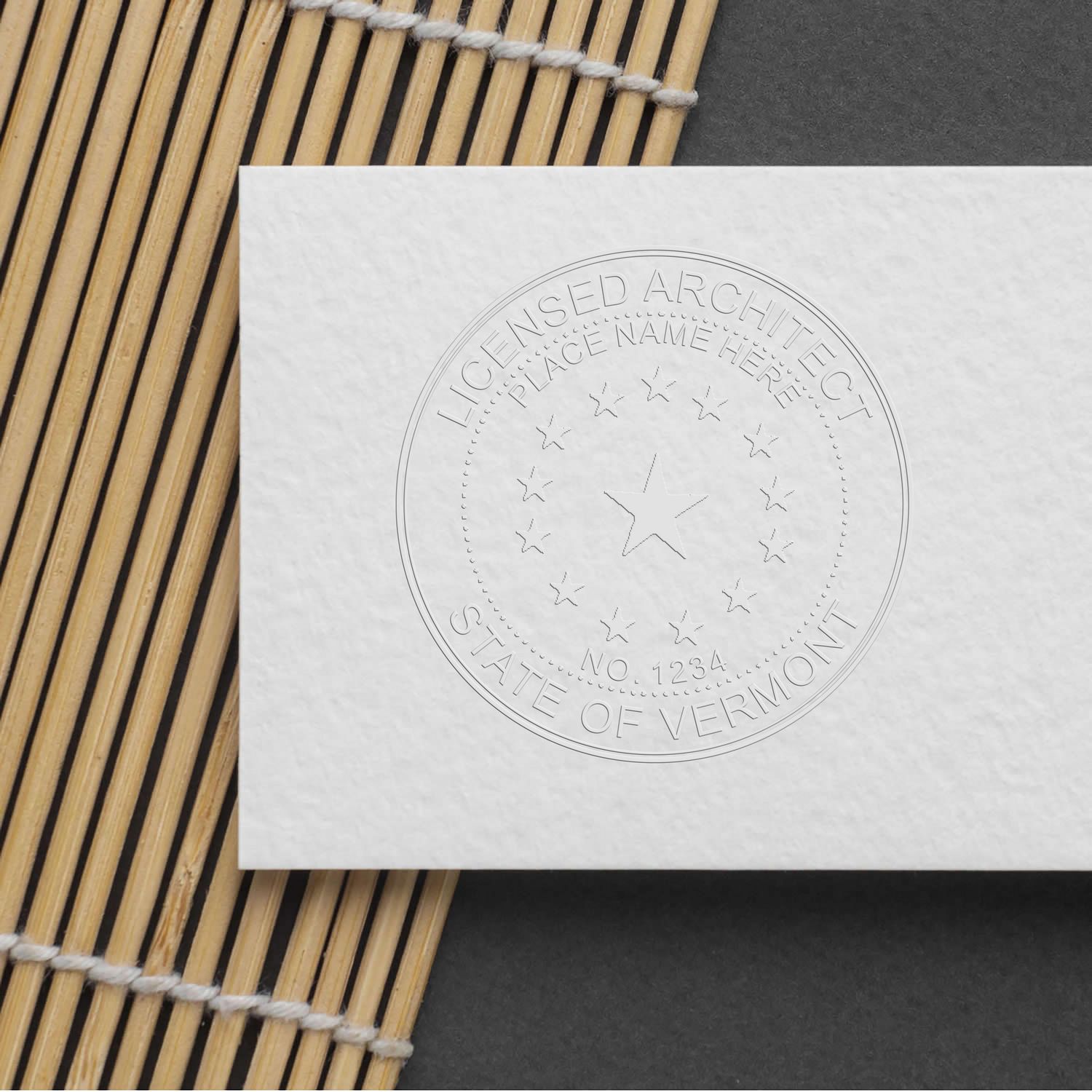
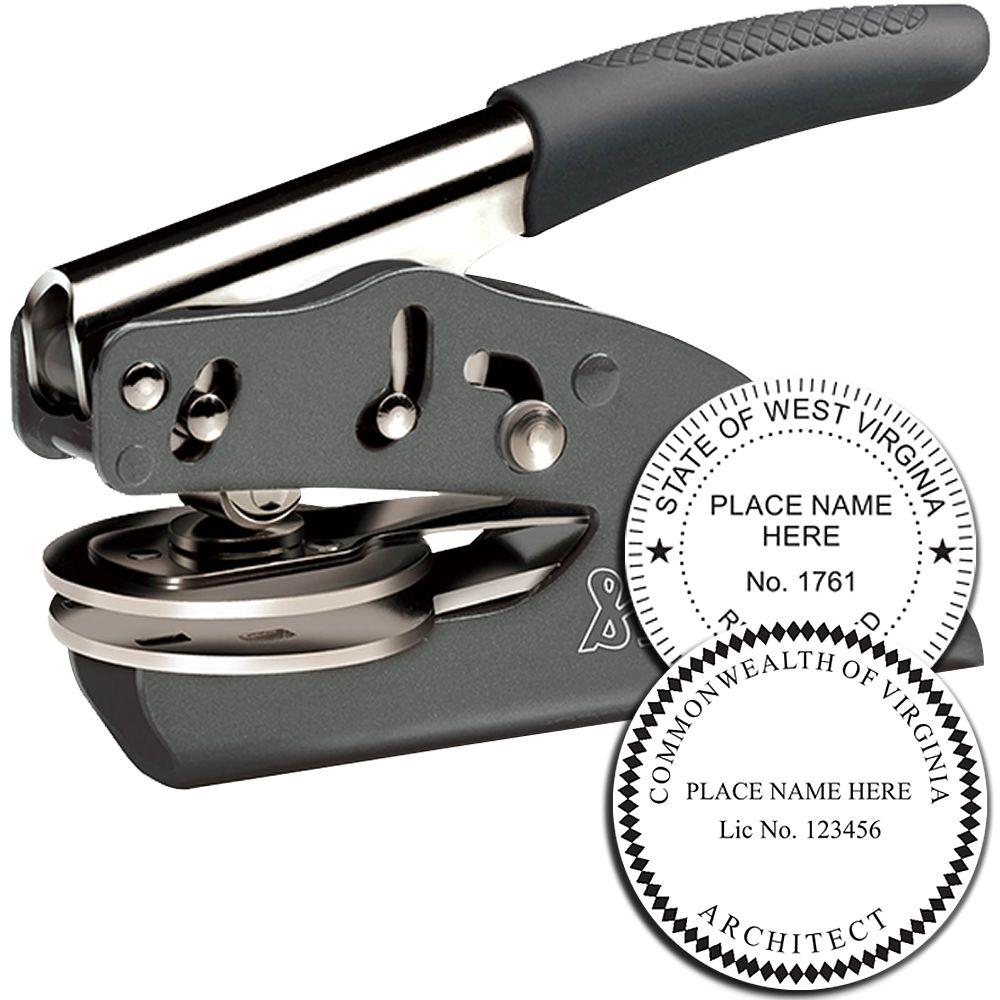
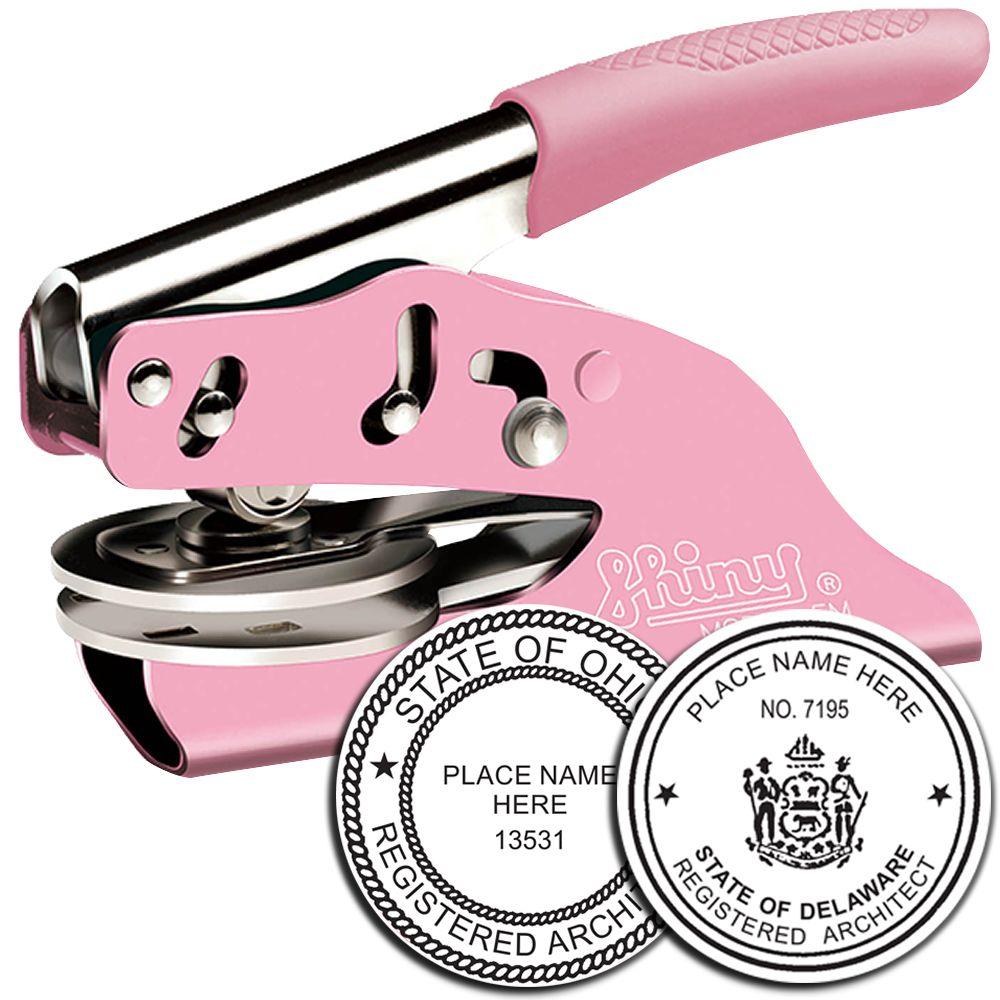
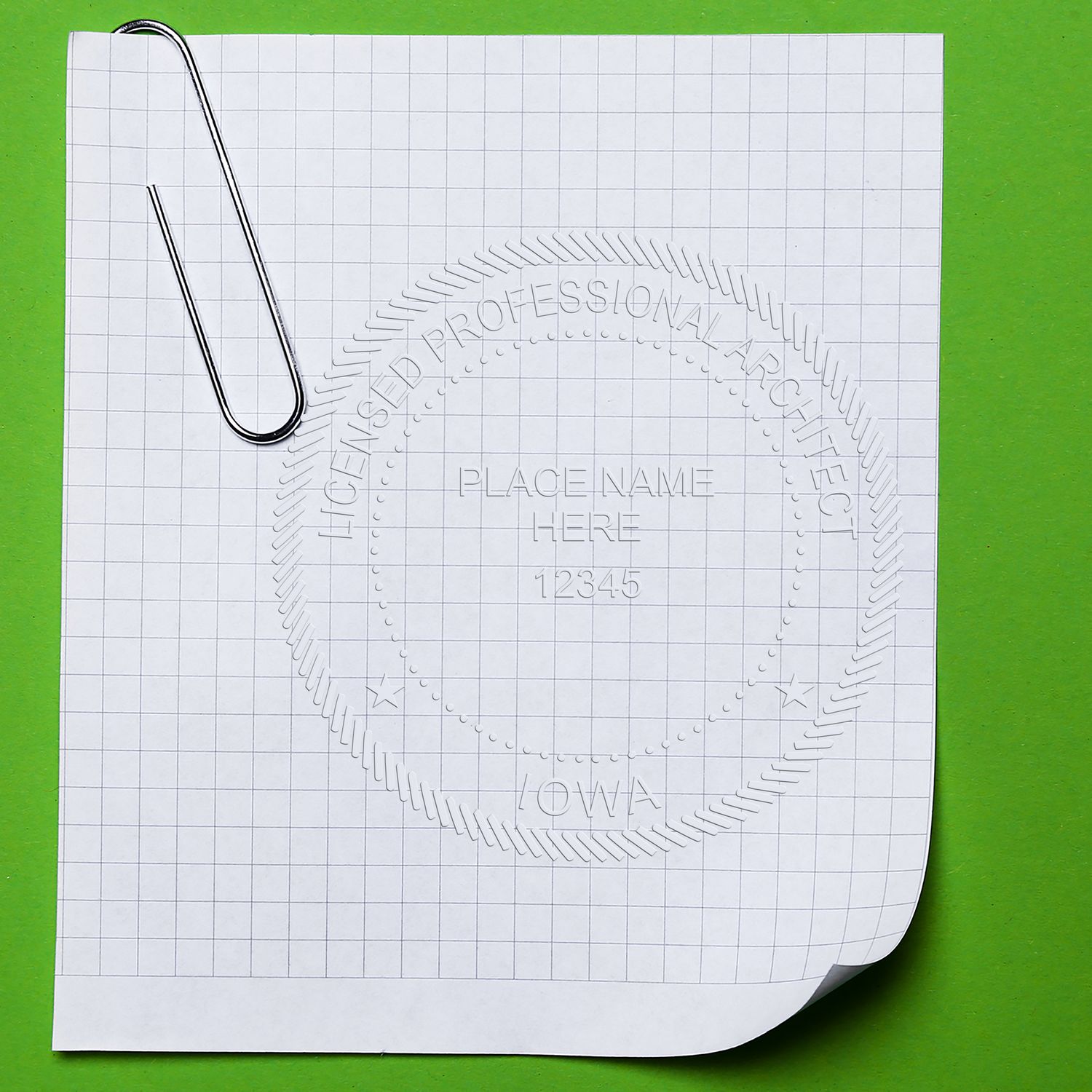
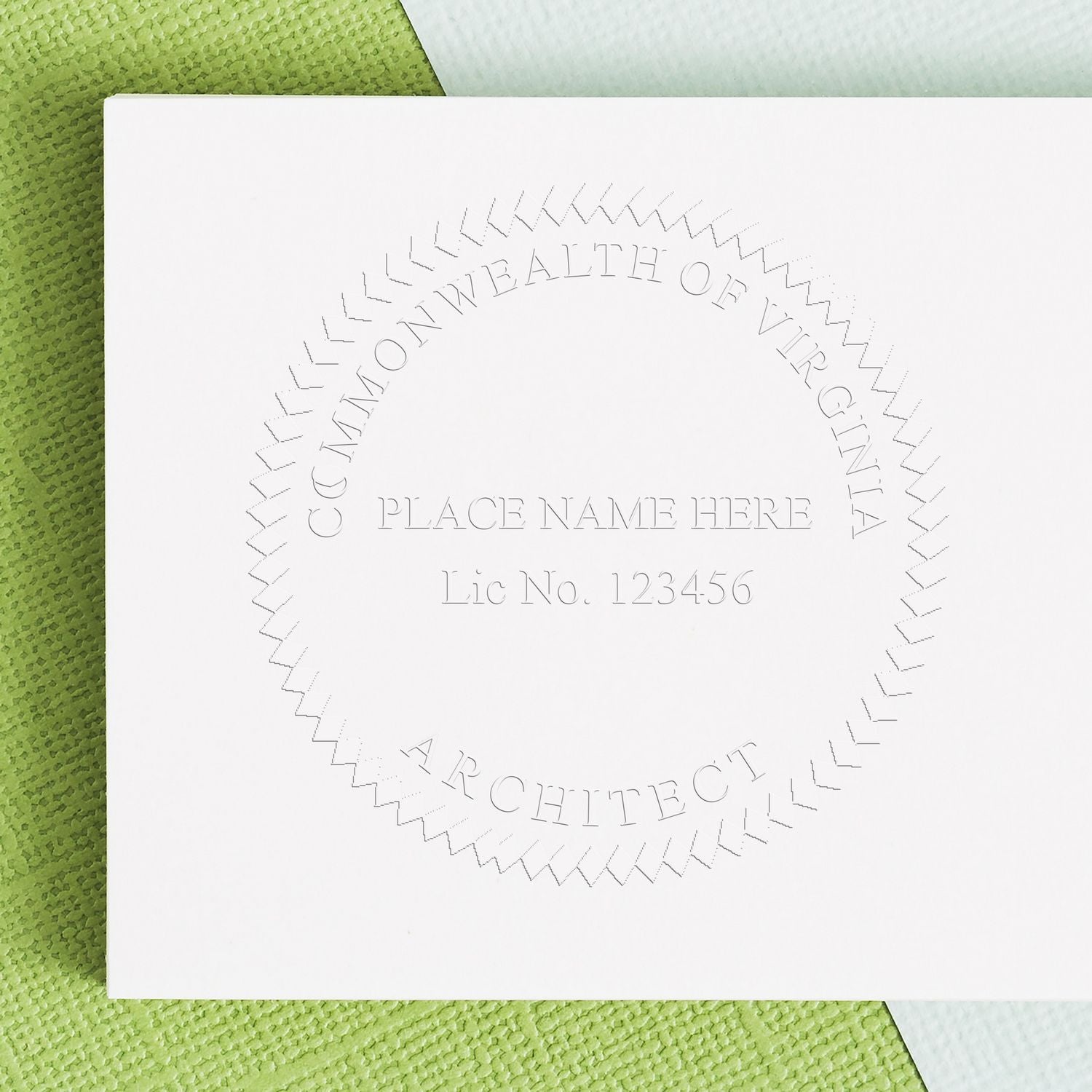
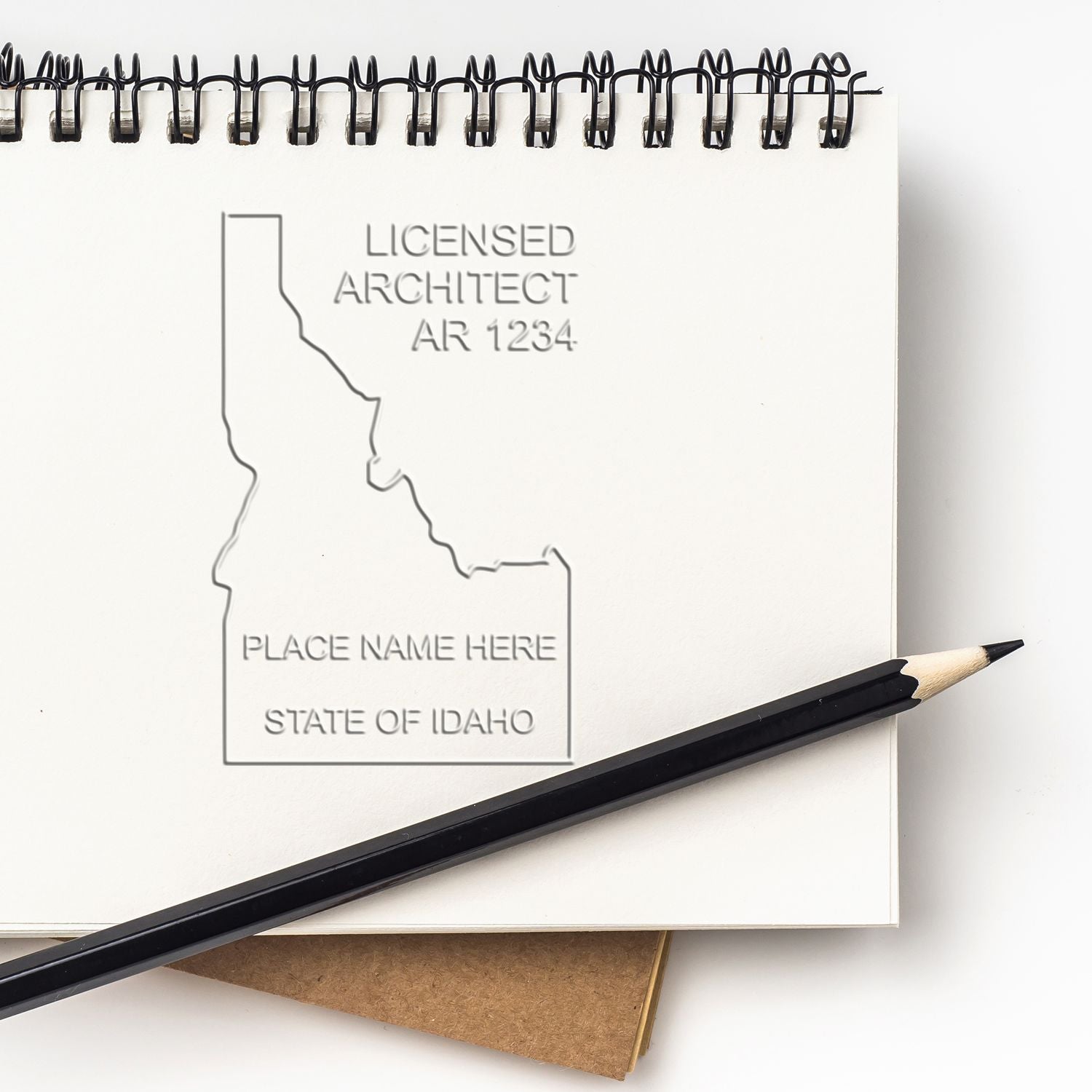
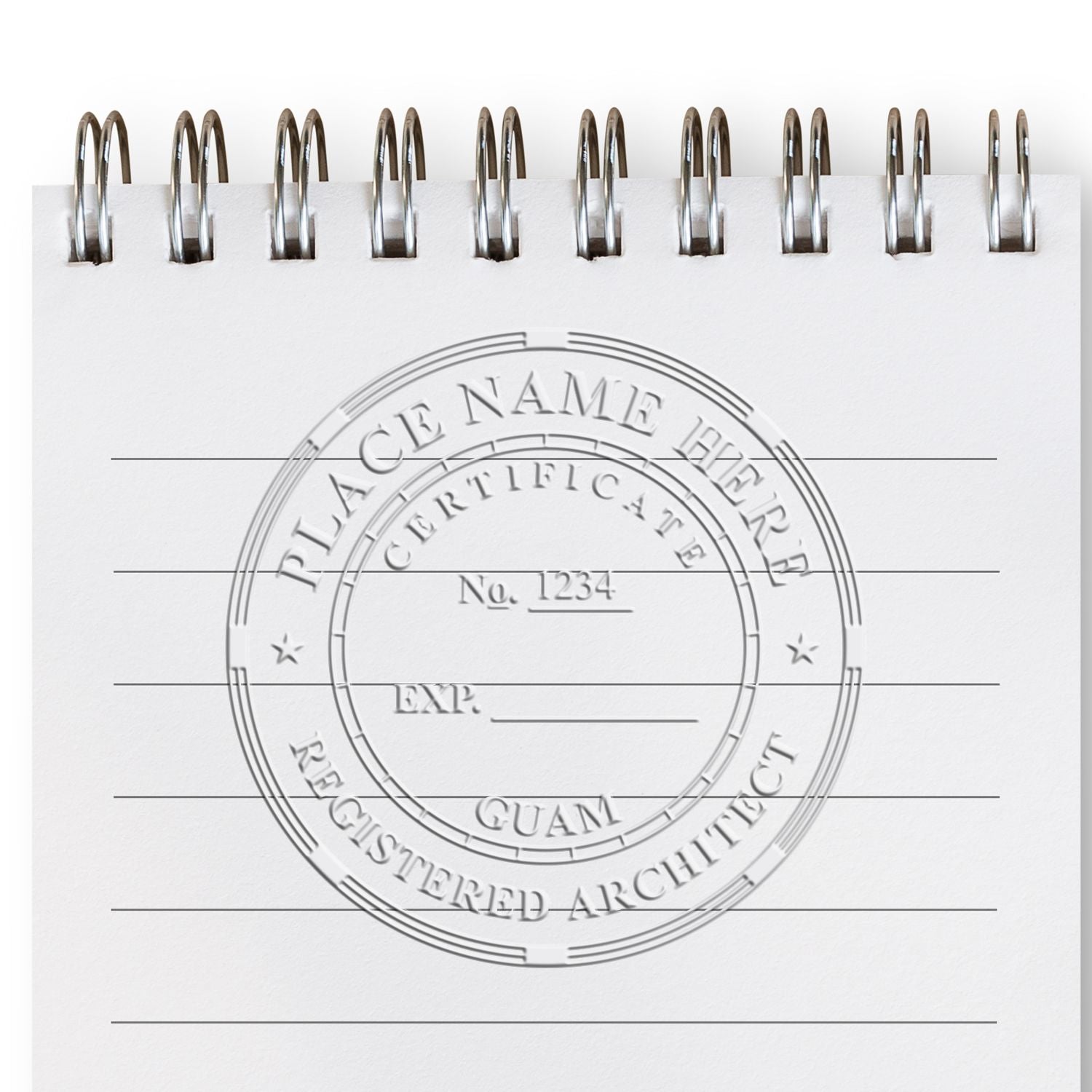
For those times when you want to add a more refined or official vibe, an embossing seal is the way to go. Instead of an ink mark, it creates a raised impression on paper. This subtle 3D effect can convey a sense of formality. If you’re curious about embossed designs that meet state standards, consider checking out an architect embossing seal to see how it might fit into your workflow.
Check essential design features
Once you know the stamp type you want, the next step is to settle on the design details. Every state lays out specific requirements, but that doesn’t mean you can’t have a bit of flair. Some architects like to add small design touches, such as an elegant border, that reflect their personal brand. Others keep it simple. In either case, clarity is your top priority. You want the seal to be legible at a glance, so building officials and clients can read your name, license number, and relevant text without squinting.
Talk branding and layout
If you like the idea of a customized look, aim for a design that’s balanced. A well-placed border, your professional title, and neat spacing can improve the overall presentation. Just remember that you need to keep your stamp consistent with state guidelines. If you need tips on creating a distinctive layout while staying compliant, you could explore architect seal design for inspiration. It helps to see real examples so you can get a feel for how everything fits together on a final blueprint.
Digital seals
Physical stamps are the gold standard for hard-copy documents, but we’re living in a digital age. Many jurisdictions accept digital seals for electronic submissions, as long as they meet rules for tamper-proof security. If you land on an option that provides a matching digital seal at no extra cost, that can be a big plus. You’ll be ready for both paper-based and electronic document reviews without missing a beat.


Benefit from quick service
Let’s be honest: no one wants to wait forever to get a professional stamp. Between tight deadlines, client demands, and official procedures, you need this detail squared away as soon as possible. That’s where a stamp provider’s turnaround time matters. If you’re ordering your stamp online, you want a simple ordering process, swift production, and fast shipping.
Acorn Sales advantage
Quality and speed can go hand in hand when you’re working with a seasoned vendor. Acorn Sales stands out by not only having decades of experience, but also being able to move fast and keep everything state-board compliant. You get a free digital seal with every physical stamp purchase, which covers your bases if you need to send digital plans right away. And all of that is done while ensuring you’re satisfied with the final product. If you’re curious about exploring an online ordering option, you can check out architect seal online, which simplifies the entire process.
Timely logistics matter
Prompt service does more than avoid frustration. Delays in obtaining your seal can stall your project timeline, potentially affecting permits and budget. By choosing a provider known for quick turnaround, you’re effectively removing a sneaky bottleneck from your workflow. That’s time you can redirect toward the creative or strategic parts of a project, like designing that innovative rooftop garden or finishing your portfolio presentation for a prospective client.
Impress your clients effectively
You might be wondering: how does a small seal make that big of a difference to my clients? It’s all about the reassurance it provides. Clients see your seal as a sign you’re qualified, authorized, and dedicated to doing things the right way. That confidence can eliminate any lingering doubts they may have about your credentials.
Subtle ways to stand out
- Include a neat, readable seal on every set of deliverables.
- Mention in your handover notes that your stamp meets specific state regulations.
- Place your seal in a prominent but visually pleasing spot on the page, so it’s easy to find.
- Offer a digital copy of sealed documents if your client wants an extra layer of record-keeping.
Consistency is key
Whenever you apply your seal, make sure it looks consistent across all documents. If the seal is in a different spot or a different size on each page, it can look careless. The more uniform your sealed documents, the more you’ll project an image of reliability. Clients may not articulate it, but they’ll sense the professionalism in these details.
Plan your next steps
Now that you know your seal does more than add a decorative touch, what comes next? Especially if you’re new to architecture or never had to purchase a seal before, it helps to map out the journey from research to final application. Following a simple checklist will keep you on track, minimize any second-guessing, and help you get your stamp in use sooner rather than later.
-
Confirm your state’s regulations
- Locate the official specifications for size, text, and border styles.
- Look for any recent updates (these rules can evolve).
-
Determine the stamp type you prefer
- Pre-Inked, Self-Inking, or Embossing.
- Think about your usual workflow and how frequently you stamp documents.
-
Choose a reputable provider
- Seek proof of compliance with state rules, and confirm their track record.
- Check if they offer digital seals for online submissions.
-
Customize your design
- Include all required text.
- Add any branding touches you’d like, within reason.
-
Evaluate shipping and turnaround
- Estimate how quickly you’ll need your stamp.
- Look for quick service to keep your project schedules intact.
-
Order your seal
- Provide accurate details (like your name and license number).
- Double-check your spelling before confirming.
-
Test your stamp
- Practice on a few spare sheets to ensure crispness.
- Adjust stamp pressure or ink as needed.
-
Use it consistently
- Timestamp your documents as required.
- Keep a digital copy if available.
Following these steps can make all the difference between a smooth verification process and a stressful last-minute scramble to correct your seal. Being organized up front will free up your time to focus on the bigger stuff, like meeting with clients and refining your designs.


Extra tips to maintain your stamp
- Store it in a cool, dry place to preserve ink quality.
- Avoid overexposure to direct sunlight, which can dry out the ink.
- Keep a spare ink pad if you’re using a self-inking style, just in case you run low mid-project.
Going deeper into board compliance
While we’ve touched on compliance a couple of times, it’s worth digging a bit deeper because nothing will turn heads faster (in a bad way) than a non-compliant stamp. Each state board has its own guidelines, which might include:
- Exact wording, such as “Licensed Architect” or “Professional Architect.”
- Pocket seals or desk seals for different contexts.
- Requirements for outer rings, official marks, or uniform shapes.
- Minimum or maximum size limits for the seal.
Missing just one element can lead to having your stamp rejected by city officials or building authorities. If you’ve already ordered a seal and then discovered new rules, some states will allow you to keep using the old one until your license renewal date, but others require immediate updates. That’s why it’s smart to order from someone who keeps track of these changes and can advise you properly.
Staying up to date
One of the first things you might do is bookmark your state’s regulating body website. That way, you can check for updates every six months or so. Another approach is to sign up for an email newsletter from your board. They might send bulletins when new standards or clarifications come out. A small step here ensures you never run into compliance surprises.
Resources for design updates
If your board rolls out new guidelines or you want to revamp your seal to reflect a name change or newly attained credential, you can update your stamp design. For ideas on how to handle that smoothly, you could look into architect seal custom, especially if you need something unique or if your state recently introduced new design elements. Adjusting your stamp sooner prevents confusion and keeps you aligned with regulations.
Handling official documents and beyond
Architects often work on multiple document types, from small renovation blueprints to large-scale commercial proposals. Each of these documents can benefit from a professional seal. If you handle advanced drawings or specialized plans, your seal might be needed for:
- Building plans for commercial properties
- Residential design documents
- Engineering drawings that require architectural oversight
- Urban planning or landscape plans
- Legal contracts relating to architecture services
In cases where you’re stamping complex sets of plans, a consistent, well-placed seal across every page or section conveys that you’re thorough and that the entire document set is unified under your license.
Versatility in usage
- For site plans, your stamp ensures that all relevant site-specific data is approved under your license.
- For interior renovations, your seal might be important if you’re altering load-bearing walls or egress routes.
- For community development projects, having a crisp seal on each page can expedite approvals by city councils or neighborhood boards.
If you need specialized seals for different document types, you might explore architect seal for building plans or architect seal for architectural plans. Each link can lead you to more tailored options or advice on stamping large-scale or highly detailed projects.
Overcoming common seal issues
Even with a perfect design and well-reviewed compliance, hiccups can happen. Maybe your ink fades prematurely in the middle of a big project, or your embosser plate feels misaligned after repeated use. Here are common stamp-related issues and possible fixes:
- Ink bleeding: Check your stamping surface. A damp or uneven surface can cause bleeding. Also, confirm the stamp is not oversaturated with ink.
- Blurred impression: This often occurs if you press too hard or rock the stamp. Steady, even pressure is best.
- Worn embossing die: Embossers have a mechanical die that can wear out if used extensively on heavy cardstock or folders. Replacements or reconditioning may be necessary.
- Missing or stolen stamp: Sometimes, stamps go missing in a busy office environment. Keeping your stamp in a locked drawer or covered area can help prevent misuse.
If you run into any of these issues often, do a quick quality check to see if a different stamp type or a fresh ink pad might be a better fit. Preventive maintenance will help keep your seal crisp and professional at all times.
Reinforcing your professional brand
Your architect seal stamp is part of your personal brand. When you present official documents or designs, you’re essentially reinforcing who you are as an architect, reliable, detail-oriented, and trustworthy. The seal might be a minor visual, but the impact can be massive. It ties your name, license, and design expertise together in a single impression.
Sharing your process with clients
Don’t hesitate to explain the function of your seal to your clients, particularly if they’re new to working with licensed pros. A quick note like, “This seal indicates I’m licensed and stand behind the design” goes a long way to reassure them they’re in good hands.
Building client relationships
If you’re aiming for repeat business or positive word-of-mouth, details like a polished seal can help you stand out. Clients might not bring it up explicitly, but they’ll remember the careful professionalism you demonstrated. Over time, these subtle touches might generate referrals or at least cultivate a strong reputation in your local building community.
Choosing your seal
Choosing an architect seal stamp does more than tick a legal box. It’s a way to underscore your expertise, assure your clients everything is above board, and keep your projects on schedule without regulatory snags. From verifying compliance to selecting the right stamp type and design elements, every step you take helps shape how others perceive your work.
When you’re ready to move forward, consider Acorn Sales for quick service, decades-long experience, and the added perk of a Free Digital Seal. Make sure you align with state regulations and customize your seal to reflect both your personal flair and licensing credentials. Above all, remember that your seal is a direct reflection of your professional integrity. Each time you incorporate it into your plans, you’re giving an unmistakable signal: “I’m an architect you can trust.”
Feel free to review your local board’s regulations once more, double-check your design, and then take the plunge. You’ll soon have a quality seal stamp that not only meets every requirement but also reassures your clients that their projects are in capable hands.
Frequently Asked Questions
What should an architect seal stamp include to stay compliant?
A compliant architect seal stamp typically includes your name, license number, and the required wording for your state, such as “Registered Architect” or “Licensed Architect.” Some states also require specific border styles, dimensions, or state identifiers. Always check your local licensing board before ordering to make sure your stamp meets current regulations.
Which type of architect seal stamp is best for professional documents?
The best type depends on how you use it. Pre-inked stamps are ideal for crisp, detailed impressions, self-inking stamps are great for fast everyday use, and embossing seals create a more formal raised mark for official documents. If you want the strongest professional presentation, many architects choose a pre-inked or embossing seal.
Can I customize my architect seal stamp design?
Yes, you can usually customize your architect seal stamp as long as the design still follows state board rules. Many architects add subtle branding touches like border styles or layout adjustments while keeping the required text clear and legible. A custom architect seal can help you stand out while still remaining compliant.
Is a digital architect seal available for electronic plans?
In many cases, yes. A digital architect seal can be used for electronic submissions if your state allows it and the seal meets tamper-proof or secure document requirements. Some providers also include a free digital seal with a physical stamp purchase, which is helpful if you work with both print and digital files.
How do I choose the right architect seal stamp for client presentations?
Choose a stamp that looks clean, professional, and easy to read. A crisp impression helps show clients that your work is precise and that your documents are properly authorized. If client perception is important, look for a stamp that offers sharp detail, reliable ink quality, and a polished layout that reflects your brand.
How fast can I get a custom architect seal stamp?
Turnaround time depends on the supplier, but many reputable providers offer quick service and fast shipping. If you need your seal for an active project, choose a vendor experienced in state board compliant stamps so you can avoid delays. Ordering online with accurate license details can help speed up the process.








