
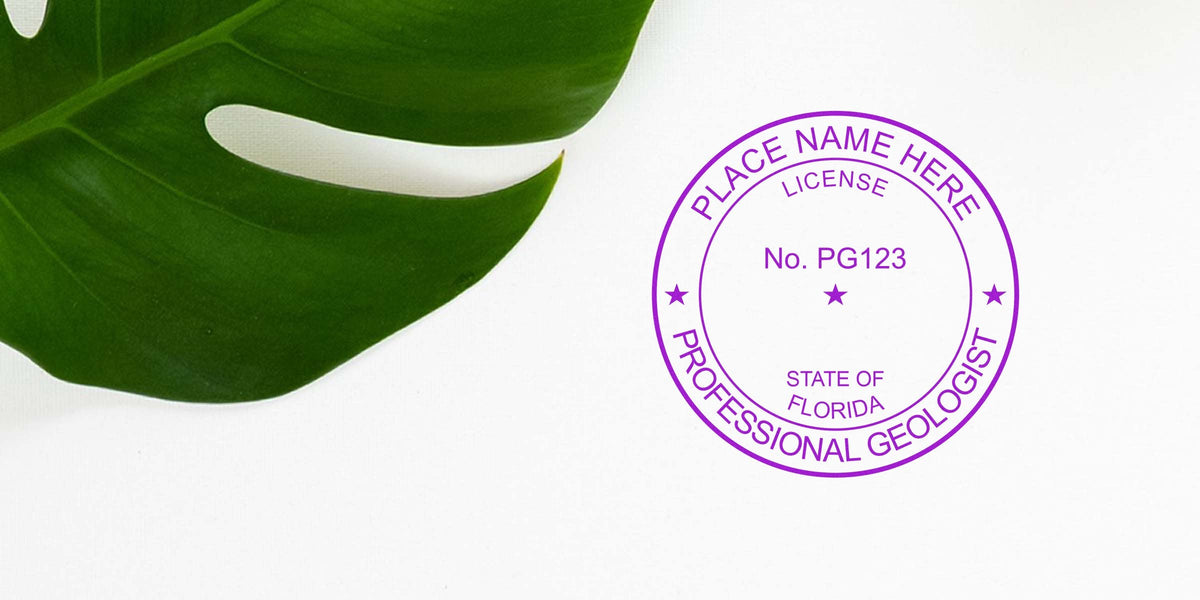
Understand the Importance of Stamp Embossing
If you work as a geologist in Florida, you’ve probably heard about the significance of an official stamp or seal. But have you ever thought about why it’s so crucial? Florida geologist stamp embossing isn’t just a formality. It’s a way for you to confirm the accuracy of your reports, maps, and other geologic documents. In simple terms, your embossed seal tells clients, government agencies, and fellow professionals that you stand firmly behind your findings.
This seal isn’t optional. Florida’s regulatory framework expects you to have your stamp clearly displayed on certain types of documentation. At first glance, you might only see it as a rubber stamp on paper, but it plays a significant role in how your peers and official bodies view your credibility. Plus, using your stamp correctly helps keep you compliant with licensing requirements—which ultimately protects your professional standing. So, if you’re invested in building trust and professionalism in your field, stamping is one habit you can’t afford to neglect.
In this post, you’ll learn how to handle Florida geologist stamp embossing from start to finish, so you can follow the rules and focus on what really counts—top-quality scientific work. From understanding specific Florida regulations to avoiding common mistakes, we’ll guide you toward a seamless experience with your professional seal.
Know the Rules You Can’t Ignore
There’s nothing worse than doing all the right fieldwork and analyses, only to have your documentation questioned because of a missing or incorrectly applied seal. The Florida Board of Professional Geologists sets strict guidelines on how your stamp should appear. That includes the diameter, the required text (like your name and license number), and, for many, an embossed impression that’s clean and legible.
Regulations can sometimes feel overwhelming, but once you get familiar with them, they’re fairly straightforward. For instance, you’ll often see specific guidelines about the exact wording your stamp must contain—especially if your license status changes. Many geologists turn to official sources or professional associations for clarity. You’re bound to hear about the difference between ink stamps and embossers. While both may be approved under state guidelines, embossing can convey a more secure, professional impression on paper.
To get deeper into these requirements, be sure to review the florida geologist stamp requirements. That resource is a handy reference for Florida’s mandated design specifics. Once you know the rulebook, you’ll be confident that your stamped documents are above reproach when they land on a regulator’s desk or enter a client’s office.
Use the Proper Embossing Techniques
You might think using an embosser is as simple as pressing it on a page. While it’s not rocket science, a few key steps can upgrade the look and clarity of your seal:
-
Position the Paper Correctly
Lightly mark where you want your seal to go, then align the embosser carefully. Stamping a random corner may look untidy or force someone to hunt for your seal. -
Apply Consistent Pressure
For crisp results, press firmly and evenly. If you’re using a handheld model, you may need a steady grip to achieve uniform contact with the paper. -
Test on Scrap Paper
Before you emboss your final document, do a quick test run. A trial stamp helps verify the impression is clear and not crooked.
Embossing adds a raised seal to the page that feels embossed to the touch. This tactile feature makes it harder for unauthorized individuals to copy or tamper with your documents. Many Florida geologists rely on the embosser’s physical impression to signal authenticity. If you’re new to embossing, don’t worry. A little practice goes a long way toward making your documents look polished and professional.
Avoid Common Pitfalls
Even the most seasoned geologists can slip up with stamp embossing if they’re not paying attention. Here are some frequent missteps and how to dodge them:
-
Not Updating License Details
Your license status may change, or you might renew it under a slightly different title. If your stamp doesn’t match your current licensure information, that can invalidate your documentation. Double-check that your name, license number, and any relevant text are up to date. -
Overusing an Illegible Seal
Stamps wear out over time. If you can’t read every letter clearly, that seal impression isn’t doing its job. Watch out for faded embossers or mechanical hitches. -
Embossing the Wrong Documents
Some geologists routinely stamp every page, even if it isn’t necessary. Others skip stamping on the pages that actually need it. Pay attention to Florida’s specific rules so you don’t lose points—or worse, risk professional penalties—for incorrect usage. -
Misplacing Your Embosser
Sounds obvious, but losing track of your embosser is a huge security risk. Leaving it on a shared desk or in a publicly accessible area makes it vulnerable to misuse.
When you stay alert and follow the right process, you’ll keep your documents in line with Florida standards and your seal in perfect shape. Think of stamp embossing as a routine precision step—like calibrating an instrument before you collect field samples. It’s quick, easy, and helps ensure your data stands on solid ground.
Rely on a Trusted Supplier
Choosing the right supplier for your Florida geologist stamp embossing equipment can make a world of difference. You want a stamp or embosser that neatly imprints your credentials and lasts for years. This is where Acorn Sales steps in as a highly trusted provider. Our company has been crafting professional stamps and seals for over 60 years, offering geologists durable embossers that won’t compromise on clarity or quality.
When you shop with us, you’ll also receive a free digital seal for those times when an electronic format is required or preferred. That means if you’re uploading documents to an online portal or emailing them to clients, your official digital impression is still on display. We get that your workflow might be a mix of paper and digital, and that’s why we package both options together for cohesive coverage.
Wondering whether we provide easy customization? Absolutely. Each embosser is built to reflect the exact text and layout spelled out by Florida regulations. Our focus on quality control ensures that, whether you’re stamping once a day or 20 times a day, the crisp, professional look holds up every time you press down on the handle.
Maintain Your Professional Stamp
Just like any other tool you rely on, your embosser and its components need regular care. Taking a few simple steps extends the life of your seal and keeps your paperwork looking sharp.
-
Clean the Embosser
Every so often, wipe away dust and small bits of paper that might get caught in the mechanism. Try not to use harsh chemicals. Instead, a soft cloth or brush usually does the trick. -
Inspect for Wear and Tear
Over time, ridges can wear down. If you notice faint details or unreadable text on your seal impression, that’s a sign you may need to replace your embossing plate. -
Store It Safely
Keep it in a cool, dry environment to prevent moisture from corroding metal parts. If you have a case or protective box, all the better. This storage strategy also reduces the odds of misplacing it. -
Watch for Regulation Changes
Although stamp requirements don’t change overnight, it’s worth staying in the loop. A professional email list or licensing board newsletter can keep you updated on any tweaks to Florida’s guidelines.
Stamp maintenance doesn’t have to be a chore. It’s a quick routine that helps you meet compliance standards and saves you money in the long run—because replacing an entire embosser sooner than necessary can cost more than you’d like.
Use Your Seal Confidently in Practice
Once you’ve got the rules down and a reliable embossing tool, the next step is applying your seal in everyday situations. You might use it on project proposals, geological surveys, environmental impact statements, or official state documents. In fact, many geologists view the Florida geologist stamp embossing process as their professional fingerprint—instantly recognizable and entirely unique to their license.
If you’re unsure whether a document requires your seal, ask yourself: “Does this document convey any geologic opinions, authoritative decisions, or final conclusions tied to my license?” If “yes,” it likely needs a clear, up-to-date stamp impression. That small effort often prevents misunderstandings later, whether you’re dealing with a client, a government review board, or a contracting partner.
Meanwhile, consider the convenience of your free digital seal (if you opted for our stamp-and-digital package). In an age where PDF submissions are common, an official digital imprint can be just as important as the embossed version. While some agencies still prefer paper documents, plenty of online portals request a digital stamp or seal. Keeping both at your fingertips is definitely a bonus.
Summing Up and Taking Action
Overall, Florida geologist stamp embossing is about stepping up to your professional responsibilities. By using the correct seal, you validate your analyses, safeguard your license status, and assure readers that your work meets the high standards set by the state. Small details—like pressing down with consistent force or ensuring the text is crystal clear—really can elevate your documents to the next level.
Feel free to review the florida geologist stamp requirements for more specifics on what Florida expects. If you haven’t picked out the perfect embosser yet, or your old stamp is losing its edge, Acorn Sales has you covered with top-notch equipment that will keep you compliant and confident in your work. Remember, your stamp isn’t just a decoration. It’s your seal of integrity—so treat it with the respect and care it deserves. Then get back to doing what you do best: unearthing the fascinating details of Florida’s geology.
Frequently Asked Questions
Can I Use an Ink Stamp Instead of an Embosser?
Yes, Florida generally allows both inked stamps and embossers as long as they meet the board’s specifications. That said, embossing offers a more tangible security feature, so many geologists prefer to stick with that method.
How Often Should I Replace My Embosser?
There’s no fixed timetable. You’ll know it’s time if the details on your impressions start to fade. Regularly check for wear and tear so you’re not caught off guard right before a major deadline.
What if My License Number Changes?
You’ll likely need a new stamp that matches your revised license details. An out-of-date stamp can invalidate your paperwork, so don’t postpone getting an updated embosser when changes occur.
Is a Digital Seal Really Necessary?
More agencies are accepting and sometimes preferring digital documents. A free digital seal from Acorn Sales can come in handy for online submissions, reducing the need to physically mail or deliver paper copies.
Do I Have to Stamp Multiple Pages?
That depends on the document type. Some regulations require a stamp on each sheet that contains your professional conclusions, while others accept a single seal on the cover sheet. Always consult Florida’s guidelines or ask if you’re unsure.








