
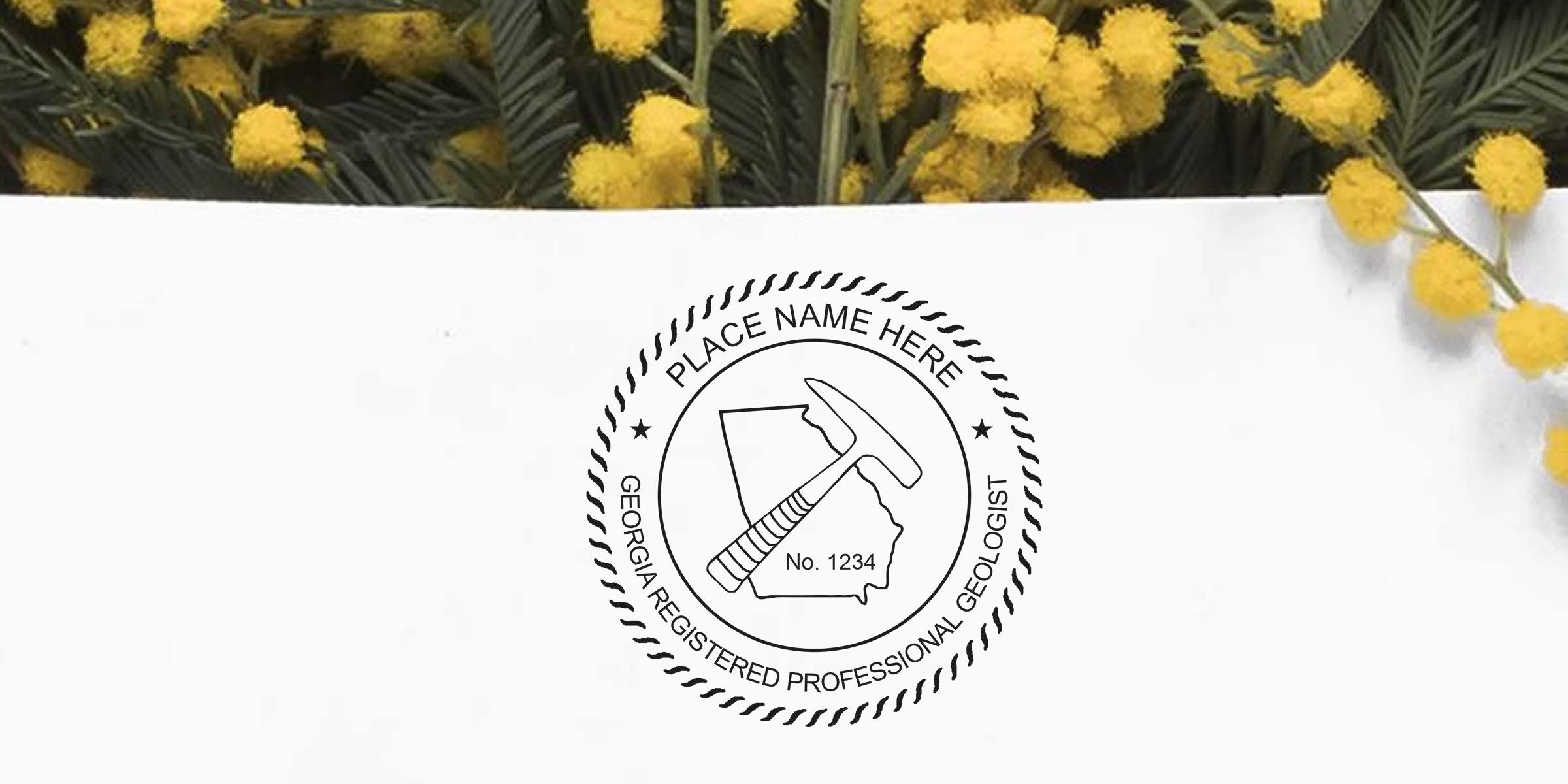
It can feel confusing when you first look into Georgia geologist stamp regulations, especially if you’re juggling a busy schedule or just starting your geoscience career. You might be thinking, “Do I need a stamp, a seal, or both?” or “What exactly goes on the impression?” By the end of this post, you’ll have a clearer picture of the process so you can move forward confidently.
Before we dive in, here’s a quick promise: we’ll tackle the core rules, discuss the purpose behind them, and give you tips on where and how to get your official stamp. By the time we’re done, you’ll know what steps to take and how to avoid any missteps along the way.
Clarify Georgia Geologist Stamp Regulations
The state of Georgia requires professional geologists to secure an official stamp (sometimes referred to as a seal) to authenticate certain documents and reports. This stamp essentially verifies that you, as a licensed geologist, stand behind the work you present. Think of it like your personal signature badge: if your project or report has your seal on it, it tells everyone, “I confirm and vouch for this.”
Why is it such a big deal? Your stamp proves you’re meeting the professional standards set forth by the state. Plus, it helps distinguish properly licensed geologists from those who aren’t. In a field where the accuracy of geological data can literally keep projects safe—in everything from environmental assessments to construction planning—it’s no surprise responsible oversight is a must.
But what about the details? Georgia geologist stamp regulations outline everything from how the seal should look to when and where you need to use it. The more you stick to these regulations, the smoother your paperwork. If you’ve already spent hours on a geological site survey, the last thing you want is a compliance error that pushes your project back by weeks.
Know The Basic Requirements
Navigating the basics is simpler than it sounds. First, you want to confirm you’re officially licensed with the state’s governing board. While the specifics can shift over time, the board typically wants your stamp or seal to display:
- Your name, as it appears on your license.
- Your unique license or registration number.
- The phrase “State of Georgia” or another phrase indicating your jurisdiction.
Usually, the stamp’s diameter falls into a standard range (like 1⅝" or 2") so that all text remains readable. There might also be guidelines about spacing and font legibility, ensuring your professional credentials are instantly identifiable.
If you’re curious about nitty-gritty rules, you can check out more detailed information at georgia geologist stamp requirements. That page breaks down design specs, image formats for digital versions, and application tips. Remember, the state board updates procedures every so often, so it’s wise to keep an eye on any official notices or announcements.
Common Mistakes To Avoid
- Omitting Your License Number: Always double-check that your stamp design includes your current license number.
- Poorly Formatted Text: Make sure you’re using a clear font. A smudgy impression can raise questions about authenticity.
- Skipping Board Updates: Regulations change, and if you’re not aware, you could end up with an outdated seal.
Shop For An Official Stamp
So, how do you actually get one? Finding a reputable stamp supplier can seriously streamline the process. Since your seal is the professional hallmark that backs your geologic evaluations, you’ll want to ensure it’s well-made and in step with the rules. That means crisp impressions, clear text, and overall durability. Nobody wants to recast or reorder a new stamp six months down the road.
One trusted option is Acorn Sales, a company that’s been in business since 1964, providing high-quality stamps and seals nationwide. They understand the unique needs of licensed professionals, including geologists in Georgia. And here’s a bonus: you get a free digital seal included with every stamp order. That way, if your firm or agency shifts toward paperless processes, you already have a digital version ready to go.
Consider These Factors Before Ordering
- Stamp Type: Self-inking vs. pre-inked vs. traditional rubber. Self-inking can be quicker for repeated use, while traditional stamps often come at a lower cost.
- Digital Copy: It’s a major time-saver, especially now that online submissions are becoming more common.
- Shipping Time: If you’re working on a tight project deadline, you might opt for expedited shipping to ensure you’re set when your official documents need stamping.
When you order, you’ll typically provide your name and license number. Double- and triple-check spelling or number sequences—any inaccuracy means you’ll have to reorder, which can waste time and money.
Maintain And Use Your Stamp
After you have your stamp, it’s easy to overlook the mastery of proper usage. Yet, using your seal incorrectly can put you at risk. By “incorrectly,” we’re talking about stamping the wrong pages, placing it in the wrong spot, or forgetting to sign documents in addition to stamping them. Here’s how you can avoid those pitfalls.
Basic Usage Tips
- Place it Legibly: Always choose a clear area on the page, away from heavy text or diagrams, so the impression stands out.
- Pair It With A Signature: Many official reports require both. Some geologists sign across the seal, while others sign just beneath it.
- Follow Submission Guidelines: Some boards want the seal in a specific area, like near your typed name or at the bottom of the final page.
Storing And Caring For Your Stamp
Once you’ve used your stamp, don’t just toss it in a drawer. Keep it somewhere that protects it from dust, heat, and accidental ink spills. If you have a self-inking stamp, store it upright so the ink pad doesn’t leak or dry out prematurely. The better you treat it, the longer it’ll give you crisp, clean outings.
And in case you notice the impression getting light or uneven, no worries—just re-ink if it’s a re-inkable model or change the ink pad if it’s replaceable. If you went for the digital seal option, store that file (often a .jpg or .png) in a safe folder on your computer, and keep a backup somewhere secure.
Recognize The Primary Benefits
“Why even bother with all these details?” you may ask. Frankly, a compliant stamp is more than a legal requirement. It keeps your professional credibility intact. By adhering to Georgia geologist stamp regulations, you promote trust among clients, peers, and regulatory agencies. You also:
- Avoid Rework: Proper compliance up front means you won’t have to resubmit documents.
- Speed Up Approvals: Reviewing entities spot the required seal, and your paperwork moves along.
- Raise Professional Standing: A crisp, official seal signals you take your responsibilities seriously.
When Digital Seals Come Into Play
Everything is getting digitized. From email to cloud-based collaboration, the geoscience field is no exception. Many agencies allow or even prefer digital copies of site reports and geological surveys. That means you can affix a digital version of your seal onto PDFs, word-processing documents, or specialized design software like CAD.
But it’s still critical that your electronic seal meets state criteria, which typically align with the print version’s guidelines. Think of your digital seal as a mirror image of your physical one—same text, same shape, just in an electronic format. This ensures consistency and helps whoever’s reviewing your documents spot your official credentials at a glance.
Double-Check Renewal And Validity
Is your license about to expire? Before you reorder new stamps or keep using your current one, check whether your license information has changed. If you updated your name or if your license number changed for any reason, you’ll need a fresh seal that matches your updated details.
While geologist licenses generally renew on a periodic schedule, the specifics can vary. Put a reminder on your calendar, phone, or sticky note near your desk to confirm you’re always in good standing. Not only does it keep you compliant with Georgia regulations, but it also ensures your seal remains accurate and accepted.
Summing It All Up
By now, you’ve seen that Georgia geologist stamp regulations aren’t meant to frustrate you. They exist to ensure professional accountability, guarantee data integrity, and maintain high standards in the field. From verifying your name and license number to capturing a neat, legible impression, each step helps you present reliable work that stands up to scrutiny.
Once you’re prepared to order, consider connecting with a trusted source like Acorn Sales. In business since 1964, they know the ropes when it comes to professional stamps. You’ll also get a free digital seal, so transitioning to electronic documents is a breeze. Finally, don’t forget the basics: store your stamp well, watch for regulatory updates, and keep an eye on your license renewal date.
Ultimately, taking these steps now saves you so much hassle later. You can devote more energy to your geology projects and less to chasing down compliance details. That’s the true purpose of these rules, after all—to keep everything running seamlessly so you can keep doing what you do best: delivering valuable geological insights for Georgia and beyond.
Frequently Asked Questions
Do I need both a stamp and an embossed seal?
Typically, a stamp alone satisfies the board’s requirement in Georgia, as long as it meets the official design specs. An embossed seal is optional but can be used if you prefer a raised impression style.
Can I order multiple stamps with the same license number?
Absolutely. Some professionals keep one at the office and one at home. Just ensure each stamp follows the official layout.
What if my digital seal doesn’t match the physical stamp exactly?
They should be virtually identical. If there’s a minor style difference (like color variations), it’s often acceptable, but maintain consistent text and layout.
Can I alter my stamp design for branding reasons?
You must keep the core elements—license number, your name, and the state reference—intact. While you might update font styles slightly, check with the board first to avoid compliance issues.
Is my stamp always required on every page of a report?
Not necessarily. Most guidelines say you should stamp the cover or important pages and sign in key sections. But double-check official instructions or local ordinance to confirm.








