
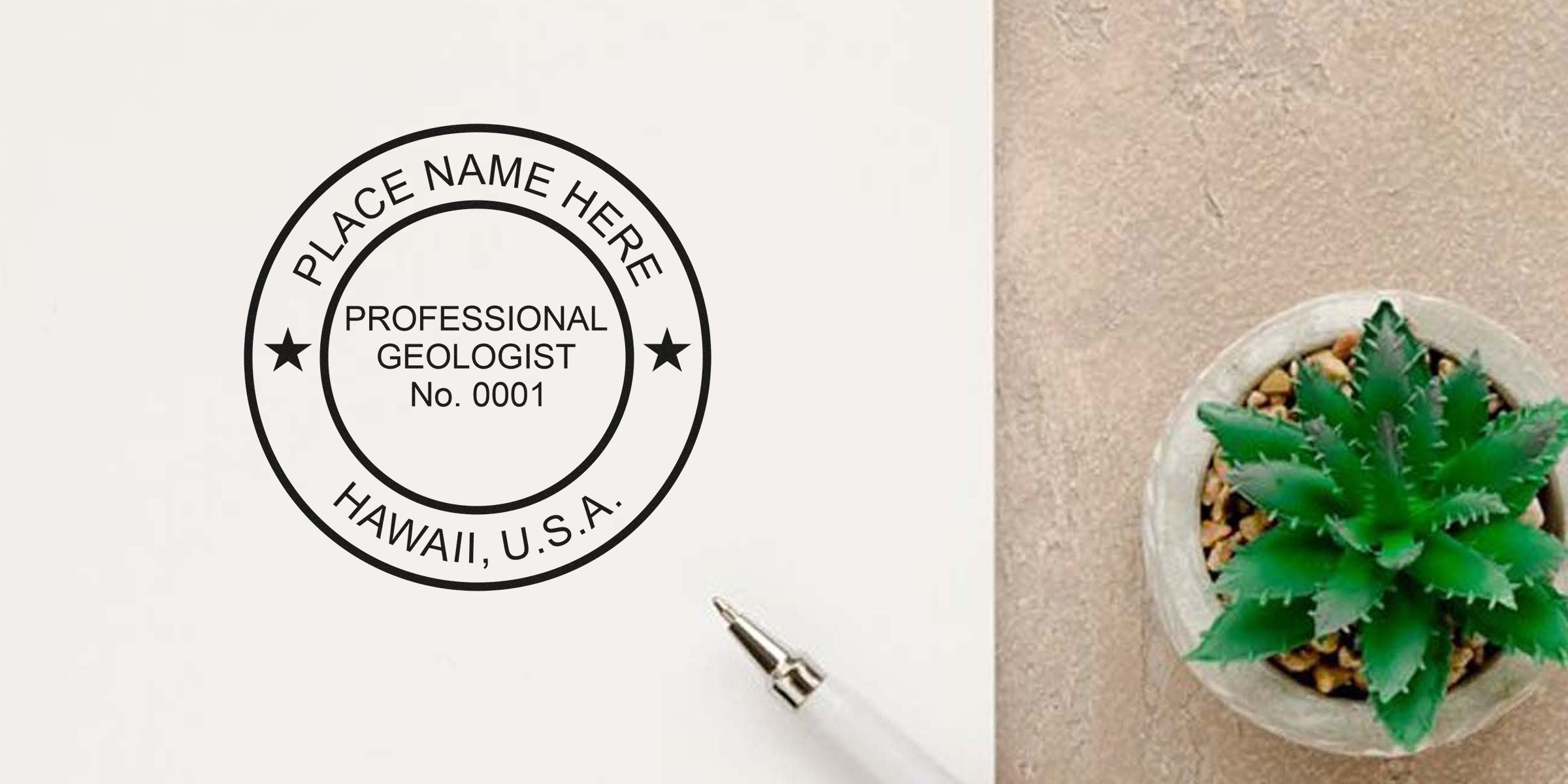
Understand Hawaii Geologist Stamp Guidelines
If you’re getting ready to practice geology in the Aloha State, you might have come across various references to “Hawaii geologist stamp guidelines.” These guidelines give you a roadmap for making your official seal, using it correctly on documents, and ensuring you’re fully compliant with state regulations. But what do they actually look like in practice, and how can you make sure you’re following each step carefully?
In this article, you’ll explore the most important rules, the design requirements, and a few insider tips to help you handle every aspect of your Hawaii geologist stamp and seal. Let’s jump in.
Explore the Licensing Details
To start on the right path, you need a clear understanding of the licensing rules specific to Hawaii. Even if you’ve practiced geology in other states, it’s worth reviewing Hawaii’s exact requirements so you know exactly what you’re signing up for.
The Importance of Registration
In Hawaii, registering as a professional geologist gives you the legal authority to apply your official stamp or seal on reports, drawings, geologic assessments, and similar documents. This step verifies your credentials and professional standing. Without the proper registration, your stamped documents might not be recognized as valid by local agencies or clients.
- Make sure that your professional portfolio is up to date, including your educational background and any relevant exam results.
- Confirm that you’ve met the minimum experience requirements. Different states set unique standards for supervised work experience, so double-check what Hawaii requires.
- Renew your license on time. Hawaii typically has regulations that define when and how to renew your credentials, and staying current helps you avoid any fines or lapses in recognized status.
Key Hawaii Requirements
Once you’re officially recognized as a geologist, you’ll be subject to a few specific Hawaii regulations:
- You must have a uniquely designed stamp or seal that meets the official guidelines.
- You need to apply this stamp on any geological document you prepare, from site analyses to detailed engineering documents.
- You may need to sign the stamped document by hand and indicate your license expiration date or unique professional number.
These specifics can shift over time, so it’s wise to keep an eye on any announcements made by Hawaii’s regulatory boards. As soon as you spot an update, mark it on your calendar. This way, you’ll keep your professional materials consistent with the latest guidelines.
Follow Proper Stamp Design Standards
Designing your geologist stamp or seal isn’t just about artistic flair. Hawaii sets standards on what goes inside that circular or rectangular imprint, which ensures clarity and uniformity for agencies and clients who rely on your documents.
Required Elements
Your geologist stamp typically needs to include:
- Your full legal name as it appears on your license.
- A clear reference to your professional title, such as “Licensed Geologist.”
- The state name, “Hawaii,” to confirm that you’re licensed in this specific jurisdiction.
- Your license number, which ties the stamp to your personal record.
The layout might be circular (the classic seal look) or rectangular, depending on your preference and what the board allows. The key is that each element is easy to read and distinct, so there’s no confusion about the authenticity of your stamped documents.
Placement and Usage
Picture this scenario: you’re finishing a geological report detailing soil stability for a remote construction site. Where exactly should you apply your seal? Typically, you’d place it on:
- The cover page of your final document.
- Each major sheet or drawing, if you’re working with large-scale visuals.
- Any addenda or attachments you produce as part of your official analysis.
Stamping an unrelated page or using a partial imprint can cause confusion. Aim for an even, clean impression that’s fully legible. If a scanned copy is requested, check that the seal remains clear when converted to a digital format.
Here’s a quick reference table to keep your stamping consistent:
| Document Type | Where to Place Seal | Additional Notes |
|---|---|---|
| Geological Reports | Main cover page | Include signature and date if required |
| Maps/Drawings | Bottom-right corner or near title block | Make sure the imprint is fully visible |
| Supplementary Attachments | First page | Clarify if you used digital or physical ink |
Keeping the stamp location clear, consistent, and legible helps your clients and local officials verify the authenticity of your work right away.
Choose a Reliable Supplier
When it comes to ordering your official stamp, you have plenty of options. However, not all suppliers offer the same level of quality or service. Selecting a trusted company ensures your seal meets state guidelines and stands up to regular use.
One great option is Acorn Sales. They’ve been in business since 1964, earning a strong reputation for delivering professional stamps and seals that satisfy official requirements. Whether you need a hand-stamp, self-inking model, or even an electronic version, they’re known for their accuracy and durability.
- Competitive Pricing: You’ll find a range of models to fit your budget and preferences.
- Custom Designs: They work with you to ensure the stamp layout matches Hawaii’s official rules.
- Free Digital Seal: Get a digital file for ease of stamping on electronic documents.
Purchasing from a reputable source like Acorn Sales means fewer headaches in the long run. You won’t have to redo your stamp if it doesn’t pass muster with the licensing board because you’ll receive precisely what you need from day one.
Maintain Compliance Over Time
Once you have your Hawaii geologist stamp, you want to maintain it. This isn’t limited to simply replacing an ink pad every so often. Keeping your tools and credentials up to date is an ongoing effort.
- Renew Your License Promptly. Mark your renewal date on the calendar, or set an online reminder to avoid missing it.
- Inspect Your Stamp Regularly. If the impression starts fading, schedule a re-inking or reorder a replacement stamp.
- Adhere to New Regulations. Keep an eye out for any rule updates on the official Hawaii site so you can make changes to your seal design if required.
For the digital seal, confirm that your file is compatible with the platforms you use. If you often attach your seal as a PDF overlay, test it after each software update to confirm it looks crisp and reads properly.
Link Your Stamp and Seal to Official Documents
Whenever you finalize a geological report, you’ll stamp and sign the document to complete the process. However, always verify you’ve followed each step:
- Prepare Your Full Draft: Double-check calculations, references, and every visual you include.
- Apply the Stamp: Make sure you press firmly, so the entire stamp is clear. If you’re using a digital seal, you’ll embed it in the final PDF or image file.
- Hand-Sign and Date (If Required): Hawaii often requires a physically applied signature near the seal to confirm your personal approval and accountability.
- Distribute Copies as Needed: If you send digital versions, keep track of where they go so you can confirm the integrity of your files.
Treat every geologist stamp usage as a final seal of professional assurance. By handling these tasks methodically, you help clients, permitting offices, and other stakeholders trust the fidelity of your work.
Integrate Best Practices for Your Professional Reputation
Regulatory compliance is crucial, but it’s not the only piece of the puzzle. Building a positive professional reputation in Hawaii also means being reliable, honest, and consistently thorough.
- Include Explanatory Notes: Sometimes, a quick paragraph explaining what the stamp signifies can help non-experts understand your role.
- Offer Full Disclosure: If you collaborated with a colleague, mention it in the text. This level of transparency shows policymakers and clients that you’re committed to ethical practice.
- Respect Deadlines: Stamping a document on time, with accurate info, frames your stamp as a mark of both legality and punctuality.
Strong relationships with local contractors, agencies, and other geologists go a long way in ensuring your name stands out as a trusted resource in the island community.
Inquire About Specialized Seals
While a standard design is often enough, there might be moments you need a specialized seal. Perhaps you’re working on a project that overlaps with other fields, like environmental engineering or hydrology. In that case, you might need to incorporate additional text or an extra credential reference.
Employer or client requests might also influence this design. If you need guidance on whether these specialized seals meet Hawaii geologist stamp guidelines, consult official state resources or contact your stamp supplier directly. They can tell you if an expanded seal layout meets all the typical requirements. Doing a little bit of homework now can spare you an expensive redesign later.
Reinforce Your Expertise With Digital Tools
Gone are the days when geologists relied solely on ink stamps and snail mail. Technology opens doors to faster turnaround times and convenient file transfers. As you adapt to digital workflows, keep the following in mind:
- Store Your Digital Seal Securely: Keep it in a protected folder or cloud account to prevent unauthorized use.
- Use Encryption: If you’re sending stamped documents that contain sensitive data, encryption helps preserve integrity.
- Protect Version History: If a stamped PDF is altered, it’s important to note when and why. This record helps you confirm that any modifications are legitimate.
By bringing your seal into the digital realm, you can respond to client requests more quickly and cut down on mailing costs, all while retaining the professional authenticity that a physical stamp represents.
Reference the Official Board (When in Doubt)
Sometimes, guidelines can change or get updated without much notice. If you’re ever unsure about a specific rule, your best bet is to go straight to official sources. The Hawaii regulatory board or state government website typically posts memos or announcements whenever stamp guidelines, licensing fees, or usage protocols shift.
- Bookmark the relevant pages in your web browser so you don’t lose track of them.
- Sign up for newsletters if the licensing board offers them.
- Contact the board via phone or email if your question isn’t answered by existing documents.
Better to double-check now than correct a mistake once official documents are already submitted. Staying looped in is easy if you set up a habit of scanning updates every few months.
Make Use of a Trusted Online Resource
On top of official sites, keep a curated list of trusted online resources that explain laws, professional ethics, and regulatory changes. For instance, if you’ve bookmarked geologists’ forums or industry journals, you’ll find practical advice from your peers who’ve faced the same challenges. Cross-referencing that community feedback with official statements gives you a balanced view, ensuring you avoid pitfalls others might have encountered.
If you need a deeper dive, consider connecting with a local professional association. They often run seminars that cover the latest news on stamping requirements and best practices for professional geologists. Even a quick weekend workshop can be a big help if you want face-to-face clarifications on using your stamp in Hawaii.
Revisit the Basics Frequently
It’s easy to assume you already know the guidelines once you’ve read them. But over time, rules can evolve, and your memory can fade. Making a habit of periodically revisiting the basics brings lots of benefits:
- You’ll confirm your stamp continues to meet current Hawaii geologist stamp guidelines.
- You’ll catch minor changes before they become big compliance issues.
- You’ll maintain confidence in your daily routine, knowing you’re always up to speed.
A regular “compliance check” can be as simple as reviewing the official website for 10 minutes or scanning your stamp’s impression for wear and tear once a quarter.
Final Thoughts and Next Steps
Getting your Hawaii geologist stamp right is key to a smooth, professional practice. By following these guidelines, you’re making sure your hard-earned credentials are properly showcased on every project. You’ll also save time, money, and hassle since you won’t be scrambling to update your seal or re-file documents later.
If you’re ready to order an officially recognized stamp, you can check out Acorn Sales for a time-tested solution. They’ve been around since 1964, so you can trust them to provide both physical stamps and free digital seals that meet Hawaii’s regulations. Keep your stamp maintained, your license renewed, and your professional documents in top shape, and you’ll be all set to shine as a reliable geologist in the Aloha State. Happy stamping!
Frequently Asked Questions
How Long Does It Take To Get My Stamp?
The turnaround usually depends on the supplier and shipping method. A reliable provider like Acorn Sales often fulfills orders quickly, but keep in mind initial proofing might take a bit longer if you request a custom seal design.
Can I Just Use a Digital Seal Instead of a Physical Stamp?
Many modern workflows incorporate a digital seal for convenience. However, some documents still require an ink impression or wet signature. Check the specific project requirements, and if in doubt, maintain both options to cover all bases.
Do I Need to Restamp Reports That I Revise Later?
If you make significant edits to content or design, you might need to restamp and sign the updated pages to reflect your latest professional certification and approval. Minor edits, such as grammar fixes, typically don’t call for a brand-new seal impression, but it can vary by project.
Does Hawaii Regulate the Color of the Stamp Ink?
Hawaii primarily focuses on ensuring your seal is legible and official. Most professionals use traditional black or dark blue ink. If you’re unsure, consider black ink as a safe default, since it’s widely accepted for official documents.








