
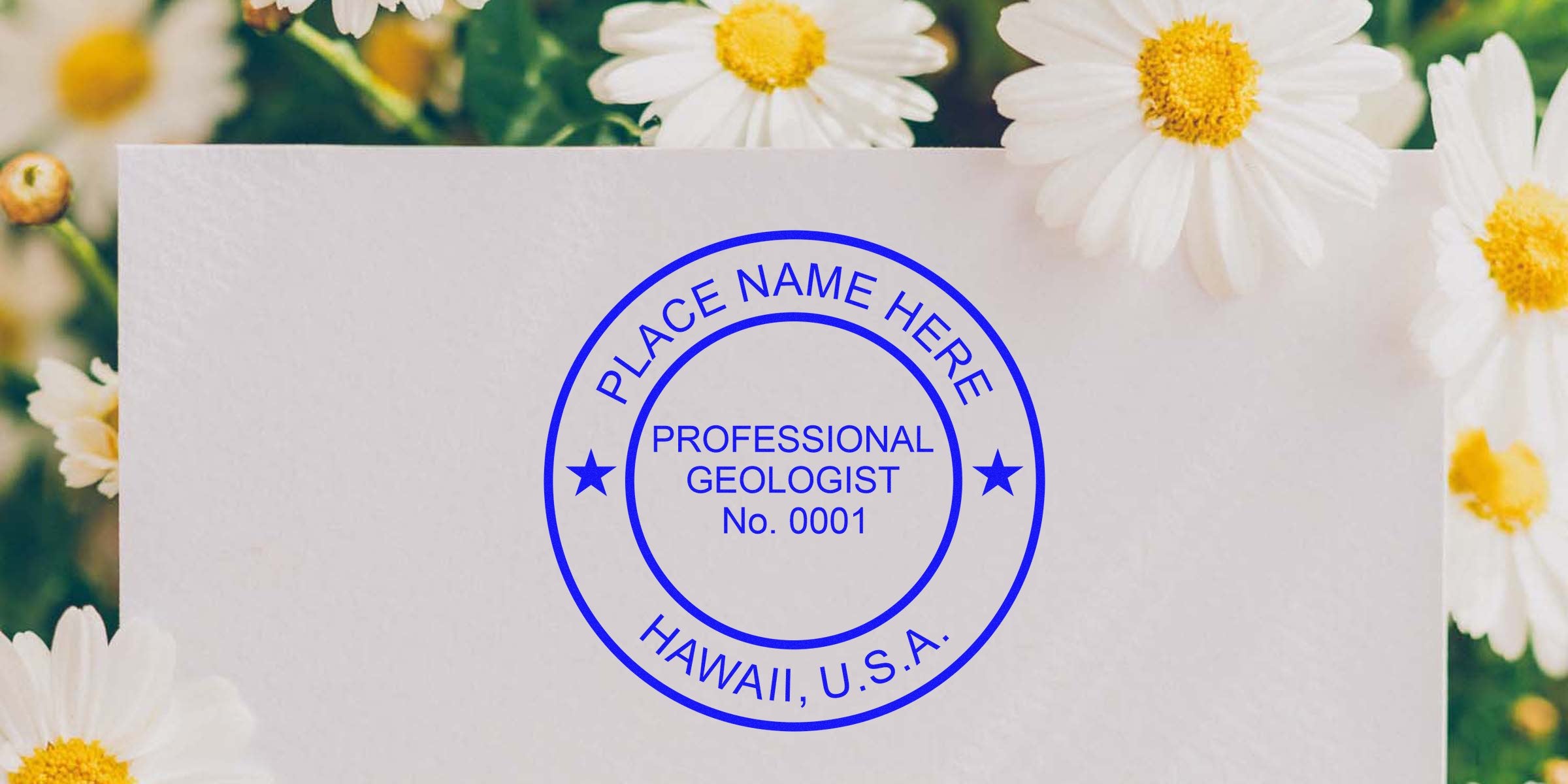
Introduction To The Hawaii Geologist Seal
If you are a geologist practicing in Hawaii, chances are you have heard about the Hawaii geologist seal. This seal is not just another stamp to file away in your desk drawer. Instead, it represents your professional standing, giving you the authority to validate reports, drawings, and other official documents. Most importantly, it assures clients, regulatory bodies, and peers that your work has been vetted by a licensed professional with a firm grasp of geology.
Conforming to Hawaii’s regulations can feel daunting if you have never dealt with official seals. However, it is not as intimidating once you know the basics. In this guide, you will learn what this seal is, why it matters, and how to use it correctly. You will also discover how to choose the ideal seal for your workflow and explore a few tips on meeting Hawaii’s geologist requirements in the simplest way possible.
Understand The Core Requirements
Before you put pen to paper (or seal to page), you will need to understand the core requirements set by Hawaii’s licensing authorities. To maintain professional standards, they have specific criteria around who can use the Hawaii geologist seal, as well as the design and size of the seal itself.
The Importance Of Regulation
In Hawaii, government agencies rely on licensed geologists to ensure that geologic data meets strict guidelines. By requiring an official seal, the state protects the public from substandard work. It also gives licensed professionals a way to formally endorse their documents, which helps differentiate legitimate expertise from mere opinions.
Defining Elements Of The Seal
Even though you have some flexibility in design, the Hawaii geologist seal must include your name, license number, and the wording that indicates you are a licensed geologist. Depending on your preference, you can use an embosser or a rubber stamp. Some professionals use both, especially when they need easy duplication (like with a stamp) but want a raised, more formal impression (like you get with an embosser).
Here is a quick breakdown of key components:
- Your full name as it appears on your license
- The correct term or abbreviation that indicates your role, such as “Licensed Geologist”
- Your unique license number
- The official circle or border that meets Hawaii format guidelines
Choose The Right Hawaii Geologist Seal
Once you have pinpointed the essential details, the next step is determining the right type of seal. You might be tempted to opt for the first basic rubber stamp you see, but taking a moment to understand your options will help you select the right style for the long haul.
Types Of Seals Available
- Rubber Stamp: Perfect for quick, repetitive stamping. The ink pad can be replaced easily. Rubber stamps are portable and cost-effective, making them a go-to if you are constantly verifying documents.
- Embossing Seal: Creates a raised impression that looks professional and is harder to replicate. Many geologists prefer embossers for key documents that must feel “official” to the touch.
- Self-Inking Stamp: A popular choice if you do a lot of stamping quickly. The ink is self-contained, so you do not need a separate ink pad. Less mess, fewer supplies to lug around.
- Pre-Inked Stamp: Similar to the self-inking method but uses gel ink. This option often produces crisp, clear impressions and can deliver thousands of impressions before needing a refill.
Rubber Stamp vs Embosser
- Appearance: A rubber stamp leaves flat ink on the paper, while an embosser leaves a raised imprint.
- Functionality: Rubber stamps are easier to transport and use repeatedly. Embossers work best if you want a more secure, tamper-resistant look.
- Application: If you frequently mail or scan documents, an inked stamp can appear more clearly in digital copies or photocopies. On the other hand, an embossed seal might not show up as well in scanned documents unless you add shading or a pen trace around it.
Both types can be official and valid. Hawaii typically permits licensed geologists to opt for whichever seal meets their personal and professional needs, so long as all required information is present.
Navigating Hawaii’s Official Guidelines
Hawaii’s rules for professional geologists might look complex first, but do not worry. Once you know the official steps, you will be set to seal and submit with confidence.
Checking Licensing Requirements
To use the Hawaii geologist seal, you have to be a licensed geologist in good standing in the state. If your license has lapsed, or if you have not yet gone through the application process, you cannot legally seal documents under your name. The Hawaii Board of Professional Engineers, Architects, Surveyors and Landscape Architects oversees licensing (though specific geologist licensing often has its own requirements).
Maintaining Records
You will want to keep track of all documents you have stamped or embossed. This simple habit helps you remain compliant and provides a log of all your verified work. A quick way to do this is to keep a digital or paper-based record of:
- The date you used your seal
- The project or document name
- The client or agency you sent it to
If you ever need to confirm that the copy you have on file matches the one an agency received, this documentation provides a paper trail.
Proper Use Of Your Hawaii Geologist Seal
Using your seal correctly will save you time, headaches, and potential fines or professional complaints. A well-placed seal signals you know what you are doing and instills confidence in anyone reviewing your documents.
Placement Guidelines
- Readable Area: Place the seal in a section of the page that is easy to spot. Commonly, professionals stamp or emboss near their signature or in a designated area where official seals typically go.
- No Overlapping Text: Avoid stamping or embossing over crucial text, such as your signature or typed forms. The raised imprint or ink might obscure important details.
- Visible Ink Contrast: If you are using an ink stamp on dark paper, ensure you have a bright ink color so the seal reads clearly. Black ink vs white paper is a standard approach, but if you work on color-coded forms, pick your ink color wisely.
Digital Copies
When an organization requests a digital version of your sealed documents, you can scan the embossed or inked page. Keep in mind that embossed seals sometimes need an outline or pen shading if you want the impression to show up after scanning. Another option is to add a professional digital seal to your PDF or other electronic documents, so the authenticity remains intact.
The Perks Of A Trusted Supplier
Not all seal suppliers are created equal. Some offer cheap materials that degrade quickly, or they provide generic designs that might not meet state guidelines. That is where Acorn Sales comes in. We have been in business since 1964, providing durable, compliant Hawaii geologist seals and stamps that professionals trust.
Why Acorn Sales?
- Longevity: Operating since 1964, we have refined our production process to deliver consistently high-quality stamps and embossers.
- Free Digital Seal: When you purchase a physical stamp or embosser, you also get a free digital seal that you can use in your electronic documents. This saves you from having to rely on scans alone.
- Focus On Professional Compliance: We understand Hawaii’s specific requirements, so we will ensure the final product includes the necessary components, from your license details to the proper outer ring text.
If you are curious about the available designs or want a custom layout, feel free to explore more about our Hawaii Geologist Stamp. Whether you prefer a pre-inked device or a sophisticated embosser, you are bound to find an option that fits your style and budget.
Step-By-Step: Getting Your Seal And Using It
Knowing the requirements is one thing. Putting that into practice can still feel unfamiliar if you are new to the profession. Here is a quick step-by-step rundown to guide you.
Confirm License Status
Make sure your geologist license in Hawaii is valid. Renew if needed, so you are absolutely clear to practice and seal documents.Select A Seal Design
Decide if you want a traditional rubber stamp, a self-inking style, or an embosser. Remember to verify that the design includes your name, license number, and correct geologist title.Order From A Reputable Supplier
Opt for a company like Acorn Sales whose products meet official Hawaiian guidelines. Check for freebies, like a digital seal, to streamline your workflow.Receive Your Seal
Inspect it immediately. Make sure the lettering is correct, spelled right, and the seal’s diameter meets state specifications (if specified).Practice Placement
Before stamping official documents, do a few test impressions. Check clarity, contrast, and make sure everything is legible.Seal Documents With Confidence
Whenever you finalize a report or drawing that requires your authorization, place your seal in a visible area near your signature. If you are using an embosser, make sure you press firmly.Maintain A Log
Keep notes of the projects you have sealed. Store scanned or photocopied versions of your sealed documents for future reference.Renew & Update
If your license information changes, or if Hawaii updates their guidelines, keep your seal updated too. You might need a brand-new stamp or changed text on your seal if your license number changes or if new legal language is required.
Tips For Hassle-Free Document Approval
Sealing your documents is more than just pressing ink or embossing a page. A few extra best practices can smooth out the approval process.
- Proofread First: Double-check your document for typos or missing pages before sealing. It is easier to correct mistakes beforehand than to re-seal a revised version.
- Ask About File Formats: Some agencies want a digital copy, others prefer a physical document. Knowing this upfront helps you plan whether you need an electronic seal or if you should rely on your embosser.
- Use Clean Paper: For official reports, use a good-quality paper that will hold ink well or show an embossed impression clearly.
- Keep Communication Open: If a client, agency, or colleague has questions about the authenticity of your seal, be ready to guide them. Transparency builds trust and prevents misunderstandings.
Bridge The Gap With A Digital Seal
Today’s world is more digitized than ever, so you might wonder if a physical seal is even necessary for certain documents. On one hand, digital seals make it convenient to sign and share PDFs without printing. On the other hand, official processes often still require a wet or embossed seal for final acceptance. The good news is, you can keep both on hand.
When To Opt For Digital
- Online submissions or e-filings
- Documents that do not need a physical paper trail
- Quick client approvals where time is of the essence
When You Need Physical
- Original contracts or legally binding documents
- Paper-based records that must be stored in a physical archive
- Any scenario where the recipient specifically requests an ink or embossed seal
By having both options ready, you can adapt to any client or regulatory preference without skipping a beat.
Troubleshooting Common Issues
Even seasoned geologists can run into hiccups when sealing documents, so do not feel embarrassed if you have some stumbles. Here are common pitfalls and how to address them.
| Issue | Possible Cause | Quick Fix |
|---|---|---|
| Incomplete Ink Impression | Not enough ink or uneven pressure | Re-ink the stamp pad or press more firmly on a flat surface |
| Faint Embossing Image | Lack of pressure | Practice a firmer squeeze or try an embosser with a leverage handle |
| Name Or Number Is Misspelled | Supplier error or oversight | Contact your supplier immediately for a replacement |
| Seal Does Not Meet Guidelines | Outdated design or missing info | Verify current state regs and order a correct seal as soon as possible |
A simple test: always stamp or emboss a blank page before handling an important document. A 30-second check helps you catch issues early.
Symbolizing Your Professional Commitment
While it might just be a small circle of ink or an embossed impression, your Hawaii geologist seal symbolizes much more. It reflects your credibility, training, and willingness to abide by professional standards. Every time you stamp a report, you are putting your name and reputation on the line. That is why having a valid, high-quality seal matters just as much as the data you present in your documents.
Wrapping It Up
Securing and using your Hawaii geologist seal is a key step to practicing geology in Hawaii with full legal authority and professional recognition. Though the guidelines might be detailed, they become second nature once you have a dependable seal, understand the regulation basics, and maintain good documentation habits.
If you still have questions about what kind of seal suits you best or how to stay compliant, remember that Acorn Sales has been around since 1964, offering quality stamps, embossers, and free digital seals to keep your paperwork hassle-free. Ultimately, taking the time to verify your license details and select a reliable seal means you can tackle each project with confidence, knowing your geological expertise will be recognized and respected.
Frequently Asked Questions
Do I Need To Register My Seal With Hawaii?
Yes. Once you have obtained the seal and confirmed your licensing, you typically register it with the relevant board or agency overseeing geologists. Some boards require a specimen of your seal on file, along with your signature.
Can I Use My Hawaii Geologist Seal For Out-Of-State Work?
Generally, no. Your Hawaii geologist seal is recognized within the state of Hawaii. If you plan to submit work in another state, you will need to follow that state’s licensing and sealing regulations.
What If I Promote My Services Online?
It is perfectly fine to showcase your credentials, but do not place your seal on marketing materials in a way that suggests you have approved official content. Reserve your seal for actual professional documents, not general advertising.
How Do I Get A Free Digital Copy Of My Seal?
At Acorn Sales, we include a free digital seal with every physical stamp or embosser purchase. This digital file can be inserted into PDFs, making it easy for you to verify documents electronically without scanning an embossed impression.








