
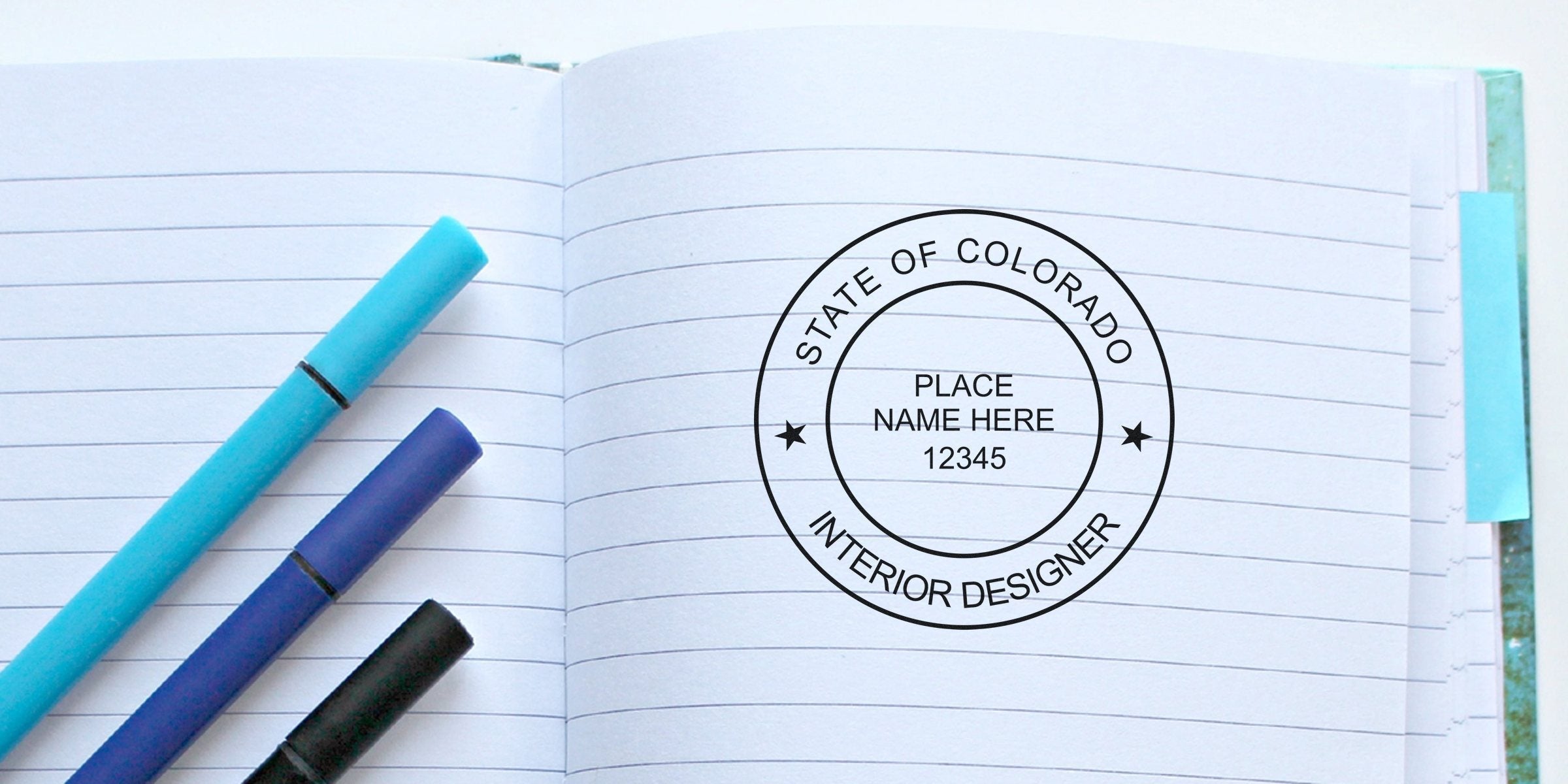
If you have been trying to work out how to get your Colorado interior designer seal embossing just right, start with the part that changes the whole exercise: Colorado does not license interior designers. There is no state board for the profession, no license number to print, and no rule anywhere telling you what an interior designer's seal should look like or when to press it. Every decision below is a design and craft decision rather than a standard to clear.
That is a better starting point than it sounds. An embossed mark is a presentation tool, and a good one. It puts your name on drawings, finish schedules, proposals, transmittals and the client's copy of a set in a way that reads as deliberate and adds a professional touch to the documents being stamped. This guide covers what Colorado actually does and does not do, how to get a clean impression every time, how to look after the device, and how digital versions fit in. Acorn Sales has been making stamps and seals since 1964, and a free electronic stamp comes with every order.
What Colorado Actually Does
The Colorado Division of Professions and Occupations publishes the list of occupational professions it regulates. Interior design is not on it. Colorado licenses architects, professional engineers and professional land surveyors under Title 12, Article 120, and landscape architects under Article 130, with the practice rules in 4 CCR 730-1. None of those credentials is an interior design credential, and none of their seal provisions reaches an interior designer.
- No license to hold. Colorado issues no interior designer license or registration, so there is no state number for your seal to carry.
- No seal provision. With no credential, there is no rule telling an interior designer here when to seal a document.
- No prescribed design. Nothing in the state's rules sets the diameter, shape, border or wording of an interior designer's mark.
- A separate set of credentials exists. Architects and engineers do have seal rules in 4 CCR 730-1. Those belong to those licenses and say nothing about interior design work.
Vendor pages sometimes list Colorado as a state with interior design seal specifications. On the Division's own inventory of regulated professions, it is not one. If a supplier offers to make your seal match Colorado's interior designer specifications, they are describing something that does not exist. For the citations behind all of this, read Colorado Interior Designer Seal: No State Stamp.
One Thing To Keep Off The Die
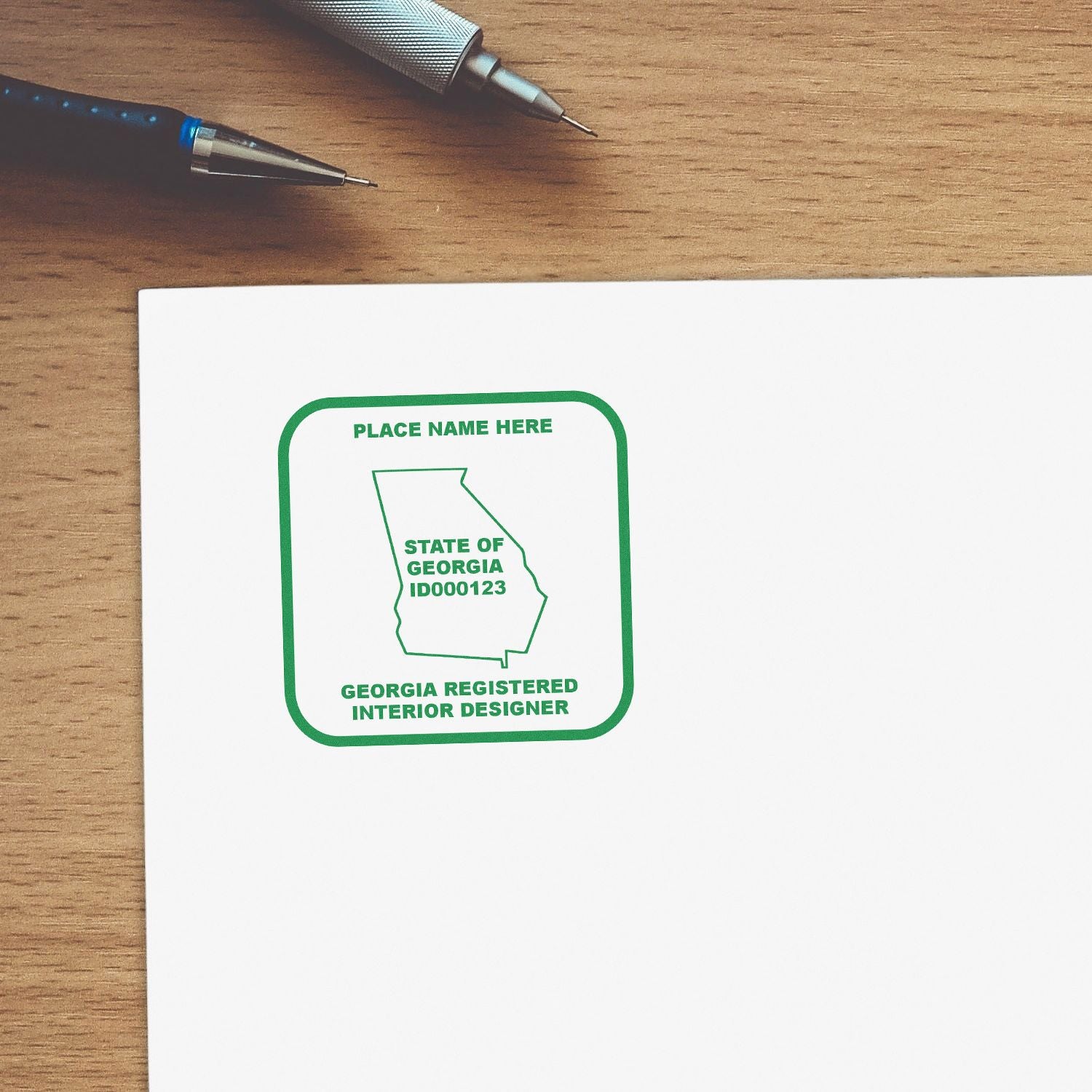
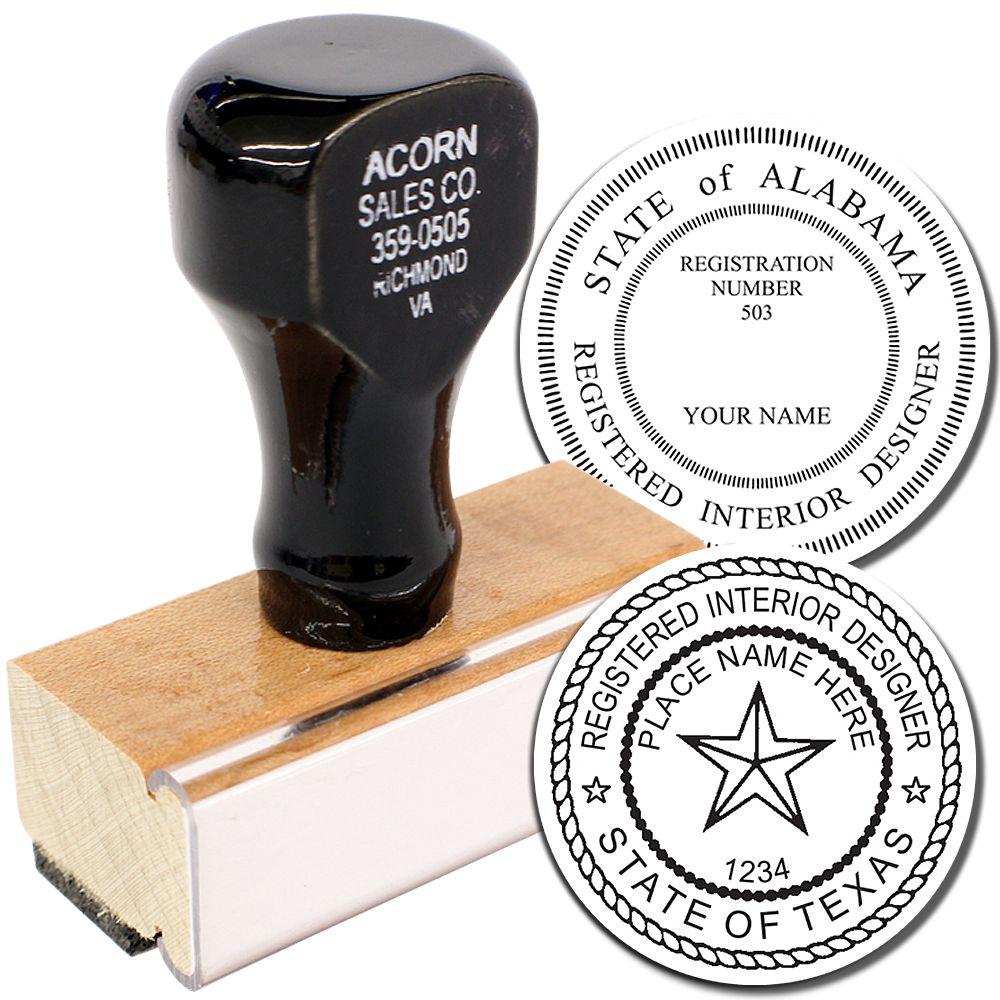
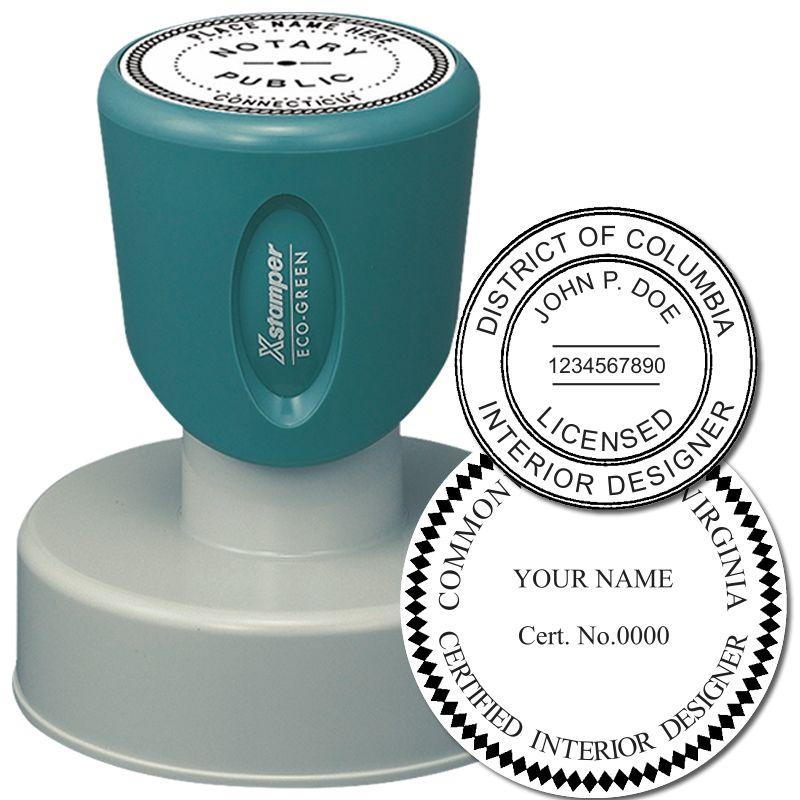
Because the state grants no title, a mark reading Registered Interior Designer with State of Colorado around the ring claims a credential Colorado does not issue. Anyone reading it would take it for a state registration. Use your name and the title you actually use, add your firm name and city if you want the mark to stand in for a business block, and name the issuing state beside any credential you hold from somewhere else. Accurate wording is the one design rule worth being strict about here.
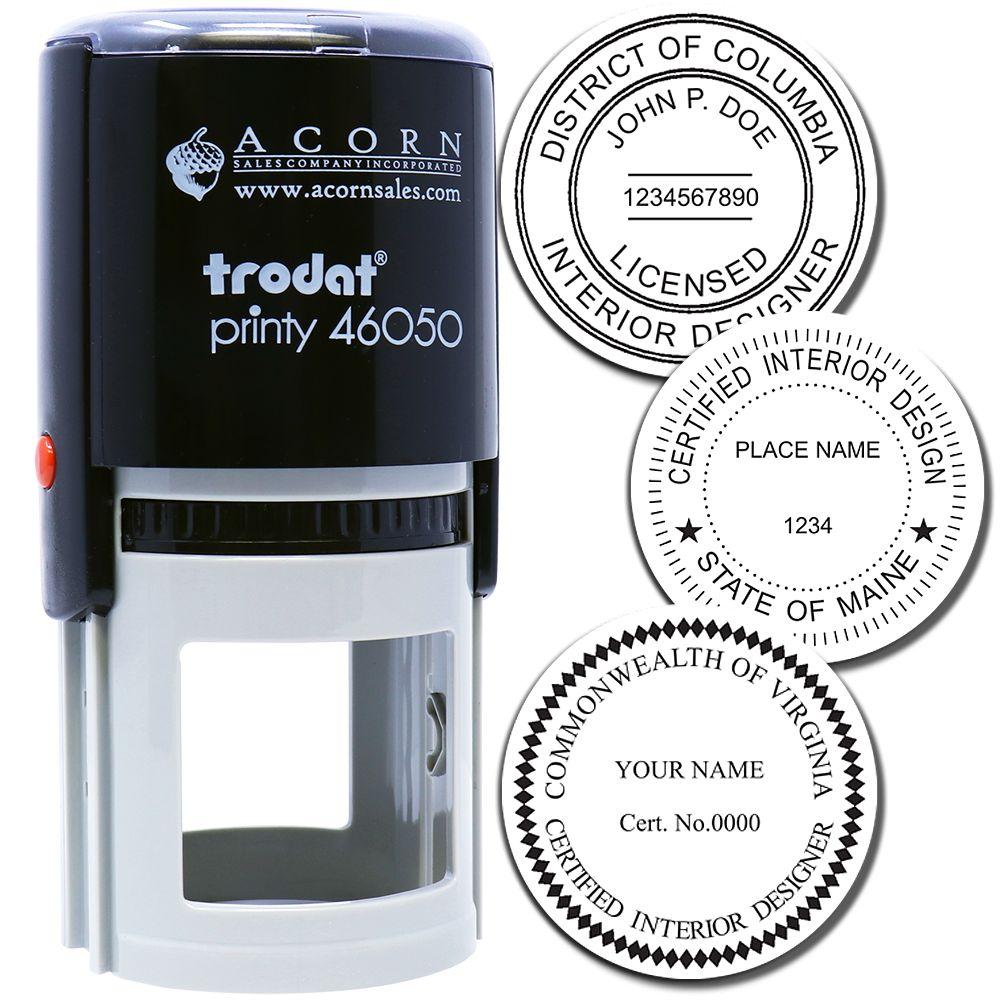
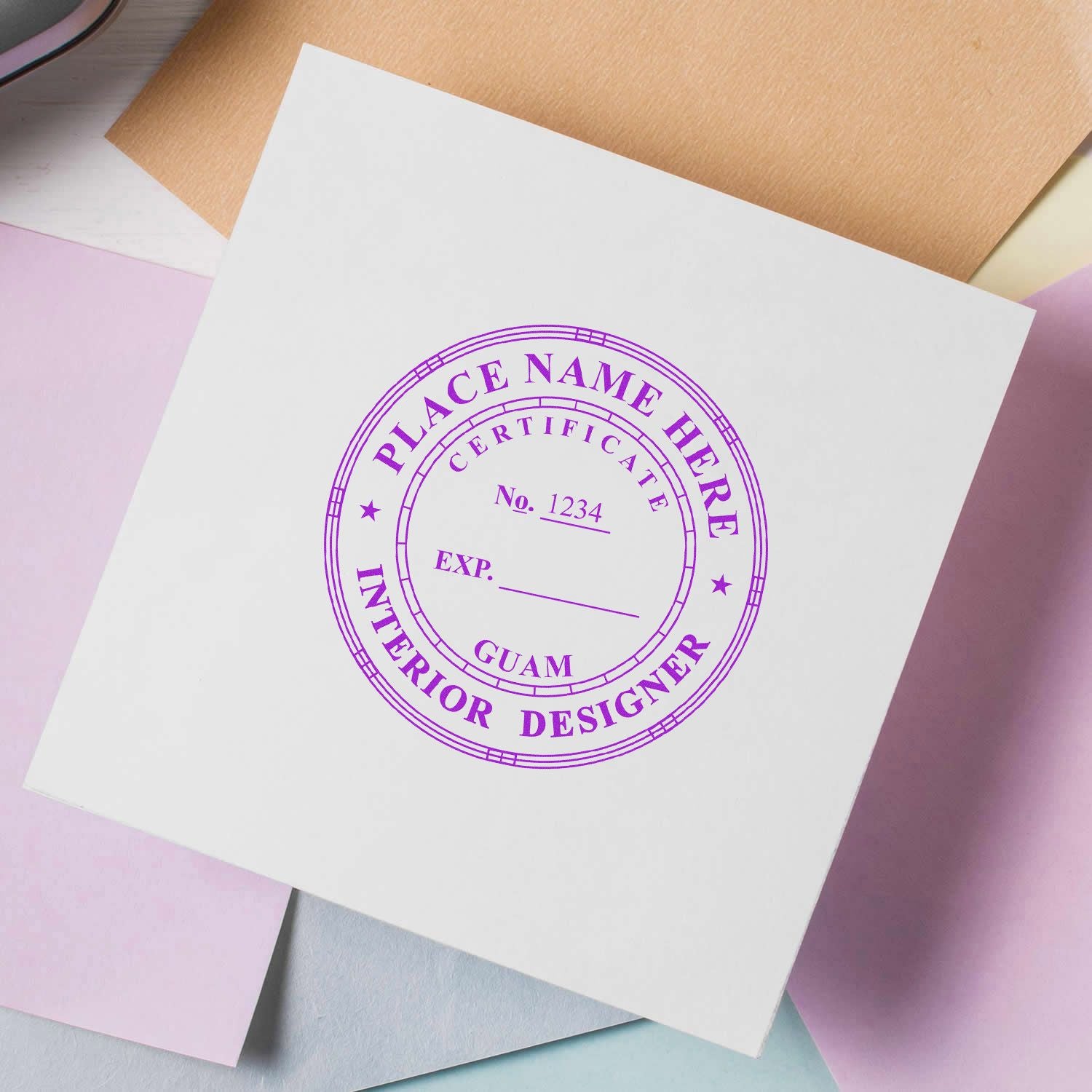
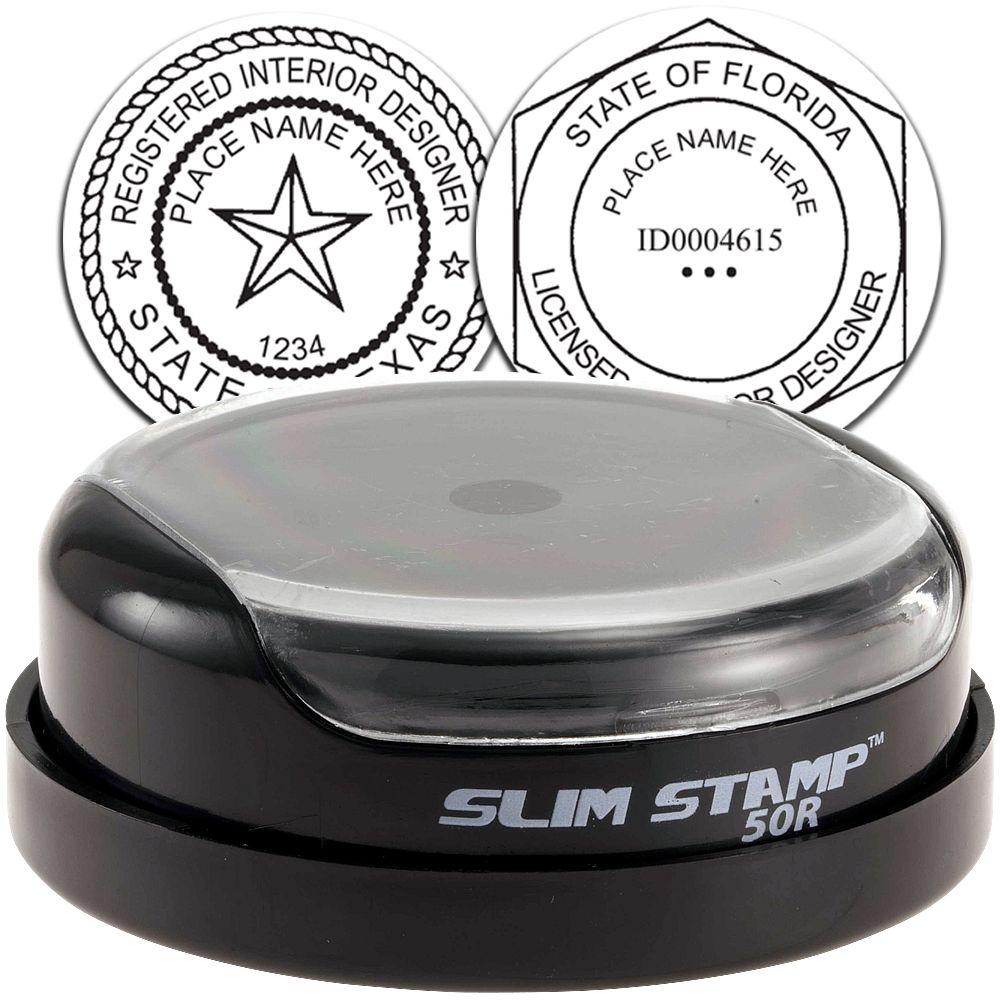


Gather Your Embossing Tools
Before you press a seal onto anything, get the right gear in front of you. The wrong tool produces blurred impressions and do-overs.
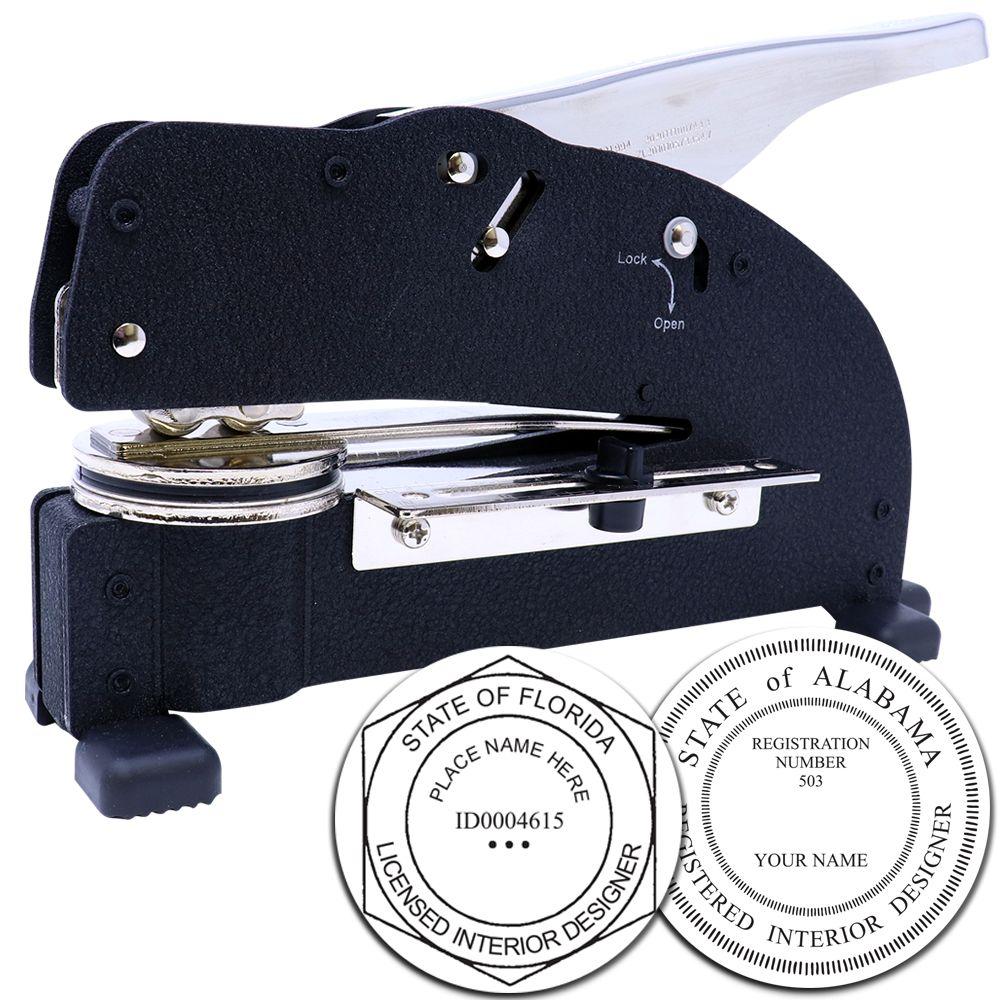
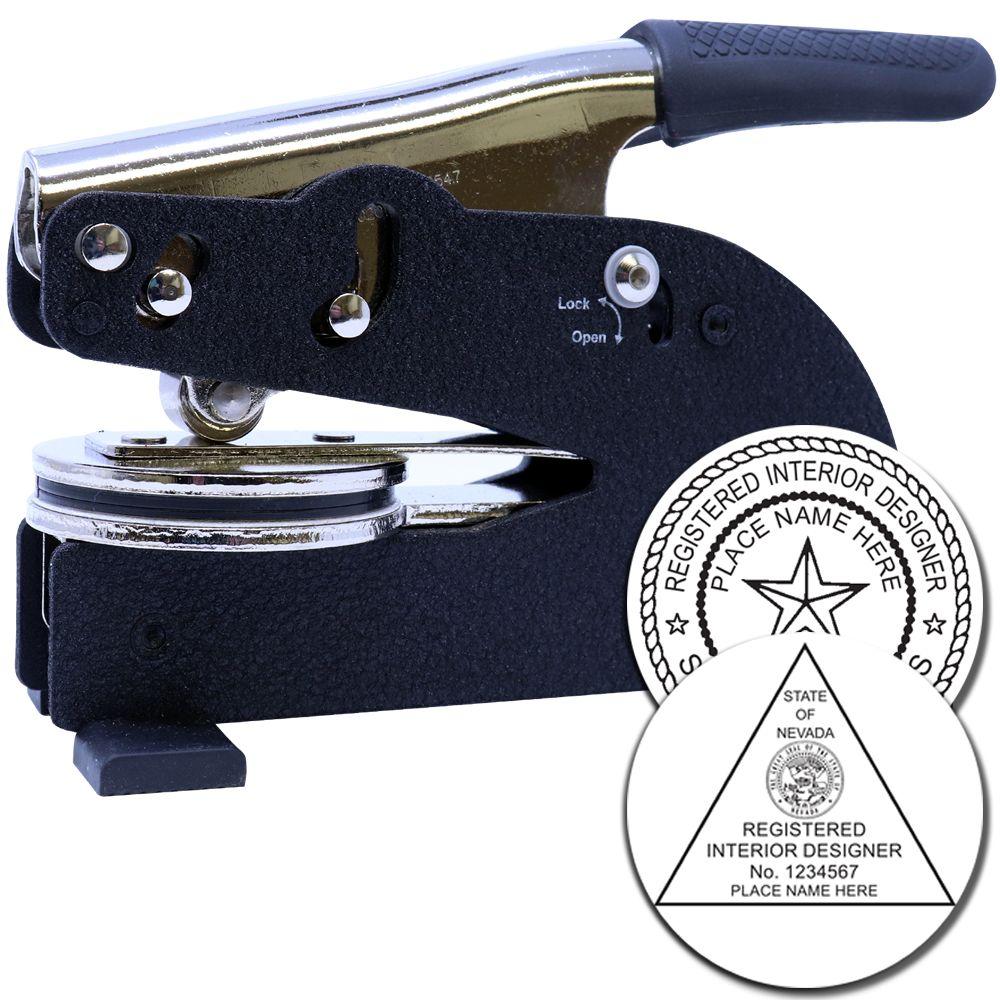
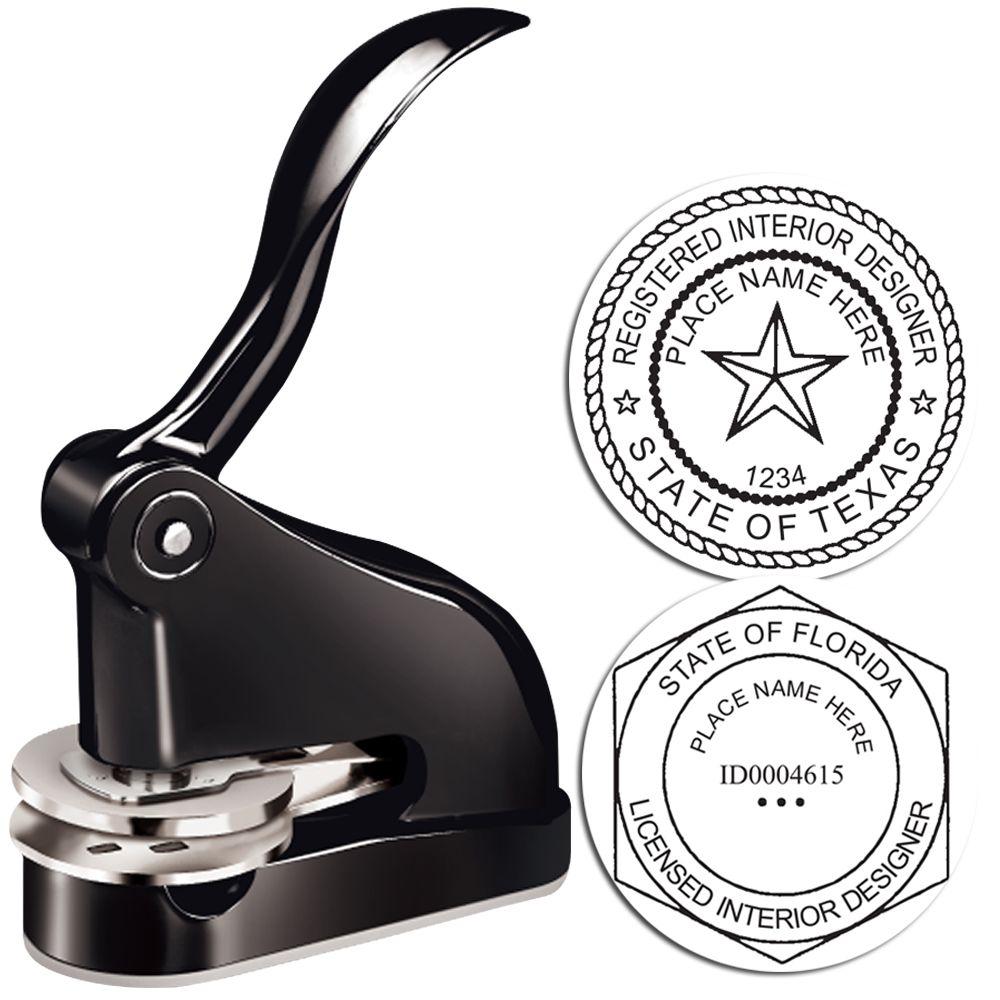
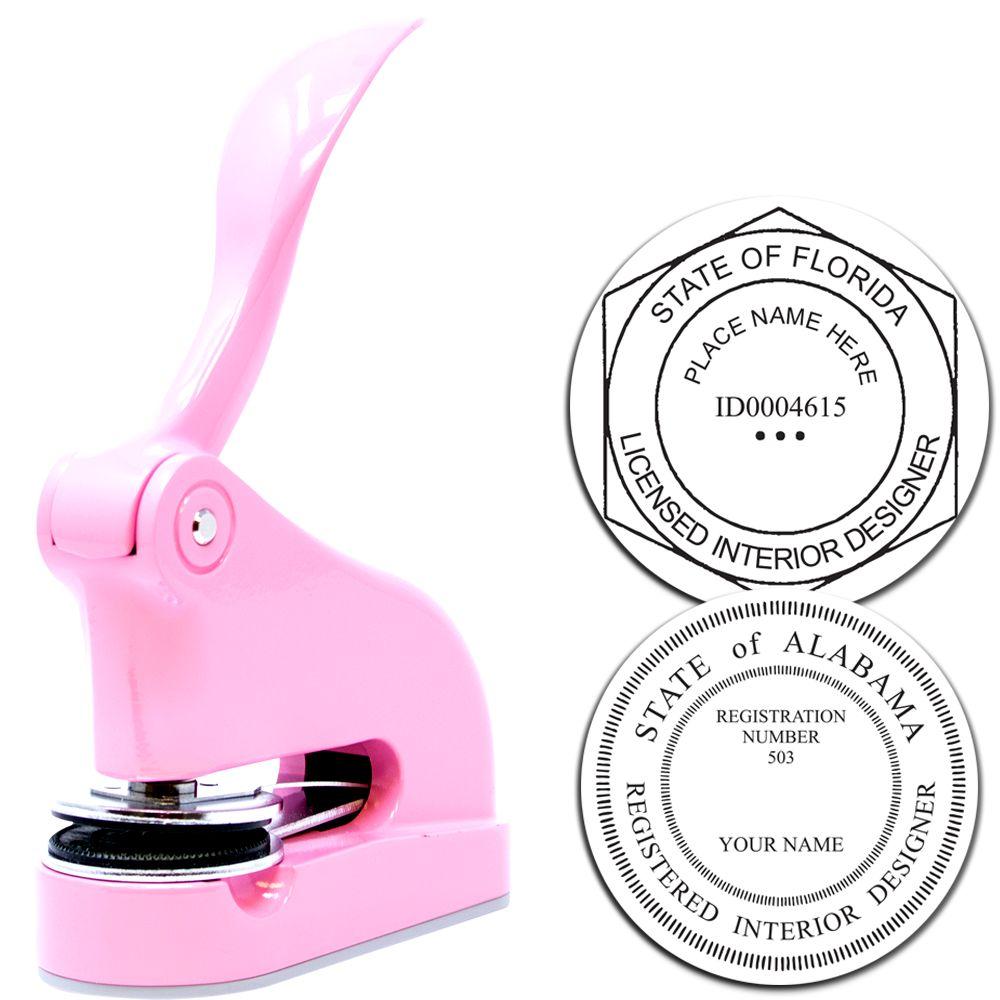
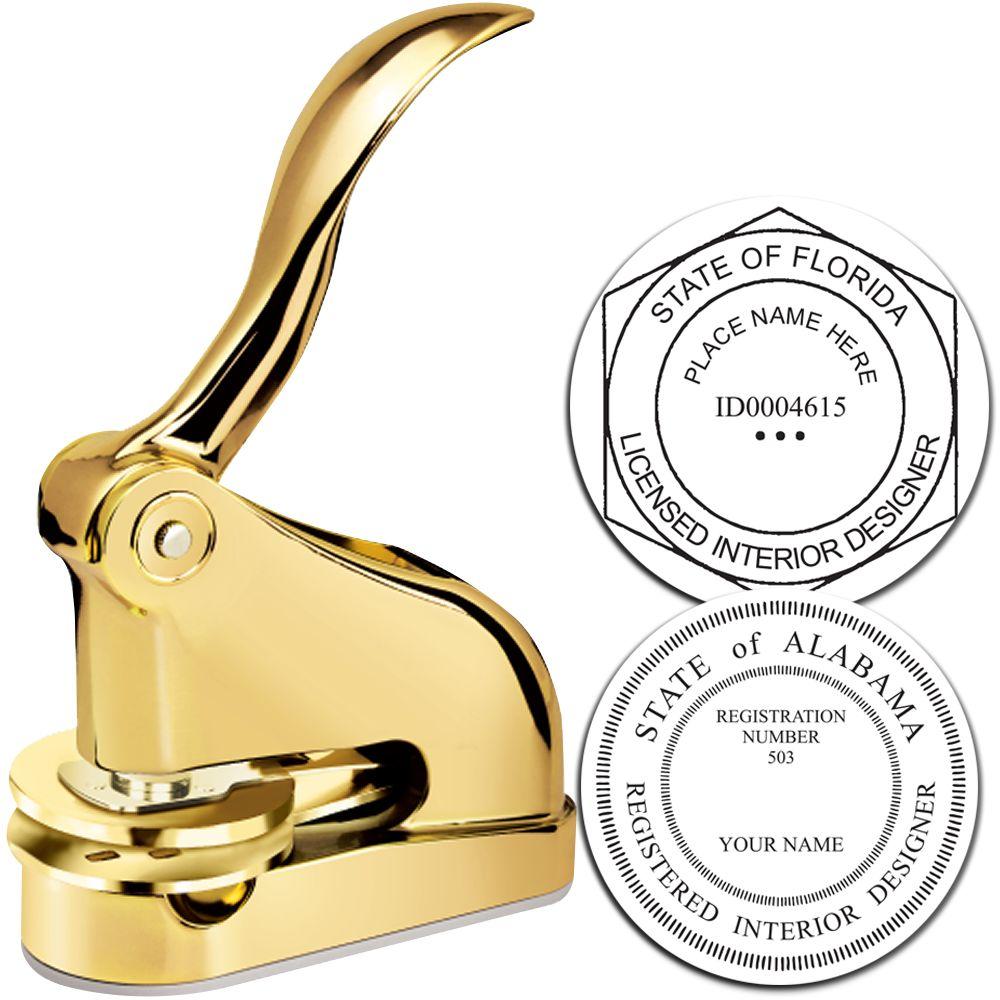
- An embossing press sized for where the impression will land, whether that is a signature block or the open corner of a cover sheet
- An ink pad, if you also want a dark impression on copies
- The approved proof of your artwork, kept somewhere you can find it for a reorder
Because Colorado prescribes no layout, we set your artwork from the text you send rather than from a template, and we send a proof so you can see it at finished size before anything is cut.
Paper And Document Choices
Have you ever embossed on flimsy paper and ended up with tears and odd creases? Aim for standard or slightly heavier stock. Very thick cardstock can defeat a lighter press, so if you plan to seal report covers or certificate stock, confirm the model is rated for that weight. Watch your margins too. A narrow margin makes placement awkward, and an impression that runs off the edge looks careless.
Get The Technique Right
A clean impression reads as confidence. A wobbly, half formed one does the opposite, and it stays on the page.
Align The Text
Position the device so the text reads right side up against the document's own text, and place it where it will not overlap anything a reader needs. If you are unsure, mark the spot lightly in pencil or use a sticky note as a guide. Pick a position and use the same one across your documents, so the mark becomes something people recognize rather than something they hunt for.



Check Pressure And Clarity
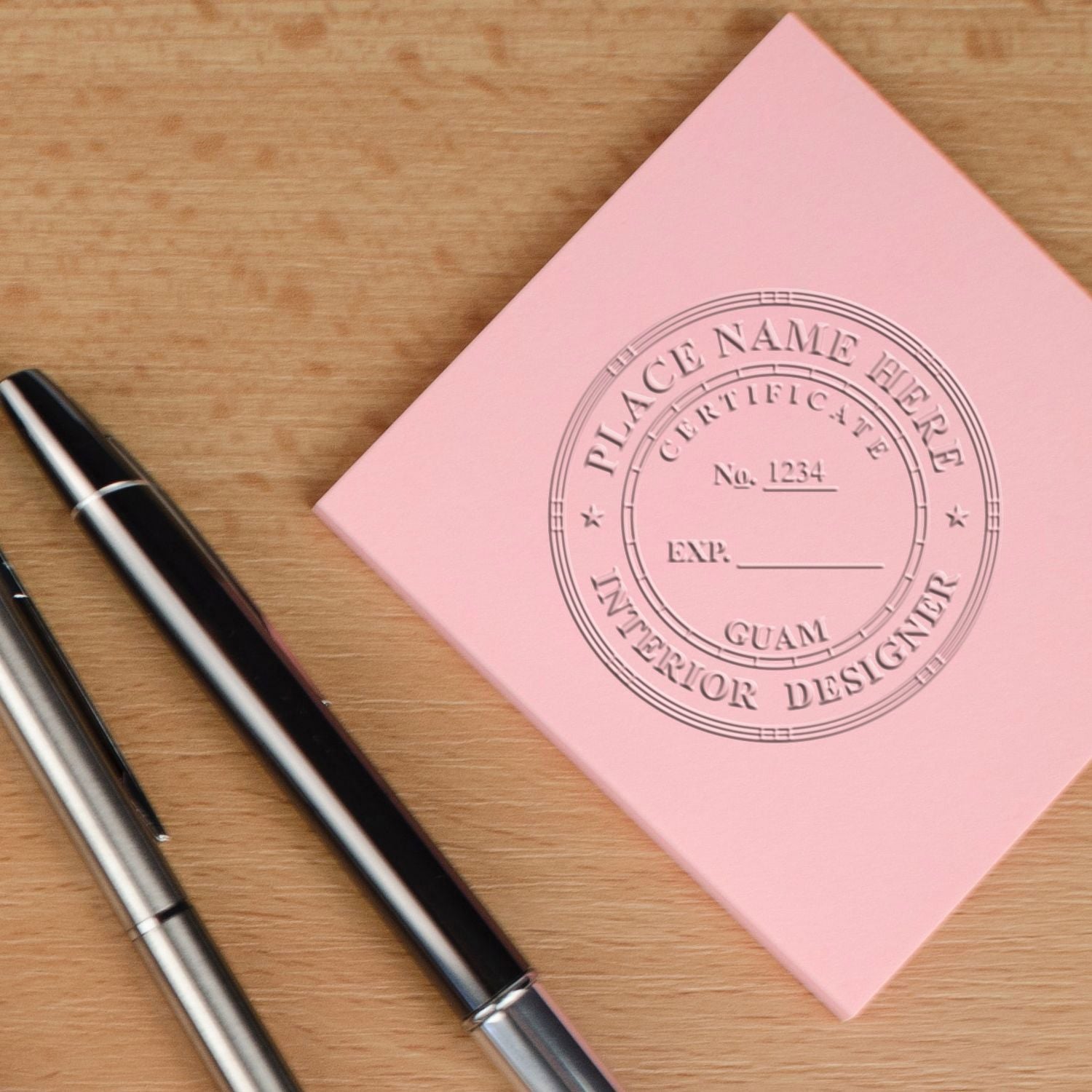
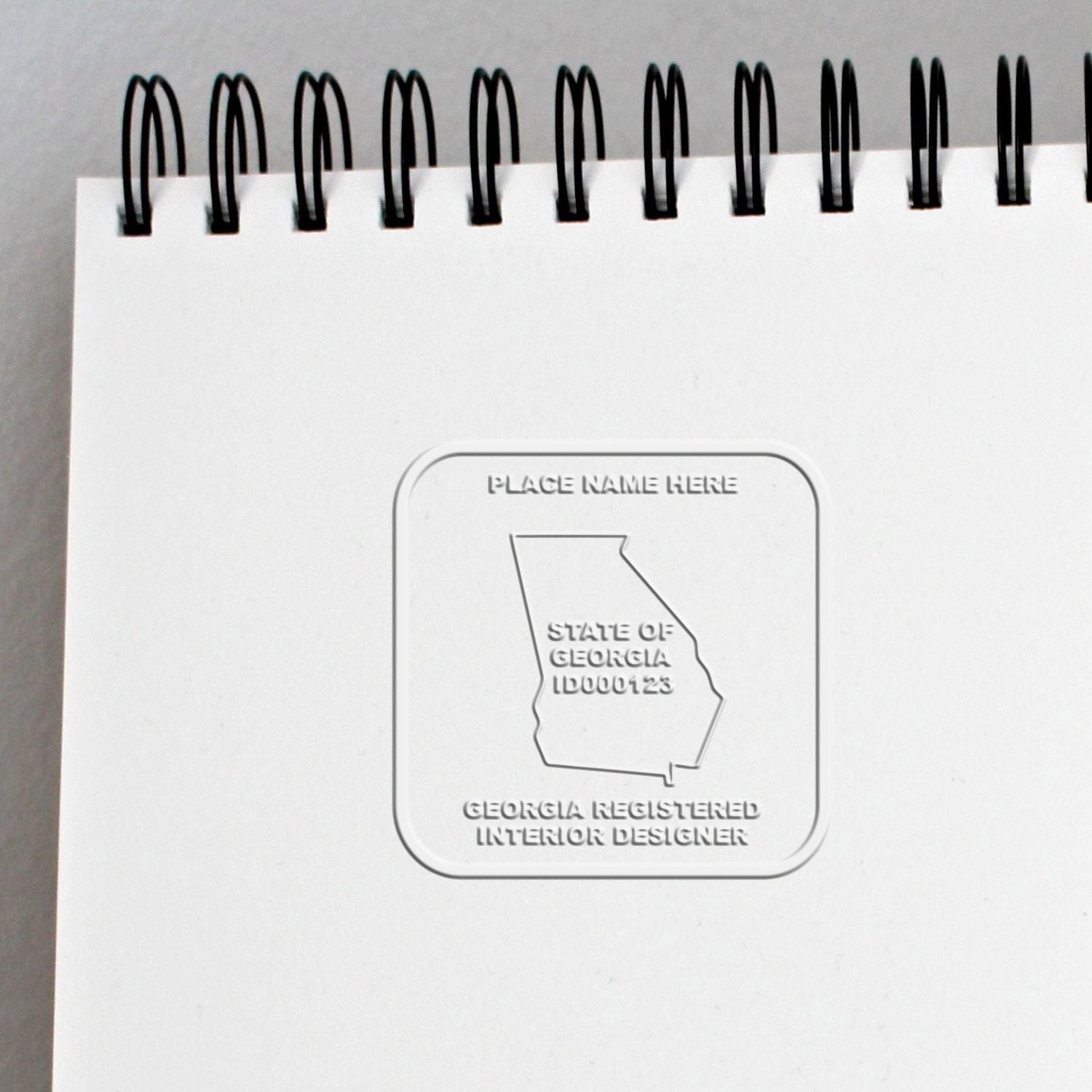
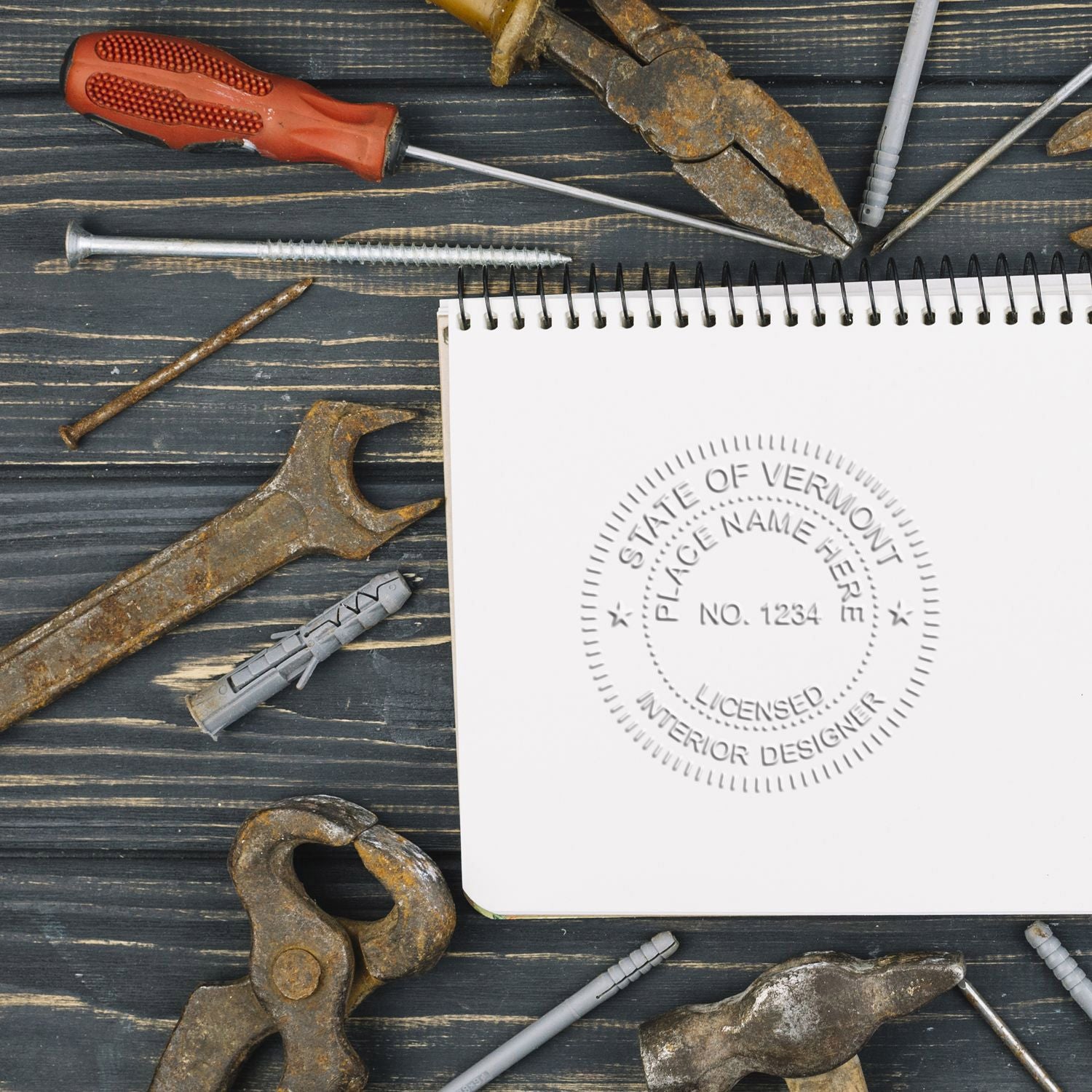
Do a practice run on a scrap sheet of the same paper. Apply steady pressure until the device meets resistance. Too much force tears the sheet, too little leaves a faint outline, and the right amount is easy to find once you have felt it twice. A crisp, fully formed seal is what you are after, especially on plans going out for permit review or client sign off.
Ink, No Ink, Or Both
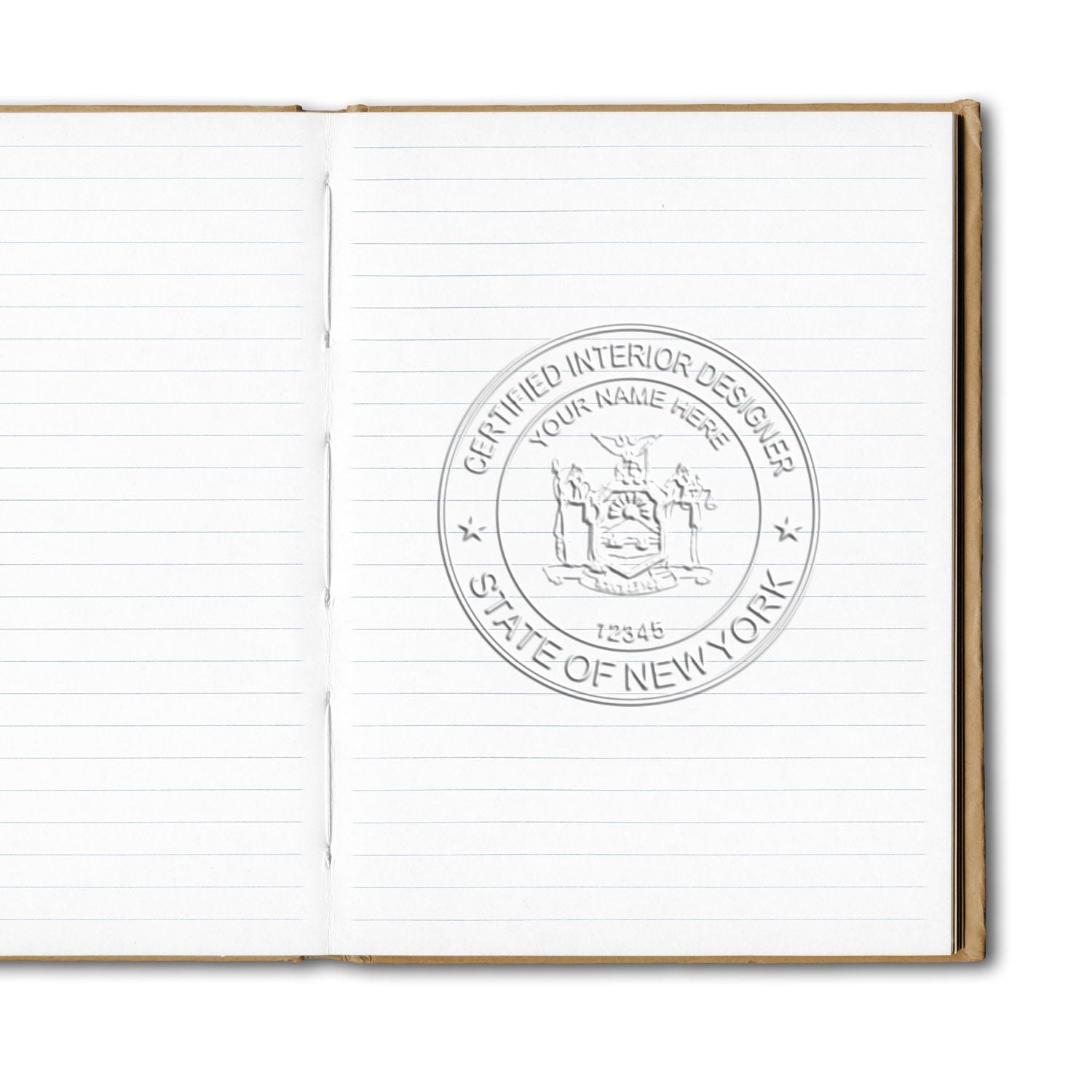
When people hear embossing they usually picture a raised, colorless imprint, and that works well on an original that someone will keep. The trade off is that a raised impression does not photocopy. Scan an embossed page and the seal flattens into a faint gray smudge, which is useful when you want the original to be distinguishable and unhelpful when you need the mark to survive reproduction.
Plenty of designers keep both devices: an embosser for originals and presentation sets, and an inked stamp for everyday copies and anything that gets scanned. No Colorado rule prefers one over the other, because no Colorado rule addresses either. If a particular client or planning office has a preference, ask them, and then do what they ask.
Maintain Quality And Longevity
A seal is a mechanical device and it rewards a little attention. Most of the problems people bring to us are storage problems.

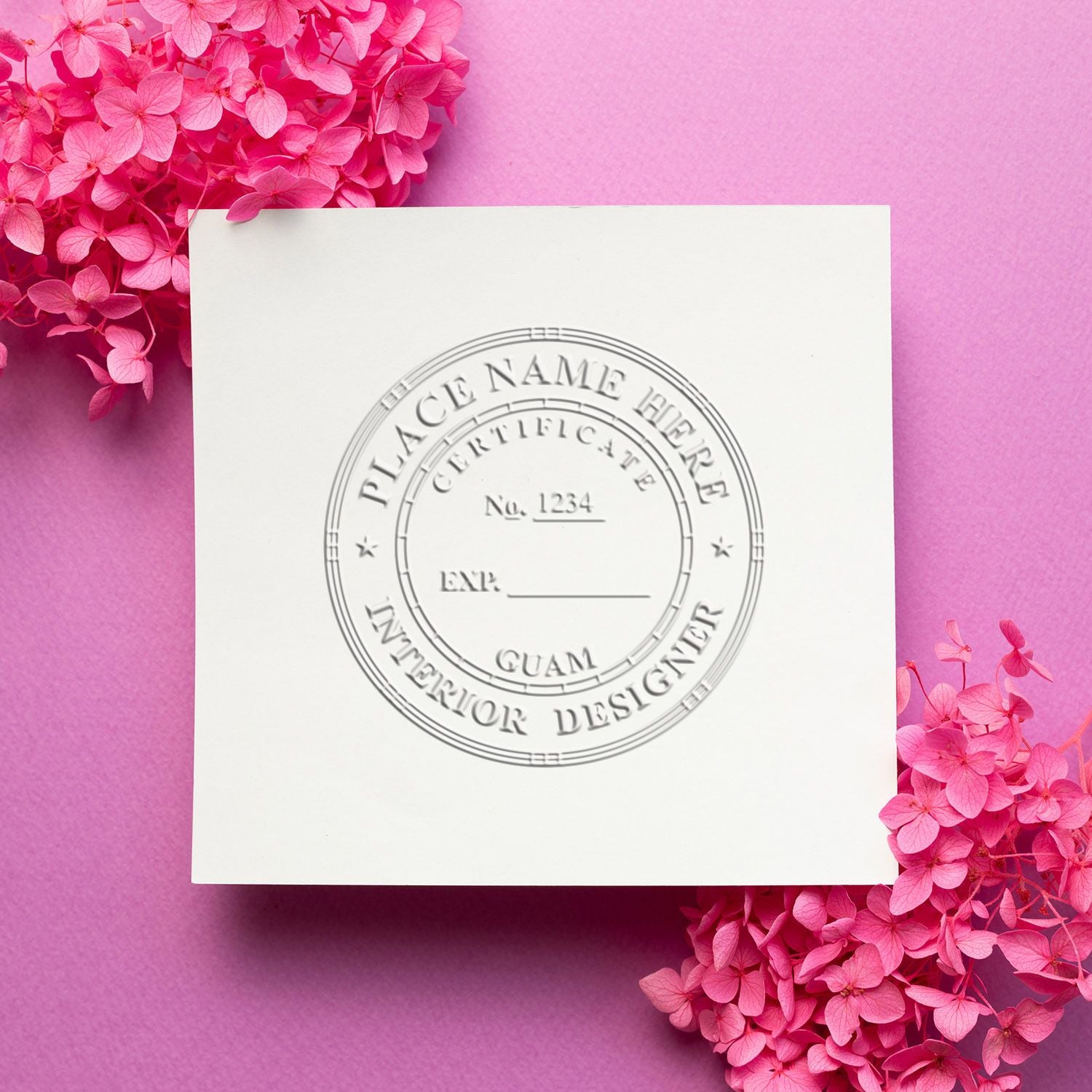

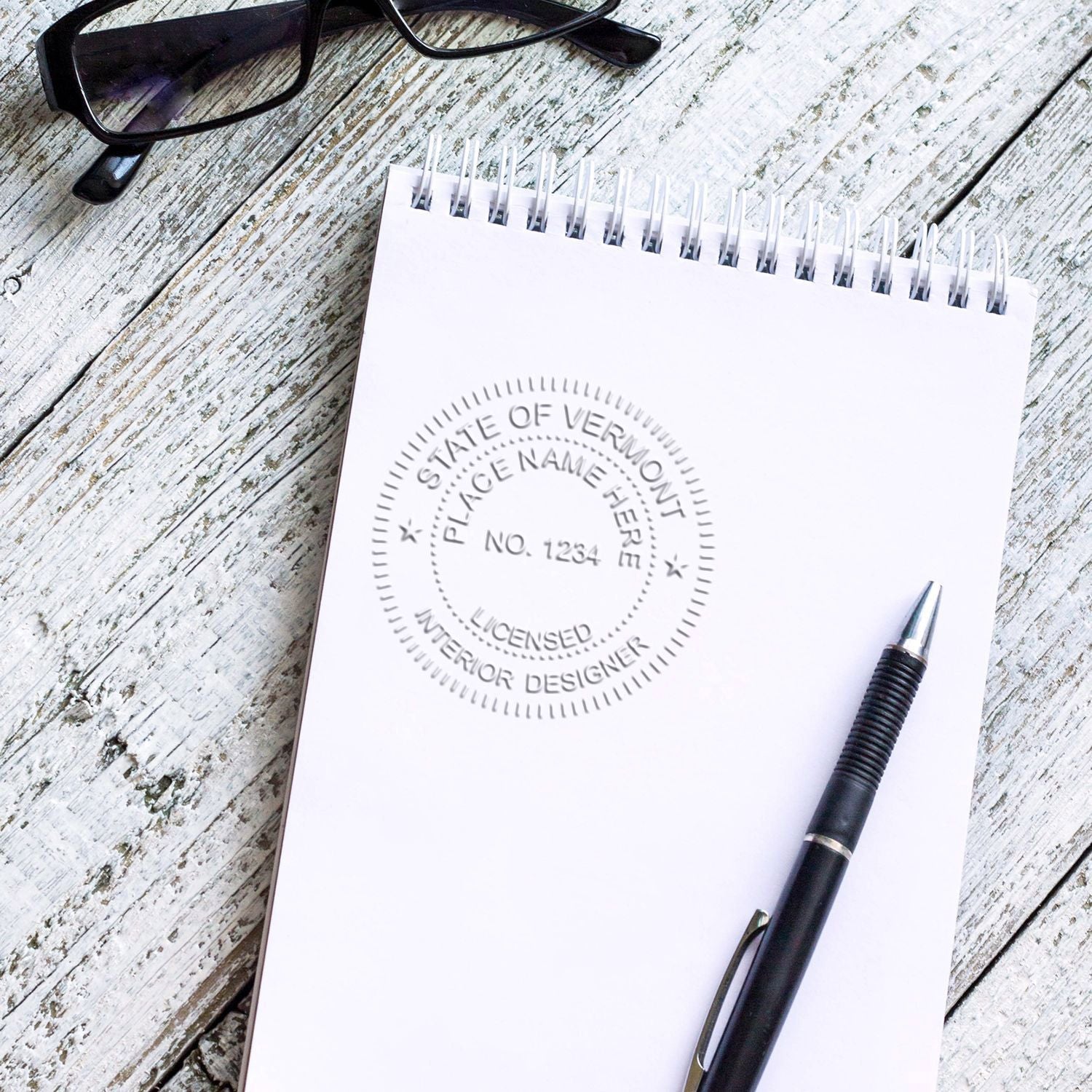
Store It Safely
Keep the press in a clean, dry spot so dust does not work into the mechanism and damp air does not start rust on metal parts. A case or a snug bag helps, and it also keeps the handles from being squeezed by accident in a drawer. Keep it out of direct sunlight, which discolors metal and makes plastic components brittle over a few seasons.
Know When To Order A New One
Dies wear, especially if you work through large stacks of drawings. Watch the clarity of your impressions. When letters start going fuzzy or lines come up incomplete, it is time for a fresh device. You want the impression on your fiftieth document to look like the one on your first. Incomplete impressions and a creaking hinge sometimes just mean alignment has shifted, and your supplier can often talk you through the adjustment before you spend anything.
Handle Digital Seals Properly
A lot of interior design work now moves as PDF, and a digital version of your mark saves the print, stamp and scan loop.
What An Electronic Version Does
Electronic seals drop straight onto digital plans, with no scanning and no smudges. At Acorn Sales a free electronic stamp comes with every order, so you are set for online submissions from the day your physical device arrives. If a builder or an office wants a quick file review, your mark is already in the file.
Protect The File
Digital convenience brings a security question with it. You do not want a loose image of your seal circulating where anyone can pick it up. Use PDF software that lets you restrict editing, flatten the file before you send it, and keep the source image on a password protected device rather than a shared drive. It is the same instinct as locking the office door, and a few extra steps keep your name attached only to work you did.
Avoid Common Pitfalls
Most mistakes happen in a rush, on the last page, at the end of a long day. Slowing down for thirty seconds prevents nearly all of them.
Skipping The Sample
Pressing straight into a finished set without a test run gives you lopsided impressions and half formed lines. Any time you have a new device, or you are working on an unfamiliar paper, run one sample first. If it comes out patchy, adjust the pressure or the alignment. It is a one minute step that saves hours of reprinting.
Approving A Proof Too Fast
The other common one is signing off on artwork without reading it letter by letter. Check the spelling of your name, check that every credential on the die is one you actually hold, and check that nothing on it implies a Colorado registration. Once the die is cut, a typo means a reorder.
Getting embossing right feels like learning a small skill, and after a dozen impressions you will wonder why it seemed fiddly. With the right device, a little practice, and wording you have checked carefully, you avoid reprints and back and forth with clients. And you do not have to sort it out alone. Acorn Sales has been supplying professionals since 1964, so if you want help settling on a layout, or you want that free electronic stamp for your digital files, we can set a proof from your text.
Pay attention to the small things, spacing, pressure, accurate wording, and your seal will do what you bought it for: make your documents look like the work of someone who signs what they send.
Frequently Asked Questions
Does Colorado Require An Interior Designer To Use A Seal?
No. Colorado licenses no interior designers, so there is no board, no license number and no rule directing anyone in the profession to seal a document. Designers buy a seal because it identifies the author of a document at a glance and gives a set a finished look, which is a good enough reason on its own.
Do I Need A Physical Seal If I Use A Digital One?
Neither is asked for, so it comes down to how your work travels. An embosser is the better look on an original a client keeps. A digital file is faster for anything submitted online. Many designers keep both and use whichever suits the document in front of them.
Is There A Best Practice For Storing My Seal When I Travel?
Use a protective case or pouch. Even a soft cloth bag shields the press from dust and knocks. Packing it properly prevents the alignment shifts that cause faint or partial impressions later.
How Often Should I Order A New Embossing Device?
It depends on volume. Watch the impression rather than the calendar. When outlines start fading or letters lose their edges, order a fresh one. Light users often go years without needing to.
Can I Personalize My Seal Design?
Yes, and more freely than in most states, because Colorado prescribes nothing. Round, oval or rectangular, name on the ring or centered, firm typeface carried over from your letterhead: all of it is your call. The one limit is accuracy. Keep every claim on the die true, and keep any wording off it that would suggest Colorado issued you a credential.








