
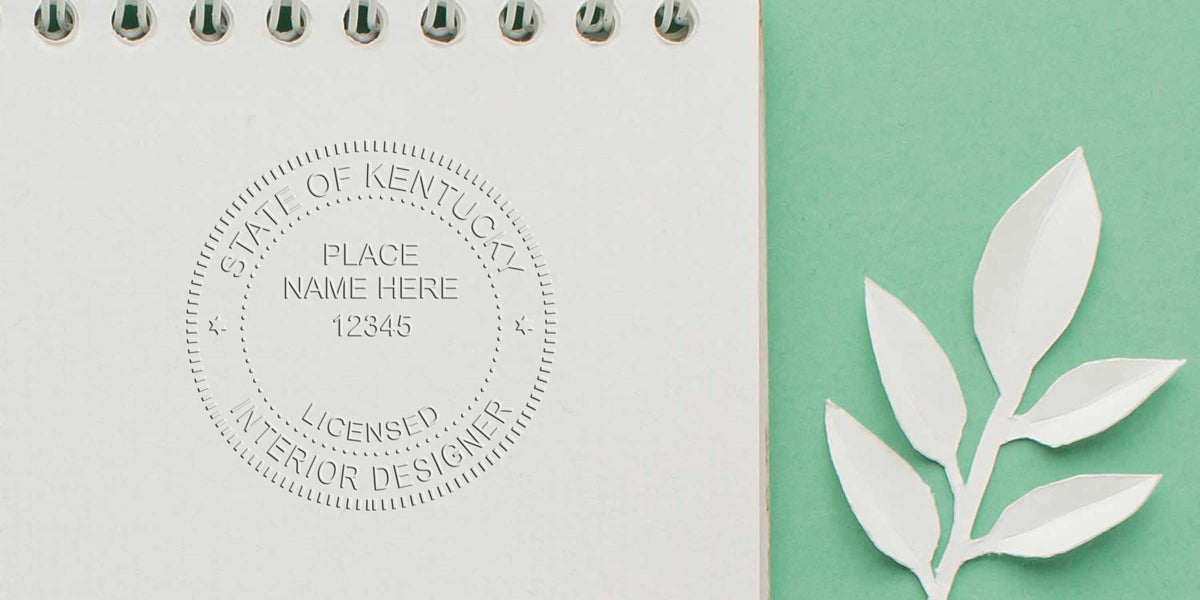
Are you ready to get crystal-clear on Kentucky interior designer stamp specifications and ensure your professional documents stand out? In this post, you’ll learn the essential guidelines for complying with Kentucky’s regulations, plus some tips to help your stamp look polished and consistent. Let’s dive right in.
Understand Kentucky Stamp Specs
When you work as an interior designer in Kentucky, your stamp or seal isn’t just a decorative detail. It verifies your credentials and helps clients, building departments, and colleagues trust your documentation. Kentucky interior designer stamp specifications typically cover size, shape, required text, and overall design clarity. Each of these factors plays a role in meeting official requirements, so it’s essential to know what you need before you order a new stamp or seal.
Size And Legibility
You’ll often see guidelines specifying that your stamp or seal must be a certain diameter or not exceed a particular size. The goal is to make sure the wording and details can be read easily. Most interior designer stamps in Kentucky range around 1 ¾ to 2 inches in diameter, but the key is legibility. If your text is crammed too tightly or your graphics look fuzzy, it may raise questions about validity.
Required Text And Wording
Some states mandate exact wording on professional seals, and Kentucky is no exception. You’ll need to include your name exactly as it appears on your license, along with “Registered Interior Designer” or a similarly designated phrase. Double-check the specific language your state board recommends. If the text is off by even a few letters, you could run into unnecessary delays.
Consistent Design Elements
Changing fonts halfway through your design or swapping out icons is risky. Your stamp should offer a unified appearance that’s consistent every time you use it. Make sure the shape (usually circular) is standard and that any symbols used reflect Kentucky’s regulations. Consistency helps you look professional and creates a trustworthy impression for clients and regulatory agencies.
Meet Kentucky Board Rules
You can have the most beautiful stamp in the world, but if it doesn’t meet the Kentucky Board’s rules, it won’t do you much good. Requirements might include spacing and layout specifics, along with disclaimers or numeric identifiers. The best approach is to check official documents or talk to your licensing board to confirm the latest standards.
Double-Check Your License Details
Ever wonder if slightly different versions of your name could cause issues? If so, you’re not alone. It’s best to verify that your full name on your stamp matches what’s on file with the Kentucky Board. If you recently changed your name or updated your license, you may need to order a new stamp to reflect that change.
Understand Signature Requirements
Some professional documents require both a stamp and a signature, ensuring that the work truly belongs to you. In Kentucky, you’ll typically place your signature through or adjacent to the official seal. Make sure you’re consistent every time you sign. If you’re filing digital plans, find out whether an electronic signature or e-seal is acceptable.
Plan For Renewals
Licensing boards often require renewals, so keep an eye on your license expiration date. Once your license is renewed, confirm whether your existing stamp design still meets the Board’s criteria. Sometimes boards update guidelines or wording requirements. A quick check saves you from the hassle of using an outdated seal that no longer meets current rules.
Choose The Right Materials
Now that you understand Kentucky’s basic specifications, the fun part begins: picking the perfect stamp. You’ve got options like self-inking stamps, pre-inked stamps, embossers, and even digital seals. Each type serves a slightly different purpose, so choose what’s most practical for your workflow.
Self-Inking Vs. Pre-Inked Stamps
Self-inking stamps carry ink inside a replaceable ink pad, so you can easily add crisp impressions with minimal pressure. Pre-inked stamps rely on ink stored directly in the die, which can yield sharper images but might cost more. Both types are convenient if you often stamp multiple documents in one sitting. Just keep an extra ink pad or refill on hand.
Embossers For A Raised Impression
An embosser adds a raised imprint, which looks especially professional on official or archival documents. While embossers aren’t always required by Kentucky guidelines, many interior designers like the look and feel of a three-dimensional seal. If you choose an embosser, be sure your text remains legible when pressed into paper—thin or glossy sheets might not show the impression as well.
Digital Seals And Free Options
In today’s online world, a digital seal is often a must. Some licensing boards now allow you to attach an electronic version of your seal to PDFs or other digital plan sets. At Acorn Sales, for instance, you’ll receive a free digital seal with your purchase so you can handle all kinds of design scenarios. This digital back-up is a handy solution if you frequently deliver sketches or final documents to remote clients.
Avoid Common Pitfalls
Unfortunately, not everyone gets their stamp right on the first try. Here are a few pitfalls to dodge so you don’t waste money or time on a subpar design.
Illegible Or Fuzzy Impressions
A stamp that’s too small or poorly manufactured often leads to muddy lines. If the Board can’t read your name clearly, you risk having your documents questioned or rejected. When in doubt, go slightly bigger to ensure the readability of every letter and symbol.
Missing Legal Elements
Skipping crucial details like your license number or “Registered Interior Designer” notation could invalidate your documents. If you’re not sure about the required wording, consult the Kentucky Board or take a look at official resources before finalizing your design. Better to check twice than re-order your stamp later.
Using Outdated Info
Say you got licensed years ago, and you’re still using that original stamp, but the Board has since changed rules or your license format. In that case, your old seal might not meet current specs. It’s wise to verify you’re up to date so no one questions the authenticity of your documents.
Poor Placement On Drawings
Placing your stamp too close to the margin or over design elements can make it hard to read. Give it a dedicated space where lines or text won’t overlap. Also, ensure you don’t block out important details on your drawings. A clean, separate spot for your seal is always best.
Buy Stamps Confidently
When you’re looking for a reliable partner for your Kentucky interior designer stamps and seals, you want a company with a track record of quality. Acorn Sales has been in business since 1964, and we’ve earned the trust of countless professionals who depend on us for crisp, long-lasting impressions. We handle everything from self-inking models to embossers, and every order includes a free digital seal.
Why Acorn Sales?
- Decades Of Experience: We’ve been honing our craft since 1964, so we know what works.
- Free Digital Seal: Once you’ve got your physical stamp, you’re covered digitally too.
- Top-Notch Customer Service: If you’ve got questions, we’re here, ready to help you figure out exactly what matches Kentucky’s requirements.
- Quality Guarantee: Each of our stamps is created to last, so you won’t have to reorder anytime soon.
Step-By-Step Ordering
- Gather Your Information: Ensure your name and license details are exactly as listed by the Kentucky Board.
- Select Your Stamp Type: Self-inking, embosser, or pre-inked. This depends on how you plan to use your seal.
- Double-Check The Design Preview: Look for any spelling errors or layout issues.
- Confirm Shipping Details: You’ll want to receive your stamp safely and quickly.
- Wait For Your Free Digital Seal: Once your order is done, we’ll send you the digital file to store or use immediately.
If you’re not sure which stamp is right for you, we’ll walk you through everything step by step. No pressure, just a chat about your needs.
Take a moment this week to confirm that your current seal aligns with all Kentucky interior designer stamp specifications. If anything seems off, don’t fret—simply order a revised stamp and make sure those official documents carry the weight they deserve. You’ve put in the work to get licensed, so let’s make sure your stamp reflects that credibility. If you need help deciding on materials or final designs, feel free to reach out. We’re always happy to share tips, point you to official resources, or guide you to the right product.
Good luck fine-tuning your stamp, and happy designing!
Frequently Asked Questions
Do I Need An Embosser If I Already Have A Rubber Stamp?
You don’t necessarily need both, but some designers prefer the embossed look for important documents. If local jurisdictions or clients specifically request an embossed seal, it’s good to consider getting one. Otherwise, a rubber stamp is typically sufficient in Kentucky, as long as it meets the size and wording requirements.
Is My Stamp Valid If I Move To Another State?
No, stamps are state-specific. If you plan to practice in another location, you’ll need a separate stamp that meets that state’s regulations. Make sure to research each state’s guidelines, because even small differences in wording can invalidate your seal.
How Often Should I Update Or Replace My Stamp?
Most stamps last for years without needing to be replaced, especially if you keep them stored properly. However, if your name changes, your license number changes, or the Kentucky Board updates its rules, you might need a new stamp. Staying proactive ensures your documents are always compliant.
Where Can I Learn More About Kentucky Interior Designer Stamp Requirements?
You can explore kentucky interior designer stamp requirements for more detailed guidelines. You’ll find updated info on legal text, design best practices, and any additional resources that the Kentucky Board recommends. Checking these references is an easy way to avoid missteps and keep your stamp current.








