

Being an Oklahoma land surveyor is a huge responsibility. You’re verifying property boundaries, maintaining professional standards, and ensuring each official document meets state guidelines. If you’re unsure about the best way to achieve a flawless impression, don’t worry. This guide will walk you through everything you need to know about your Oklahoma land surveyor seal embosser, so you can stamp (or emboss) documents confidently and in full compliance.
Below, we’ll discuss why proper seals matter, what to consider when choosing your embosser, and how to maintain impeccable impressions. You’ll also find a few helpful tips from Acorn Sales, which has been a trusted supplier of Oklahoma stamps and seals since 1964.
Grasp The Importance Of Proper Seals
Seals play a central role in identifying and validating your professional work as an Oklahoma land surveyor. They’re not just another bureaucratic hoop. They serve as a safeguard against fraud and ensure anyone looking at your documents instantly recognizes their authenticity.
Complying With State Guidelines
In Oklahoma, land surveyors must adhere to specific charters and regulations for stamping or embossing project documents. This usually includes distinct text, your license number, and the state’s identifying phrases. If you’re curious about deeper specifics, you can check details in the oklahoma land surveyor stamp requirements. Following these guidelines helps you:
- Avoid penalties or legal complications.
- Ensure your work passes state agency reviews.
- Maintain your good professional standing.
Why An Embosser Matters
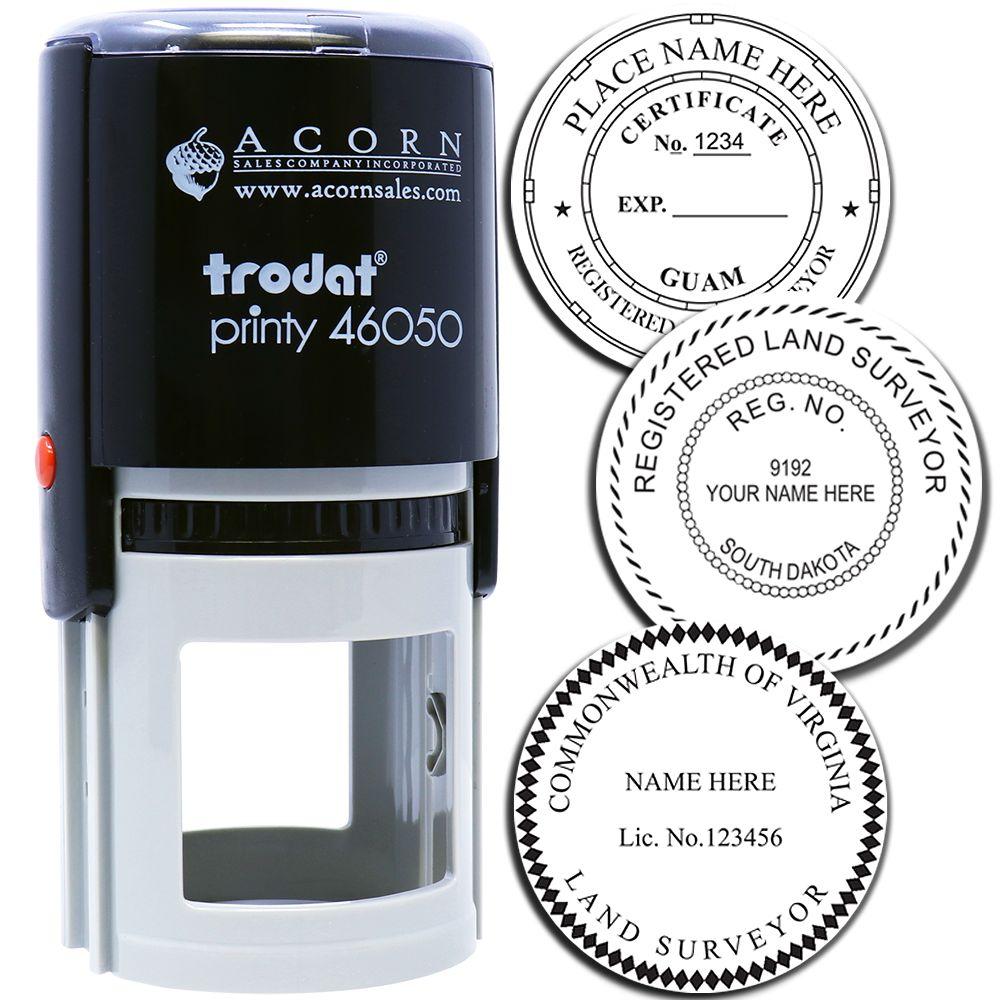
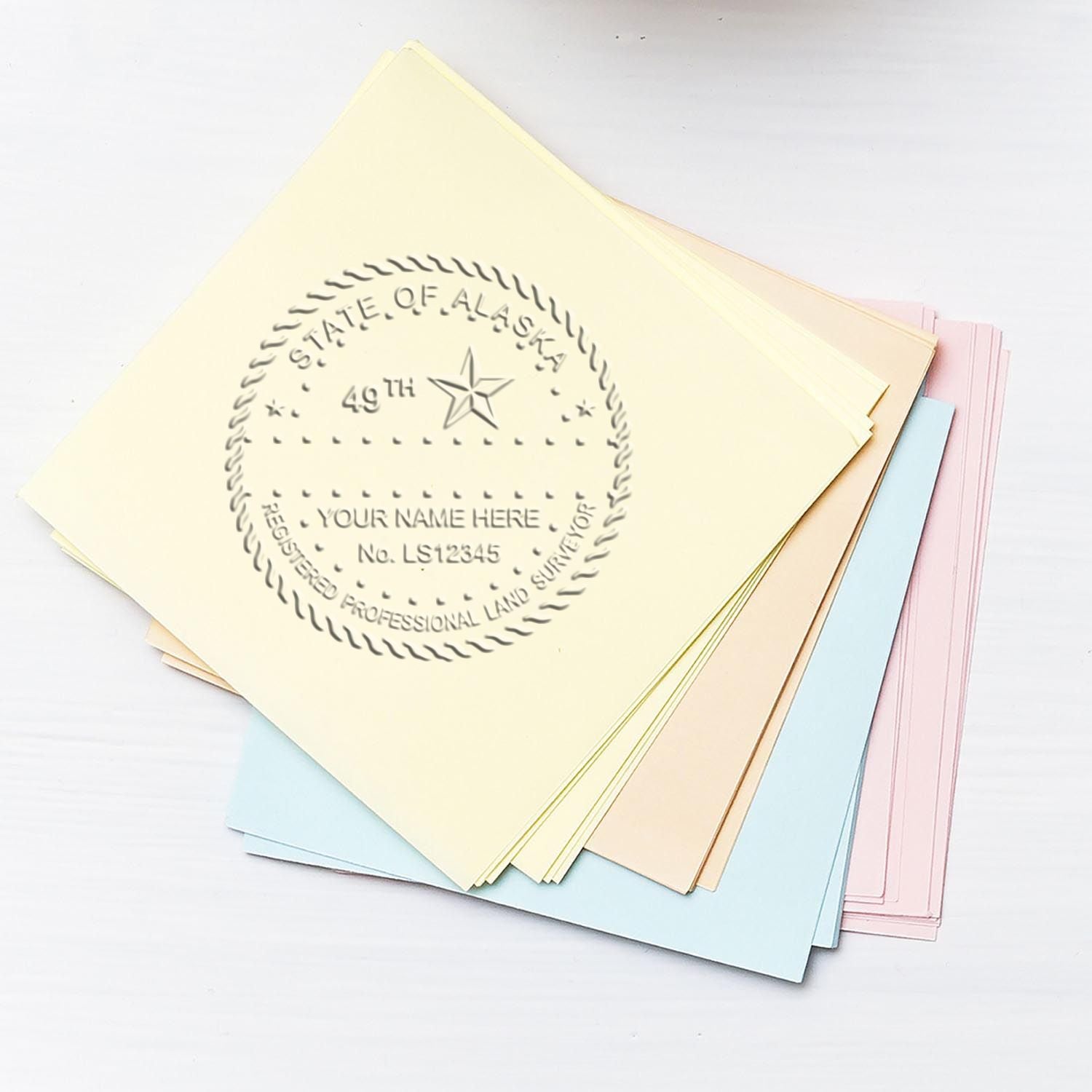
You might wonder why you need an embosser at all. After all, plenty of seals come in self-inking or pre-inked formats. While those are useful, an embosser physically impresses your details into the paper, creating a raised seal that’s harder to tamper with. This raised text also provides a traditional, professional look. In many jurisdictions, embossers are either preferred or specifically required for certain official documents.
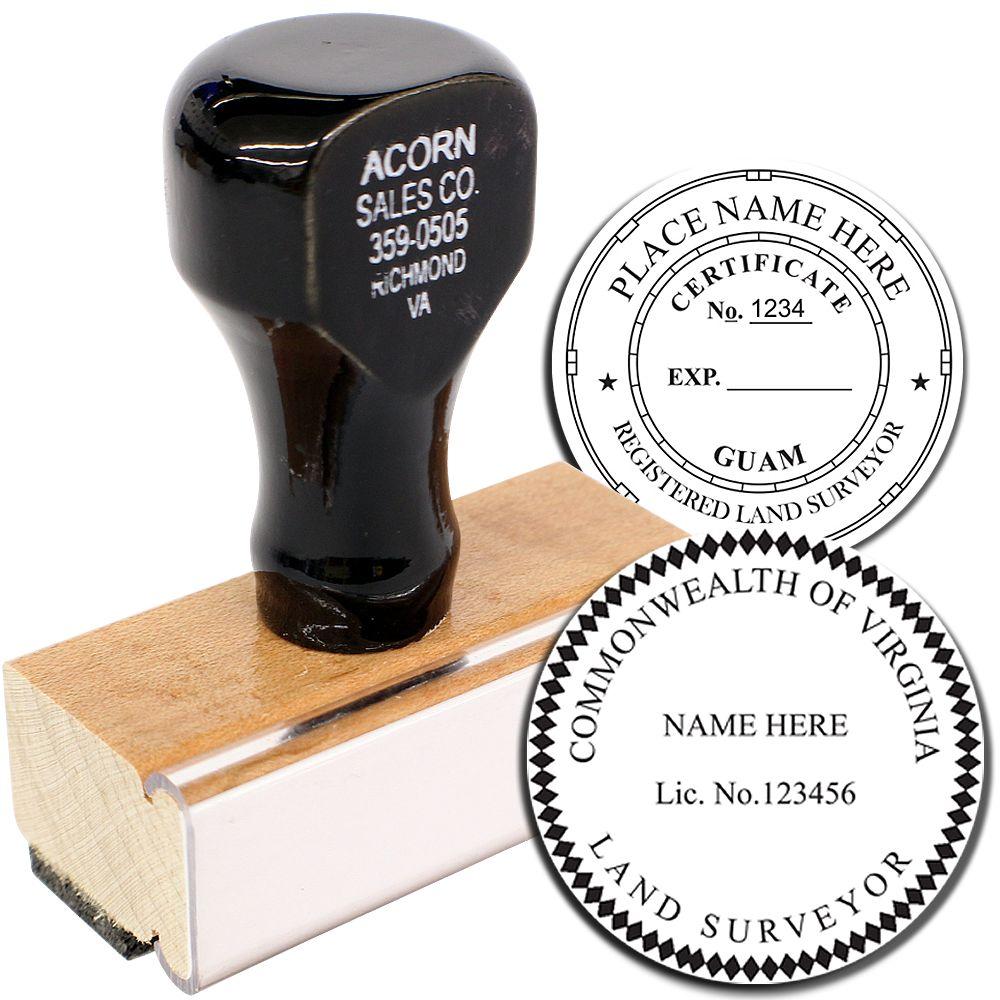
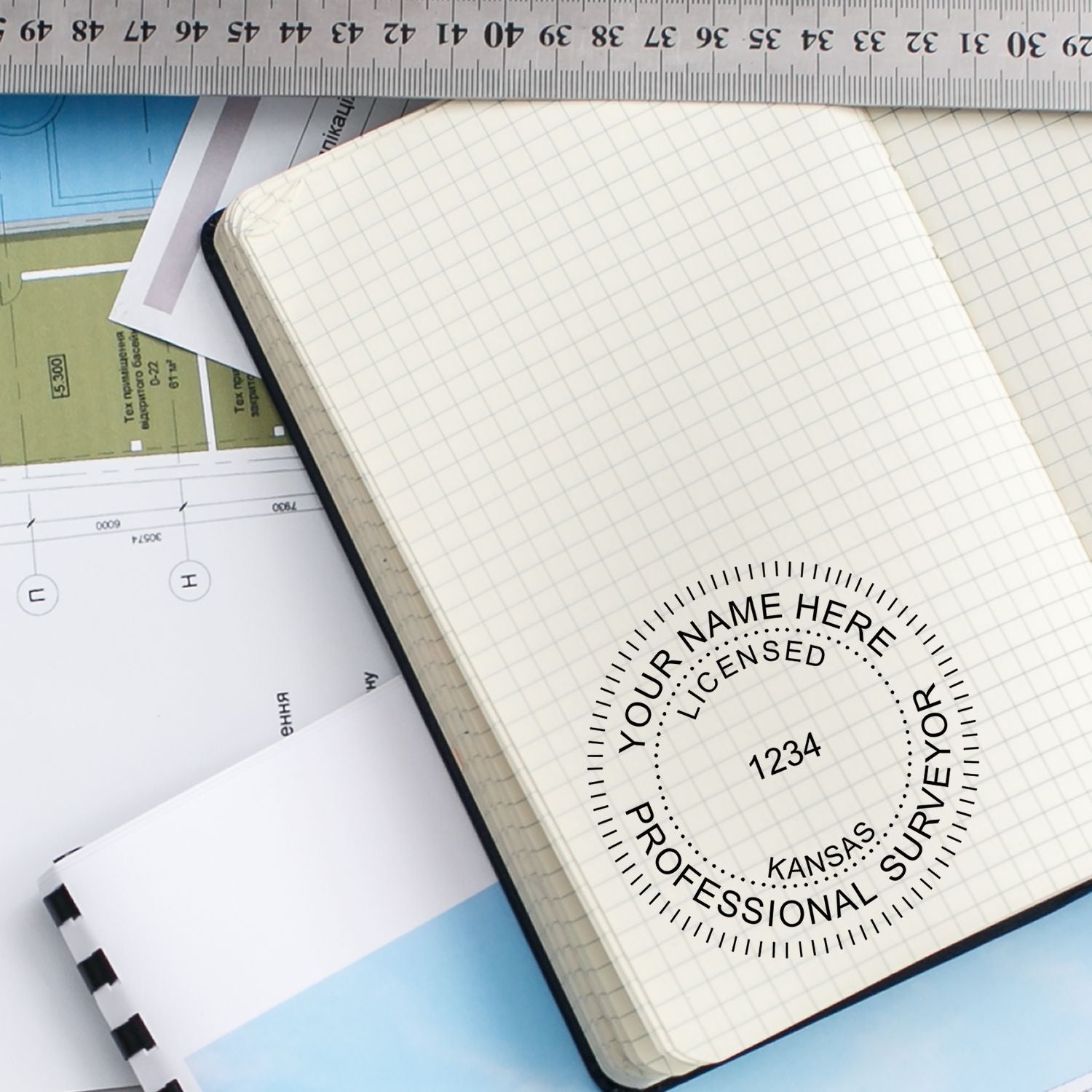
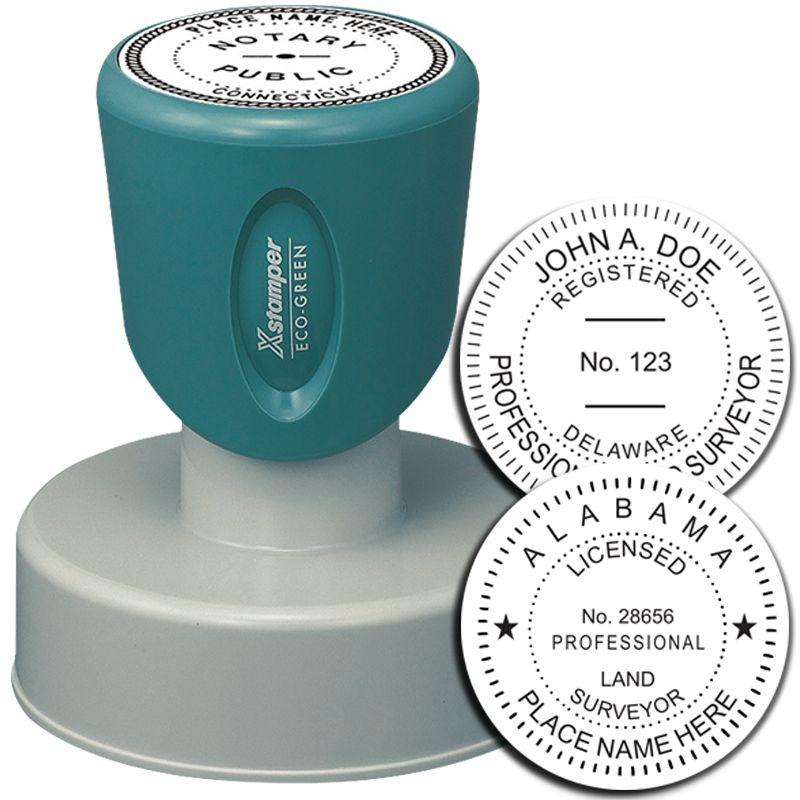
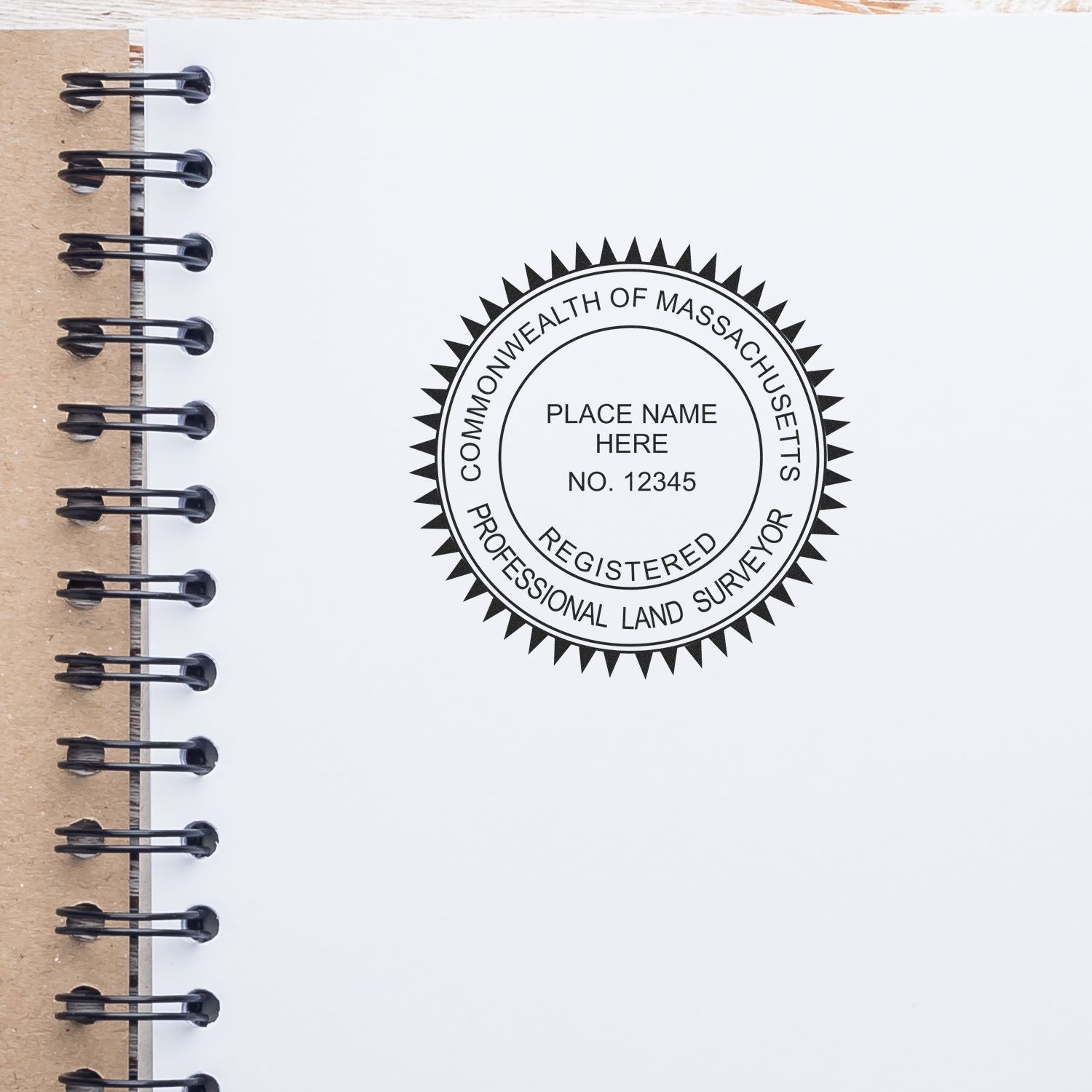



Choose The Right Oklahoma Embosser
Picking the right embosser sets the foundation for clean and consistent impressions on your vital documents. Not all embossers are created equal, though, so let’s break down what that choice involves.
Different Types Of Embossing Tools
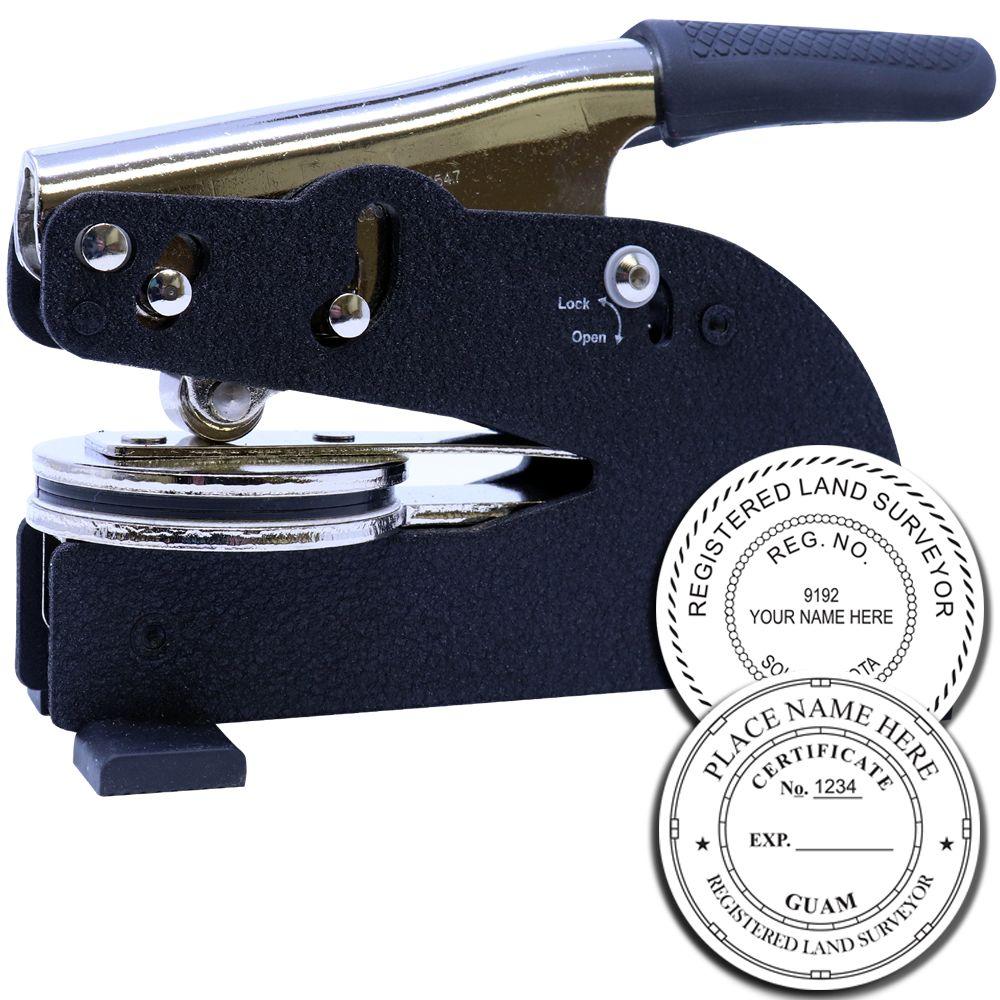
Land surveyor embossers generally fall into two main categories:
-
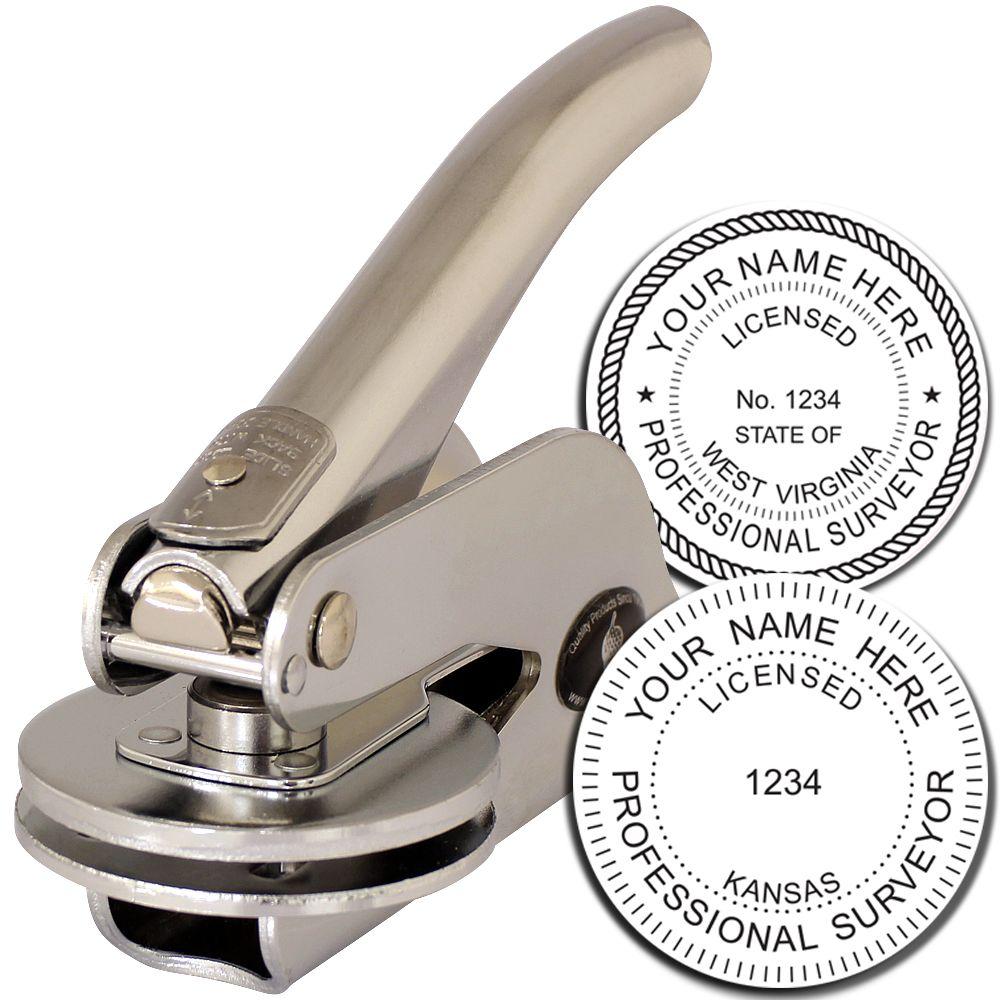
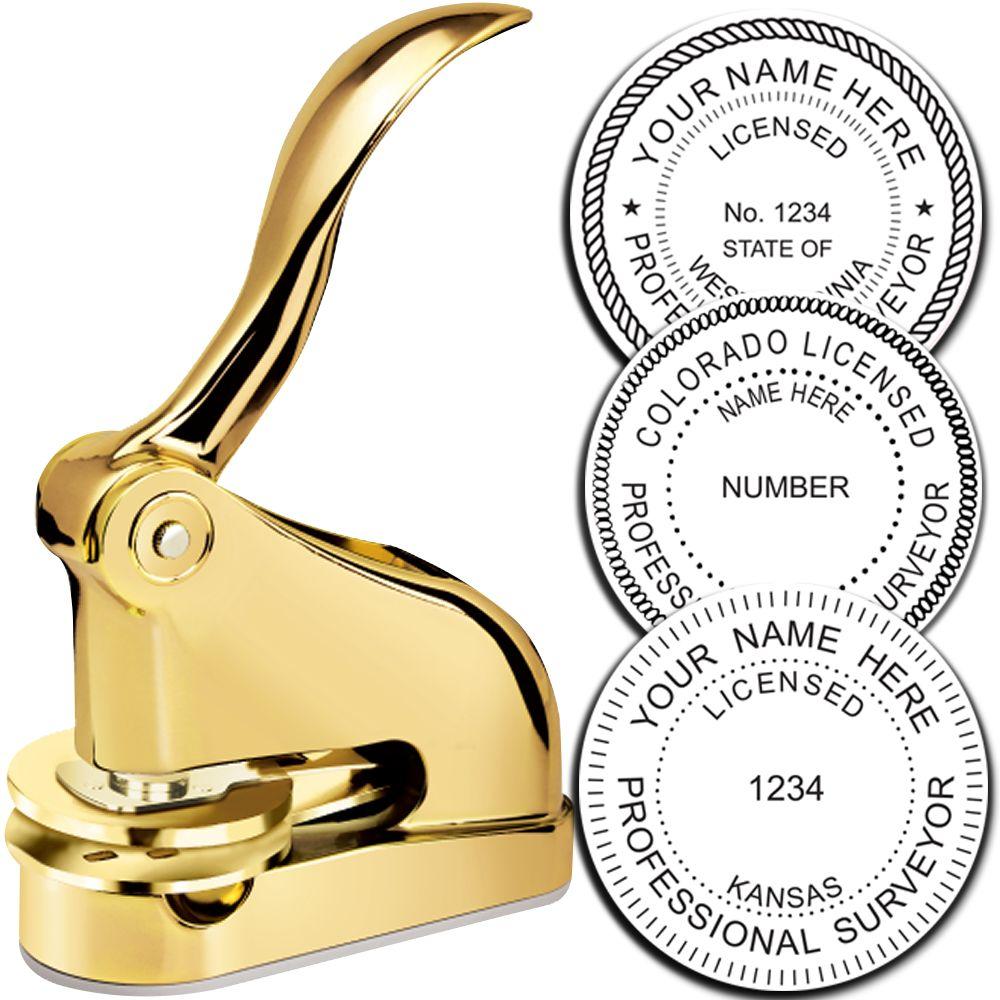
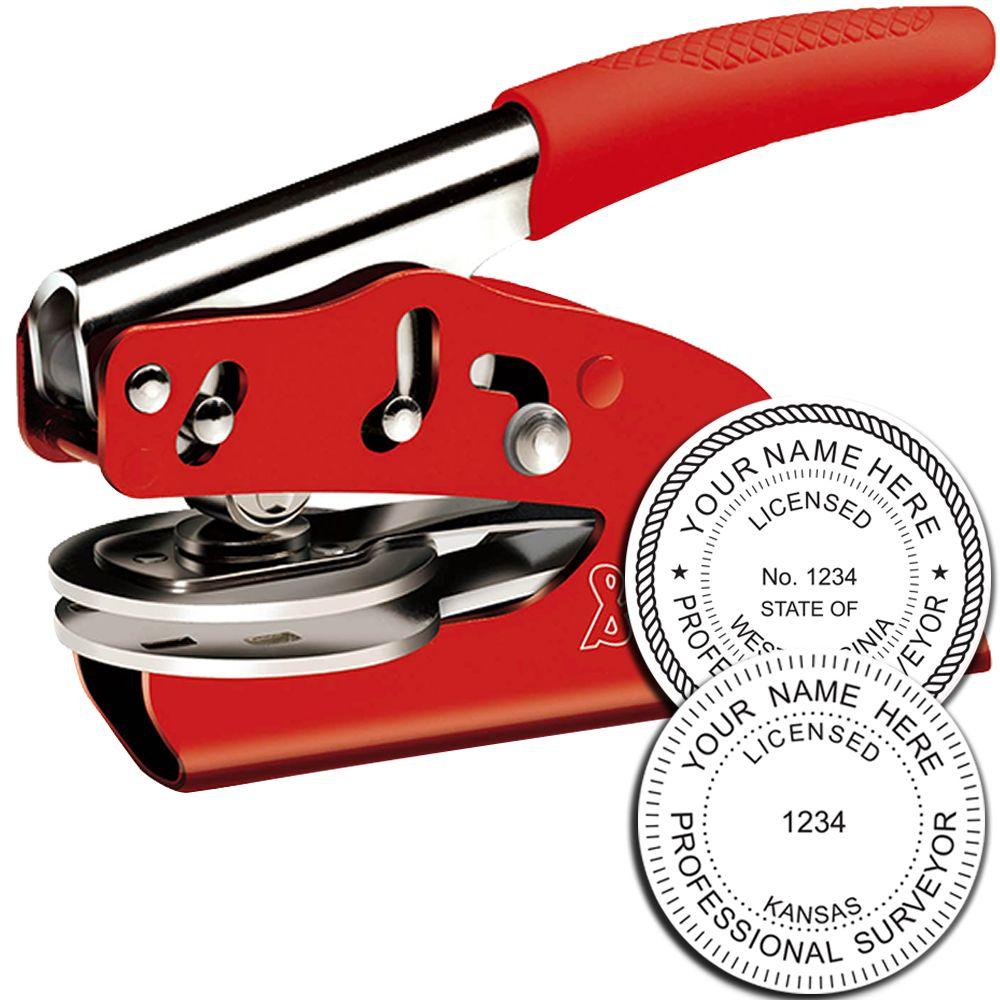
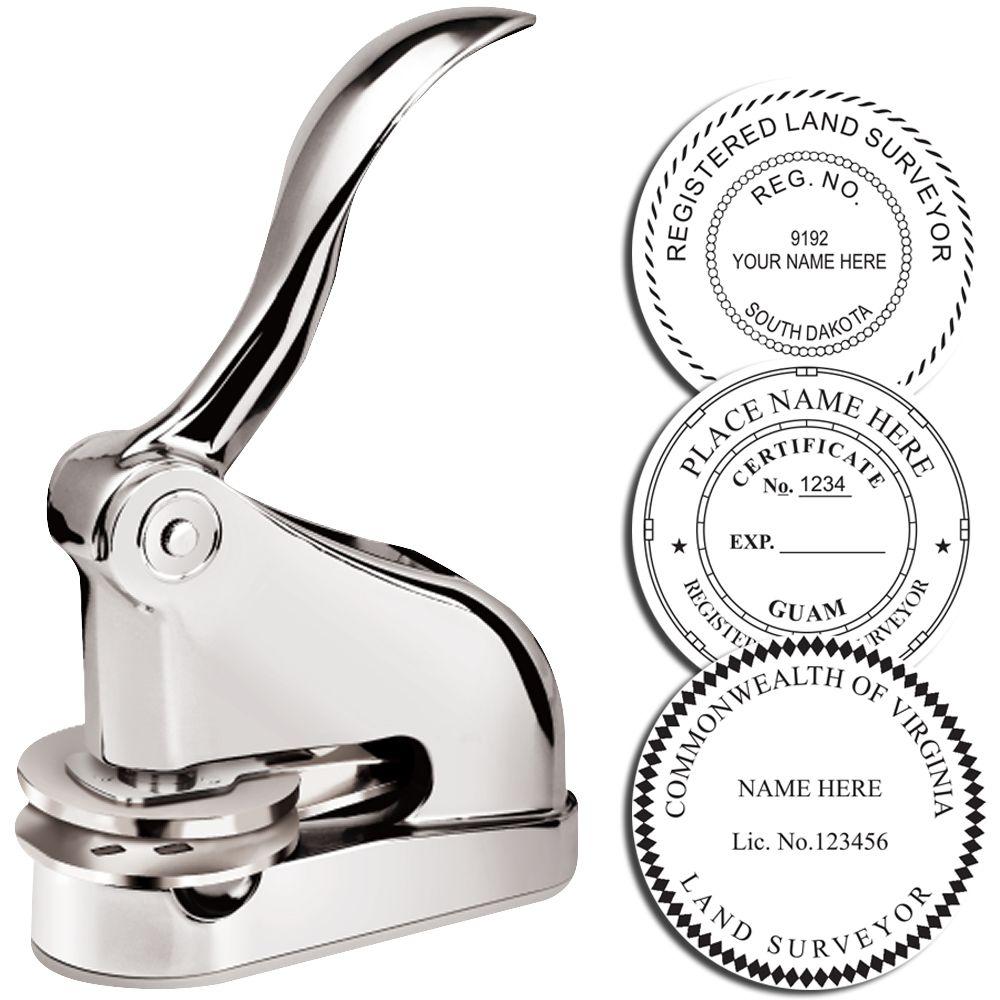
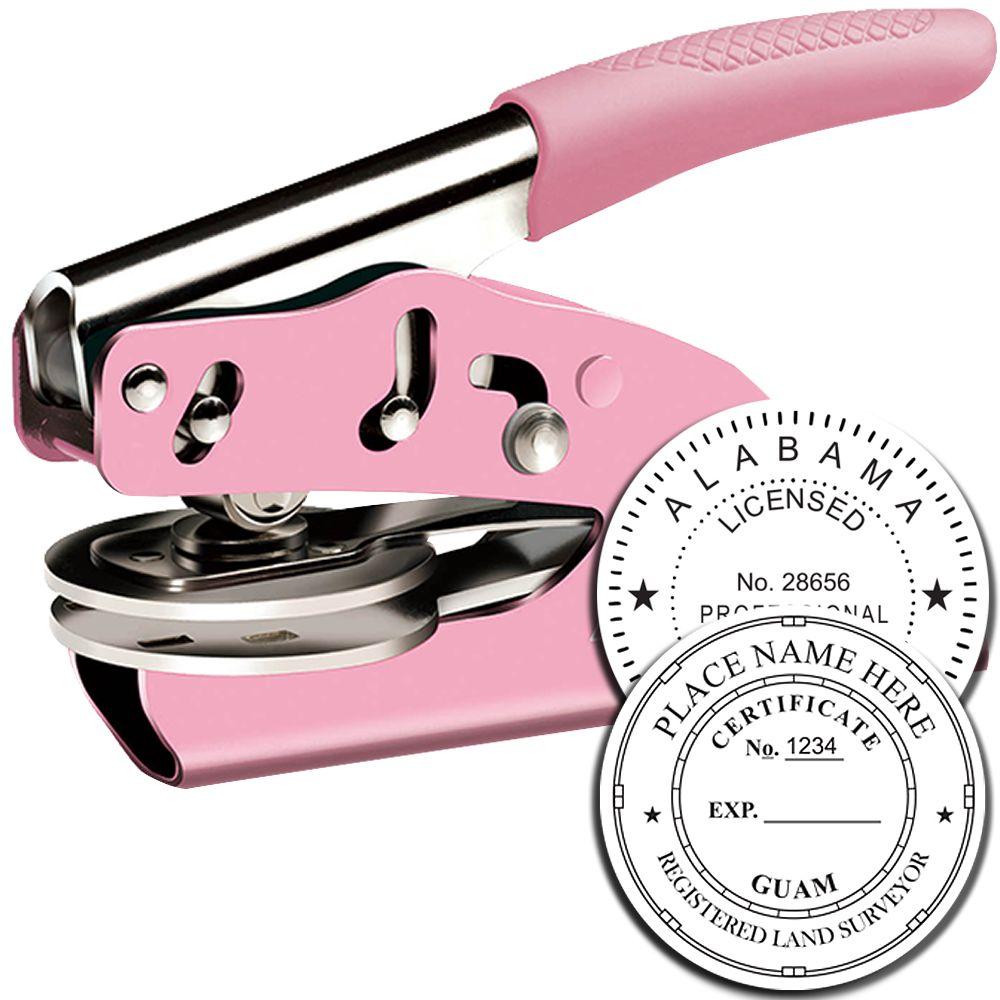
Hand-Held Embossers
- Small and portable, perfect if you’re frequently on the move.
- May require extra hand strength to create a crisp impression.
-
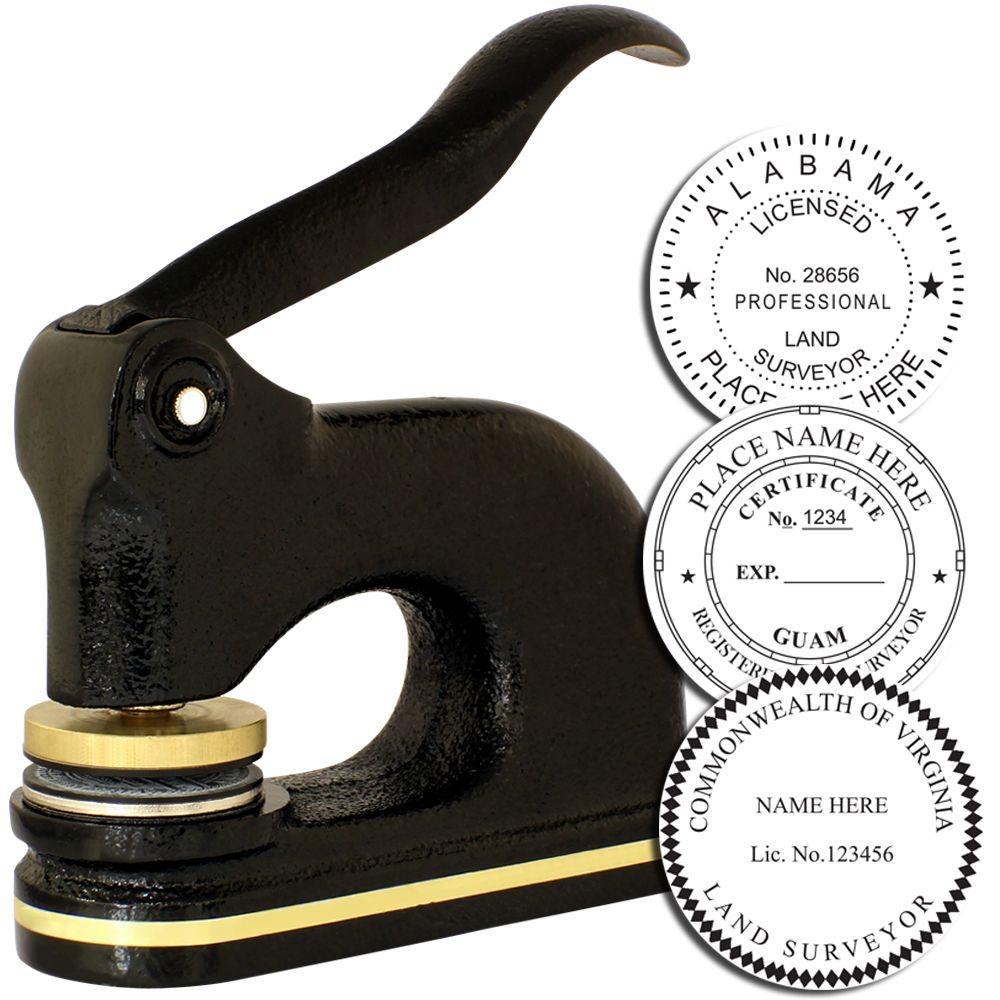
Desk/Heavy-Duty Embossers
- Built for higher volume use with a sturdy frame.
- Often require less force and reduce user fatigue.
Some professionals keep a hand-held embosser tucked in a bag or briefcase for on-site tasks, then use a desk model for higher-volume stamping back at the office. The “best” one ultimately depends on how often you emboss, how many documents you handle in a typical day, and whether you need easy portability.
Factors To Consider
When sorting through your options, keep these points in mind:
- Ease Of Use: A comfortable handle and efficient mechanism make a difference, especially with large document sets.
- Durability: Metal construction typically holds up longer than plastic or lightweight parts.
- Impression Depth: A sharper, deeper emboss shows up more clearly and is less prone to smudging or fading.
- Paper Type: Thicker documents, such as blueprints or certain legal papers, may need an embosser that can handle heavier stock.
If you’re balancing between portability and longevity, a medium-duty embosser could be a solid middle ground. Look for customer reviews or ask colleagues about their experiences.
Follow Essential Usage Steps
Having the embosser is step one. Actually applying it with smooth technique is just as important. Let’s go through a few must-know usage tips to keep your documents neat and valid.

Placement On Official Documents
In many cases, your seal must appear in a specific location, such as near the signature block or at the bottom corner. Beyond legal requirements, though, it’s good practice to place the embossed seal where it won’t obscure text or critical diagrams.
- For forms or contracts: Look for a dedicated seal zone, often indicated by a blank circle or label.
- For maps or large drawings: Choose an area that doesn’t cover property boundaries or essential notes, typically near the legend or title block.
If your seal is partially cut off or lands in the margin, the document may be considered invalid. Always double-check before applying pressure.
Ensuring Legibility And Authenticity
The raised impression is what truly identifies your record as official. For the best results:
- Line Up The Embosser: Mark a small dot or use a light pencil guideline on the paper where you want the seal to appear. If you misalign, you could end up stamping over text.
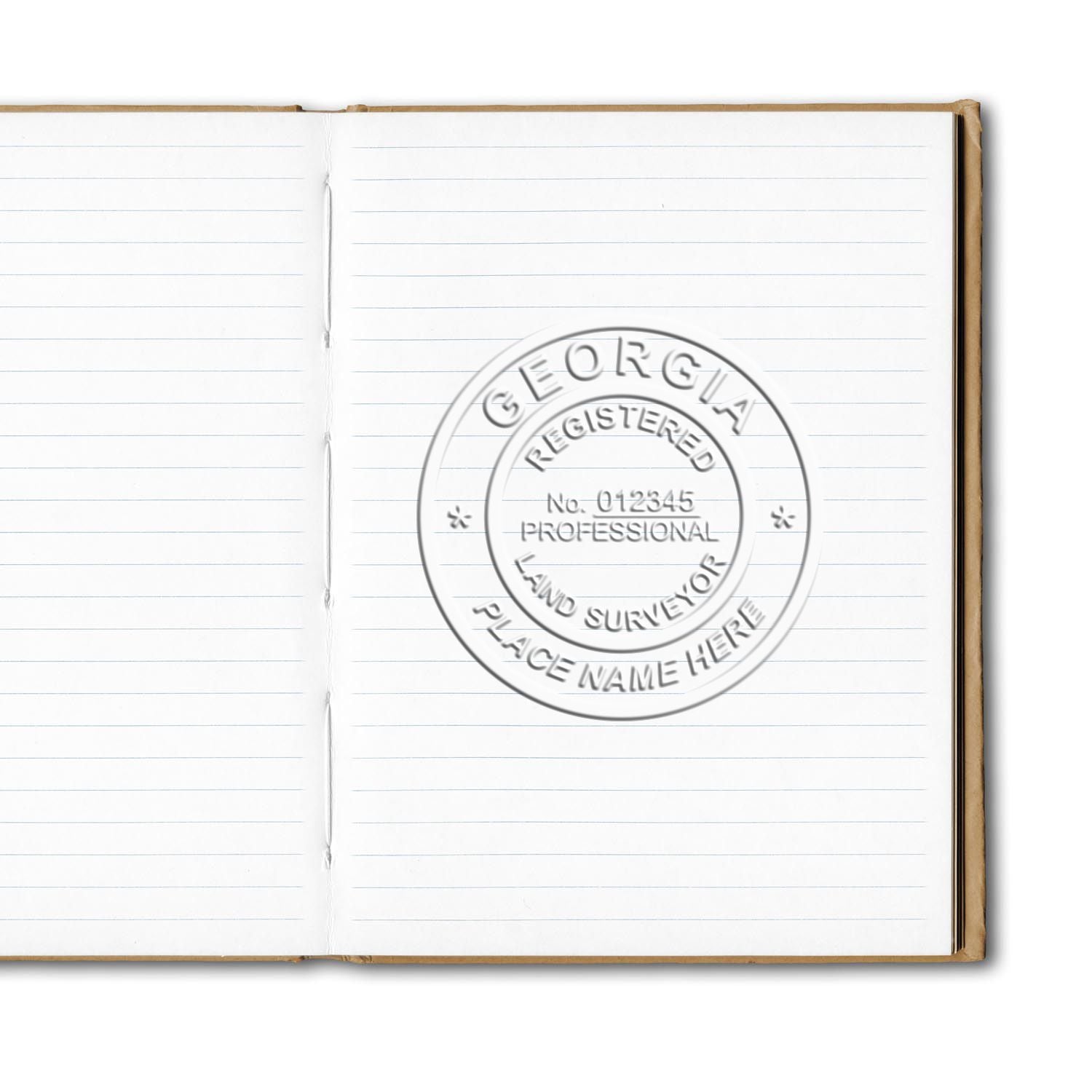
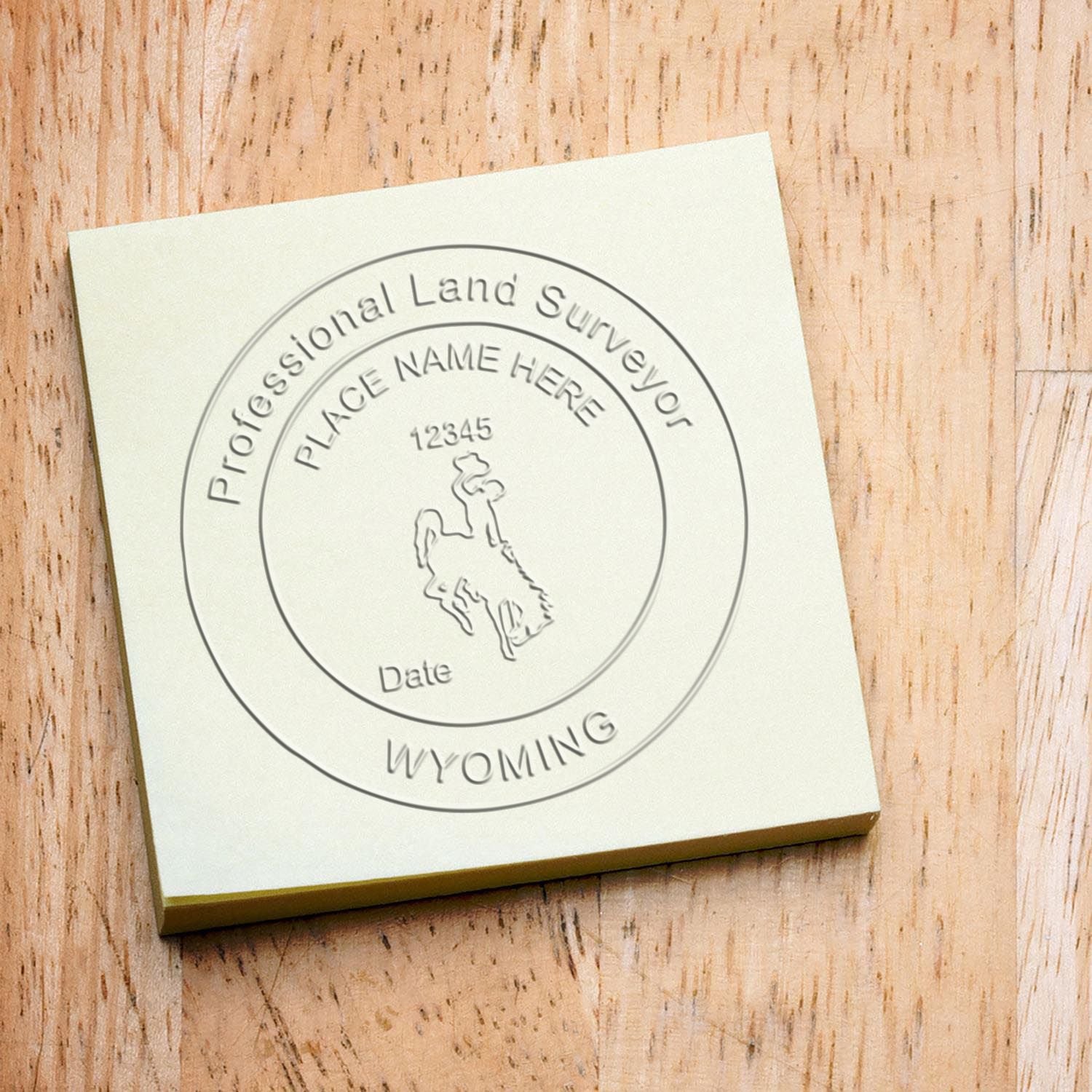
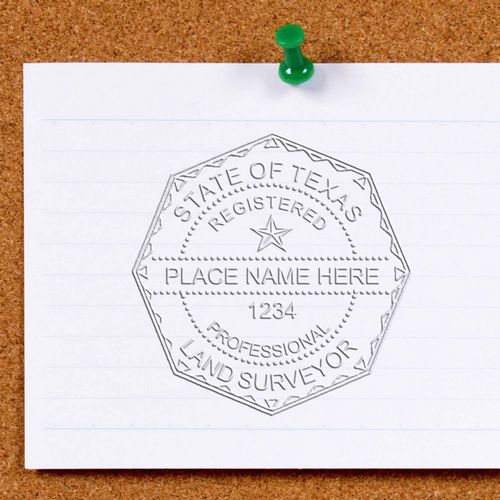
- Apply Firm, Even Pressure: This ensures each letter and number imprints fully. If your embosser requires two hands, brace it on a flat surface to keep the paper steady.
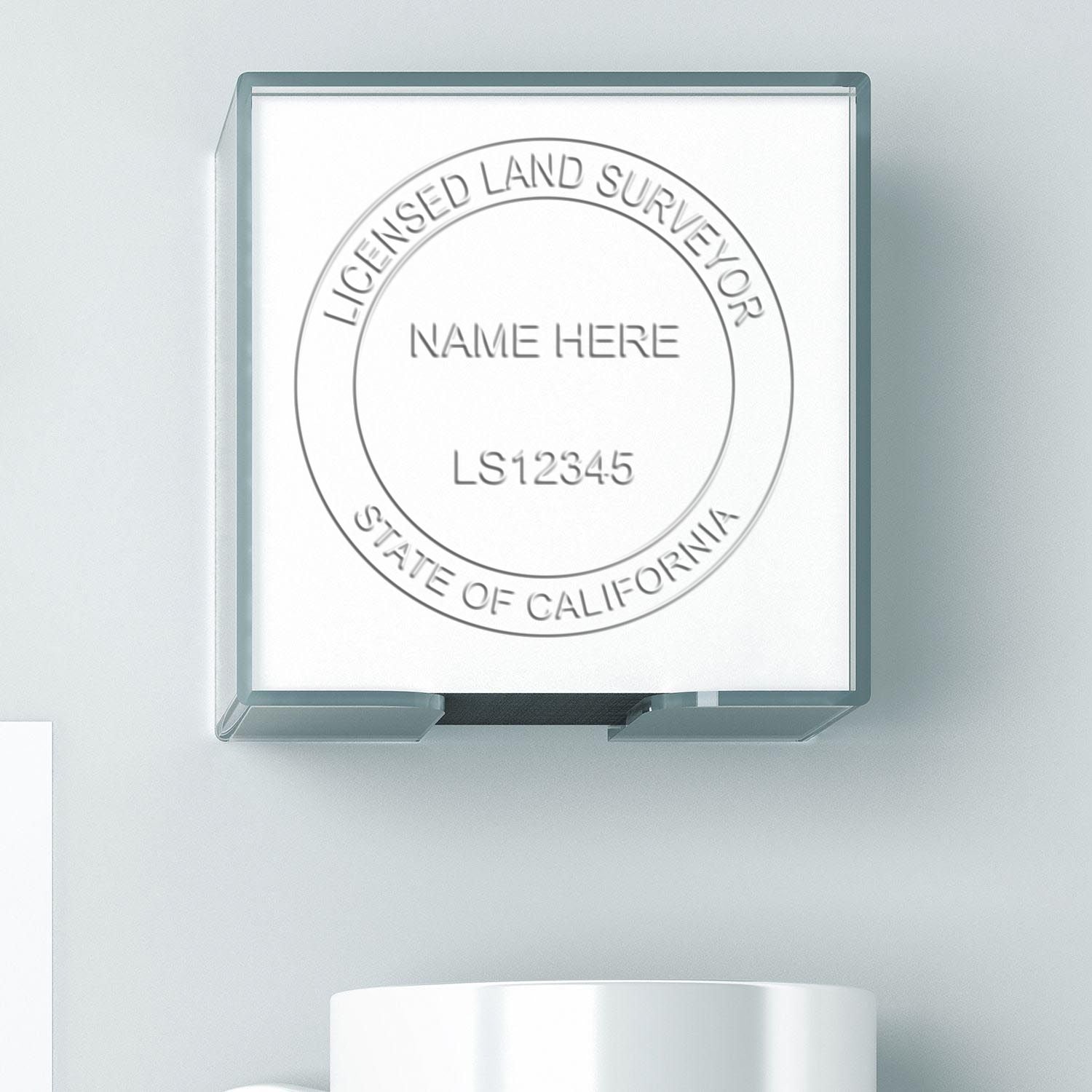
- Inspect After Sealing: Verify that your name, license number, and the state reference are all readable, even if you rotate the paper.
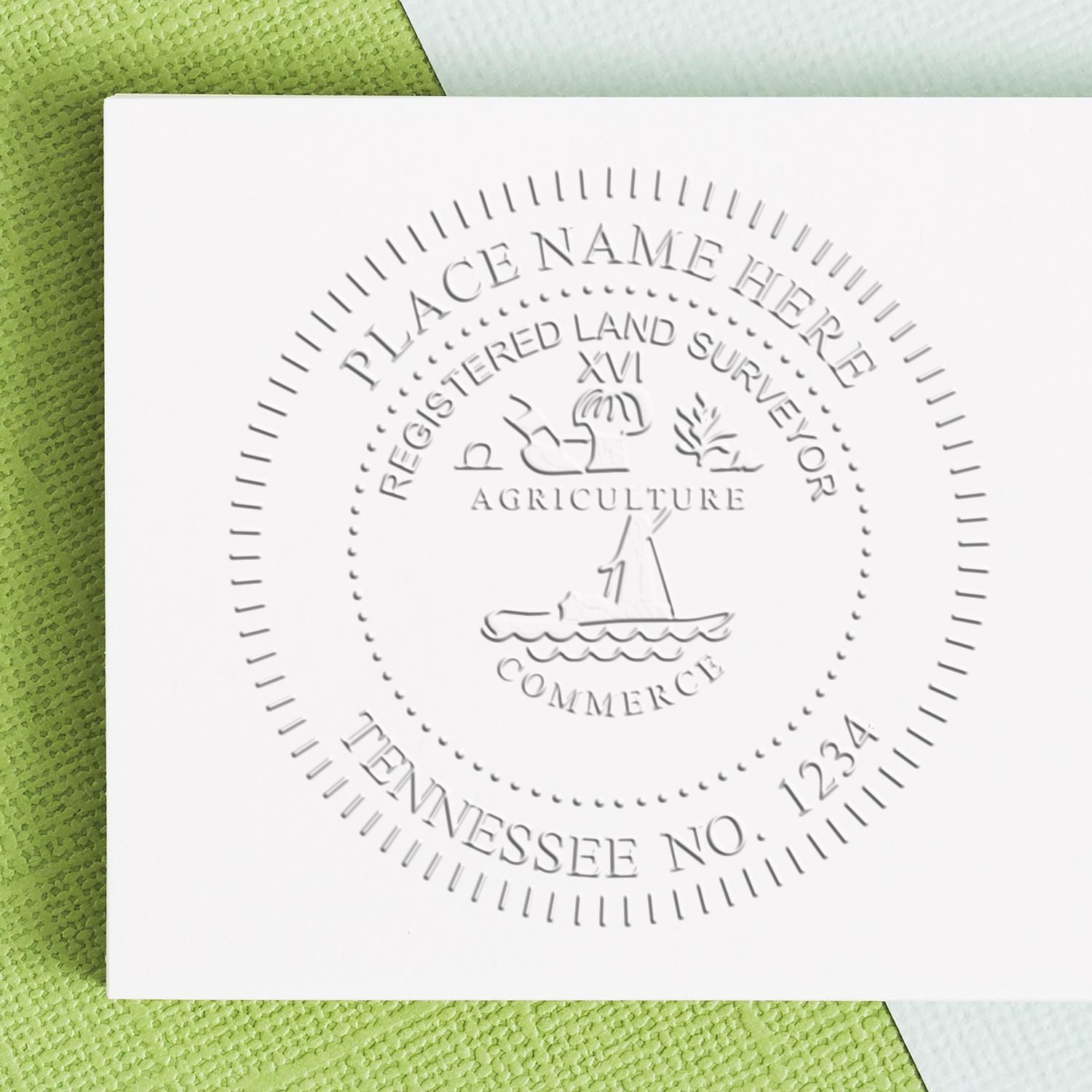
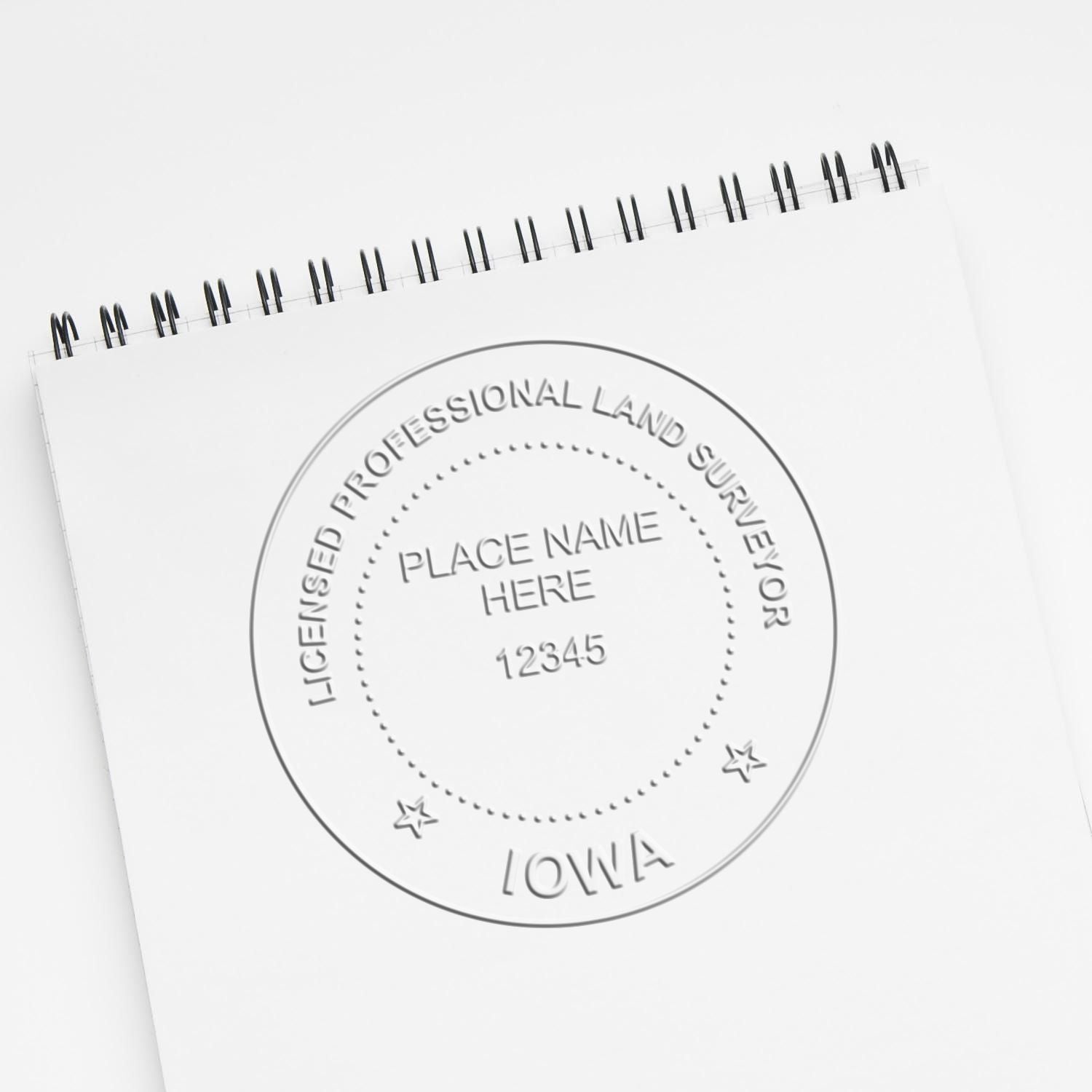
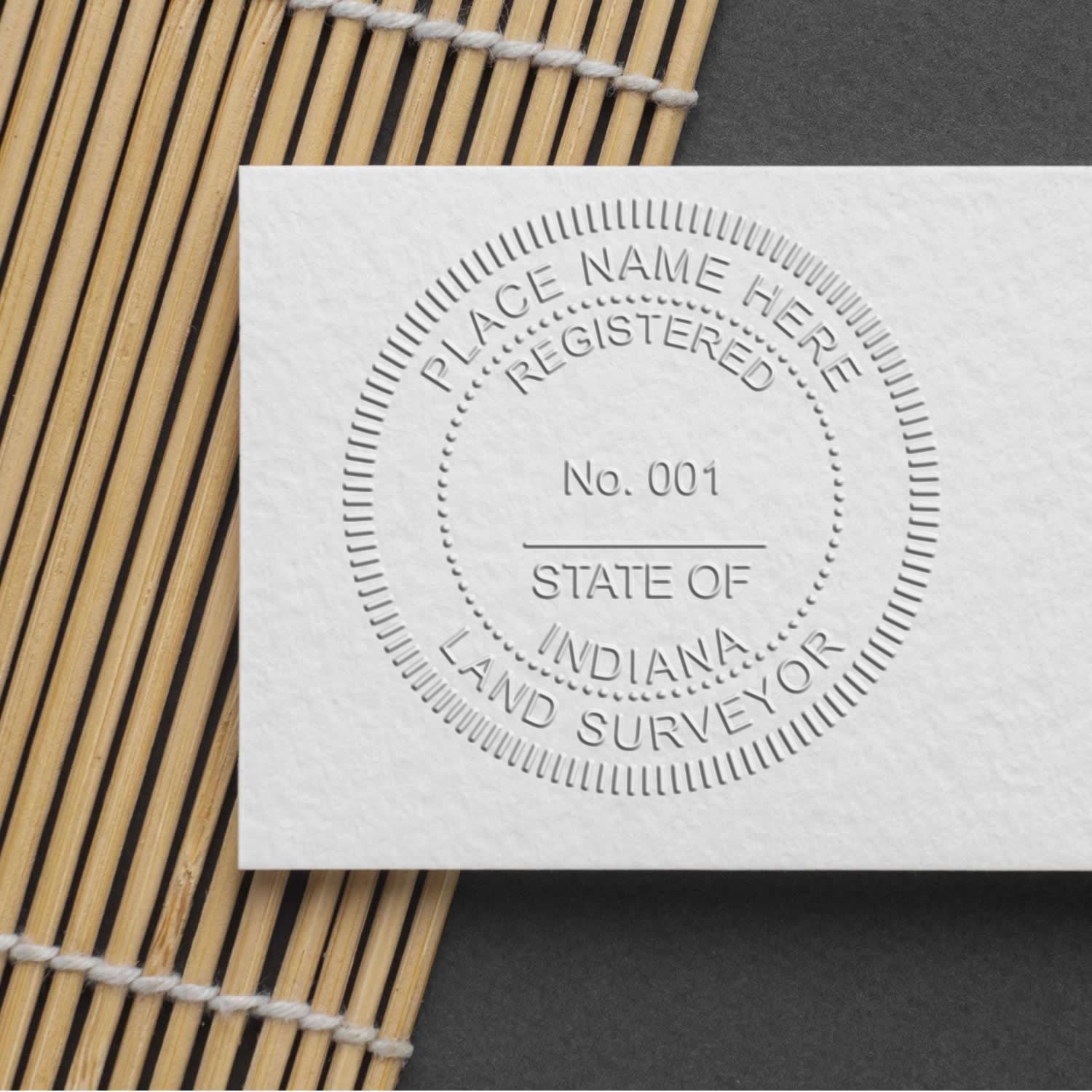
A crisp impression also conveys your professionalism. Should someone question the seal’s authenticity, the depth of your embossed text is often a first hint that it’s the real deal.
Maintaining Clean Impressions
Over time, debris and paper fibers can work their way into the embosser’s die. To preserve readability:
- Gently dust the die surfaces periodically with a soft brush.
- Store your embosser where it’s protected from moisture.
- Avoid pressing the embosser without paper in place, which can misalign or wear out the mechanism.
Some professionals keep a small lint-free cloth on hand to wipe away any static cling from the document. This helps keep the paper settled before clamping.
Avoid Common Mistakes
Even experienced surveyors have the occasional misstep with their seal. Knowing the pitfalls up front helps you steer clear of time-consuming rework.
Over-Embossing And Rework
Pressing too hard in one spot creates an overly deep impression that can tear the paper or affect text on the reverse side. If you try to “double-emboss” to fix a misalignment, it usually leads to a messy, illegible seal. Light pencil guidelines can be a lifesaver here. Once you’re confident everything is aligned, remove the pencil mark and then emboss carefully.
Using Expired Or Damaged Seals
All professional seals must be kept up to date according to state regulations. If your seal or license has expired, that seal impression is not legally valid. Similarly, if your embosser’s die has worn down:
- The text may become too faint to read.
- Raised edges can blur, making your seal look irregular.
Stay on top of renewal deadlines and consider reordering a fresh embosser die if you notice increased wear. A small detail like a chipped letter can mean the difference between acceptance and rejection of a form.
Get Reliable Support From Acorn Sales
Finding the right supplier for your Oklahoma land surveyor seal can save you huge headaches. If you’re in the market for high-quality stamps and embossers, Acorn Sales is a name you can trust.
Free Digital Seal And Fast Service
Sometimes you need a digital seal for online submissions or for certain agencies that accept electronic documentation. Acorn Sales offers a free digital seal option, which means you can have both a physical embosser and a convenient digital version for your paperless files. Here’s what to expect:
- Instant Access: Receive your digital seal quickly for immediate use.
- High-Resolution Graphics: Ensure clarity when adding it to PDF or image-based documents.
- Consistent Branding: Match your physical embossing details for a cohesive look.
Quality Since 1964
Acorn Sales doesn’t just offer a wide range of embosser options. They’ve been in business since 1964, providing surveying professionals with long-lasting, precision-engineered seals. That kind of longevity often points to excellent customer care and dependable craftsmanship. With all your surveyor needs on the line, you want to feel confident you’re investing in equipment that stands the test of time.
If you’re curious about other nuances or want to compare different stamp layouts, take a look at the oklahoma land surveyor stamp requirements. You’ll find extra details on sizing, mandatory text, and any boards that oversee usage.
Feel free to experiment on blank sheets to perfect your technique. Once you get the feel for your embosser, you’ll be able to produce crisp, professional seals every time. Above all, you want your clients, regulatory bodies, and peers to trust the integrity of your work, and a well-maintained seal goes a long way toward that goal.
Remember, using your Oklahoma land surveyor seal embosser the right way does more than keep you legally compliant. It’s also about projecting confidence and setting a strong professional tone for any project you undertake. So choose an embosser that meets your needs, keep it clean and up to date, and share your expertise with pride. If you need further guidance, you can always reach out to Acorn Sales for reliable stamps and seals or check state-specific requirements for peace of mind.
Frequently Asked Questions
Do I Need An Embosser If I Already Have An Ink Stamp?
Yes, you generally do. Many official documents in Oklahoma can require a raised impression. An ink stamp alone might not fulfill all state rules, so having an embosser ensures full compliance and validates your professional work.
How Do I Know My Seal Is Up To Date?
Check your licensing authority’s guidelines, along with the official renewal schedule. If your license is about to expire, your seal is effectively considered invalid once that date passes. Renew early to avoid any interruption in your work.
Can I Fix A Misaligned Embossed Seal?
Unfortunately, no. An embossed seal can’t easily be re-stamped in exactly the same spot without risking a double impression or tearing the paper. Your best bet is to reprint or attach a fresh sheet and emboss again, ensuring you line things up properly.
What If My Embosser Leaves Only A Faint Impression?
First, try applying more consistent pressure. If that doesn’t work, it may be time to clean the die to remove any buildup. In some cases, the embosser pins or the die itself might be worn. If you notice ongoing fade, consider replacing your embosser for best results.








