

So you’re gearing up to finalize your design plans as a Rhode Island landscape architect. Along that journey, you might be wondering about Rhode Island landscape architect stamp embossing. After all, the official embossed seal is more than a formality, it’s your professional signature on any set of drawings or proposals you sign off on. People often overlook how important the right embossing practice can be, both aesthetically and for compliance with state regulations. If you’re feeling a bit uncertain about where to start, don’t sweat it. We’ll guide you through the essentials so you can stamp your documents with confidence.
In this guide, you’ll learn what the embossing process involves, how Rhode Island’s rules apply to your stamp or seal, and some practical tips for choosing and maintaining the right embosser. By the end, you’ll be well-equipped to avoid common pitfalls and ensure your stamp meets every requirement. Ready to explore the world of official sealing and make your mark?
Understand The Basics Of Embossing
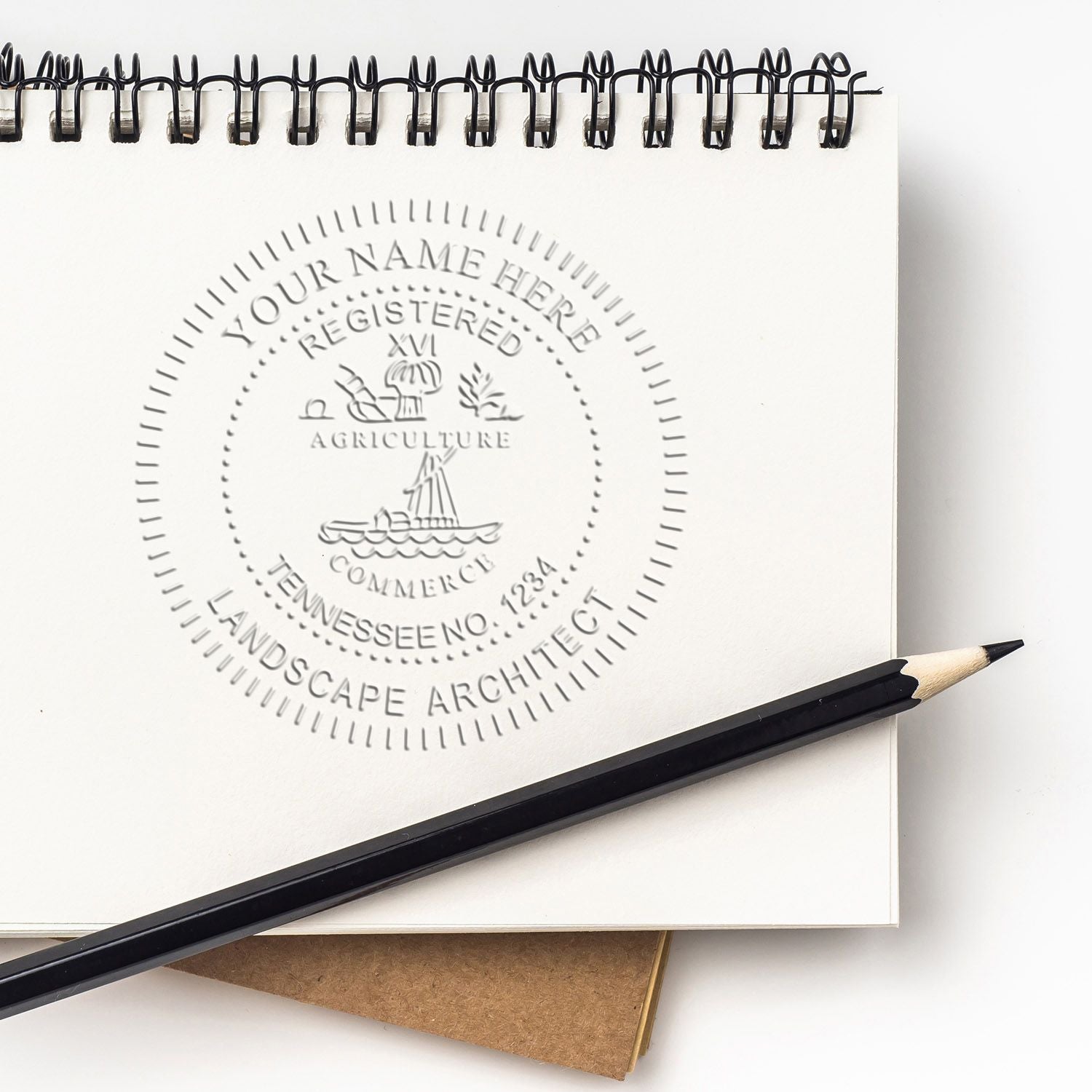
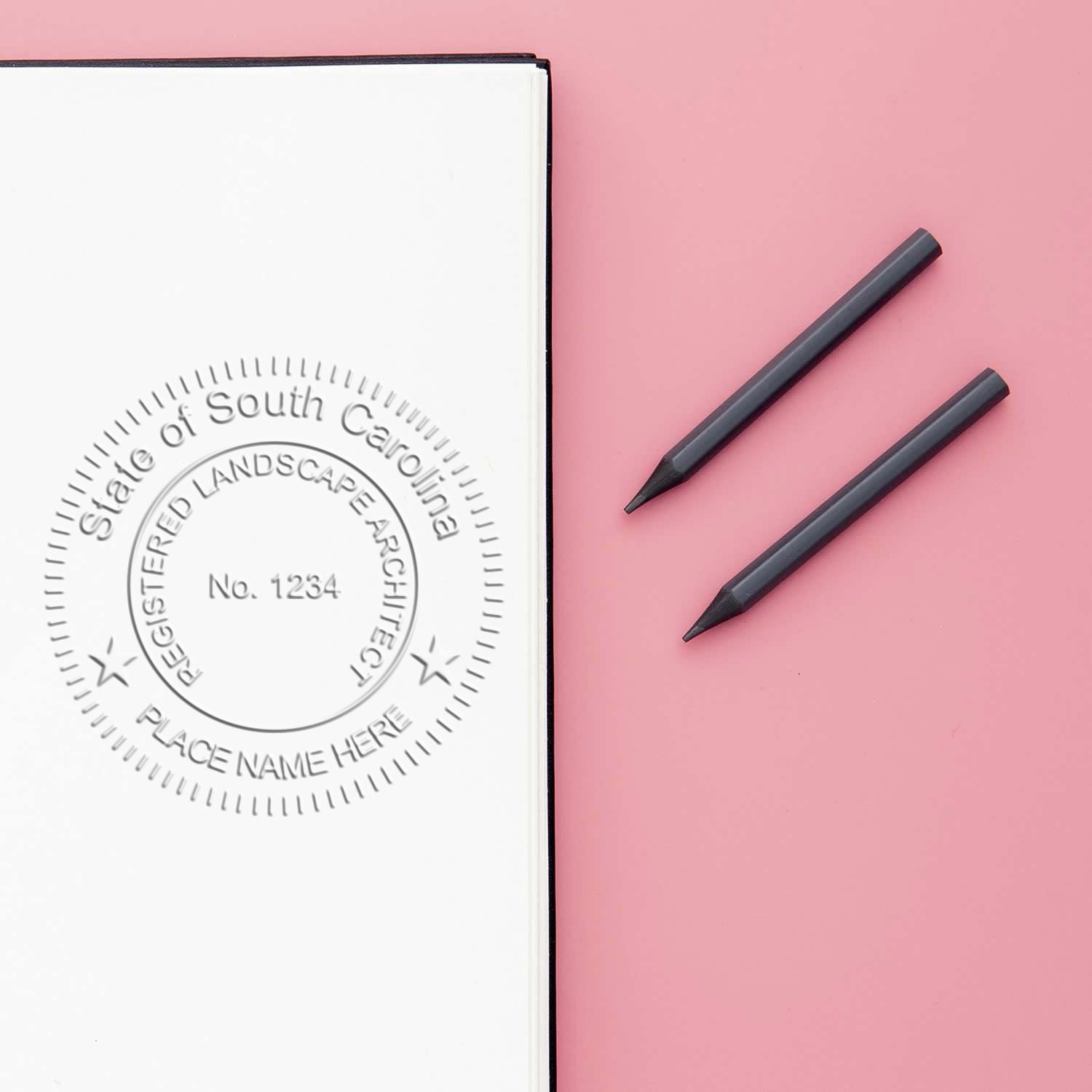
Embossing is the process of creating a raised impression on paper or other materials using a specially designed device called an embosser. This raised mark is immediately recognizable and lends credibility to professional documents like landscape architectural drawings, contracts, and site plans. In Rhode Island, the embossed seal serves as proof of your license credentials and verifies that the plans adhere to state codes.
From a practical standpoint, an embossed seal is more durable than an inked stamp because it can’t fade or wash away in challenging conditions. It also adds a layer of authenticity that digital or ink-based marks may lack. However, if you pair it with a supplemental digital seal, you get the best of both worlds, especially for electronic submissions.
The key is precision. Your embosser should have the correct layout with your name, license number, and the official designation of “Landscape Architect.” Proper alignment and pressure help you produce crisp, readable results, ensuring that no one mistakes your seal for a hasty afterthought. Think of embossing as the final handshake on a significant agreement.





Know Rhode Island Requirements
Before you place your order for an embosser, it’s important to familiarize yourself with Rhode Island’s specific guidelines. While the exact design might vary slightly based on personal preference, the state typically requires your full name, your license number, and the state name clearly displayed. You might also find that certain counties or local jurisdictions have additional demands, so double-check all relevant regulations.
If you’re not sure about the finer details, consider reviewing the official guidelines or exploring our handy reference at Rhode Island Landscape Architect Stamp Requirements. This source is an excellent starting point for verifying the exact text and layout your seal must include. That way, you skip any guesswork and avoid the hassle of reordering a noncompliant stamp.
In many cases, you’ll also want to confirm if you need a wet-ink signature alongside your embossing. Some up-and-coming digital processes allow for a fully electronic submission, but there are still plenty of instances when a physical impression is the gold standard. By staying on top of these details now, you prevent headaches and wasted time later.
Steps For Proper Embossing
Embossing may sound straightforward, but a few simple steps can improve the result from “merely acceptable” to “exceptional.” Here’s a quick rundown:
Prepare Your Document
Make sure your plan or document is complete and final before affixing your seal. You want to grab a clean, flat surface, which makes the impression neat and consistent.Position The Seal
Decide where the embossed seal will go. Typically, you’ll find a designated space or corner for official stamps. Align the embosser carefully to keep the seal text oriented correctly. A tilt of even a few degrees can result in hard-to-read text.Apply Even Pressure
Slide your document between the embosser plates, ensuring it’s fully inserted. Then apply a steady, even press. Too little pressure leaves a faint impression, and too much can tear thinner paper stocks. Some embossers even come with adjustable pressure controls, which is a significant.Check For Clarity
Lift the embosser and inspect the raised mark. Does the text read clearly from the front side of the paper (the debossed side will appear on the back)? If it’s crisp and legible, you’re good to go. If not, try again with a fresh sheet, adjusting your pressure or angle.Keep Everything Accessible
After embossing, store your device in a safe but convenient spot. You never know when you’ll need to release revised drawings or additional documents in a pinch.


Choosing The Right Embosser
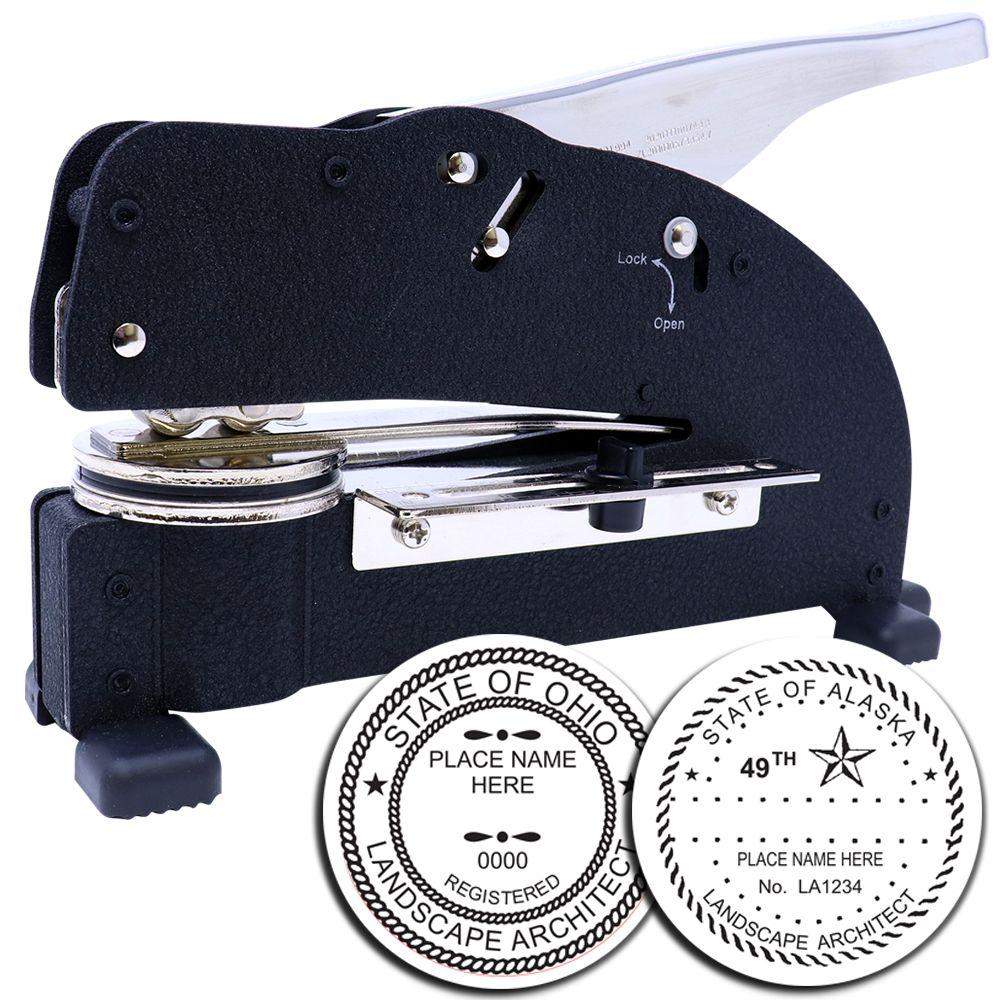
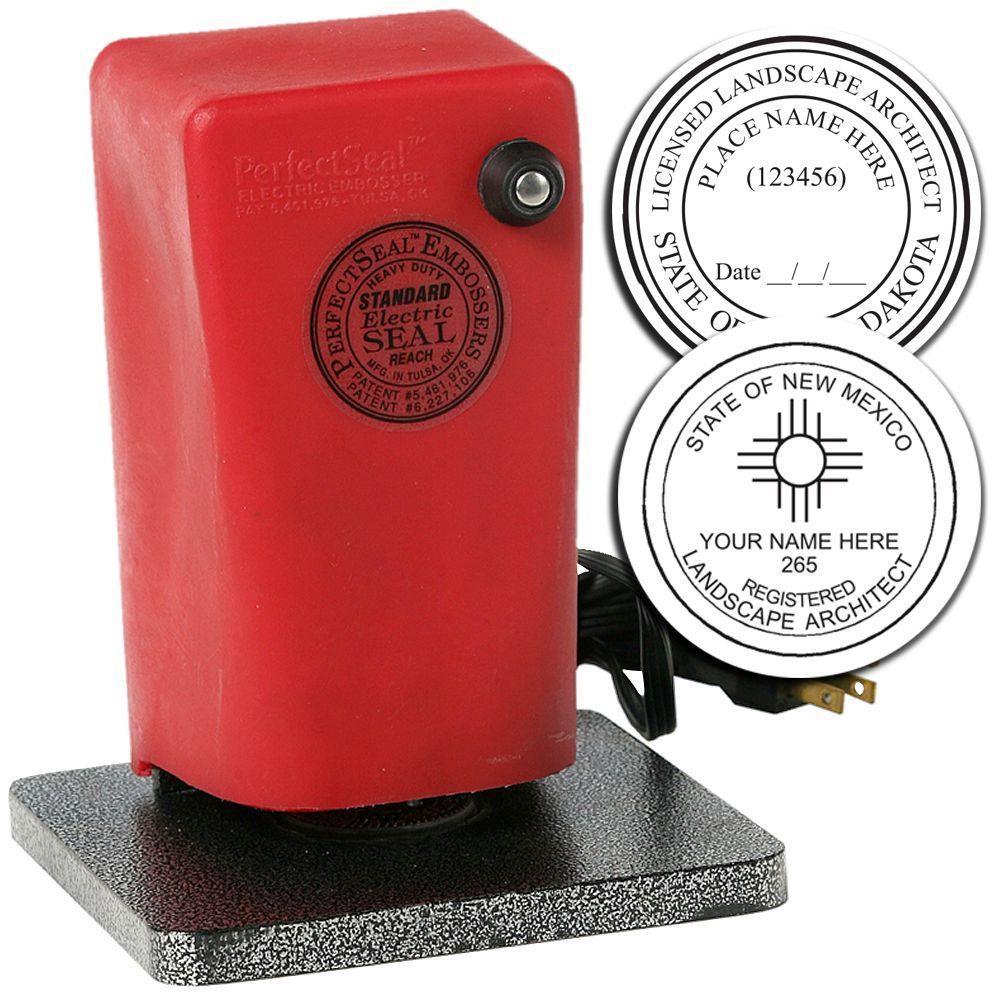
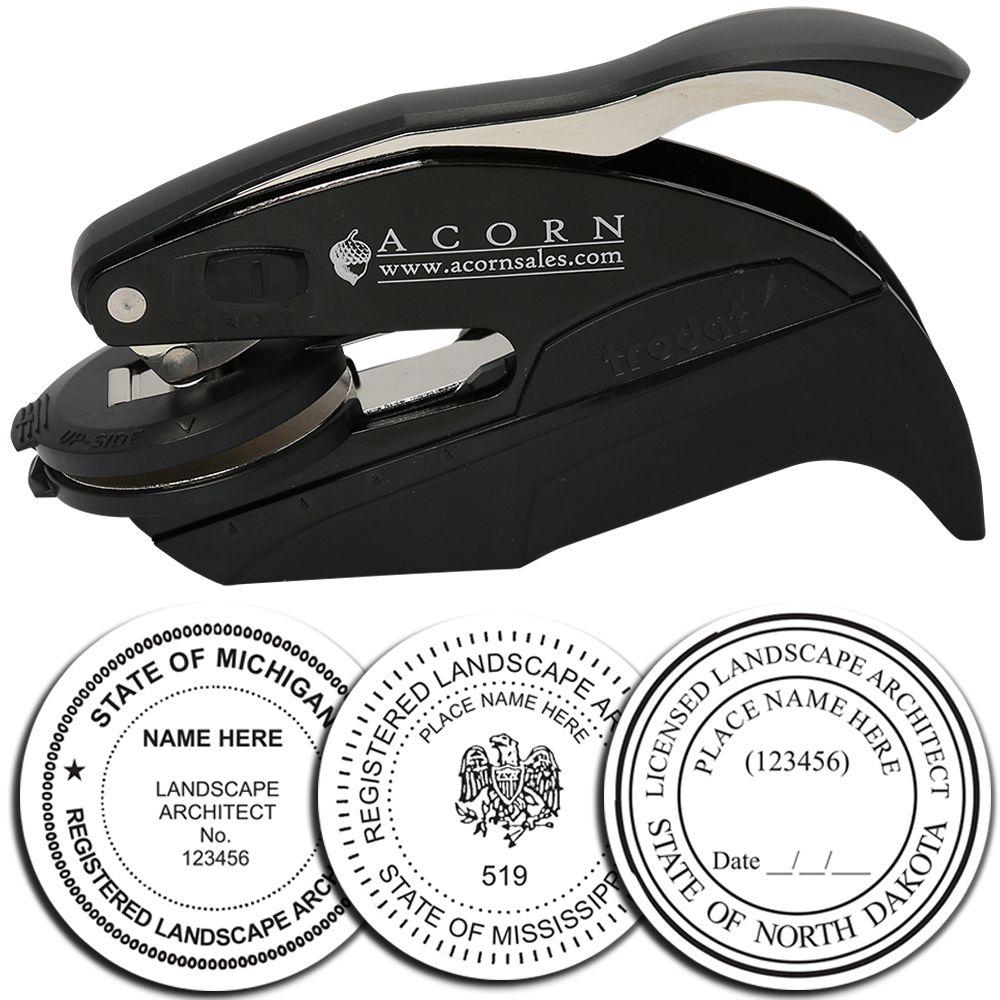
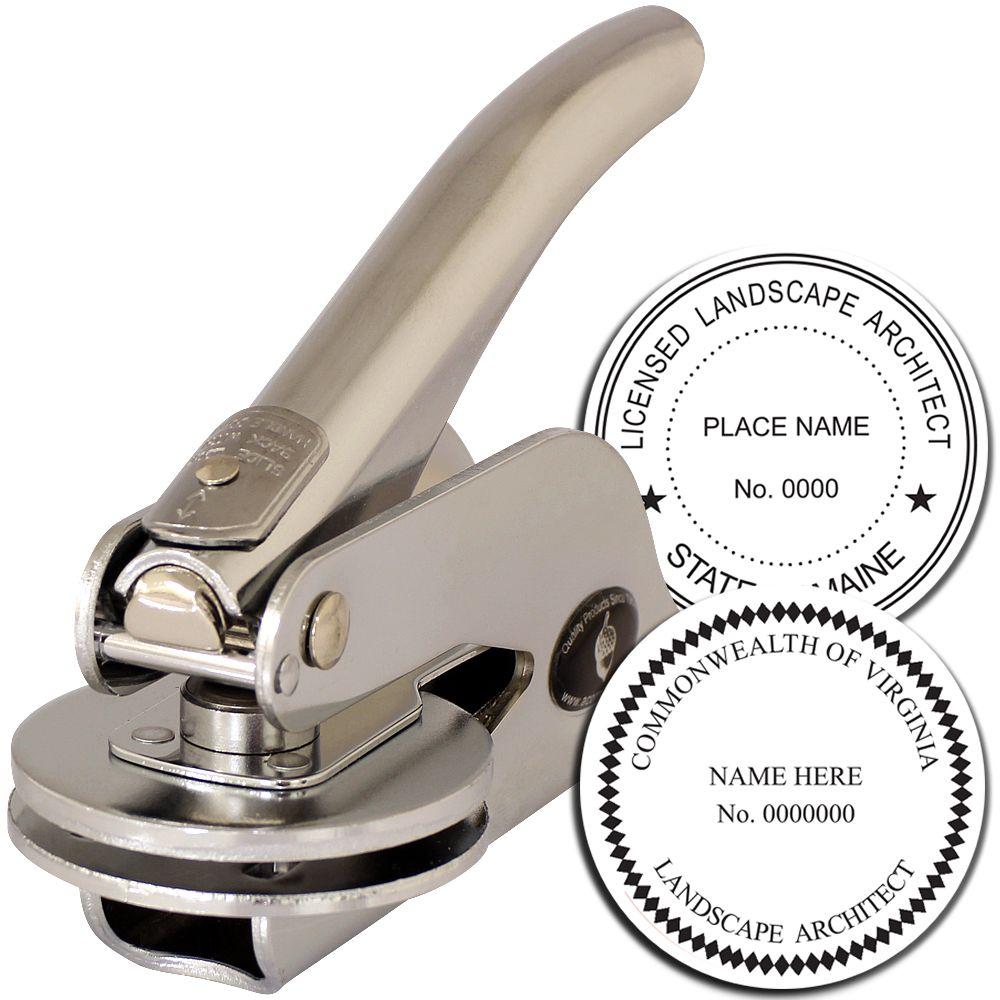
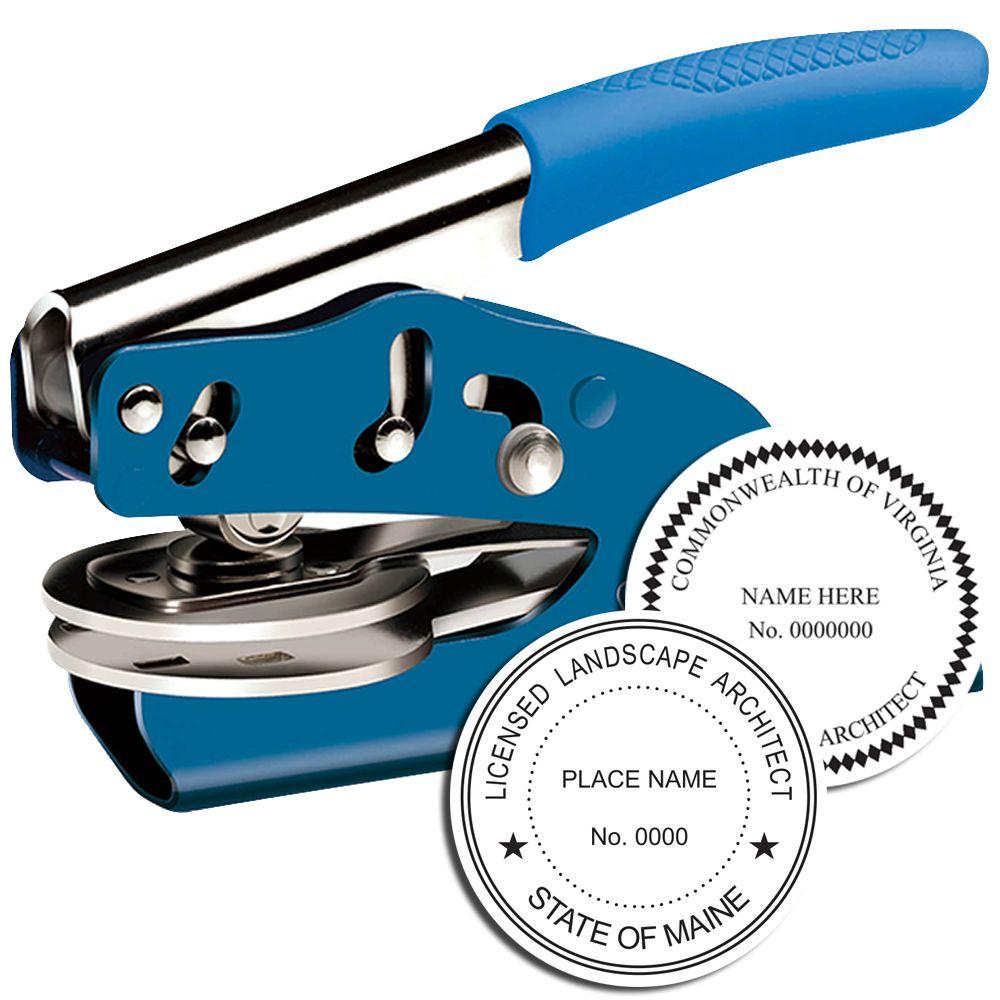
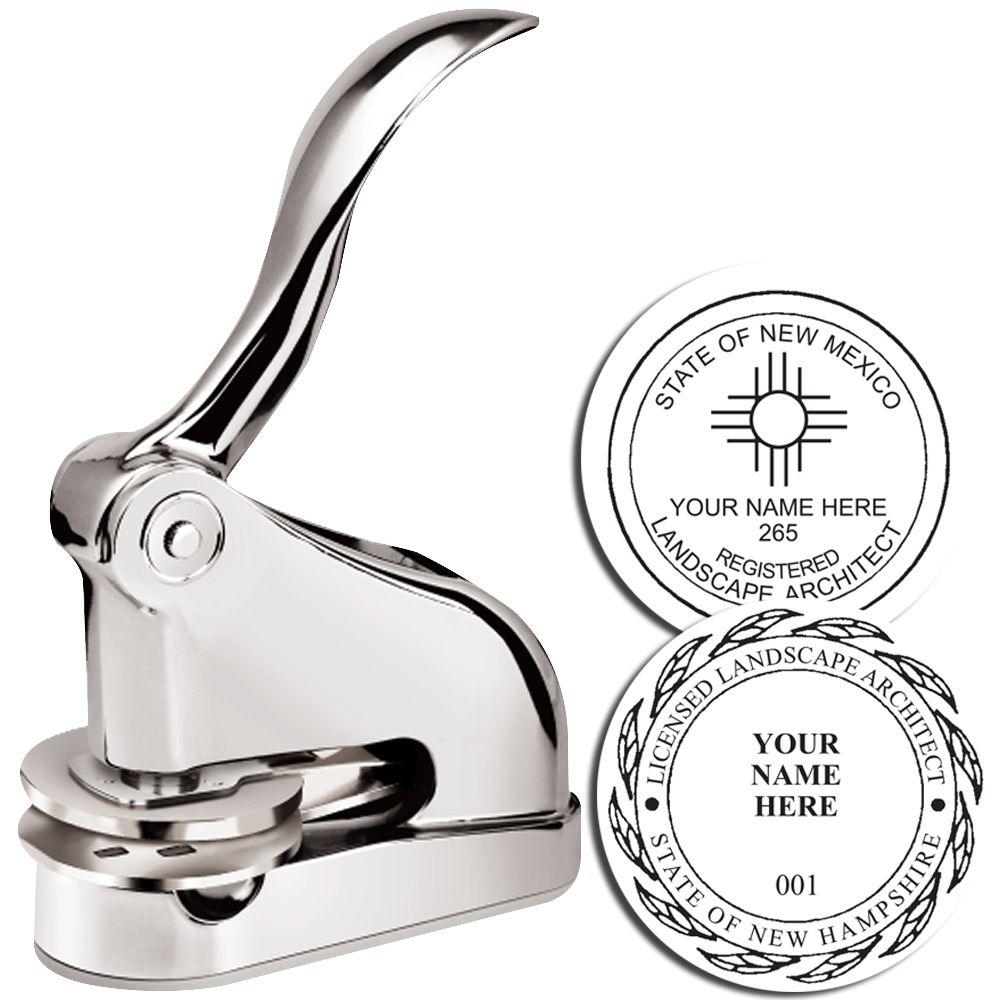
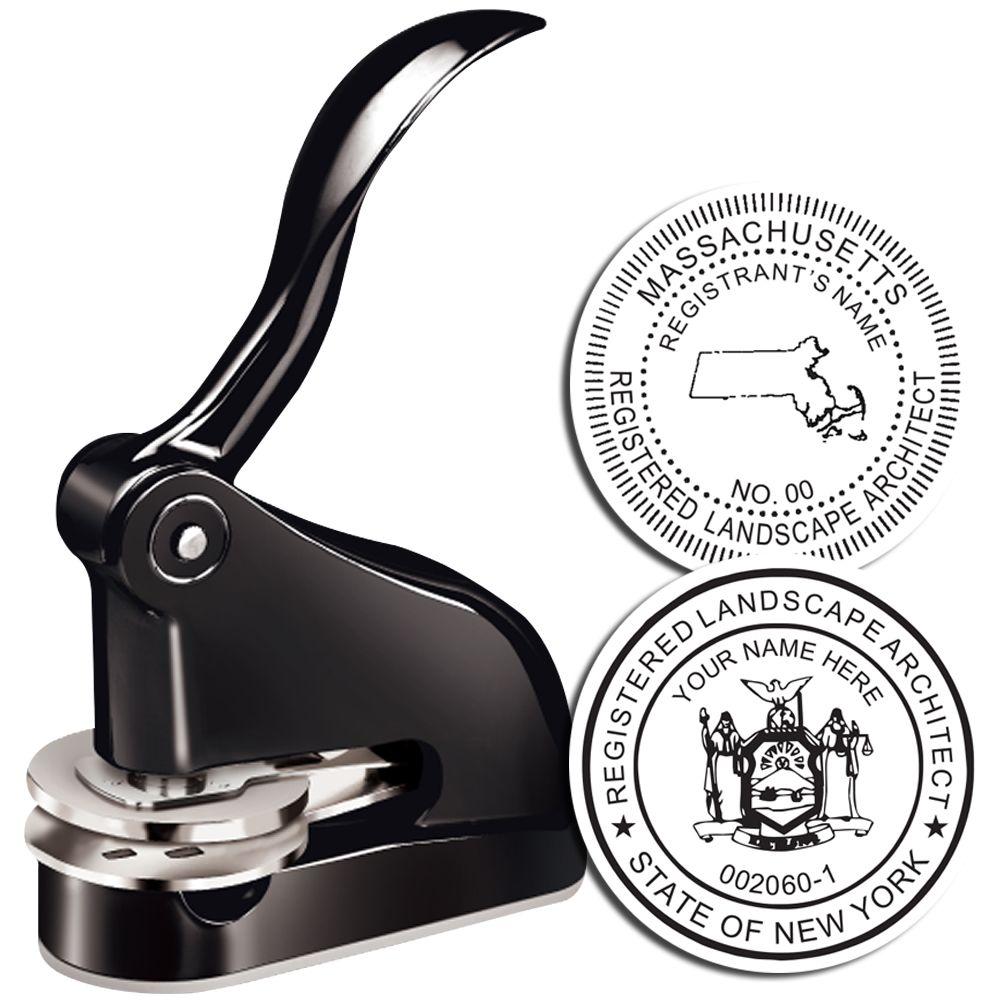
Not all embossers are created equal, and you want a tool that consistently gives a clear, precise impression. Handheld units can be great for light usage or traveling to job sites, while desk embossers offer more stability and can handle heavier stock.
Pay attention to the seal’s orientation. Some devices are designed to emboss from the top, bottom, or side, so double-check you’ve got the right fit for the area where you’ll frequently place your stamp. You also want a sturdy frame that won’t bend or break under regular pressure.




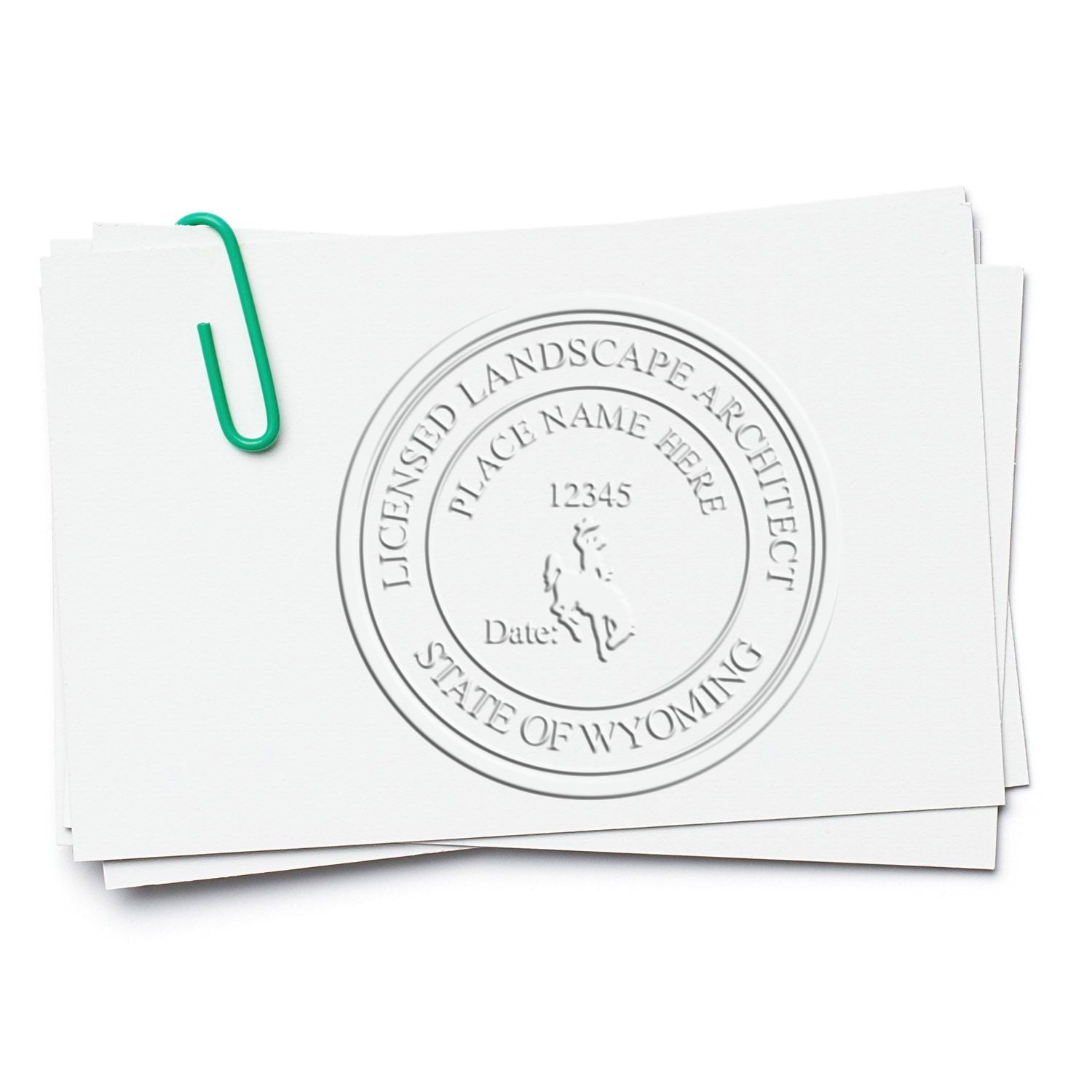
What Makes A Good Embosser
- Sturdy metal construction ensures durability over time.
- Ergonomic handles can help reduce hand strain.
- Clear alignment guides make it easier to place the seal precisely.
- If your license details change, the seal is remade with the new details.
At Acorn Sales, we’ve been helping professionals like you with stamping and embossing solutions since 1964. Our embosser line offers everything from pocket-sized devices to heavy-duty desk models that handle large-scale projects. The best part is how easy it is to customize each embosser with your personal or corporate information.
Maintain Compliance And Clarity
Once you have your embosser in hand, you’ll want to keep it in top shape. If any detail on your stamp changes, such as your license number or an official title update, you may require a new insert. Periodic checks to ensure the metal plates remain aligned are also worthwhile, because a misaligned plate can ruin an otherwise well-presented document.
Rhode Island regulations sometimes evolve, so it’s good practice to keep an eye on any updates posted by the state’s licensing board. If a new guideline is introduced or if an existing one changes, you might need to adjust your stamping procedure or even order a new seal. There’s no bright red flag that automatically notifies you when this happens, so being proactive is important.
In digital contexts, you can pair a physical embossed mark with an electronic signature. Some agencies accept a free digital seal, which Acorn Sales can set you up with to ensure your projects proceed smoothly, even online.
How Acorn Sales Can Help
When you want to simplify your Rhode Island landscape architect stamp embossing process, having a partner you can trust is huge. Acorn Sales has been around since 1964, which means we’ve spent decades perfecting our craft and understanding exactly what professionals like you need in a stamp or seal. We pay attention to every little detail, from the font style to the actual mechanics of the embosser.
On top of that, we recognize that digital submissions are becoming more common every day. That’s why we provide a free digital seal option alongside your physical embosser. You’ll have the flexibility to seal documents in both physical and electronic formats without worrying about compliance. You also won’t have to juggle multiple suppliers or systems, because we handle it all under one roof.
We know life gets busy for a working landscape architect. So we aim to make the buying process as simple as possible. Our team is always ready to walk you through design approvals, shipping timelines, and any special requests you might have. Our mission is to help you feel confident that your official seal is both accurate and professional.
Before you order
Rhode Island landscape architect stamp embossing might seem like a small piece of the puzzle, but it’s a major step toward presenting your work with authority and professionalism. By following the right guidelines, choosing a reliable embosser, and staying on top of license requirements, you’ll secure your place as a trusted landscape architect in the community.
Whether you go for a desk model or a handheld version, remember that Acorn Sales is always in your corner with customizable, high-quality tools and a free digital seal to match. So why not take the leap and finalize your stamp choice today? It’s time to make your mark in Rhode Island.
Frequently Asked Questions
Do I Need A Specific Embosser For Rhode Island?
In most cases, the embosser’s layout must reflect Rhode Island’s guidelines for a landscape architect seal. That includes your name, license number, and any phrases required by state regulations. As long as the design matches these guidelines, the type of embosser is largely up to you.
Can I Use My Embosser On Different Paper Stocks?
Absolutely. Just be mindful of your paper’s thickness. Desk embossers generally handle heavier stocks more easily than handheld varieties. The key is a firm press without over-stressing the device.
Is A Digital Seal Recognized In Rhode Island?
Many agencies are beginning to accept digital seals as an efficient alternative, but check with your local jurisdiction or specific project requirements. Acorn Sales includes a free digital seal so you can move between paper and electronic formats without skipping a beat.
Will My Embosser Ever Expire?
The device itself doesn’t expire, but your license can. If your licensing details change, you’ll need a new insert or an entirely new embosser to ensure the information remains correct. Always keep track of your credential renewal dates.
What If My Seal’s Impression Fades Over Time?
An embossed seal generally doesn’t fade like ink, so that’s one of the biggest perks. The raised imprint should remain legible for the lifespan of the document, assuming the paper remains in good condition. If you do notice a drop in clarity, it might be a sign that your embosser plates are misaligned or worn.








