

you’ve just completed a detailed land survey for a South Carolina property, and you’re ready to finalize the paperwork. But before you sign off on your deliverables, you need to ensure your seal stands out in both clarity and authenticity. That’s where south carolina land surveyor stamp embossing comes into play. When you apply an embossed stamp or seal correctly, you’re not just meeting a bureaucratic requirement, you’re displaying professionalism and demonstrating compliance with state rules. In this guide, we’ll walk through the key points of embossing, show you how to avoid common pitfalls, and explain why choosing the right supplier, like Acorn Sales, can set you up for long-term success.
Grasp the Importance of Embossing
Why Embossing Matters
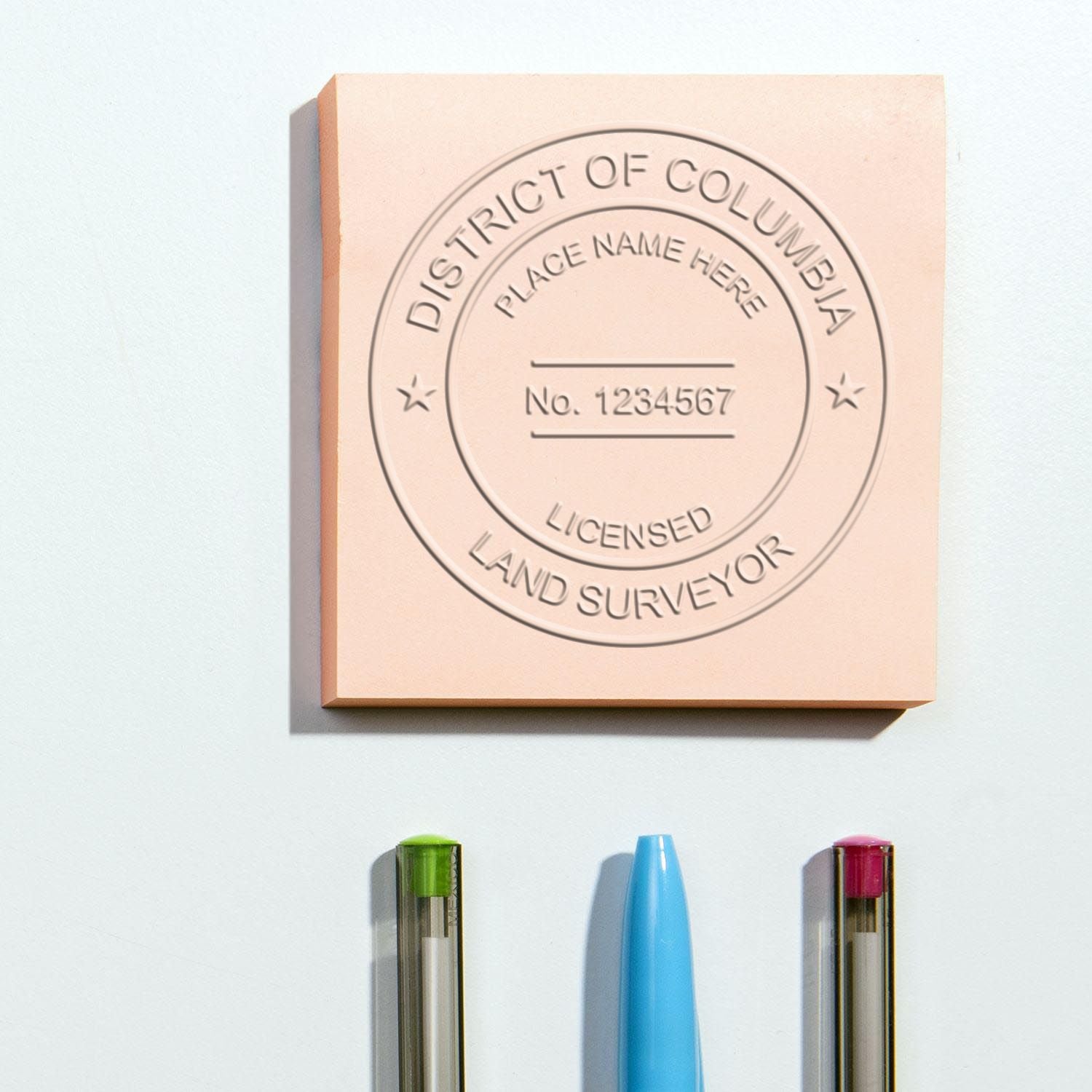
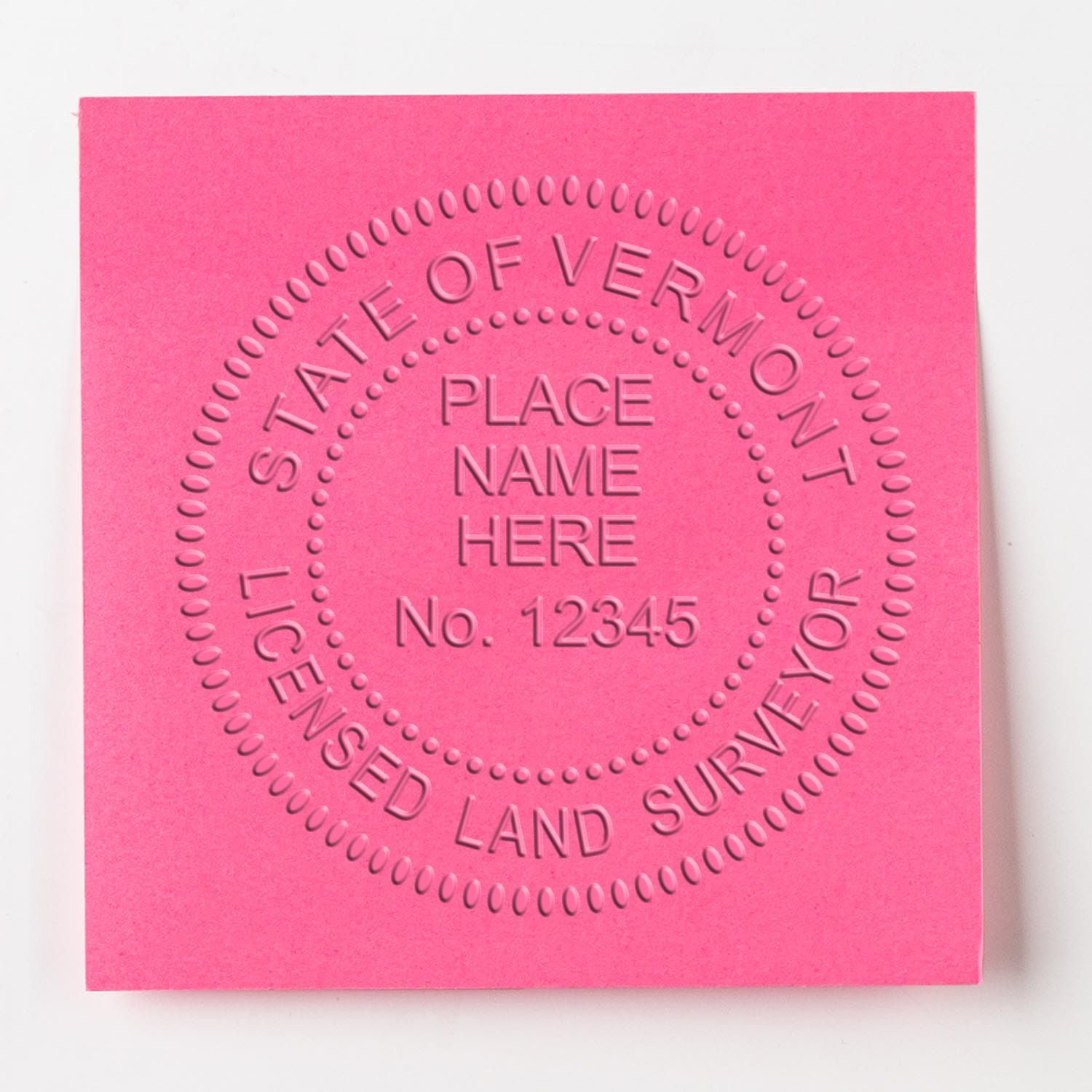
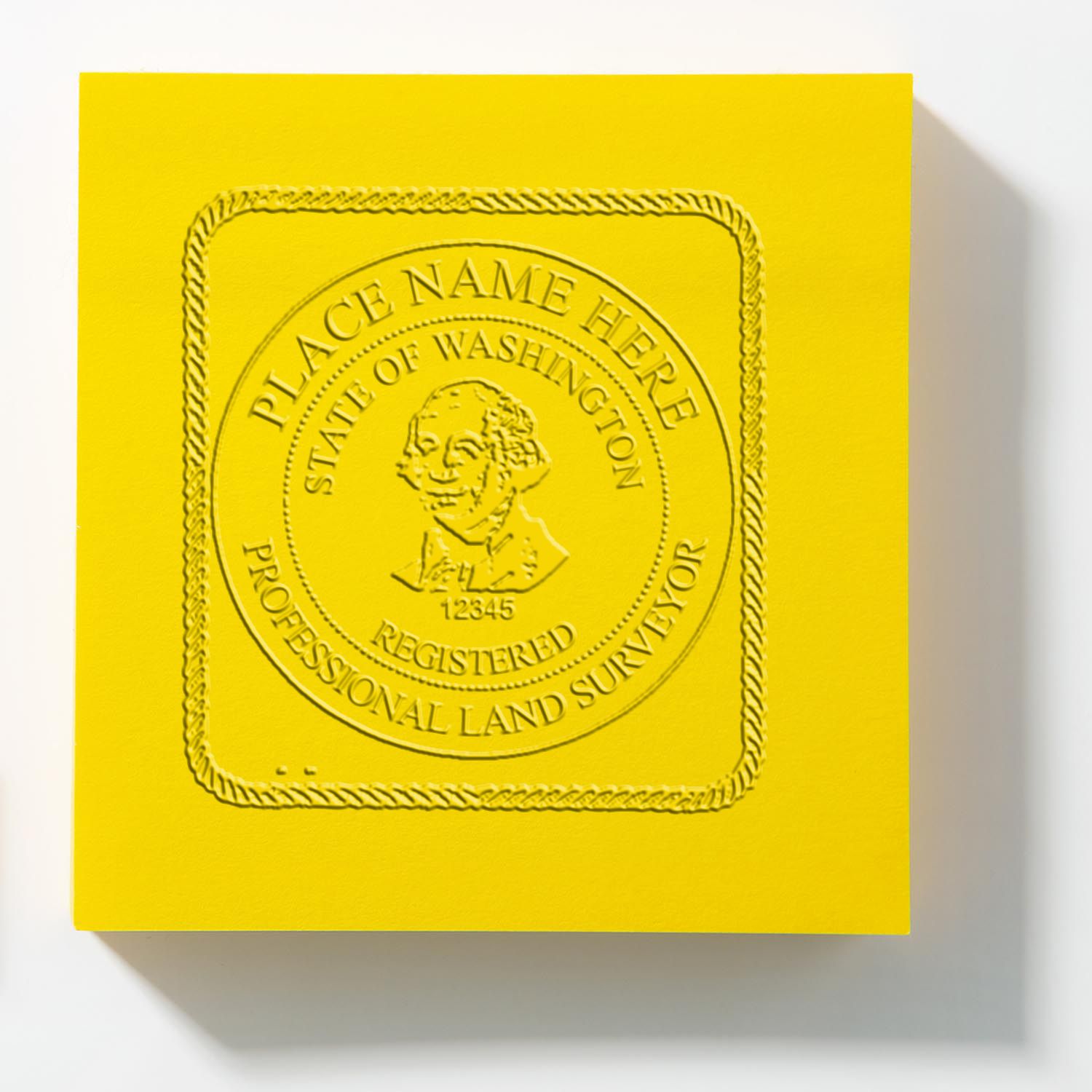
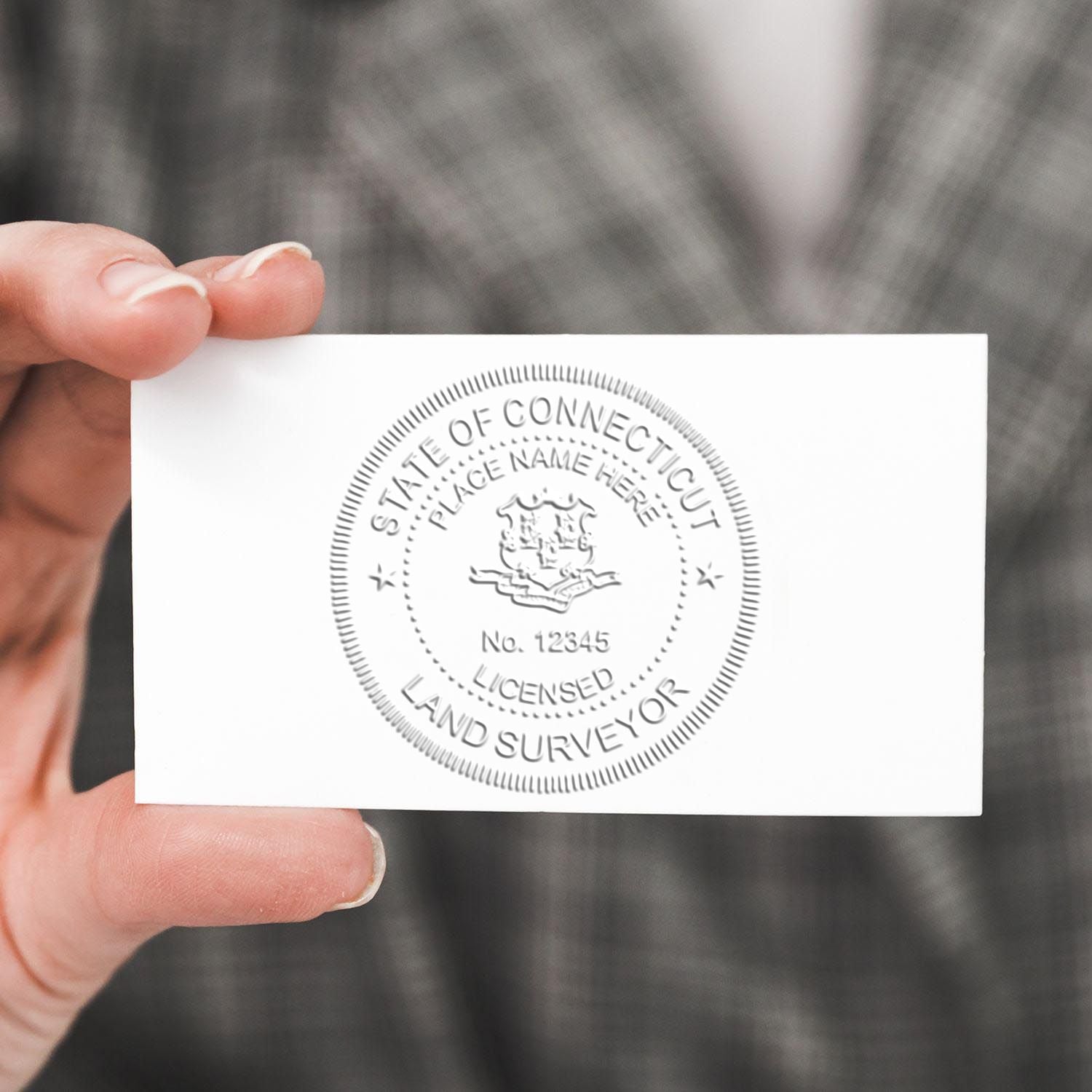
Embossing might seem like a small detail, but it carries a lot of weight in the surveying world. For starters, an embossed stamp is harder to forge than a simple ink impression. It creates a raised seal on your documents, allowing anyone reading the plans, deeds, or official paperwork to immediately see that the document is genuine. This tactile proof goes a long way in establishing your professional credibility.
Also, certain local agencies and clients still prefer physical certificates with embossed seal over purely digital submissions. You may find that local zoning boards or land development offices want to see a clear raised impression on the final copies of your survey. When that happens, having a reliable embosser at your fingertips makes everything smoother.
Professional and Legal Implications
In South Carolina, a properly embossed seal ensures you’re following the state’s guidelines for presenting official land survey documents. While digital seals are growing in popularity, many county offices still stick to traditional methods. An embossed stamp is essentially an official hallmark indicating you’re registered and authorized to practice as a land surveyor. That’s a big deal, because it adds a protective layer for you and provides reassurance to everyone who depends on your documentation.
Know South Carolina’s Rules
Essential Markings on Your Stamp
Every state has unique guidelines on seals and stamps, and South Carolina is no exception. Typically, your seal must include your name as it appears on your license, your license number, and the appropriate job title (in this case, “Professional Land Surveyor” or “Land Surveyor”). These elements need to be clearly legible so that anyone reviewing your work can verify your qualifications without second-guessing. To learn more about the official requirements, you can check out the comprehensive south carolina land surveyor stamp requirements.
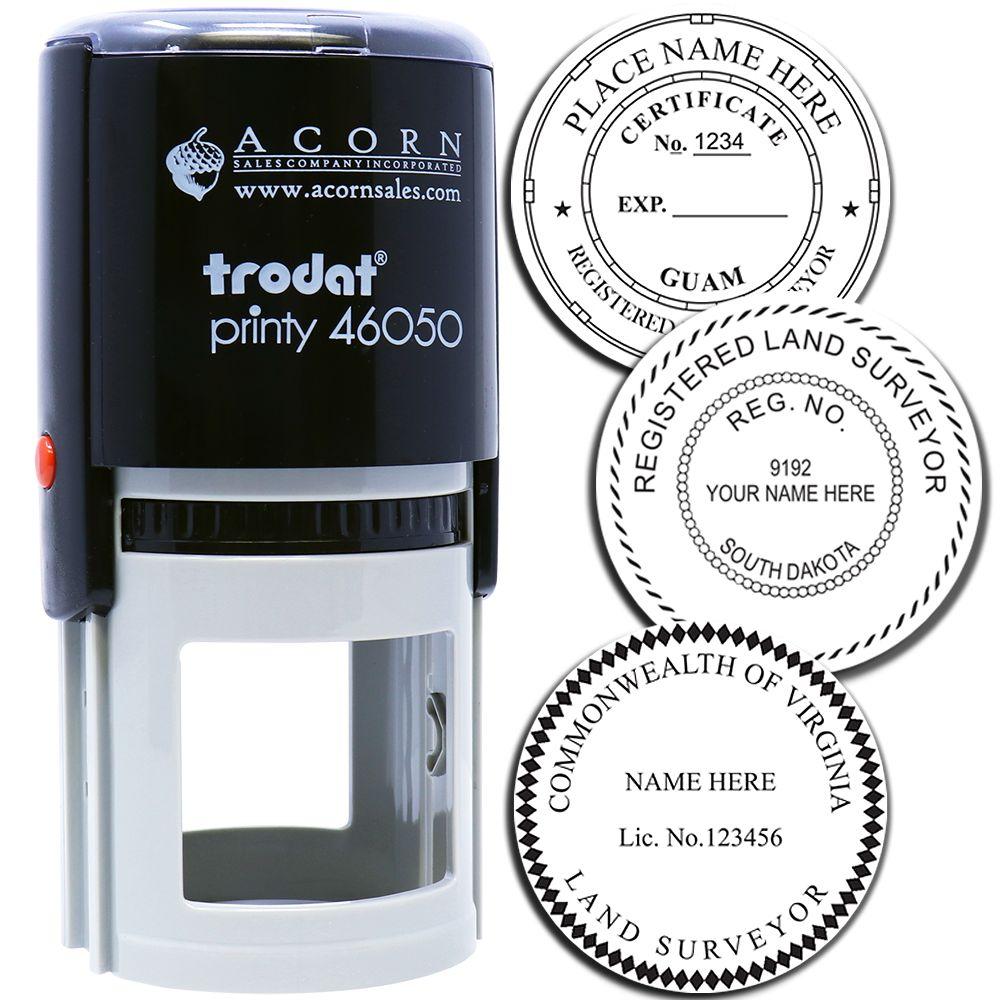
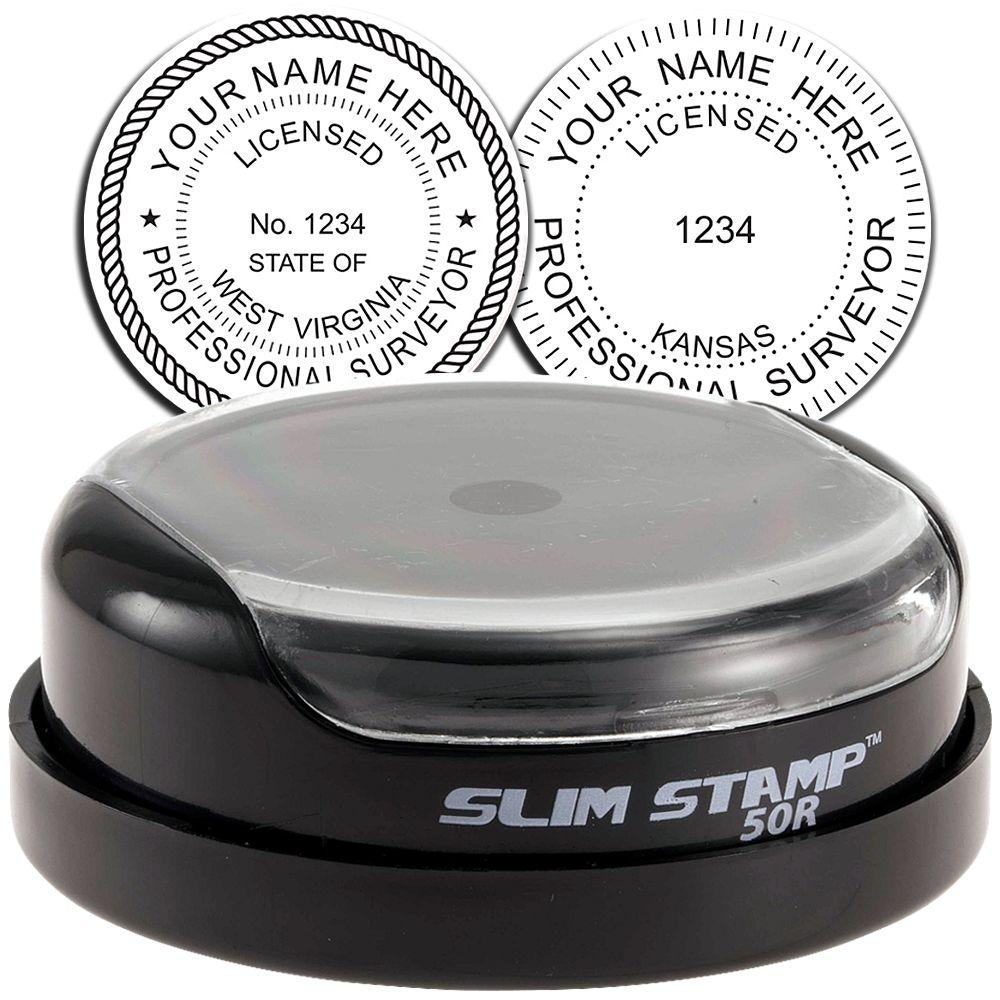
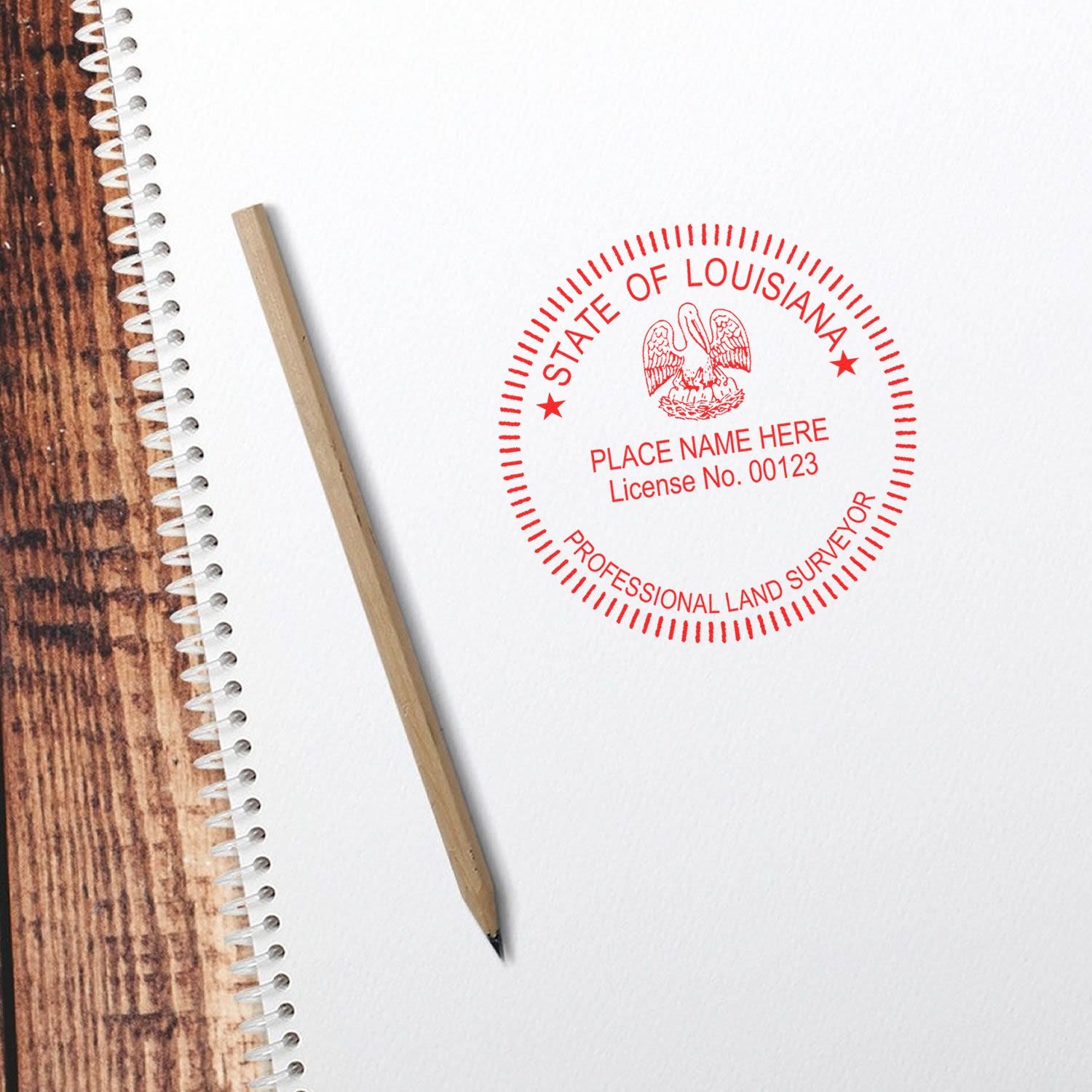
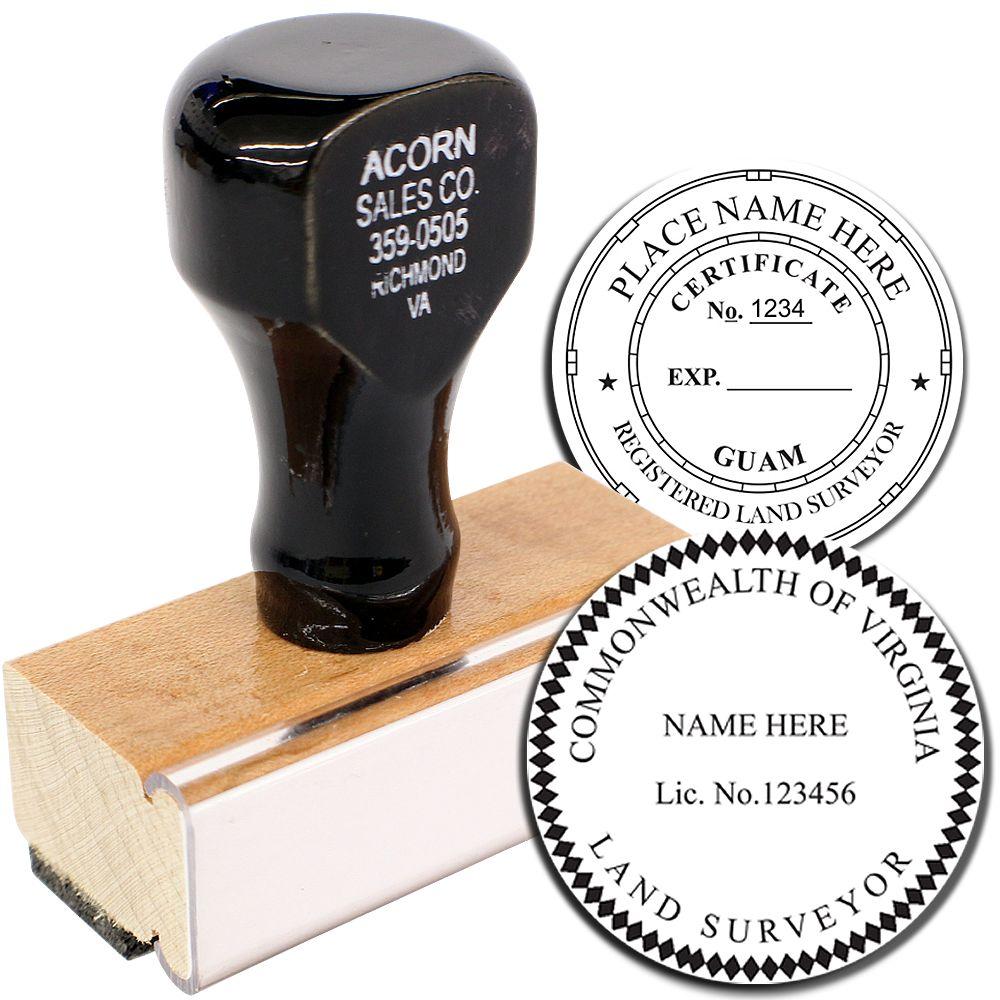
When planning your South Carolina embossing stamp, make sure the text and any state symbols are arranged in a way that remains crisp even when you press down on thick cardstock. If your design is too busy or the text is too small, your final impression might look smudged or partially unreadable. It’s a good idea to consult examples of official seals to see how the lettering and shapes are spaced.

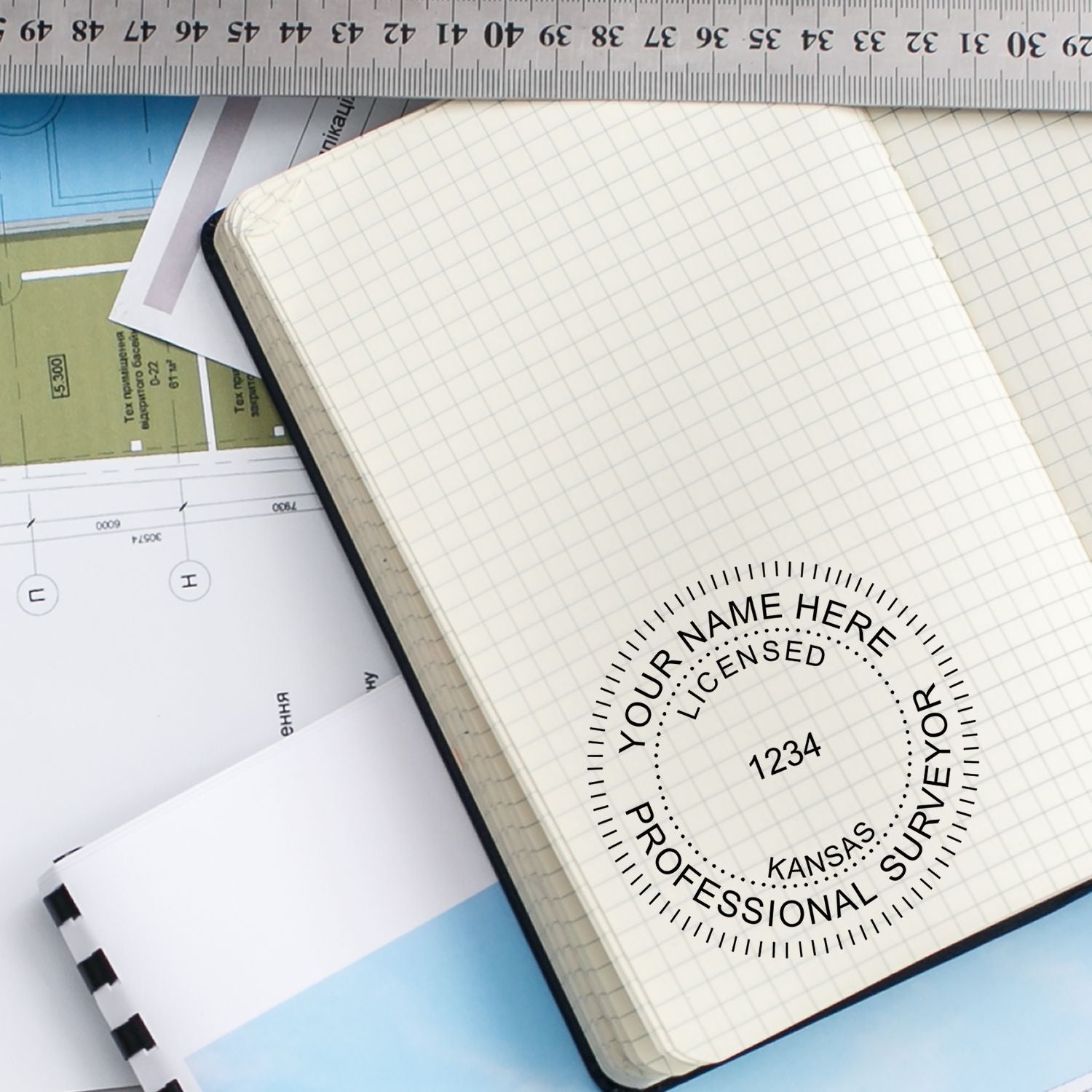
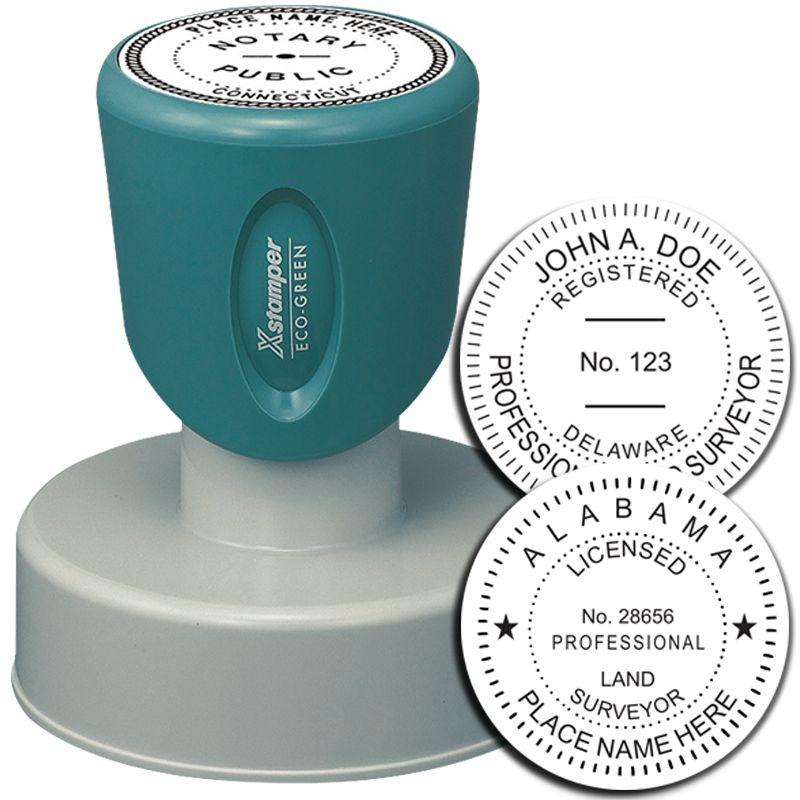
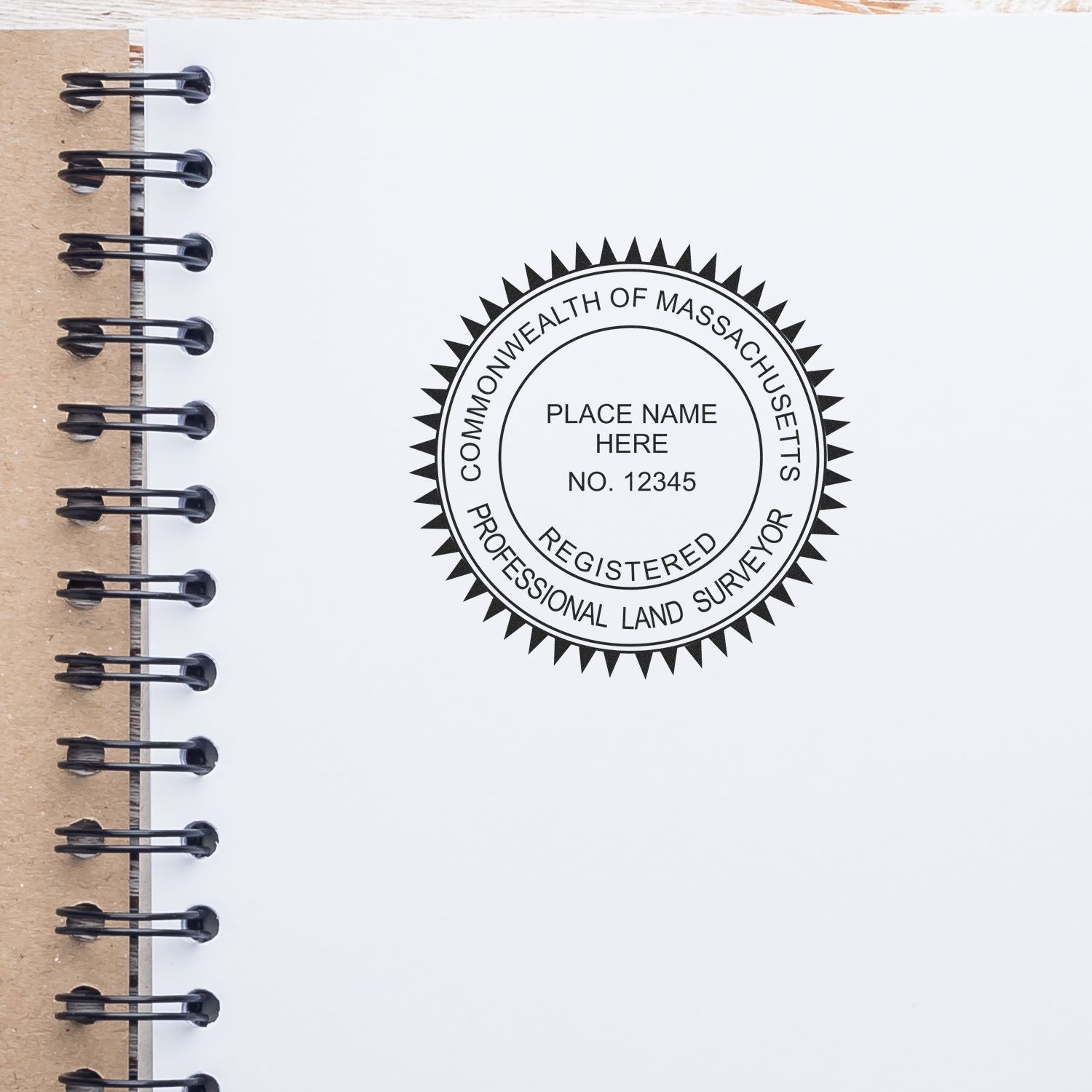
Where to Place Your Embossed Seal
Deciding where the embossed seal should go on your documents is almost as important as the seal itself. The general recommendation is to apply your stamp in a corner or area that doesn’t obstruct critical information. If you’re sealing a multi-page document, you might be required to emboss each page or at least attach your seal to the pages containing official data. You’ll want to keep these guidelines in mind, because inconsistent or misplaced seals can raise eyebrows during audits.
Additionally, some clients want the seal near your signature, while others prefer it at the bottom of a plan so that it doesn’t overlap important text. Before applying your seal, confirm the client’s preference or any county-level instructions. Doing so not only looks polished but also prevents confusion about which sections are officially verified.
Choose the Right Embosser
Size and Style Considerations
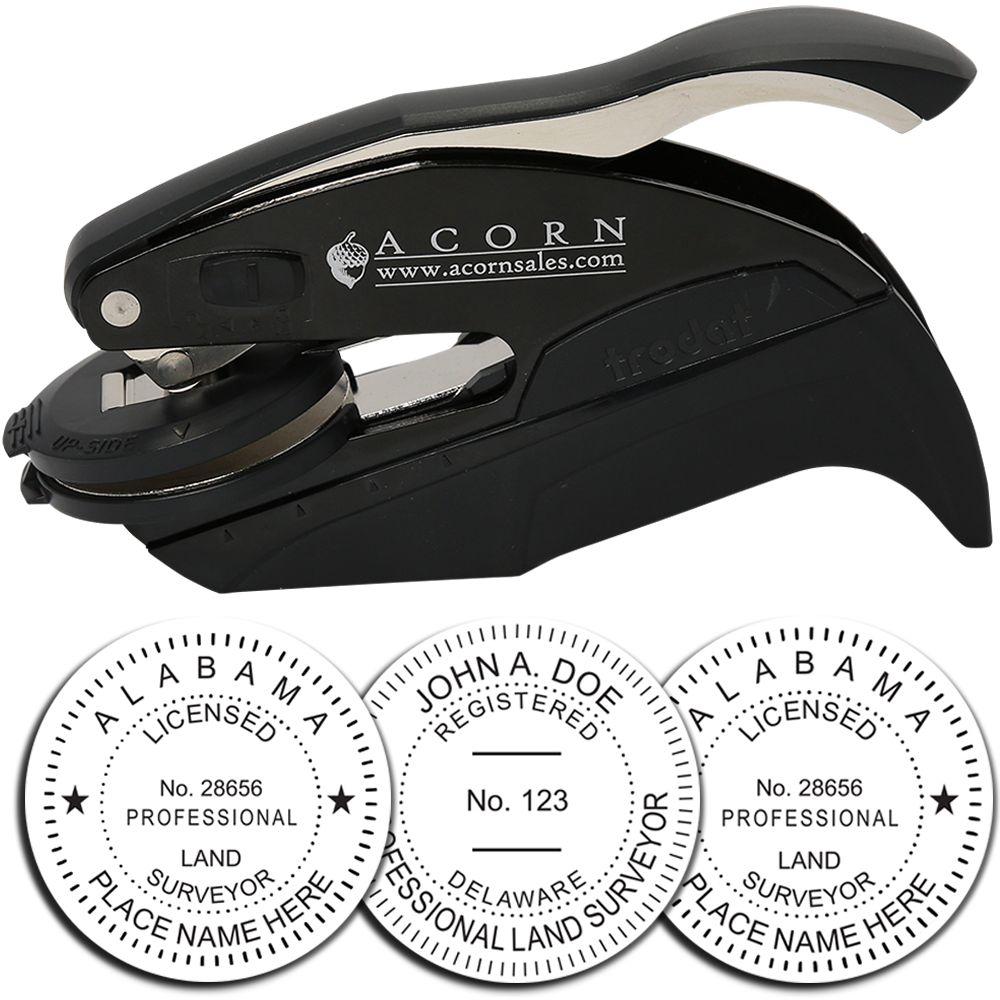
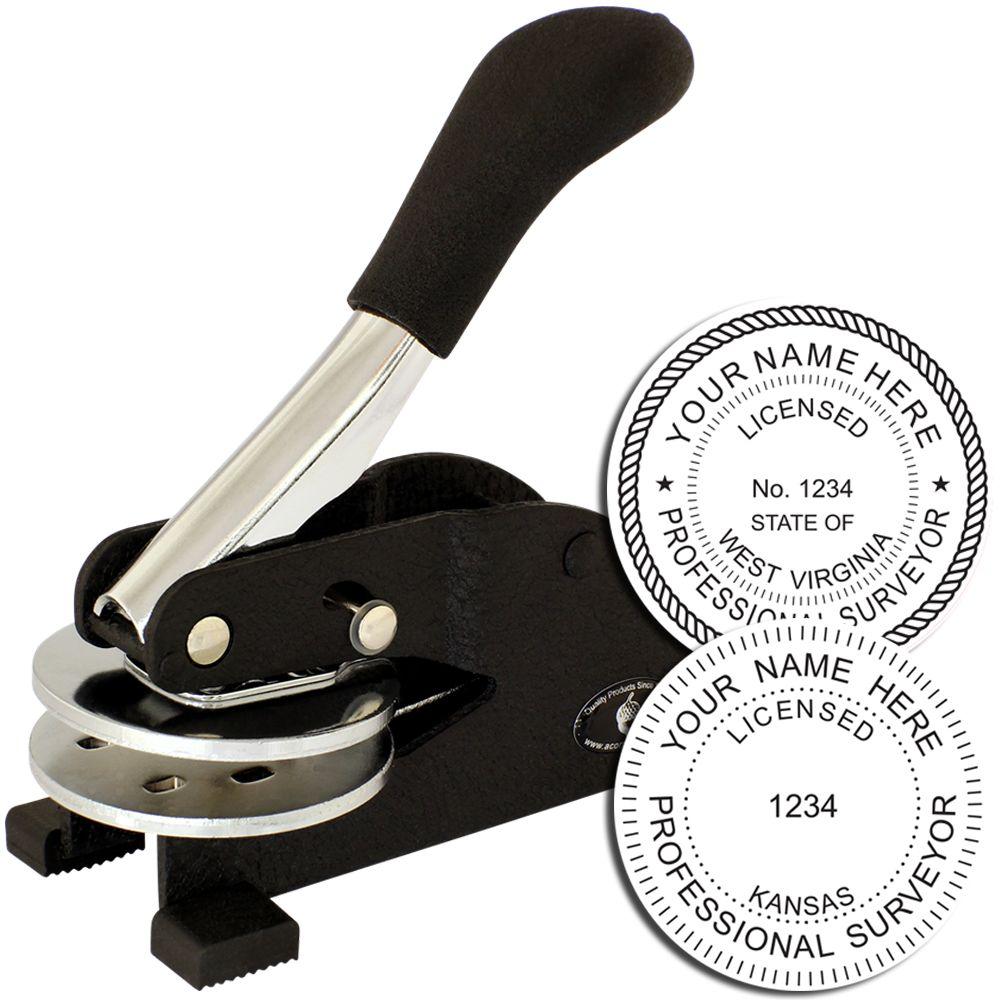
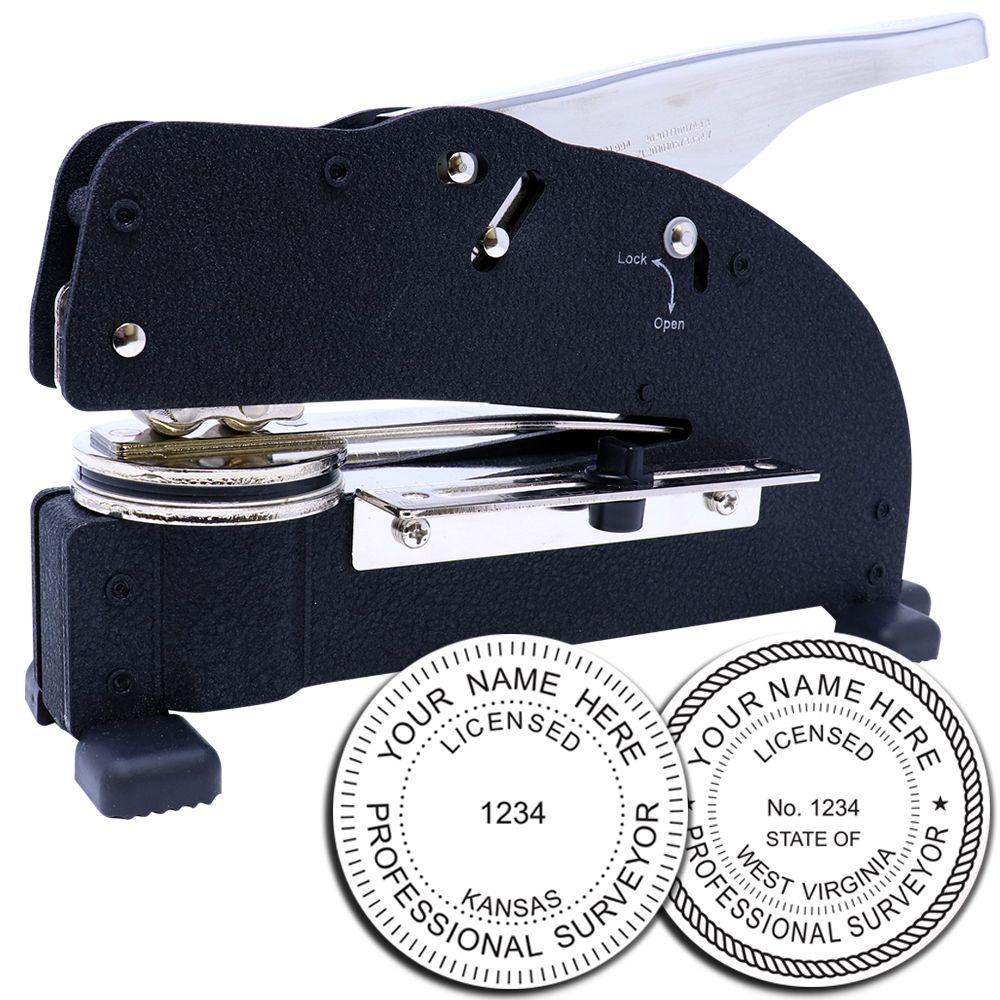
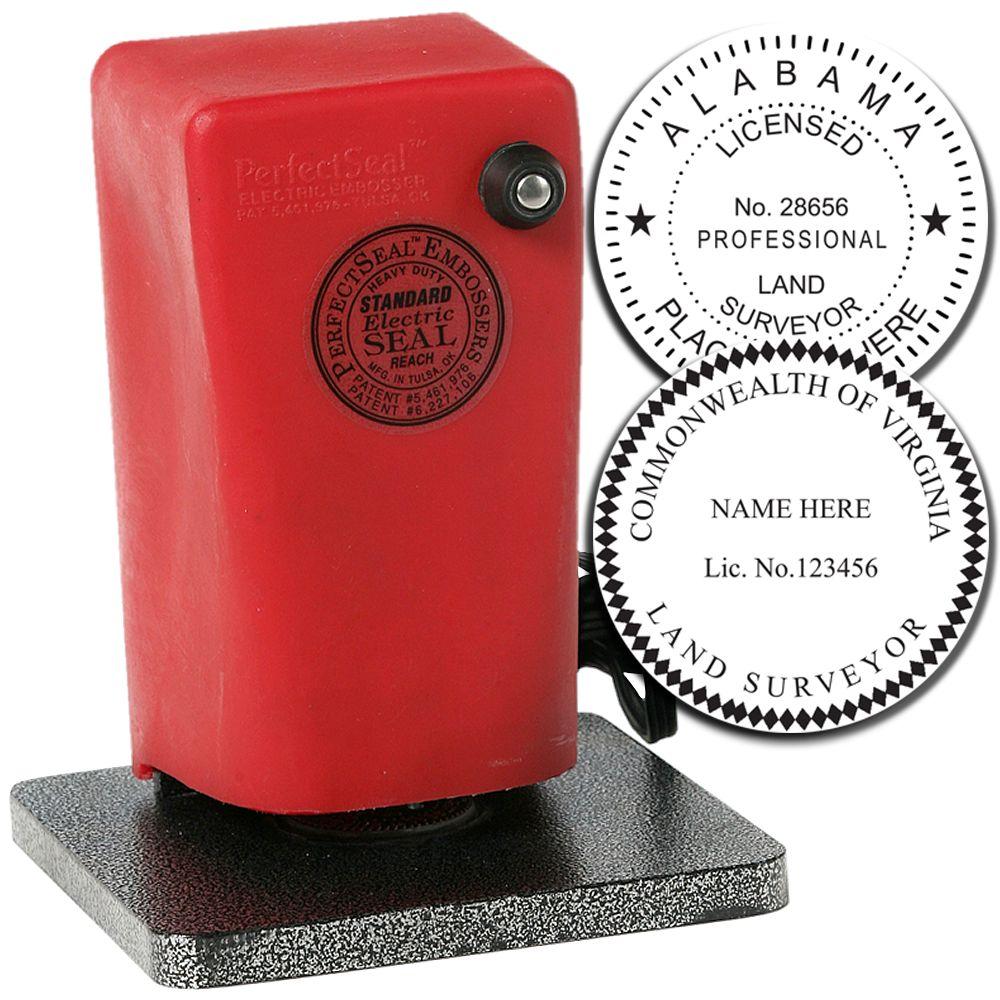
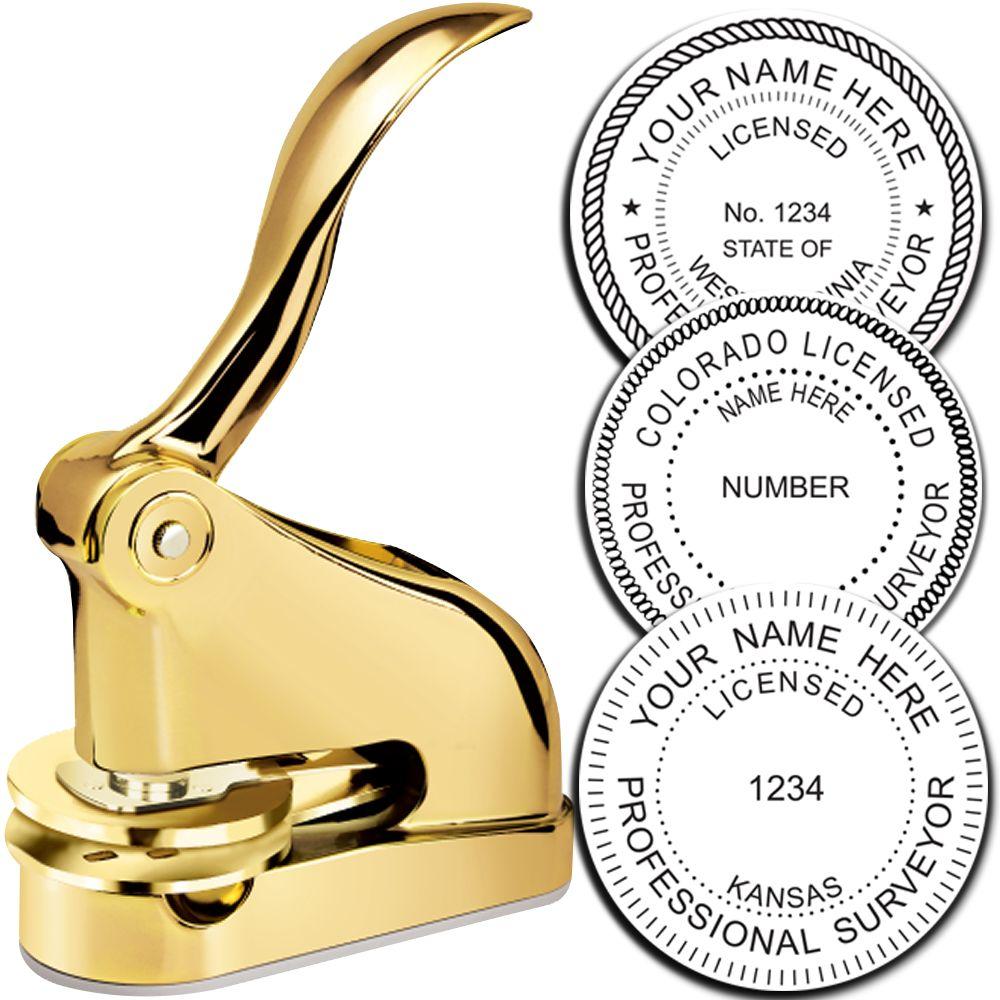
Embossers come in various sizes: pocket-sized, desk-mounted, and even specialty designs for large-scale projects. The one you pick depends on how often you need to use it and where you’ll be using it most. If you’re always on the go, a portable hand-held embosser that fits neatly into your bag or briefcase might be your best friend. Desk embossers, on the other hand, often provide a smoother operation and more precise alignment, making them a popular choice for busy offices.
You’ll also find different handle styles, from traditional long-arm presses to newer designs that incorporate ergonomic grips. Feel free to try out a couple of styles whenever possible. The key is making sure the mechanism is sturdy enough to press cleanly through the types of paper you most often use. While the look of your embosser might matter to some degree, the top priority is whether it can produce a consistent, sharp impression every single time.
Longevity and Maintenance
Let’s be honest, you don’t want to buy a new embosser every few years. A quality one can last for decades if you take the right precautions. It’s generally wise to invest a little more up front so you won’t have to deal with flimsy mechanisms that wear out after a handful of uses. That said, all embossers need a bit of occasional maintenance, such as cleaning the die and checking alignment periodically.
If you find that the impression starts looking faint, you might need to press a bit harder or replace worn components. The die (the engraved part that forms the design) can also get damaged over time if you’re embossing surfaces that are too thick or contain staples and clips. Keep an eye out for any visible wear, clean the stamp area carefully using a dry soft cloth, and avoid forcing the embosser on materials it wasn’t designed to handle.
How to Emboss Correctly
Before You Start
Sometimes, the difference between a crisp impression and a half-finished blur is your setup. Before embossing, gently flatten your document on a firm surface. Leather-bound notebooks, padded desk mats, or cluttered tables can introduce uneven pressure. Remove staples or big paper clips in the area you plan to press, an overlooked staple can tear your paper or damage your embosser.
It’s also helpful to do a quick test on a blank sheet or scrap document to see how much pressure is optimal. Light practice runs let you figure out whether you need to adjust your grip or angle. This minute of preparation saves you from stamping an important document with a lopsided or barely visible seal.
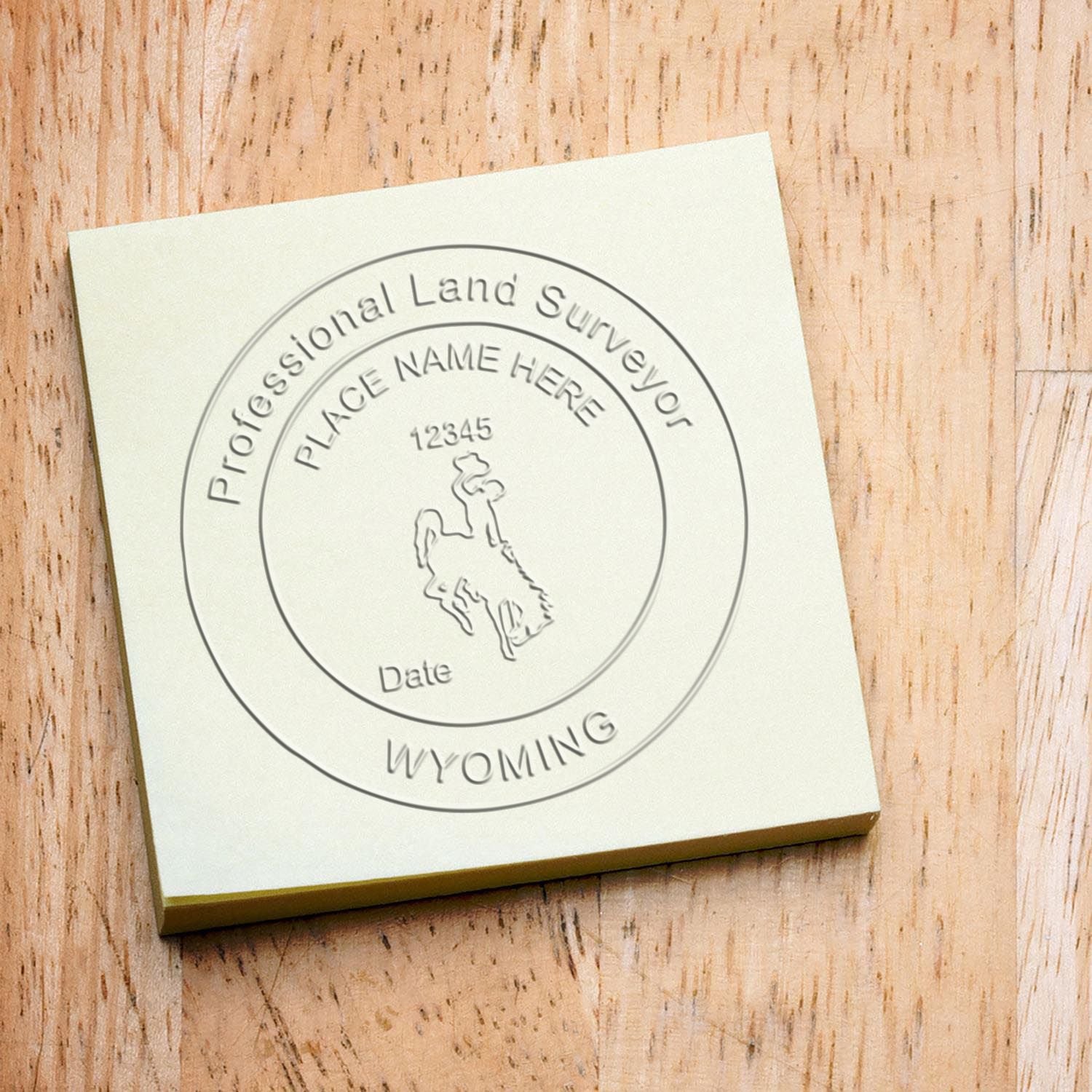
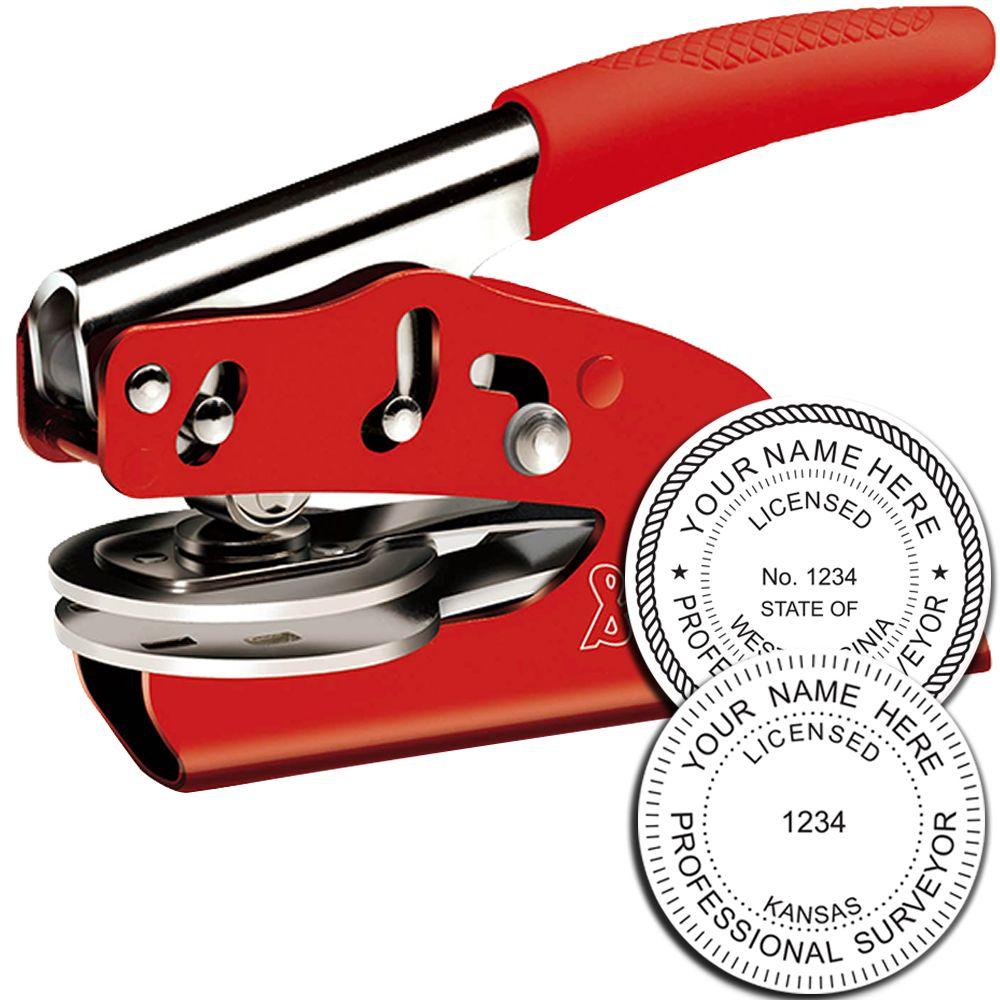
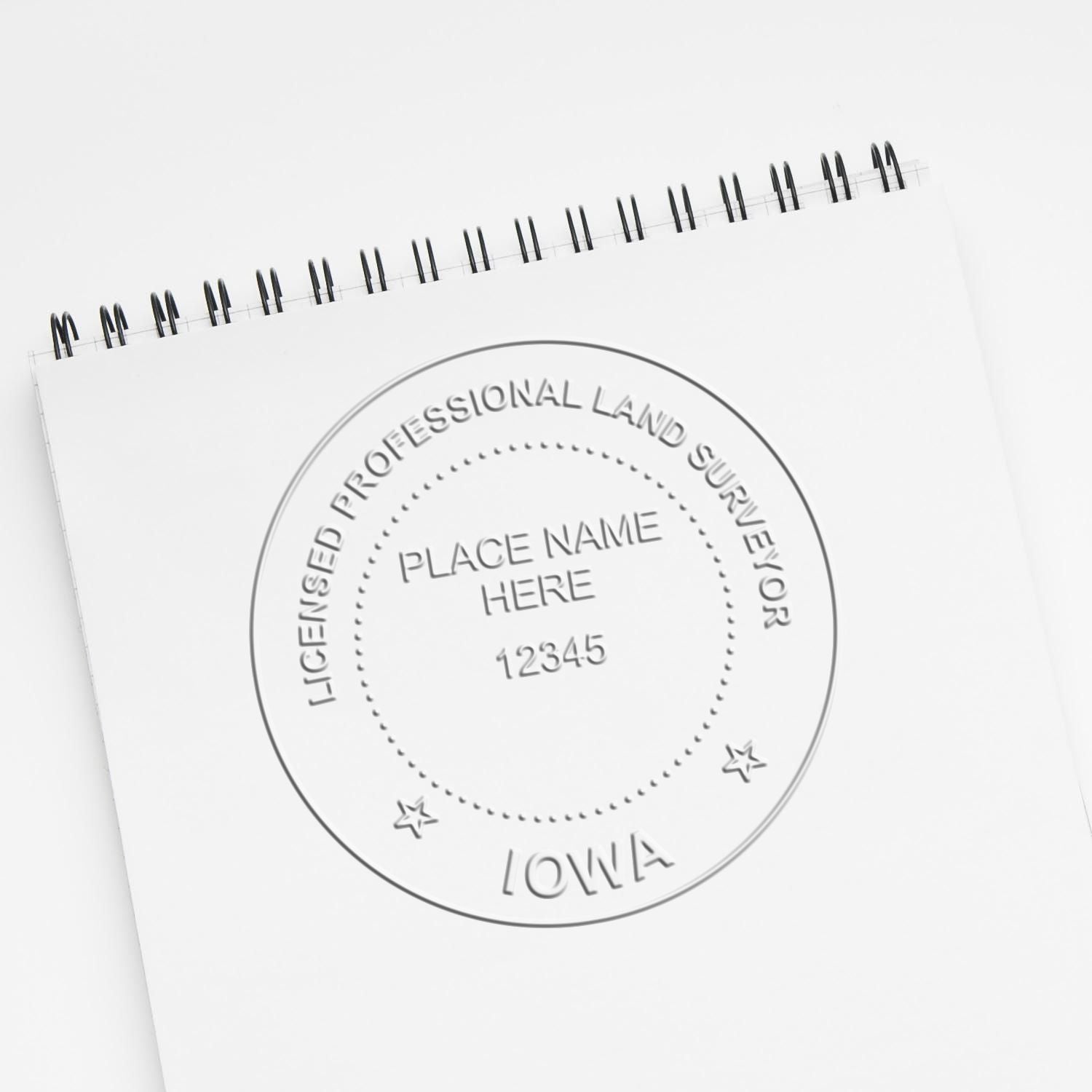
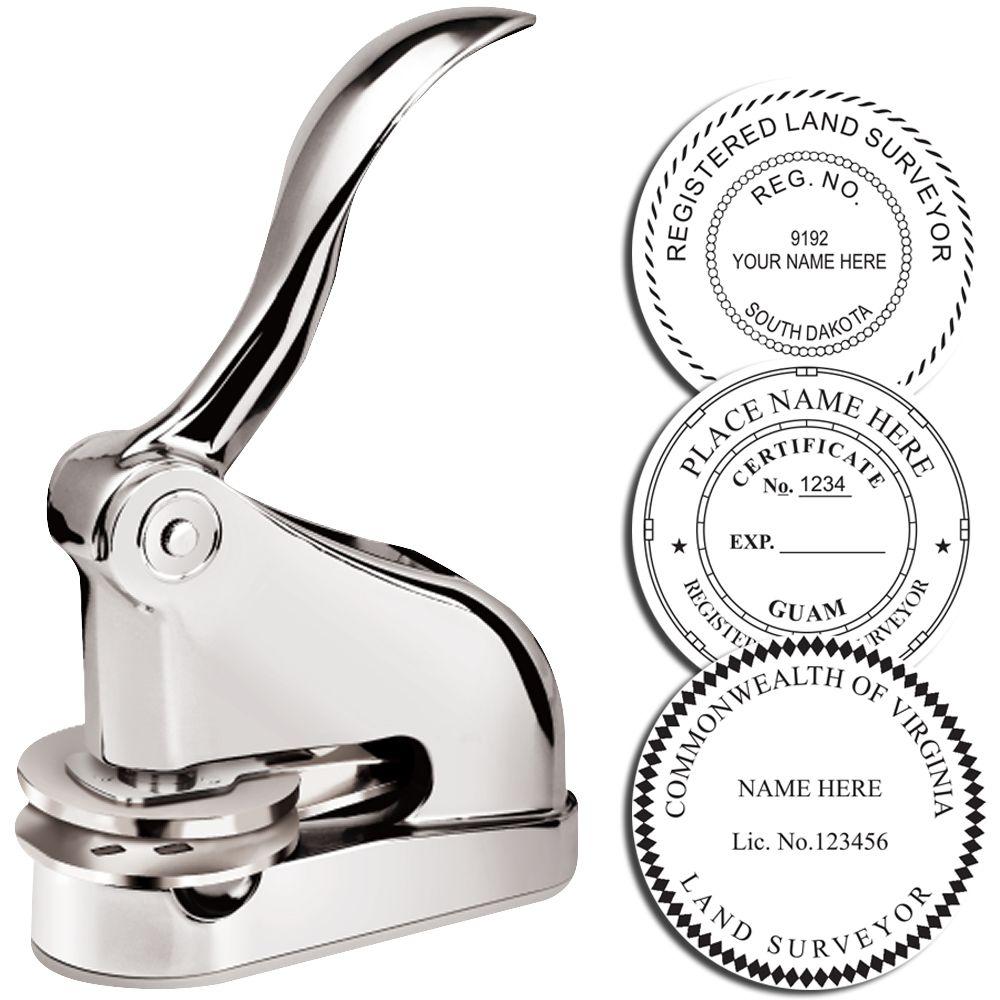
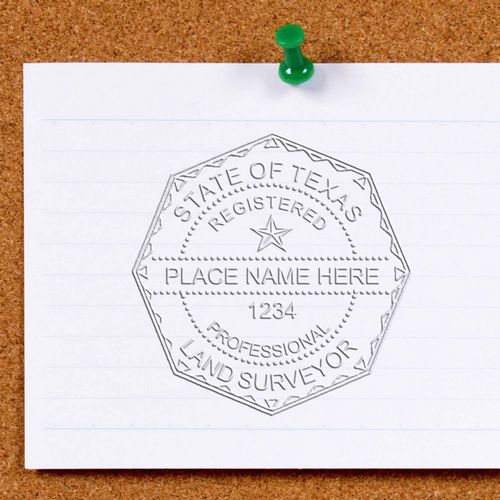
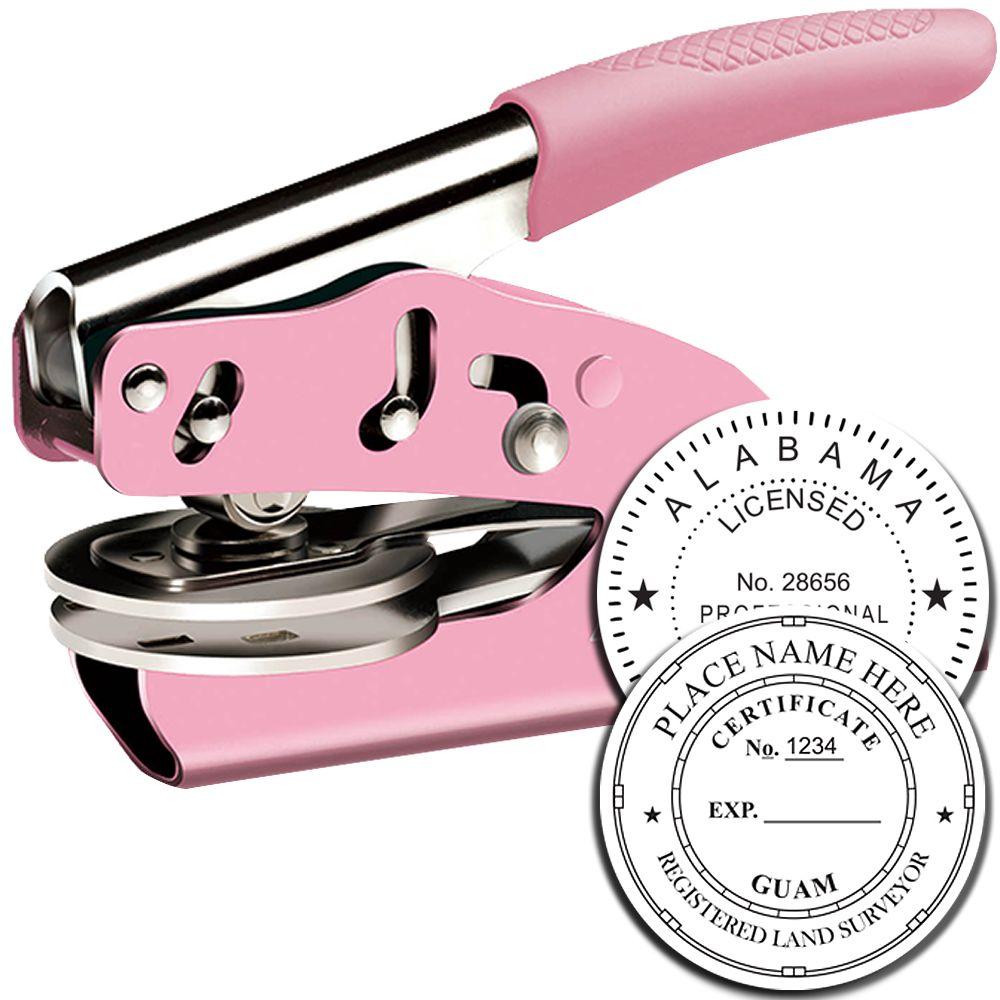
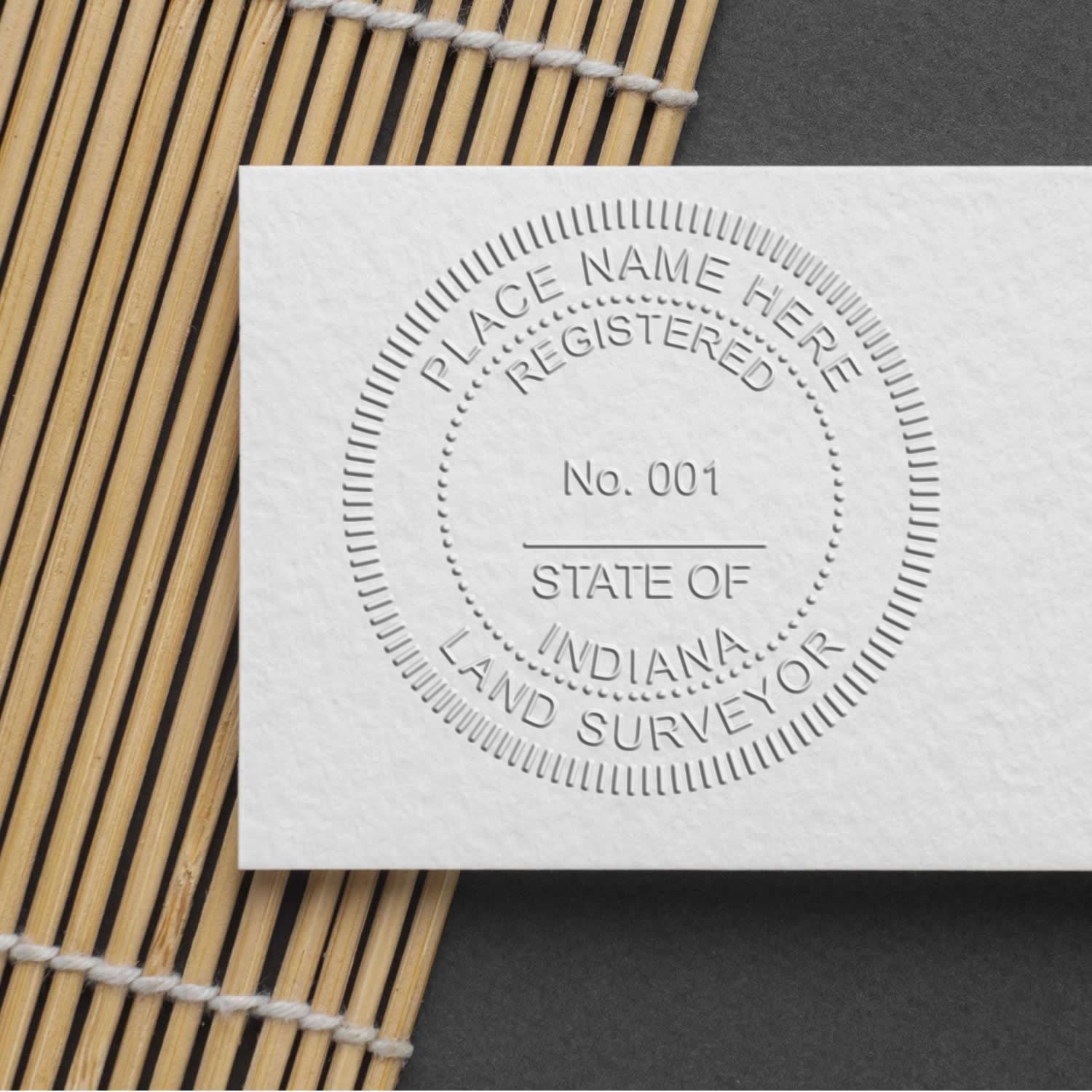
Applying Your Embossing Stamp
- Position the Embosser: Place it so the engraved die lines up with the spot where you want your seal.
- Check Alignment: Make sure the text or center emblem is oriented correctly, rotated seals can look unprofessional.
- Press Evenly: Slowly squeeze the handle or lever until you feel a firm resistance. This ensures a clean, even impression.
- Inspect the Imprint: Right after pressing, hold the page up to a light source. Make sure every letter is crisp and discernible.
If the impression looks light, try pressing with just a bit more force, but don’t overdo it. You want the paper to be raised, not torn. Once you’re satisfied, your document is ready for distribution, signing, or any other final step before submission.
Common Pitfalls to Avoid
- Overlapping Text: Steer clear of placing your seal over important data or signatures.
- Pressing Multiple Sheets: Resist the urge to emboss several pages at once. You’ll rarely get a uniform impression.
- Skipping Quality Checks: If you assume the first press is fine every time, you risk discovering a smudged seal long after the document has circulated.
- Using the Wrong Paper Stock: Extremely thick paper might demand a heavier embosser, while ultra-thin paper could tear under standard pressure.
Explore Acorn Sales Benefits
Over 60 Years of Experience
When you’re picking an embosser or ordering a new seal, you deserve a supplier that knows the field inside and out. Acorn Sales has specialized in stamps, seals, and embossers for over 60 years, providing quality products that professional land surveyors and other industries rely on. Our longstanding presence in the market means we keep up with the changing requirements, materials, and technology, ensuring you have the most up-to-date equipment at your disposal.
Decades of experience also translate into better customer support. If you’re ever unsure about which embosser suits your needs, or if you have questions about the design, we’re here to talk you through every detail. Our goal is to make sure you get a product that fits your workflow and helps you meet state regulations without headaches.
Free Digital Seal Included
Today, many surveyors benefit from having both physical and digital seals. Physical embossers are great for official hard copies, while digital seals simplify online submissions. That’s why Acorn Sales includes a free digital seal with your purchase. You’ll have the flexibility to switch between digital and physical solutions depending on the client’s or agency’s preference.
Once you have your digital seal, you can embed it in PDF files or any electronic documents that require authentication. While this digital file won’t replicate the raised texture of an embossed seal, it still offers a professional touch for clients who review electronic proofs. Think of it as a convenient bonus that extends the value of your order well beyond paper documents.
Absolutely. While it’s specifically designed to meet South Carolina land surveyor requirements, your embosser can also be used for related documents or specialized paperwork, as long as it’s ethically and legally permissible. Many licensed professionals choose to keep a single primary embosser for all their official documents, ensuring consistent markings on every project.
Using your embosser
Mastering the art of an embossed seal might seem like a small detail in the grand scheme of land surveying, but it’s an important step to prove your documents are legitimate and properly authorized. By taking the time to understand the state guidelines, choosing an embosser that fits your needs, and practicing correct stamping techniques, you can avoid last-minute headaches and maintain a high-quality standard for your projects.
Along the way, remember that Acorn Sales has your back. With over 60 years of experience in seals, stamps, and embossers, plus a free digital seal included with each purchase, you’ll find everything you need to stay organized and compliant in South Carolina. Take a moment to review your stamping process, set up your workspace for a flawless impression, and let your professional seal do some of the heavy lifting for you. Happy embossing!
Frequently Asked Questions
Can I Replace the Die on My Embosser If My License Info Changes?
Yes. Most embossers allow you to swap out or update the die portion. This is especially useful if your license number changes or if you move from another state and need a new seal layout. Just make sure you contact your embosser’s manufacturer or supplier for a compatible replacement.
How Do I Clean My Embosser Without Damaging It?
The easiest way is to wipe it gently with a soft, dry cloth once you’re finished using it. Avoid harsh chemicals or abrasive materials that could scratch the engraved die. If you notice debris in the crevices, use a cotton swab or a soft brush to gently remove it.
Is There a Specific Paper Weight Recommended for Embossing?
Generally, standard copy paper or slightly heavier bond paper is fine. If you prefer thicker paper for official documents, go for a mid-weight stock that won’t exceed your embosser’s capability. Overly thick paper might compromise the crispness of your seal, so test a few sheets to see how cleanly the impression forms.
Do I Still Need an Inked Stamp if I Have an Embosser?
It depends on the preferences of the agencies and clients you serve. Some offices may insist on seeing an inked stamp in addition to the raised seal, while others consider an embossed seal sufficient. When in doubt, verify your local guidelines or ask the entity you’re submitting documents to.








