
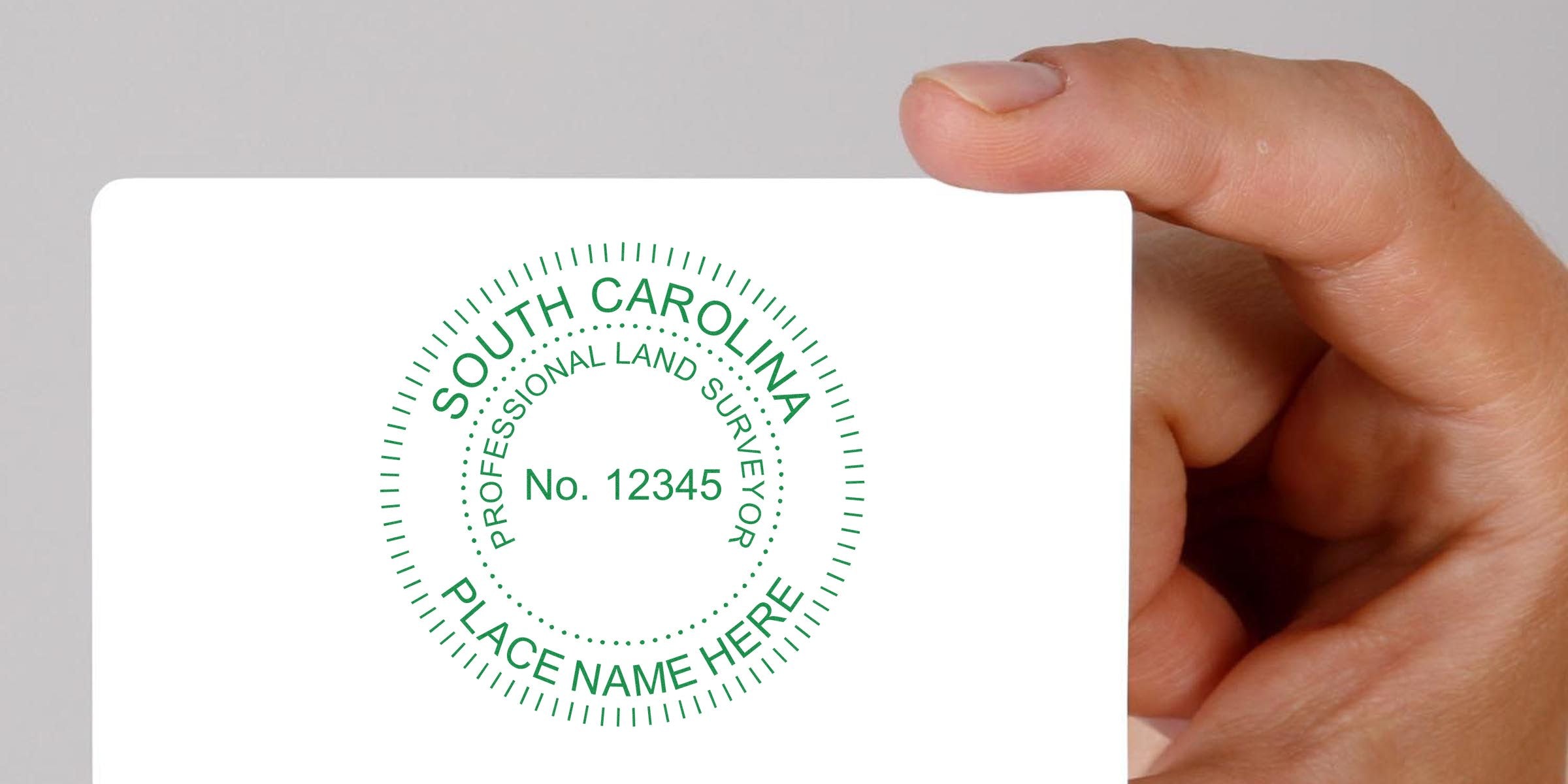
Discover The Significance Of A Land Surveyor Seal
If you’re curious about South Carolina land surveyor seal design, you’re in the right place. The seal on your documents is more than a decorative feature. It validates your professional standing and follows a set of guidelines that protect the public interest. In South Carolina specifically, you’re expected to create or use a seal that meets the standards set by the state’s regulatory board. But how does it all work, and why does it matter to you?
A professional seal tells clients, reviewers, and government offices that the documents in front of them come from a qualified land surveyor. Its design needs to clearly convey your identity and license details while honoring state rules. In short, this seal is your formal stamp of approval that backs up your expertise and authority.
Whether you’re just getting licensed or renewing your credentials, understanding seal requirements will help you confidently submit your surveys and plats. And yes, there’s a fair bit of detail involved, but once you grasp the basics, the entire process feels much more approachable.
Understand Requirements In South Carolina
South Carolina has specific rules about how your seal should look and what information it must contain. To be compliant, you need to:
- Use the right dimensions to ensure it’s clearly visible on official documents.
- Keep the correct wording and any necessary border or emblem elements.
- Include your name, license number, and professional title to confirm authenticity.
Because the South Carolina Board of Professional Engineers and Surveyors is responsible for overseeing these requirements, they issue guidelines that land surveyors must follow. You may want to brush up on the South Carolina land surveyor stamp requirements if you haven't already. Those guidelines outline size, text, and precise wording to align with state law.
How Requirements Differ From Other States
Each state sets unique rules for licensed surveyor seals, so a design that flies in another state could be rejected in South Carolina. For instance, some jurisdictions might allow digital signatures in place of ink ones, or some have stricter fonts or sizes. Staying updated with South Carolina’s regulations means your work avoids costly reprints and potential legal hassles.
Identify Key Components Of A Proper Seal
You might be wondering what actually goes into designing a compliant seal. While styles can vary slightly, you generally have to include:
Your Full Legal Name
License boards require that your name on the seal matches your legal name as it appears on your license documentation.-
Your License Number
The license number is crucial for verifying your authority as a land surveyor. It’s typically placed near your name so there’s no confusion about which license belongs to whom. State Identification
You’ll see “State of South Carolina” or simply “South Carolina” mentioned prominently in an arc or ring. That way, the seal clearly specifies the area of licensure.Professional Title
The seal must say “Registered Land Surveyor” or an equivalent phrase that meets the board’s standards. This step helps clarify your specialty and credentials.
Make sure all text is neatly arranged so any plan examiner, county clerk, or client can read and verify the seal details. Keep a close eye on guidelines about spacing, margins, and line weights. Cluttering the seal or making it too small can diminish readability, raising questions about authenticity.
Avoid Common Mistakes
In your design process, you can run into pitfalls that cost you time and money. Mistakes often happen when you’re juggling multiple projects and trying to finalize your documentation. Here’s a quick rundown of issues people commonly encounter:
- Incorrect License Details: Double-check your name and license number. Even a small error means wasted prints.
- Using Outdated Or Non-Approved Wording: The board stipulates exact wording (like “Professional Land Surveyor” or similar titles). Substitutions can lead to rejections.
- Illegible Style Choices: Tiny fonts, overcrowded lines, or fancy scripts might look stylish but are tough to read. Stick to clarity over fancy design elements.
- Poor Quality Seals: Low-resolution seals, whether inked or digital, won’t stand up to scrutiny. Remember that your seal needs to look crisp on official documents.
By avoiding these oversights, you’re well on the way to a professional seal that meets South Carolina’s guidelines and commands trust from clients and agencies alike.
Choose A Trusted Supplier
Now that you know what to include, your next task is finding someone who can create your seal accurately. You’ll want a supplier experienced with compliance, so they’re not just churning out generic graphics that might fail a board review.
At Acorn Sales, we’ve been producing stamps and seals for over 60 years, and we pride ourselves on delivering top-tier craftsmanship. Because we specialize in professional-grade seals, we understand how critical it is to follow every state’s precise requirements—South Carolina included. Plus, we include a free digital seal with every order so you can insert an electronic version right into PDFs, design mockups, or other documents without fuss.
Why A Reliable Supplier Matters
A reputable supplier is aware of dimension standards, updated board regulations, and best practices that save you from redoing your seal. Remember, you don’t want to discover your lopsided or unreadable seal after you’ve submitted a major survey project. Partnering with experts helps you steer clear of potential headaches:
- Compliance: A specialized supplier confirms that your seal meets the size and text requirements.
- Longevity: Durable, high-quality materials last for years, so you’re not constantly replacing a worn-out stamp.
- Time-Saving: You get your tactile seal and digital files quickly, meaning you can finalize documentation right away.
Steps To Finalize Your Seal
Once you’re sure about the details, it’s time to bring your seal to life. Below is a straightforward approach to ensure your seal is done correctly and on schedule.
Verify Your Credentials
Make sure your license is current. It sounds basic, but an expired license disqualifies you from legally stamping official documents.Gather Required Information
Compile your name, license number, and any other state-required statements. Double-check spelling and spaces.Select Your Preferred Format
Decide if you need an embosser seal (which creates a raised impression), a rubber stamp, or a self-inking stamp. Each brings a distinct look and feel. Most surveyors find an embosser to be more traditional, while self-inking stamps can speed up the process when you have to sign multiple pages.Contact An Approved Supplier
Share your final details with your supplier, specifying “State of South Carolina” and your professional title. At Acorn Sales, for instance, we match your data with official templates that have been perfected over decades.Review Proofs
Your supplier should provide a proof before creating the physical stamp or seal. Check for clarity, correct text, and overall size. If everything looks good, finalize your order.Use Your Seal Properly
Once it arrives, test it on sample documents to confirm it’s leaving a crisp impression. Store it safely, whether it’s an embosser or a pad. Some states also regulate how you keep and use your seal to prevent unauthorized use.
By following each step carefully, you set yourself up for a smooth, compliant, and professional marking experience every single time.
Recap And Next Steps
Starting your journey with a new seal can feel intimidating, but it doesn’t have to be. When you know which details matter—like your name, license number, and proper text layout—you’ll save time and avoid the frustration of failed attempts. From verifying your credentials to working with a trusted supplier, each part of the process aims to give you peace of mind.
If you’re in a rush or unsure about your current seal design for South Carolina land surveyors, check out the South Carolina land surveyor stamp requirements to see if you’re already in compliance or need an update. And if you need a fresh seal, remember that Acorn Sales is here to make the journey easier with decades of industry experience and a free digital seal to streamline your workflow.
Typically, official design changes are rare, but states occasionally update their requirements. Stay in touch with the South Carolina Board of Professional Engineers and Surveyors, or check with your seal supplier to ensure your design remains compliant over time.
Use this information to simplify your seal creation process and feel confident you’re meeting South Carolina’s standards. Whether you’re ordering your first seal or refreshing an older design, proper steps and a trusted partner are key. If you have any more questions, talk with experienced colleagues or reach out to a reliable supplier for extra peace of mind.
Frequently Asked Questions
Do I Need Different Seals For Digital And Printed Documents?
Yes, but a single authorized design can be adapted for both. Physical stamps or embossers create official imprints, while a digital version is used for electronic submissions. At Acorn Sales, we provide a free digital seal that matches your physical seal so everything stays consistent.
Can I Use My Seal Before Receiving My Official License?
Unfortunately, you can’t. You must have your official license in hand before you stamp any drawings or documents. Using a seal prematurely could invalidate your submissions and lead to disciplinary action from the licensing board.
What Happens If My Seal Gets Damaged?
You should replace it right away to maintain clear markings. A worn or damaged seal might produce blurred or incomplete impressions, raising questions about authenticity. Reach out to your supplier or the original manufacturer for a replacement.
Are Electronic Signatures Required Along With The Seal?
In South Carolina, you still need a valid seal, but you might attach an e-signature if the project allows electronic submissions. Regulations can change, so always confirm with the board or a professional association. When in doubt, keep your documentation in both physical and digital formats.








