
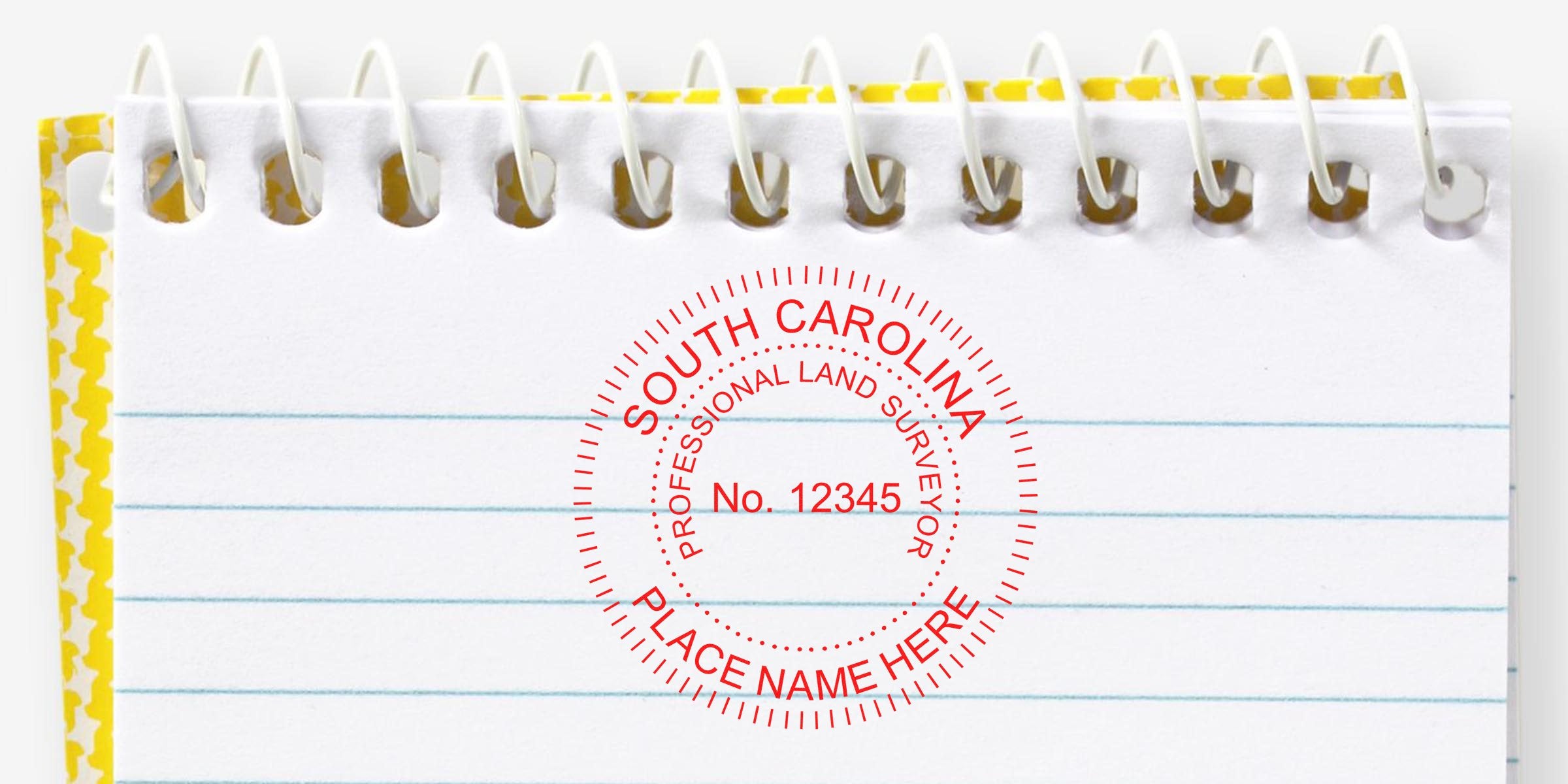
Picture this: you’ve just passed your licensing exam in South Carolina, and now you need to get your official seal or stamp. You might be asking, “What exactly are the south carolina land surveyor seal specifications?” In this post, you’ll learn the basics of the design, dimensions, and key compliance points for your South Carolina Land Surveyor Seal. You’ll also discover how to navigate requirements smoothly and where to find a trusted supplier like Acorn Sales, a company that has been providing stamps and seals for over 60 years (with a free digital seal to boot!).
Understand The Basic Requirements
Before you rush to order your seal, it helps to know why these requirements exist. South Carolina’s Board of Professional Engineers and Surveyors sets guidelines to maintain professional standards, protect the public, and ensure consistent documentation across the state. In other words, your seal isn’t just a decoration. It’s an official mark that verifies your qualifications and the authenticity of your work.
Seals and stamps might seem straightforward, but they do carry legal weight. That’s why the Board demands specific features in every official seal. Taking a few moments to understand these features now can save you headaches (and possibly fees) later.
Meet The Official Dimensions
Next up are the physical measurements. You’ll usually find that South Carolina specifies a circular seal with a diameter of around 1⅝ inches or 2 inches (though it’s always wise to verify the exact size with the Board’s latest guidelines). Why does size matter? Because the seal must be legible, easy to reproduce, and consistent throughout official surveying documents.
- Typical diameter: 1⅝ or 2 inches (circular format)
- Clarity: Must be sharp enough to read any letters and numbers
- Alignment: All text, numbers, and designs should remain clean and centered
If you use a stamp or embossing device that’s too large or too small, it can lead to blurred impressions or incomplete markings. That’s a big no-no when you’re submitting official documents that become part of public record. The bottom line is to aim for a crisp, properly sized seal every time.
Include Essential Design Elements
Ever wonder what needs to appear on your seal? South Carolina typically requires your name, the phrase “Professional Land Surveyor,” your license number, and the state’s name. Some designs also include the state seal or emblem, though the Board sometimes updates requirements, so double-check for the most current guidelines.
Common Details To Include
- Your full legal name for consistency with Board records
- “Professional Land Surveyor” or a similar official title
- Your license number, exactly as issued by the Board
- The state name, “South Carolina,” displayed clearly
Remember to match the style specified by the Board. If they say to use all capital letters or a particular font style, follow it as closely as possible. This consistency keeps your stamp in good standing with any board or agency that reviews your work.
Choose Your Materials Wisely
Now that you’ve got your design and size in mind, how do you pick a stamp or seal that’ll last? Most surveyors opt for:
- Pre-Inked Stamps: Provide crisp impressions and are easy to carry around on job sites. They’re simple to store, but you’ll need to refill the ink periodically.
- Self-Inking Stamps: Contain a built-in ink pad, so you won’t have to bother with a separate ink source. The impression quality remains consistent until the ink pad starts to fade.
- Embossing Seals: Create a raised impression, which adds security because it’s tough to copy or forge. However, these can be harder to read on photocopies or digital scans.
Still not sure which style fits your workflow? Think about how often you’ll use the seal, whether you’ll be in an office or on job sites, and if you prefer raised impressions over stamped ink. The more tailored your choice, the less frustration you’ll face down the road.
Keep Up With Board Guidelines
Regulations can change, and each state might update its rules periodically to keep up with new technology or recommended best practices. If you’re serious about staying compliant, you’ll want to keep an eye on the South Carolina Board of Professional Engineers and Surveyors website for announcements and updates. Also, don’t forget that your stamp has to match your license status—if your license lapses, you shouldn’t use your seal in an official capacity anymore.
Do you also need to consider the difference between stamps and electronic seals? The Board may release details on how to securely use digital signatures and seals in official documents. If you want to learn more about digital or ink stamp specifics, check out south carolina land surveyor stamp requirements. It’s a good resource for diving deeper into the distinctions and ensuring your materials meet current rules.
Work With A Reliable Supplier
Getting a high-quality seal is easier when you partner with a reputable provider. That’s where Acorn Sales steps in. With over 60 years of experience, Acorn Sales has helped countless land surveyors across multiple states find the perfect seal or stamp. Their devices are durable, produce clear impressions, and meet state standards.
Even better, you’ll receive a free digital seal when you order a physical stamp or embossing seal. Why is that handy? Because many agencies now let you file documents electronically, and a digital seal can speed up that process. Rather than scanning a physical impression, you’ll have a precise digital version ready to insert into your plans or reports. Talk about convenience.
Benefits Of Choosing Acorn Sales
- 60+ years of producing professional stamps and seals
- Free digital seal included with every purchase
- Responsive customer service to address your unique questions
- Wide range of customization options to match new or updated rules
If you have any concerns about design or compliance, their support team is just a call or email away. This guidance can save you time you’d otherwise spend searching for official documents or redrafting your seal.
Wrap Up And Next Steps
By now, you’ve got a clearer idea of what goes into South Carolina Land Surveyor Seal Specifications, from diameter and essential design features to material options and Board updates. Choosing a high-quality seal or stamp may seem like a small step, but it’s a cornerstone of your professional practice.
If you’re looking for a trustworthy source, Acorn Sales has a solid reputation for delivering durable products that meet state requirements. You’ll even snag a free digital seal with your order, making it easier to handle electronic submissions and keep up with modern trends.
So, what’s your next move? Take a moment to confirm the latest guidelines from the South Carolina Board of Professional Engineers and Surveyors, decide which type of seal best fits your daily work, and consider partnering with a reputable supplier. Once you’ve got those details nailed down, you’ll be well on your way to sealing your documents confidently and professionally.
Frequently Asked Questions
What happens if my seal wears out?
” Over time, ink pads dry or embossing plates wear down, giving blurry impressions. Most boards, including South Carolina’s, require sharp, legible seals. If yours becomes faded or damaged, it’s best to replace it as soon as possible.
Can I use a digital seal for all my documents?
” It depends on each project’s requirements and the Board’s current regulations. More agencies are accepting digital seals, but confirm with the Board or relevant department to ensure you’re meeting official criteria.
Is there a difference between a seal and a stamp?
” In general, a “seal” can refer to the official design elements themselves, while a “stamp” often refers to the physical device that creates the impression. However, many professionals use these terms interchangeably. The key is that both must follow state guidelines.
Where should I place my seal on the document?
” Typically, you’ll place your seal near your signature block or license number. Check any state or municipal guidelines for exact specs. Make sure your seal is fully visible, so it’s easy for reviewing officials to verify authenticity.
Do I need to keep a log of my seal usage?
” While not always mandatory, maintaining a record of which documents you’ve sealed can protect both you and your clients. In the event of a dispute, you’ll have a clear record showing how and when the seal was used.








