
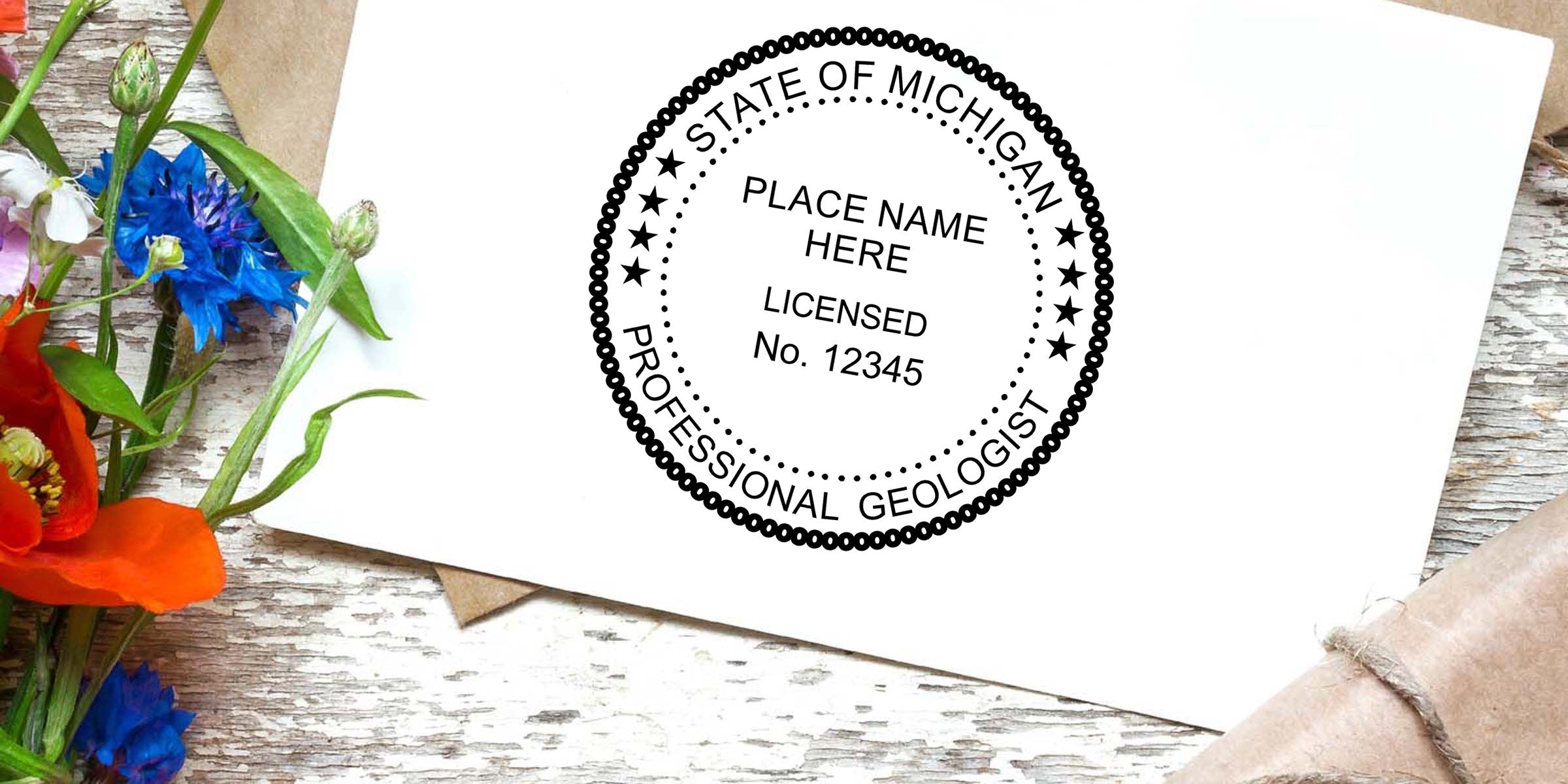
Have you ever wondered if you’re crossing all the T’s (and stamping all the paperwork) for your geology practice in Canada? If so, the Canada geologist stamp likely sits at the top of your must-have list. It’s more than a piece of rubber or metal—it represents a commitment to professionalism and compliance with provincial guidelines. When you use the stamp confidently, you underscore your standing as a qualified geologist.
Below, we’ll explore what the Canada geologist stamp is, why it’s required, and how you can get one. You’ll also discover some pointers for caring for your stamp, plus a glimpse into how Acorn Sales, a trusted supplier since 1964, can make your journey a whole lot easier. Let’s get started.
Understand The Basics
A Canada geologist stamp belongs to the essential toolkit of any geoscience professional working within Canadian provinces. Each province may have its own specific guidelines, but generally, the stamp or seal is your formal “signature.” It indicates that your reports, maps, and analyses meet recognized geological standards and were produced by a licensed expert.
To maintain high professional standards, regulatory councils across the country expect properly authenticated documents. If your client, employer, or a provincial authority needs proof of your qualifications, your official mark helps them know you’re truly certified.
How The Stamp Differs From A Seal
You might see the term “stamp” and “seal” used interchangeably, but they can have slightly different meanings:
- A stamp often uses ink for marking documents.
- A seal might emboss or create a raised impression.
- Some regulatory boards allow either format, while others specify one over the other.
If you’re seeing mention of a Canada geologist seal, that’s just one variant of the overall approach to marking your work. Both stamps and seals serve the same core purpose: verifying authenticity.
Recognize The Legalities
Different provinces have unique regulations on the use of geologist stamps. You’ll want to check with your local authority—some require you to mark every page of a report, while others only expect your official imprint on the cover. If you’re scouting details in publications or official websites, skim them carefully. Small differences can affect how and when you apply your stamp.
If your field reports end up in legal or governmental archives, the official stamp proves these documents come from a legitimate, registered geologist. You’re not just creating paperwork, you’re creating a lasting record that has weight in courts, industry, and academic circles.
Penalties For Non-Compliance
If you choose to work without a valid stamp, you could face:
- Fines or disciplinary action from your professional association.
- Delays in project approvals.
- Potential legal issues, especially if your work is rejected by regulatory bodies.
In short, skipping the Canada geologist stamp or ignoring its use isn’t worth the risk. It’s far safer to stay in line with the guidelines from day one.
Acquire Your Official Stamp
You can’t just walk into any store and pick up a geologist stamp off the shelf. Here’s the usual route:
- Confirm your membership: Make sure your local professional association or provincial body has stamped (pun intended) its approval on your membership or license.
- Gather your specs: Different provinces may have standardized templates, including diameter specifications, text requirements, and official logos.
- Choose an approved vendor: Stick to recognized suppliers who know the rules. This helps you avoid typos, visual errors, or poor-quality materials.
Searching For Quality And Value
When scouting a vendor, keep an eye on both authenticity and cost. An official stamp is an investment, but you don’t want to pay over the odds. It’s helpful to compare a few sources, factoring in:
- Delivery times.
- Product quality (ink type, durability, clarity).
- Vendor reputation.
For instance, if you’re curious about the financial side, you could look at a geologist stamp value reference to see what people typically pay or how a top-tier stamp might hold up over time.
Master The Components
A typical Canada geologist stamp generally includes:
| Component | Details |
|---|---|
| Name | Your full legal name. |
| License/Registration | The number issued by your regulatory body. |
| Province or Association Name | The official abbreviation or full name. |
Some stamps feature a circular design; others might be rectangular. Either way, your name and registration details must remain crystal clear so that anyone reading your documents can quickly confirm your credentials.
Maintaining Visibility And Clarity
Every time you apply your stamp, make sure the impression is legible. If the inked image smudges or the embossment looks faint, your professional details might be hard to read. A blurred or incomplete seal can cause confusion and might prompt extra verification steps. Keep your stamping surface flat and clean to avoid any problems.
Protect Your Stamp
Let’s be honest: your Canada geologist stamp isn’t just a casual accessory. It holds a lot of power, so you’ll want to keep it safe. You might consider:
- A dedicated storage container, preventing ink from drying and dust accumulation.
- A locked drawer or cabinet, ensuring that nobody else can use it without your permission.
- Regular cleaning, based on manufacturer instructions.
If you store it haphazardly, you risk damaging the stamp or misplacing it. That damage could lead to unclear impressions, making your life—and your work—harder than it needs to be.
Digital Or Electronic Seals
In an increasingly remote work environment, digital stamps are becoming more common. However, not all provinces recognize electronic versions for official documents. Some do, some don’t. If you’re curious about this option, always check the rules first. In many cases, you might need the physical stamp anyway, but an electronic seal offers convenience when emailing or uploading documents.
Explore Collector And Hobby Options
This might sound surprising, but geologist stamps and seals can also be collector’s items. Some professionals enjoy exploring older or rare stamps, especially ones that feature unique historical designs. If you’re curious about collecting, peek into a geologist stamp catalogue or browse resources on geologist stamp collectors. You’ll find plenty of enthusiasts willing to chat about the significance and backstory of different designs.
You might also be interested in a geologist stamp collection canada or limited-edition runs. Stamps that celebrate geological milestones or commemorate special events pop up occasionally, appealing to both practicing geologists and history buffs. Whether you’re purely collecting for fun or see it as an investment, it’s a neat hobby that ties directly to your profession.
Seals As Collectibles Too
Just like stamps, geologist seals enjoy a place in collector circles. You’ll come across discussions about geologist seal collectibles along with a bustling geologist seal marketplace where fans trade older impressions or unique designs. While you may not intend to become a collector, it’s cool to see how the community celebrates these professional tools.
Work With Acorn Sales
If you’re hunting for a reliable supplier, Acorn Sales has been a go-to resource for Canada geologist stamps since 1964. Over the decades, we’ve built a reputation for quality products that meet strict regulatory guidelines. Our team will clarify everything you need for compliance, from design specifics to final delivery. We can also pair your physical stamp with a free electronic seal upon request, letting you tackle both traditional and digital needs.
Why Experience Matters
You could, theoretically, order a stamp from an unknown source. But imagine the frustration if the details were printed incorrectly or if the quality fell short. With Acorn Sales, you get:
- Accurate design: We follow provincial rules to ensure the correct name, license number, and layout.
- Solid construction: Each stamp is made to withstand repeated use without blurring.
- Ongoing support: If you have any questions about usage, we’re here to help.
Because we’ve been at this for so long, we’ve seen it all. From brand-new geologists just starting out to seasoned pros, we know how to tailor solutions that fit you perfectly.
Review Cost Factors
Each province’s professional board might have varying guidelines, but there are a few standard charges to keep in mind when you decide on your official geologist stamp:
- Initial purchase of the stamp.
- Any shipping fees.
- Possible surcharge for customized text or special designs.
If you’re comparing with other providers, you might notice differences in a geologist seal price. Sometimes, you’ll find cheaper options that skimp on quality, leading to messy impressions. Trying to save a few dollars up front could cost you in reprints or wasted time down the line. Instead, weigh how durability and compliance factor into what you pay.
Possible Upgrades
You can often tailor your stamp with swivel handles or advanced ink pads that provide sharper images. Some folks prefer self-inking options so they don’t have to worry about separate ink pads. If you operate off-site frequently, that convenience could be a lifesaver.
Consider Future Updates
Licensing bodies sometimes alter their requirements or update their logo designs. Keep your ears open for announcements from your provincial association. If you need an updated design, plan to have your stamp revised accordingly. It might be as simple as swapping the association’s new logo, or you may need a brand-new stamp if your license category changes.
Renewing Your Membership
While your stamp is a crucial tool, it’s only valid if your provincial geology license is up to date. Renew your membership on time and ensure your contact details remain current with your association. If your membership lapses, your stamp may no longer be valid, so try to avoid any administrative hiccups.
Make The Most Of Your Stamp
Beyond official documents, your stamp can come in handy for:
- Field notes or interim reports.
- Presentations for academic or community outreach programs.
- Geological maps that you distribute to clients or project stakeholders.
It’s also a great way to add a personal touch. People often trust a handwritten note or remark far more when they see a professional stamp right next to your signature. It’s tangible evidence that says, “Yes, I really am the person behind this data.”
Sharing Best Practices
When you encounter newly licensed geologists, you can share tips on how to properly use and care for a stamp. Simple guidance—like remembering to store your stamp in a dry place or applying it on a firm surface—goes a long way. By setting a good example, you strengthen the profession’s overall credibility.
Key Takeaways
- A Canada geologist stamp signals your professional credibility and meets regulatory requirements.
- Requirements vary by province, so confirm details with your local board.
- High-quality materials ensure a clear impression that stands up to repeated use.
- Acorn Sales, in business since 1964, provides trusted stamps (and a free electronic seal) tailored to your needs.
- Keep your stamp—and your license—up to date for valid and hassle-free document authentication.
Feel free to bookmark this reference and share it with colleagues. It’s better to get the nuance right from the start than to scramble for a fix later.
Consider your next steps. If you’re ready to move forward with your own Canada geologist stamp, or if you have more questions about sizing, design, or shipping, Acorn Sales can help. We’ll make sure you have the right tool at your fingertips, so your professional documents shine. Happy stamping!
Frequently Asked Questions
Why do I need the Canada geologist stamp if I already have a license?
Your license confirms you’re registered, but the stamp is the tangible proof on your documents. Most provinces require stamped or sealed paperwork to validate your role in producing the data.
How often should I replace my stamp?
Properly maintained, a high-quality stamp can last for years. If you notice fading, smudging, or changes in the official design, it may be time for a replacement.
Can I share my stamp with colleagues?
No. Your stamp is tied to your individual license and name. Sharing it could open the door to legal liabilities or regulatory violations.
Is an electronic seal enough?
Some provinces allow digital seals, but others don’t. Even if your local board accepts electronic versions, it’s good practice to keep a physical stamp on hand for official or archival documents.








