
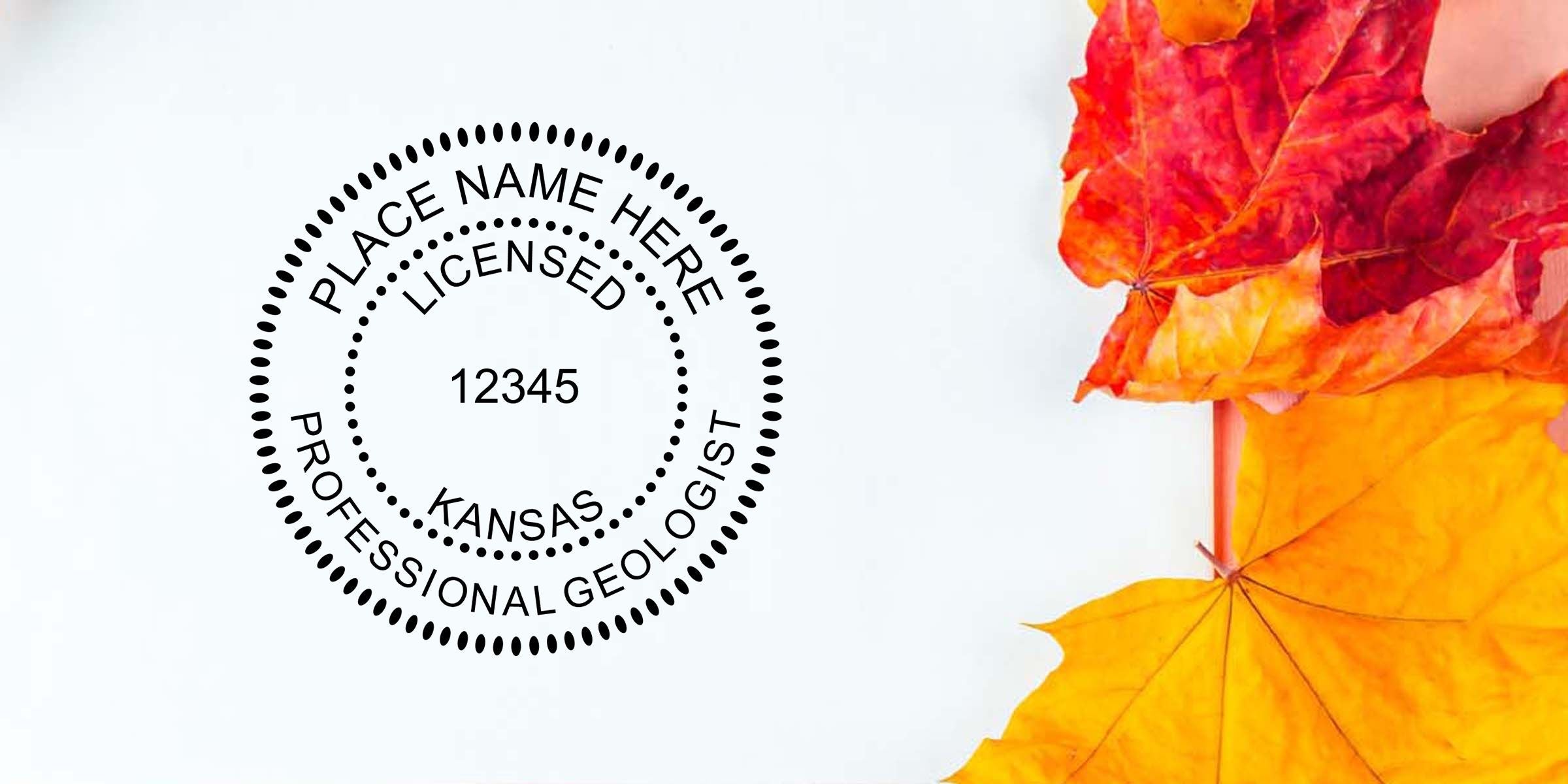
Navigating the requirements for a Canada Geologist Seal can feel overwhelming at first, but you’re definitely not alone. If you’re aiming to practice geology professionally in Canada, you need a clear grasp of the regulatory criteria for stamps and seals. The good news is that once you understand the rules, the process gets a lot simpler. In this post, you’ll find everything you need to know about obtaining and using your seal, all while staying on good terms with provincial regulators. Let’s dive in.
Understand Canada’s Geologist Seal Requirements
Before you start stamping documents, it helps to get a handle on exactly why this seal is required. At its core, a geologist’s seal confirms that you have met the legal prerequisites to practice geology in a specific Canadian province. It’s not just a formality. This seal ensures that your professional opinion, official reports, and plans come from a qualified, credentialed geologist.
Because geology can impact public safety (think environmental assessments, mining operations, and soil stability), Canadian regulators take the use of this seal seriously. Placing the seal on documents implies that you stand behind your findings and that you’re legally recognized as a geologist under established standards. Essentially, it’s your professional signature to show that you’ve done your due diligence.
Key Points About Seal Requirements
- You must be registered with the appropriate provincial association before using your seal.
- Each province might have unique guidelines, but they generally demand that you maintain professional education and abide by their code of ethics.
- The seal can be physical, digital, or both, depending on where you practice.
By understanding these basics, you’ll be better prepared to tackle the practical steps of obtaining your official seal.
Recognize the Role of Provincial Regulators
Canada’s professional geology landscape isn’t one-size-fits-all. Each province oversees its own licensing system, and the requirements and procedures can vary. However, the goal remains the same: to ensure that only qualified geologists are providing services to the public.
Working With Provincial Associations
- Check local rules: Before applying for a seal, review the specific regulations in your province. This can save you from making repeated applications or missing paperwork.
- Complete your board exams: These may include both theoretical knowledge and ethics components.
- Pay attention to renewals: If you move between provinces or your license expires, you might need a new stamp or updated paperwork.
While the overall principles remain consistent from coast to coast, each regulatory body has its own nuances. Simply put, a geologist recognized in one Canadian province must still verify their credentials if they move or start working in another. Paying attention to these details helps you stay legit everywhere you put down roots.
Pick the Right Tools for the Job
Once you’ve cleared the provincial requirements, the next step is to secure your actual seal, which typically comes in two main forms: a rubber stamp and an embossing seal. Some geologists choose both, depending on the documents they work with. In many cases, you might even opt for a digital seal to expedite your workflow—particularly handy if you file online reports.
Physical vs. Electronic Seals
- Physical seals: These are the classic stamps you press onto a document. For many provinces, an embossed seal is considered the gold standard because it leaves an impression that’s hard to replicate.
- Digital seals: Some associations allow an electronic seal that looks like a scanned image or can be applied through secure software. A digital version makes it easier to share official documents via email without sacrificing authenticity.
If you’re trying to figure out how a stamp differs from a seal, you might also want to check our post on the canada geologist stamp. It explains how each tool functions and why some professionals prefer one style over another.
How to Get Your Canada Geologist Seal
Although the exact process varies by province, you’ll usually follow a similar pattern. This looks something like:
-
Complete Licensing Requirements
You’ll need to confirm you’ve passed any required geology exams and ethics tests. Once your provincial association recognizes you as a licensed geologist, you get the green light to request a seal. -
Request the Seal Through Your Association
Some regulators will issue a seal directly, while others might refer you to external suppliers. Make sure you submit all the forms accurately. The slightest mistake can prolong the process, so double-check your spelling, your license details, and any supporting documents. -
Choose a Trusted Supplier
If your province lets you source your own seal, look for a supplier who knows the ropes of professional seals. That’s where Acorn Sales comes in. We’ve been in this business since 1964, so we understand the nuances of Canadian geology regulations. -
Ask About Free Electronic Seals
Many geologists like to keep all their bases covered. A physical seal is essential for some official documents, but an electronic seal can be equally important for digital submissions. Acorn Sales provides a free electronic seal option, so you can stamp physical documents and digital files without extra hassle. -
Validate Your Seal
After you receive your seal, confirm it meets the guidelines laid out by your provincial regulatory body. Some associations want to see a proof copy. Others might request an official letter from your chosen supplier. Think of this as the final checkpoint.
Once you’ve finalized these steps, you’ll hold the power to mark your professional documents with confidence and authority.
Use the Seal Properly
Getting your seal is only half the battle. Knowing when and how to stamp your documents is just as important. If you’re new to professional geology, you might wonder if it’s necessary to place the seal on every single page. Most often, it’s required on the final or cover page of your report. However, certain provinces or types of documents may call for extra pages to be sealed, so always check your local association’s guidelines.
Balancing Compliance With Efficiency
- Documentation must be clear: Make sure your name and license number are legible near or on the seal impression.
- Maintain records: Keep a record of documents you’ve sealed, especially if you use a digital version. This helps you track your professional statements in case of any future review or dispute.
- Know your liability: When you seal a document, you take professional responsibility for its contents. If you’re unsure about something, consult a mentor or legal advisor before applying your stamp.
Staying diligent about how you use your seal protects both you and the public. Proper use ensures that readers, companies, and government agencies can trust the reliability of the data or recommendations you put forward.
Where Acorn Sales Fits In
You might be asking yourself why you should pick a particular supplier for your seal. After all, a rubber stamp is a rubber stamp, right? Actually, there’s more to it than that. Acorn Sales has specialized in professional stamps and seals since 1964. We’re proud to be a trusted partner for geologists across Canada because we understand the precise specifications regulatory bodies expect.
Free Electronic Seal Perks
We know that physical seals and stamps are crucial, but having a free electronic seal on hand makes life easier when you’re in a pinch. If you’re submitting an environmental assessment or an exploration plan online, adding your digital seal ensures the authenticity of your report without fumbling through extra steps.
Reliable Service Since 1964
There’s a reason we’ve been around for so many decades. We take time to guide you through every stage, from choosing the right seal to verifying that it meets provincial standards. We’ve seen a wide range of unique requests, updated regulations, and emerging digital tools. That experience makes the process smoother and less nerve-wracking for you.
In short, we’re here to make your journey into using a Canada Geologist Seal as straightforward as possible. Whether you’re grabbing a classic embossing seal, a modern digital stamp, or both, you can lean on our decades of expertise.
Final Thoughts
Navigating the rules for a Canada Geologist Seal may seem complicated at first, but it doesn’t have to stay that way. By understanding your provincial association’s guidelines, selecting the right supplier, and using the seal responsibly, you set yourself up as a dependable professional. And with Acorn Sales on your side, you’ll have the expertise and tools you need without the headache of guesswork.
Feel free to explore our range of seals, including the canada geologist stamp, or reach out directly if you have any further questions. Keep learning, keep exploring, and keep sealing your documents with confidence. After all, geology is about discovering what lies beneath the surface—and your seal is what helps share those findings with the world. Happy Geologizing!
Frequently Asked Questions
Do I Need a Seal for Every Province if I Practice Nationally?
Technically, yes. Each province has its own regulatory body overseeing geology. If you plan to offer services nationally, you’ll need to meet each province’s membership and seal requirements. While there is some overlap, you usually have to confirm eligibility before using your seal in multiple regions.
How Often Do I Need to Renew My Geologist Seal?
There’s no single answer that works for every location. Your seal stays valid as long as your provincial association membership is current. Renewals can be annual or every few years. Keep track of your license renewal schedule—if your membership lapses, your seal becomes invalid until you renew your credentials.
Can I Use an Electronic Seal Instead of a Physical One?
Many provinces do allow a digital option, especially for official reports carried out online. However, some documents still require a physical, embossed impression. If you’re unsure, check with your regulatory association. In any case, it’s practical to have both, just so you’re covered in all scenarios.
Where Can I Get a Trusted Canada Geologist Seal?
You can turn to your provincial association’s recommendations or seek a reputable supplier like Acorn Sales. We’ve been serving Canadian professionals since 1964 and also offer a free electronic seal for added convenience. It’s all about minimizing hurdles so you can focus on the work that really matters—your geology projects.








