
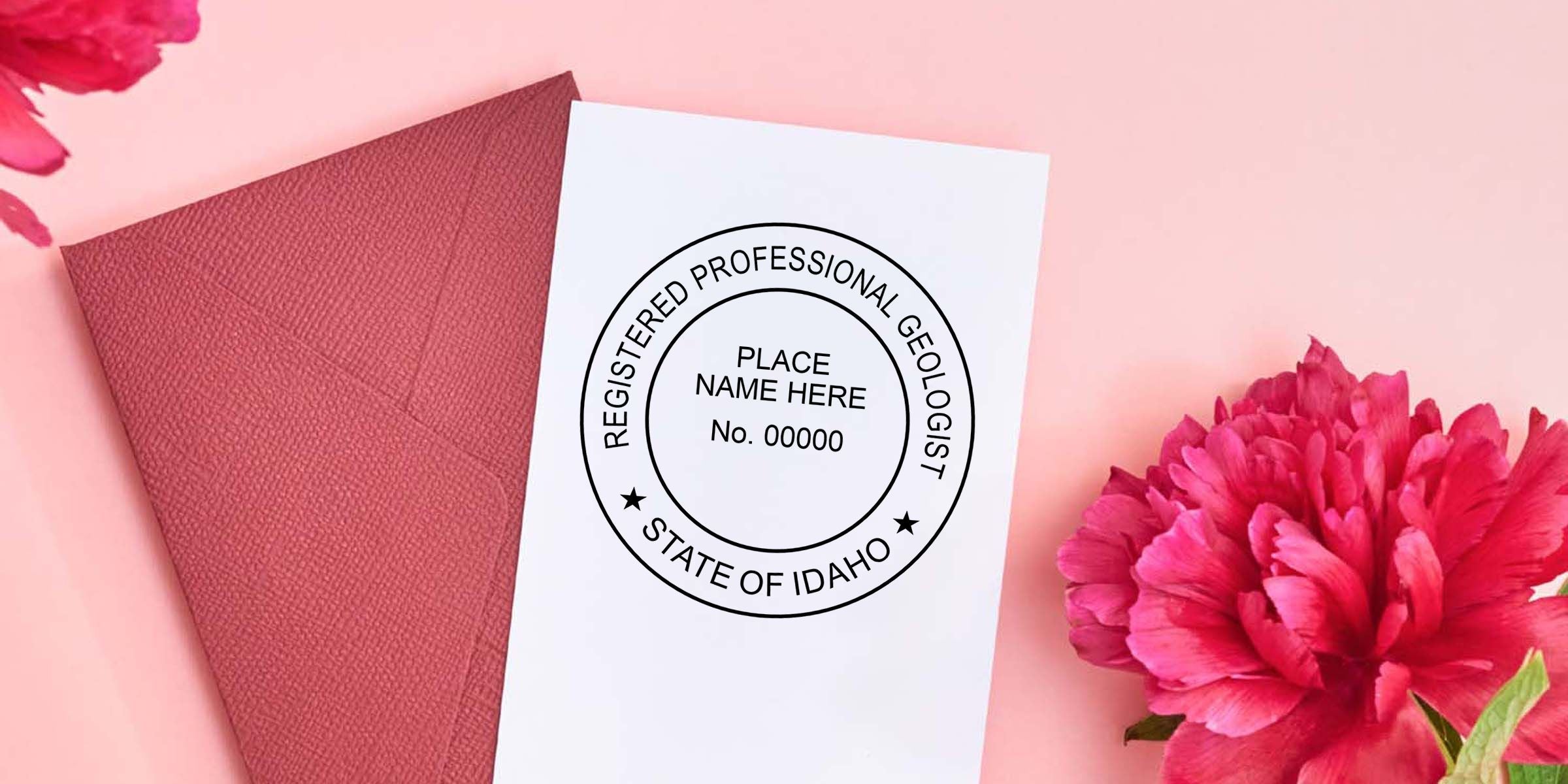
If you’re browsing the geologist seal marketplace in Canada, you might feel a little overwhelmed by all the options and rules. After all, your seal isn’t just another office supply; it’s a key part of your professional toolkit. You want quality, durability, and value rolled into one neat package. But with so many seals, stamps, and requirements floating around, where do you start?
Below, we’ll dive into the essentials of picking the right geologist seal, what it takes to stay compliant in Canada, and why a trusted provider like Acorn Sales can make all the difference. By the end, you’ll know precisely what to look for and how to get the best deal on a product that supports your professional standing. Let’s get started.
Understand The Basics
Before you click “buy,” it helps to understand exactly what a professional geologist seal does and why you need one. In Canada, certain provinces expect practicing geologists to authenticate official documents with a seal or stamp. This is more than just a formality. It’s a sign you meet provincial registration standards, ensuring you’re qualified to oversee geological reports, surveys, and other technical documents.
The Role Of A Geologist Seal
Your seal signifies that you’ve met the competency criteria for your field. In many cases, you’ll apply that seal to final drawings, maps, or official documents related to geological work. The seal’s appearance—complete with your name and registration details—verifies the authenticity and accuracy of your contributions.
- Confirms your professional status.
- Ensures accountability and compliance with provincial regulations.
- Marks documents as approved by a licensed geologist.
If someone sees your seal on a report, it reassures them of your expertise. This credibility makes the seal a central piece of your professional puzzle. It’s not just an inked impression but a reflection of your hard-earned credentials.
Recognize Key Requirements
Each Canadian province has its own regulations for professional geologists. You might need a physical seal, a digital one, or both for official document submissions. Making sure you have the right style, wording, and format isn’t just a best practice—it’s mandatory in certain jurisdictions.
Professional Geologist Registration
As you already know (or might soon learn), you can’t just print any seal and call it official. You need to be registered through your provincial association. This usually involves verifying your educational background, work experience, and sometimes passing a professional practice exam. Once registered:
- You’ll receive a unique registration number.
- You become eligible to purchase and use a geologist seal or stamp.
- You accept the responsibility of adhering to your region’s code of ethics.
Staying in good standing with your provincial body is crucial. If your registration lapses or you’re under disciplinary review, you may lose the privilege of sealing documents until reinstated.
Stamps Vs. Seals
If you’re new to the process, you might wonder whether you need a stamp or an embosser-based seal. The short answer is: it depends on your province and personal preference. An embosser creates a raised impression on paper. A rubber stamp typically uses an inked surface to leave a clear mark.
-
Embossers:
-
Work well for official documents that need a raised impression.
-
Often regarded as more traditional.
-
Must be pressed firmly and can be tricky on thick paper.
-
Rubber Stamps:
-
Provide a crisp inked imprint.
-
Are usually easier to work with for multiple documents.
-
May require re-inking during heavy use.
The best choice often comes down to compliance (some provinces specify one method over another) and personal style. If you frequently need to mail documents, ensuring a secure seal is crucial to keep your paperwork looking professional.
Compare Available Options
The good news is that the geologist seal marketplace has branched out in recent years. You can choose from traditional hand-press embossers, self-inking stamps, and even dedicated digital seals. But what sets one apart from another?
Stamp And Seal Types
When you begin shopping, you’ll see phrases like “self-inking,” “pre-inked,” “pocket embosser,” and “desktop embosser.” Here’s a quick rundown to help you differentiate:
-
Self-Inking Stamps
- Have an internal ink pad.
- Produce consistent imprints until the pad runs out.
- Ideal for moderate stamping needs.
-
Pre-Inked Stamps
- Contain ink within the stamp’s body.
- Deliver especially sharp, detailed imprints.
- Last for thousands of impressions and are often more expensive.
-
Pocket Embossers
- Compact and easy to carry.
- Suitable if you travel frequently for fieldwork.
- May have a smaller handle, which can be less ergonomic.
-
Desktop Embossers
- Larger and sturdier.
- Provide extra leverage and crisp impressions.
- Great for an office setting or high-volume usage.
Material Quality Matters
Have you ever ended up with a flimsy stapler that gave out on day two? The concept is similar with stamps and seals. You want something that will stand up to repeated use. Metal components, durable rubber plates, and ergonomic handles all matter:
- Check for stainless steel or sturdy aluminum frames on embossers.
- Consider a stamp that uses quality polymer or laser-engraved rubber plates.
- Look at the manufacturer’s warranty to gauge their confidence in the product’s lifespan.
An upfront investment in a long-lasting seal pays off. You won’t have to buy replacements or worry about subpar impressions. Plus, consistent, crisp seals reflect well on your professional image.
Explore The Best Value
Value is about more than just a price tag. Yes, cost is important, but reliability, longevity, and additional perks can make a seemingly more expensive option the wiser choice. Think about the full experience, from the ease of ordering to the final impression on your documents.
Navigating The Geologist Seal Marketplace
If you type “geologist seal” into a search engine, you’ll see pages of results. However, not every supplier fully understands Canada’s geological requirements. It’s worth spending a few extra minutes verifying that you’re ordering from a company that aligns with Canadian regulations.
- Do they reference provincial standards on their site?
- Can they answer questions about registration numbers and official wording?
- Are there clear instructions on how to submit your professional details?
Once you find a reputable source that ticks these boxes, you’ll likely benefit from smoother ordering, faster turnaround, and guidance on best practices. It’s more than buying a stamp—it’s building a relationship with a reliable partner for your professional career.
Why Choose Acorn Sales
Here’s a name many Canadian geologists have come to trust: Acorn Sales. They’ve been in business since 1964, which means they’ve seen a thing or two about professional stamps and seals. Over the decades, they’ve refined their design and production processes to ensure high-quality impressions and practicality.
- More than 59 years of experience and counting.
- Offers a wide range of embossers and stamps specifically tailored to your needs.
- Provides a Free Electronic Seal option, handy if you ever need digital documentation.
Acorn Sales understands your province’s guidelines, ensuring you get a product that meets regulatory requirements. Whether you prefer a heavy-duty desktop embosser or an easy-travel pocket style, they can help you find the perfect match. Plus, their customer service is known to be responsive and ready to assist when you have a question about sizing or format.
Obtain Your Stamp Or Seal
Once you’ve decided on a product, the actual buying process is usually quick. But a little preparation goes a long way in ensuring you receive your seal without hiccups.
Check Provincial Guidelines
Start by looking up your provincial association’s specific rules. Ensure you know exactly how your name, license number, and association acronym should appear on your seal. Subtle differences in abbreviations or design can matter. So, gather:
- Your full name as registered.
- Your unique license or registration number.
- Any official wording required by your province (e.g., “Professional Geoscientist”).
With these details in hand, you’ll speed up the ordering process and reduce the likelihood of errors.
Provide Accurate Information
Triple-check the spelling and numbers you submit. If you’re ordering online, it’s easy to type a digit incorrectly, and you might not realize it until your seal arrives. An error in your seal is more than an inconvenience; it could invalidate the documents you sign off on.
- Ensure your first, middle, and last names match your official registration.
- If you have a credential suffix (like P.Geo.), confirm how it’s supposed to be formatted.
- Keep track of any special spacing or punctuation your province requires.
Finalizing The Purchase
Before you click “submit,” compare a proof of your seal’s design to your official paperwork. Does the layout match exactly? Are you comfortable with how it looks? If you need to make minor tweaks, now is the time.
- Confirm shipping addresses and timelines, especially if you have a looming deadline.
- Ask about tracking or expedited delivery if you’re in a rush.
- Inquire about any special promotions, like bundled pricing if you’re ordering multiple stamps.
If you’re also in the market for a Canada Geologist Stamp, consider batching your order with your seal to save on shipping and possibly snag a discount.
Maximize Your Purchase
Buying a geologist seal or stamp is just one step. You’ll also want strategies to keep it functioning smoothly over time. A well-maintained seal not only saves you money in the long run but also helps keep your documents looking professional.
Keep Your Embosser And Stamp In Good Shape
- Store in a dry area. Excess humidity can warp rubber or rust metal parts.
- Clean the impression area regularly, especially if you’re working in dusty conditions.
- Re-ink or replace ink pads the moment you notice faint impressions.
If you went for a digital seal, keep your electronic file in a secure folder and possibly back it up in cloud storage. That way, you won’t lose access if your computer fails or an external drive malfunctions.
Use Your Free Electronic Seal
If you order from Acorn Sales, you’ll be able to take advantage of their Free Electronic Seal service. This is a digital version that you can place on PDFs or other electronic documents. It’s a major time-saver when you’re submitting proposals via email or uploading reports to an online portal.
- Speeds up your workflow.
- Reduces printing and mailing costs.
- Adds a secure, professional touch to digital files.
Make sure you confirm any security features or password protections required by your provincial association. While digital seals are widely accepted, some organizations may need a specific format or encryption level.
Keep Track Of Changing Requirements
Geology, like any field, evolves. Regulatory bodies may update their standards or adopt new technologies that impact how you seal documents. Stay proactive by reading association newsletters or attending professional webinars. If a change occurs:
- Give your seal provider a heads-up.
- Ask if your existing stamp can be modified or if you need to order an updated design.
- Request a new digital seal if details like your registration number have changed.
Staying ahead of these shifts makes your life easier and demonstrates your professionalism to clients, colleagues, and regulatory boards.
Contact your provincial association and your seal provider as soon as possible. Losing your seal may risk its misuse or fraudulent application. Your association might require you to file a formal report. You’ll likely need to order a replacement and possibly update your registration details to prevent unauthorized use of your old seal.
You’re now well-prepared to navigate the ins and outs of purchasing and using a professional geologist seal. By verifying guidelines, picking a high-quality product, and partnering with a vetted provider like Acorn Sales, you’ll experience a smoother purchase and enjoy consistent, professional-looking results for each document you sign off on. Good luck, and here’s to building a thriving geological practice, one properly sealed file at a time.
Frequently Asked Questions
Do I Need A Physical Seal Or A Stamp?
That depends on your provincial requirements. Some prefer embossed seals, while others accept inked stamps. In many cases, either is fine as long as your registration details are accurate. Check your provincial guidelines first, then pick the style that feels natural for your workflow.
How Long Does It Take To Get A Geologist Seal?
Most providers can produce your seal in a few business days, but it may vary based on current demand and customization needs. If you need it urgently, you might pay extra for rush processing or expedited shipping. Be sure to confirm delivery times before you order if you’re working under tight deadlines.
Are Electronic Seals Accepted In Canada?
Yes, many associations and organizations do accept digital (electronic) seals, especially for documents submitted online. However, each province has its own policies. You’ll want to confirm with your local professional association to ensure your digital seal meets any encryption or security standards.








