
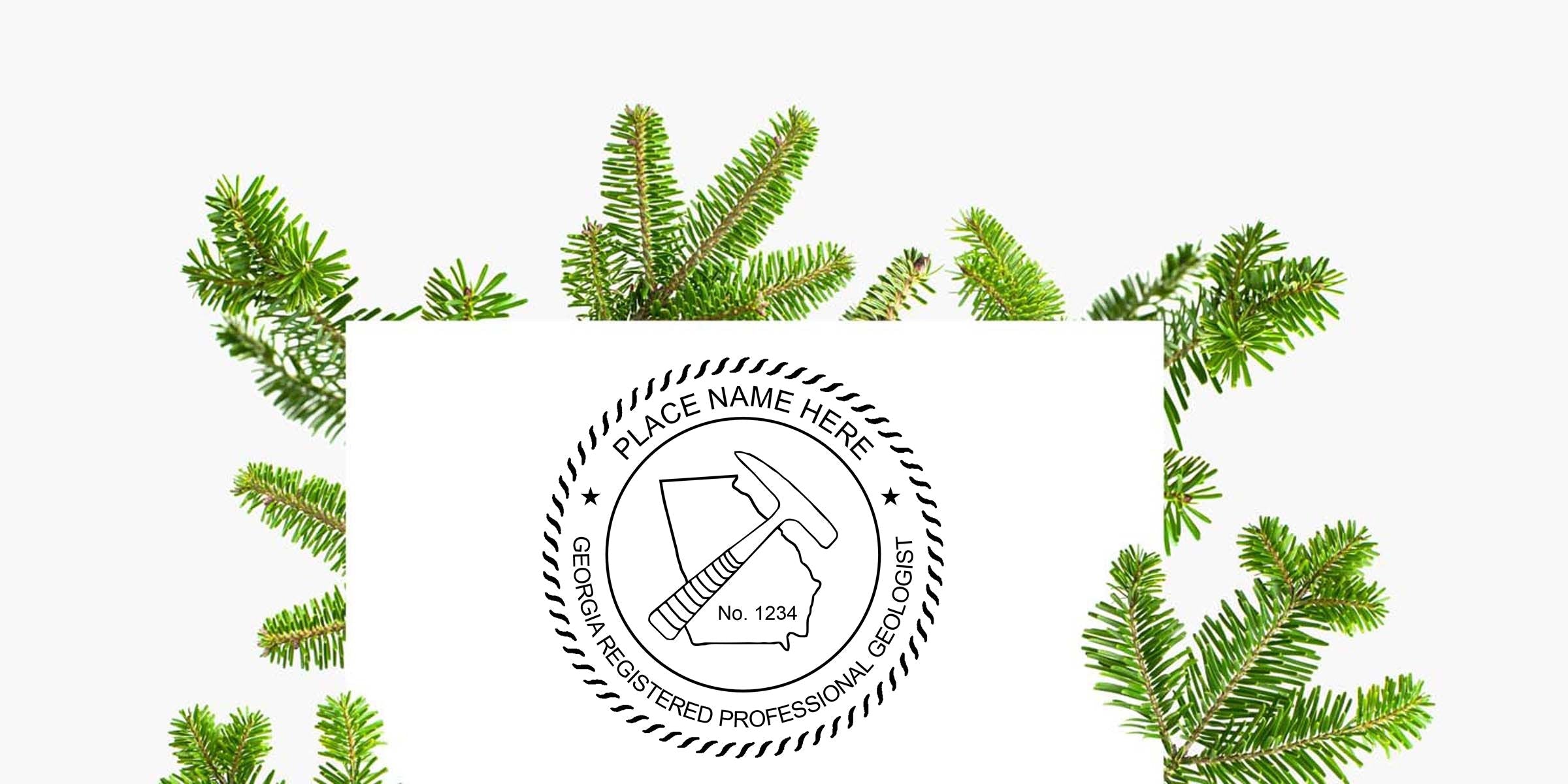
In today’s world of professional credentials, you might hear about geologist seal collectibles and wonder why they matter. You’re not alone if you’re thinking, “Wait, geologist seals are collectibles?” Surprisingly, they’re not just functional tools for professional stamping. They can also become fascinating keepsakes that reflect important milestones in a geologist’s career. If you’ve ever thought about diving into this niche or simply need the actual seal for official use, you’re in the right place.
Below, we’ll explore what these collectibles mean in Canada, how they work, and how you can select the best stamp or seal to meet your needs. We’ll also discuss care, storage, and where to find reliable suppliers. By the end, you’ll have a clear idea of how to get started with your geologist seal collection while meeting Canadian rules and requirements.
Discover The Role Of Geologist Seals
Geologist seals have both symbolic and practical roles. On one hand, they demonstrate a geologist’s professional status, especially in places like Canada where regulations are taken seriously. On the other hand, these seals can become memorabilia reflecting personal achievements, milestone projects, or years of service in the field.
Why Collect Them?
You might wonder why anyone would focus on collecting geologist seals if the primary purpose is licensing. Here are a few reasons:
- They can represent your evolving career. Each time you earn a new certification or move to a new region in Canada, you might need a different seal version.
- They’re a tangible reminder of your hard work and expertise, especially if you’re passionate about geology or professional accreditation.
- Many collectors enjoy displaying unique seals in an office or study. It can spark fun conversations about geology and the significance of professional stamps.
The Value Of Authentic Seals
Authentic geologist seal collectibles aren’t just decorative. They validate your professional credentials and ensure that your documents and drawings have an official mark of integrity. In Canada, a proper seal can show clients, employers, and regulatory bodies that you meet the necessary standards. That’s a major reason to keep your stamp or seal thoroughly maintained and up to date.
Understand The Requirements In Canada
Collecting is fun, but the official aspect of owning a valid geologist stamp or seal is no joke. Canada has strict guidelines to ensure public safety and maintain standards in geoscience.
Canada’s Professional Bodies
In each province, there’s typically a professional regulatory body in charge of licensing geologists (sometimes referred to as geoscientists). These bodies stipulate what kind of seal or stamp you must use, including the design, size, and any necessary wording. You may see references like “Licensed Professional Geologist” or “P.Geo” around Canada that confirm someone’s status is approved by the province.
Approval Process
Before you get your seal or start your geologist seal collectibles journey, you need to be registered or licensed with a recognized body. The process usually goes like this:
- Complete the required education in geology or a related discipline.
- Accumulate relevant work experience under a licensed professional.
- Pass any mandatory examinations or interviews set by the province.
- Apply for membership, providing transcripts and references.
- Wait for approval. Once accepted, you’ll receive details about how to secure your official seal.
Whether you display your seal as a collectible or put it to immediate use on reports, you’ll need that official green light first.
Pick The Perfect Stamp Or Seal
Once you’ve earned the right to carry a Canada geologist seal, it’s time to decide which style suits you. This choice might sound simple, but there are actually several options, from impressions that leave raised seals to rubber stamps that produce sharp ink marks.
Types Of Geologist Seals
- Embossing Seals: These create a three-dimensional impression on paper. Typically used with official documents, they’re durable but might require a bit of hand pressure.
- Self-Inking Stamps: If you prefer speed, convenience, and crisp ink prints, a self-inking option could be your choice. You refill its ink periodically and then gently press down for a clear mark.
- Pre-Inked Stamps: Similar to self-inking, but the ink is already built into the stamp plate. They often provide very clean impressions and require fewer re-inks over time.
- Traditional Rubber Stamps: You’ll need a separate ink pad, but these can be a reliable, budget-friendly option.
Graphic And Text Considerations
Most Canada geologist stamps will carry specific text, such as your name, provincial license number, or a reference to the licensing body. Equally important is the layout of the graphic. If you’re building a purely collectible version (not for official use), you could opt for a creative design that highlights your favorite geology theme. However, actual official stamps must follow provincial guidelines.
You can check out a Canada Geologist Stamp style if you want to see a straightforward application of these rules. This internal link will help you explore more details about authorized materials and designs if you’re currently shopping around.
Caring For Your Collectible
Whether you plan to apply your seal routinely or treasure it in a collection, proper care keeps it looking and functioning at its best.
Storage Tips
- Keep It Dry: Moisture can degrade rubber or even rust metal components in embossers. Store your seal in a dry and moderate-temperature spot.
- Use A Protective Case: Many geologist stamp collectors store their items in small protective boxes or pouches. This prevents scratches, dust buildup, and accidental impressions on random papers.
- Separate Official And Collectible: If you maintain multiple seals, label them. It helps ensure the one you use for official tasks is always easily accessible and in top condition.
Preservation Basics
If you have an ink-based stamp, you’ll need to replace or refill the cartridge as needed. Regularly check the impression quality. If it starts to fade or the edges appear fuzzy, it may be time for a new pad or fresh ink. For an embosser, keep moving parts lightly oiled according to the manufacturer instructions. Also, watch out for bent components and get replacements at the first sign of distortion.
How Acorn Sales Supports You
Finding a reputable supplier is a real relief, especially when you’re looking for something as specific as geologist seal collectibles. That’s where Acorn Sales comes in. They’ve been in business since 1964, serving professionals who need high-quality stamps and seals. For many Canadian geologists, that level of experience is a huge comfort—nobody wants licensing trouble because of subpar materials.
Here’s how Acorn Sales can help:
- Trusted Canada Geologist Stamps And Seals: They understand Canadian guidelines for professional geologists, so you’ll get an item designed for compliance.
- Free Electronic Seal: In an increasingly digital world, having an electronic seal can be super handy. Whether you need a PDF signature or want to approve electronic documents, Acorn Sales provides a convenient free option.
- Quality Materials: Durable stamps and seal presses ensure you’re not replacing your tool in a few months. That kind of endurance matters if you use your seal heavily.
- Customer Support: When you have questions about maintenance, design options, or licensing requirements, they’re there to lend a friendly hand.
By aligning with a company that’s been around for decades, you skip the guesswork of trusting a random online seller. After all, your official geologist seal is more than just a novelty item, it’s a reflection of your professional reputation.
Build Your Geologist Seal Collection
If you’re aiming to create a personal display of these seals, you can do more than simply accumulate versions from different provinces or eras. Here are a few ideas to make it unique and meaningful:
-
Chronological Arrangement
Organize your seals by the order you received them. It’s a cool way to see your professional evolution and remember key moments in your geology journey. -
Featured Projects
Some geologists like to label each seal with a project name that marks an important milestone (like your first big field study). This gives each piece a backstory. -
Display Cases
Place your seals in a small, wall-mounted cabinet or a showcase made for collectible items. You could also add small nameplates that describe each seal’s significance. -
Digital Element
Don’t forget your e-seal if your province allows it. While less tangible than a physical seal, it still has historical value. You can print a design sample and include it in the display.
Collecting geologist seals can be more than just a hobby. It’s a record of your personal growth, a reflection of geological history, and a chance to connect with colleagues who share your interest.
Embrace Community And Shared Knowledge
Geology communities are vibrant, whether you’re active in professional associations or online groups. Sharing your geologist seal collectibles with fellow geologists can spark discussions about the licensing process, geology tips, field experiences, and the evolution of stamp designs over the years.
-
Network With Fellow Professionals
Join online forums or local geology clubs to showcase your collection, ask for input, and learn about other provinces’ sealing rules. -
Attend Conferences
Many professional meetings, even virtually, offer a chance to compare seal designs, exchange tips, and maybe even display a short summary of your collection. -
Stay Updated On Regulations
Different regions update their license and seal guidelines occasionally. Staying connected keeps you aware of changes that might require a new seal or a revised design.
Bringing It All Together
Starting a geologist seal collectibles set is a unique way to celebrate your profession and preserve memories of your achievements. More importantly, in Canada, having the right stamp or seal is essential for compliance, trust, and clarity. While it might take some effort to get licensed, find a design, and keep everything maintained, the end result is deeply rewarding.
With the help of a trusted supplier such as Acorn Sales—especially with offerings like a free electronic seal and well-made physical stamps—you can feel confident in your choice. The seal on your documents symbolizes hard work and reliability, and in a display cabinet, it’s a badge of honor reminding you of the many strides you’ve made in your geologist career.
If you’re ready to dive into collecting or simply want the perfect official seal, explore the range of options that meet Canada’s professional standards. You’ll not only honor your current status as a licensed geologist but also create a timeless keepsake that captures an important aspect of your professional identity. Let your geologist seal collectibles tell your story, one official imprint at a time.
Frequently Asked Questions
Do I Need Approval Before Ordering A Seal?
Yes, you generally need approval or licensure from the province’s regulatory body to use an official geologist seal. While you might collect older seals for fun, any seal you plan to use for current professional tasks must follow government guidelines.
How Often Should I Replace My Geologist Seal?
If you maintain it well, a high-quality seal can last for years. However, if your licensing body updates its seal design or your name/credentials change, you’ll need a new one that reflects the most accurate information.
What Is A Free Electronic Seal And How Does It Help Me?
A free electronic seal saves you time and hassle when you need to stamp digital documents. Rather than printing and scanning, you can simply apply the e-seal to PDFs. Companies like Acorn Sales often provide them to maintain consistency between physical and digital stamping requirements.
Can I Customize My Seal Design?
For official seals, customization is limited. Provinces require strict compliance with approved graphics, wording, and layout. Yet, if you’re collecting older or commemorative designs, you may see variations. Just remember that these might not hold legal weight if they aren’t recognized by current guidelines.








