
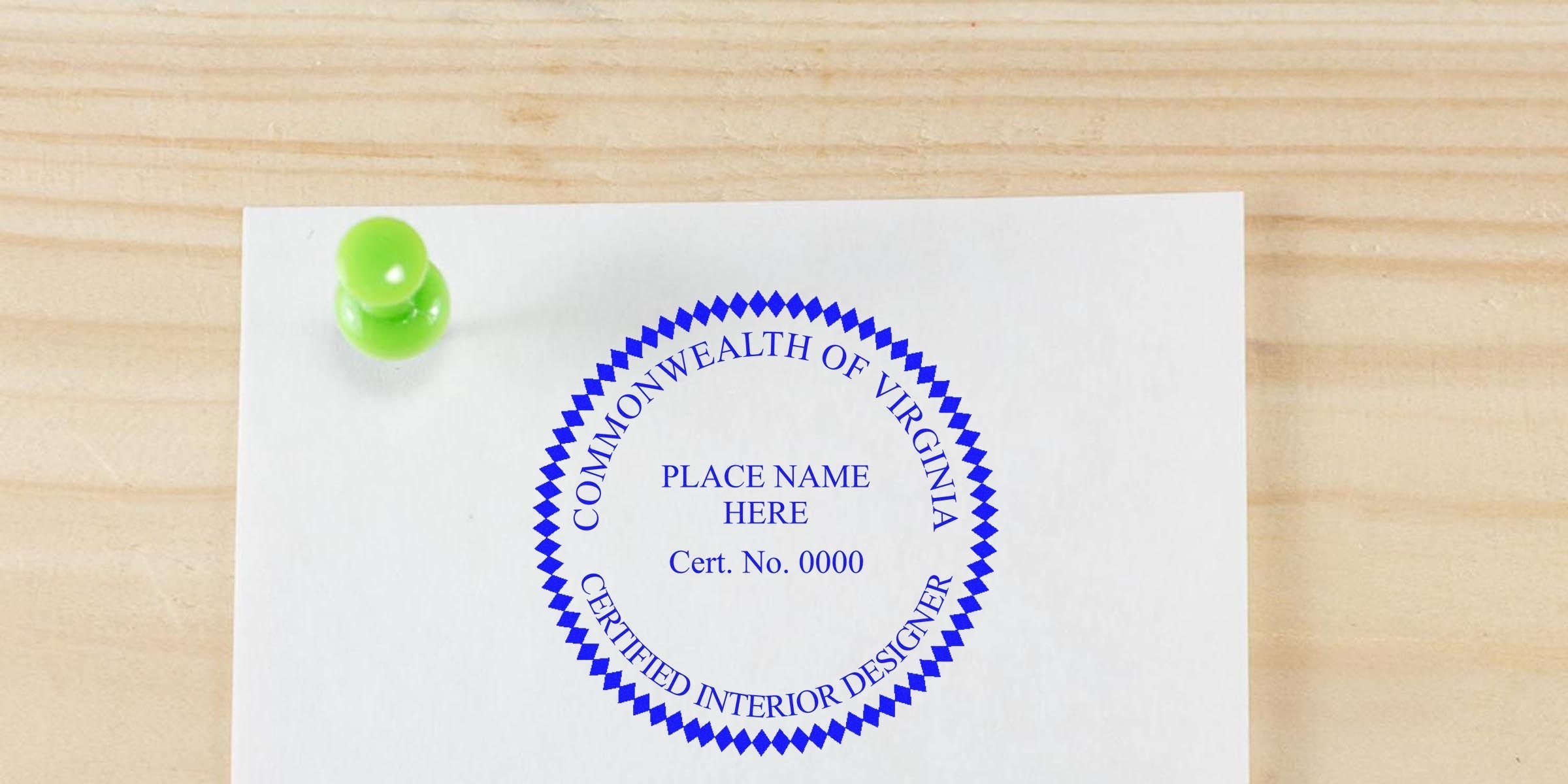
If you’re eager to finalize your Virginia interior designer seal application without a hitch, you’re definitely in the right place. After all, getting that official seal in your hands is a major milestone: it shows clients and regulators that you hold the credentials and credibility to work on professional interior design projects in Virginia. In this guide, you’ll discover what’s required, how to complete the application, which documents you need to gather, and how to avoid the common mistakes people inadvertently make. You’ll also get the inside scoop on one of the most trusted resources for obtaining high-quality stamps or seals—Acorn Sales—ready to support you every step of the way.
To help you get started, let’s walk through the key phases. Because let’s be honest, the application process can feel like jumping through hoops if you don’t have a clear strategy. But by following the steps below, you can breeze through your paperwork and get your Virginia interior designer seal in your hands faster.
Understand the Requirements
Before you dive into any paperwork, it’s worth taking a moment to understand why the state requires interior designers to have a professional seal (sometimes called a stamp). In Virginia, holding this seal isn’t just a formality—it’s an assurance that you meet the necessary training, examination, and experience benchmarks. In practice, this serves both you and your clients. You get to demonstrate professionalism and expertise, while your clients gain peace of mind knowing you’re recognized under state regulations.
- Virginia’s Board: Usually, the Department of Professional and Occupational Regulation (DPOR) oversees interior designer licensing. You’ll want to double-check their specific guidelines to ensure you meet experience and education prerequisites.
- Stamp vs. Seal: The words “stamp” and “seal” are often used interchangeably, but in Virginia, a seal typically refers to the embossed or inked impression that validates your professional status. It might appear on design plans, official papers, or documentation for clients and government bodies.
If you’re unsure how these requirements line up with your specific background, it might help to visit the state’s official websites or review the Virginia Interior Designer Stamp Requirements. You’ll find additional details you may need before you proceed.
Gather Your Supporting Documents
Next up, you’ll want to collect all the paperwork that proves you meet the requirements. The reality is, missing a single piece of information can delay your application, and you certainly don’t want to go through that frustration. Let’s look at the likely documents you’ll need.
- Proof of Education – This might be a copy of your transcripts from an accredited design or architecture program. Confirm with your program that the transcript indicates your degree and clearly identifies the institution as accredited.
- Verification of Experience – Depending on your background, you may need letters of recommendation or similar documents from supervisors (like a licensed architect or another certified interior designer). The key is confirming you’ve racked up the professional hours required.
- Examination Details – If you’ve passed the National Council for Interior Design Qualification (NCIDQ) exam, be ready to include official verification. If you still need to sit that test, check whether your application can be deferred or if the state requires proof of registration first.
- Personal Identification – Having a government-issued photo ID, such as a driver’s license or passport, can help confirm your identity.
- Payment Method – The application often requires a fee. Decide whether you’ll pay by check, money order, or credit card. Make sure you know the exact fee before sending your forms.
At this stage, double-check that the name on your forms matches your ID and other documents exactly. Even the littlest mismatch (like a missing middle initial) can cause the system to flag your submission.
Complete the Official Forms
Now that your supporting documents are lined up, it’s time to fill out your application forms. Depending on how the state organizes these forms, you might have digital options or PDF forms you can print out at home. Either way, accuracy matters a lot, so it pays to read each section carefully before writing anything down.
- Read Instructions Thoroughly: Start by scanning the entire application to get a sense of what’s asked. Look out for sections on personal information, professional references, or disclaimers you must sign.
- Mind the Deadlines: Some states have rolling deadlines, while others have defined windows for submission. If you’re uncertain, call or email the regulatory board to clarify.
- Provide Correct Contact Details: An obvious point, but if the board can’t reach you for clarifications, your application may get held up. Keep your phone number, mailing address, and email current.
- Sign and Date: Don’t forget to sign and date where required. Unsigned paperwork is one of the top reasons for rejections.
It’s also a good idea to copy or scan every page before you send it in. That way, if anything goes missing, you have the original information to quickly resend.
Coordinate With the Board
When you’ve completed the forms, you’re almost at the finish line. The next step is submitting everything to the regulating body—usually the DPOR in Virginia—or whichever board handles interior designer licensing. Some boards accept electronic submissions, whereas others require a physical package.
- Submitting in Person: If you live close by and want to drop off your documents, confirm office hours to avoid wasted trips.
- Mailing Your Application: Certified mail or courier services can offer you tracking information, which helps if you’re anxious about losing your application.
- Paying Your Fees: Many boards accept checks, money orders, and online payments. Just remember to confirm which method they prefer and how to address checks if you mail them.
After you mail or electronically submit your application, wait times can vary. You might hear back in a couple of weeks, or it could take a bit longer during peak licensing seasons. If you’re feeling impatient, it’s perfectly fine to follow up with a polite phone call or email to confirm they’ve received your packet.
Select Reliable Stamp Providers
You may think that once your application is in, you’re done. Actually, you’ll also need to secure your official stamp or seal once you’re approved, since the application process and seal acquisition often go hand in hand. That’s where trusted suppliers like Acorn Sales come in.
- Established Expertise: Acorn Sales has been in business since 1964, providing top-notch stamps and seals to professionals across Virginia and beyond. That’s over half a century of reliability.
- Quality Control: Shaky impressions can put an unnecessary snag on your professional documents. Acorn Sales pays close attention to detail, so your seal will appear crisp and official.
- Free Electronic Seal: These days, electronic documentation is everywhere. With every stamp or seal purchase, Acorn Sales offers a free electronic seal, perfect for digital copies of design plans or emailed proposals.
- Personalized Service: If you’re unsure which seal design or format you need for Virginia, the team at Acorn Sales is ready to help you decide. You can choose from an embosser, a self-inking stamp, or a pre-inked model, based on your preference.
From an everyday, practical standpoint, having a dependable seal provider means you’ll always have the perfect impression on your drawings, contracts, and official letters. It also means that if you ever misplace your stamp or want an updated version, you know right where to go.
Avoid Common Mistakes
As simple as it sounds, quite a few people run into minor hiccups during the Virginia interior designer seal application process. Even small oversights can lead to frustrating delays, so let’s keep you on track with some reminders.
- Missing the Right Fee: Always confirm the application fee amount for the current year. A lot of boards adjust fees periodically, and paying the wrong amount can stall your submission.
- Outdated Contact Information: If you’ve moved, changed your email, or updated your phone number, remember to reflect that on the application. You don’t want important notifications drifting away.
- Inadequate Documentation: Failing to include letters of reference, official transcripts, or proof of exam scores can prompt rejections. Double-check your packet or online application attachments.
- Sloppy Signatures and Dates: A quick pen scrawl might lead to confusion. Make sure your signature is legible and you’ve dated it appropriately.
- Not Reviewing Stamp Requirements: Virginia may specify a particular layout or format for your seal. You don’t want to order a design that doesn’t comply with the regulations. If in doubt, look at the Virginia Interior Designer Stamp Requirements or consult with a reputable stamp provider.
Stay on top of these details, and you’ll minimize your chances of a second round of paperwork.
Wrap Up and Next Steps
Completing your Virginia interior designer seal application is undeniably a major step in solidifying your professional status. While the process might seem a bit intimidating, you’ve now got a roadmap for success. Keep your documents organized, read (and reread) the official guidelines, and don’t be shy about asking questions if anything’s unclear.
Once your application is approved, you’ll want a reliable seal producer by your side. Acorn Sales, a trusted supplier in business since 1964, can promptly deliver a perfectly verified stamp or embosser, complete with a free electronic seal. That means you’ll be all set to finalize contracts, sign off on design work, and assure clients that you hold a genuine Virginia interior designer authorization.
If you’re on the fence or uncertain about any part of the process, recheck the Virginia Interior Designer Stamp Requirements or touch base with the state’s licensing board. Then, once you feel confident, go gather your documents, fill out your forms, and pick the stamp or seal that best fits your style. You’ll be good to go—and ready to show off your design credentials with pride!
Frequently Asked Questions
Do I Have to Take the NCIDQ Exam?
Typically, Virginia does require passing the NCIDQ exam or a similar recognized test. If you haven’t taken it yet, confirm whether you can submit certain parts of the application in advance or must await your results.
What if My Name Changes After Applying?
If you get married, divorced, or otherwise need to alter your name, contact the board as soon as possible. They will walk you through the steps to update your records so that future documents match your new name.
Can I Upgrade My Seal to a More Advanced Model Later?
Absolutely. If you initially pick a more basic stamp model, you can always upgrade later to a self-inking or pre-inked stamp. Acorn Sales can guide you on which products will fit your needs best.
Is the Electronic Seal Legally Recognized?
In most cases, yes. Virginia typically recognizes electronic seals as long as they meet certain security and format standards. Always confirm with the board or check local regulations to be safe.
How Long Does My Approval Last Before Renewal?
Every jurisdiction sets a renewal schedule, often annual or every two years. The board website should detail how frequently you must renew your license or certification and update your seal, if required.








