
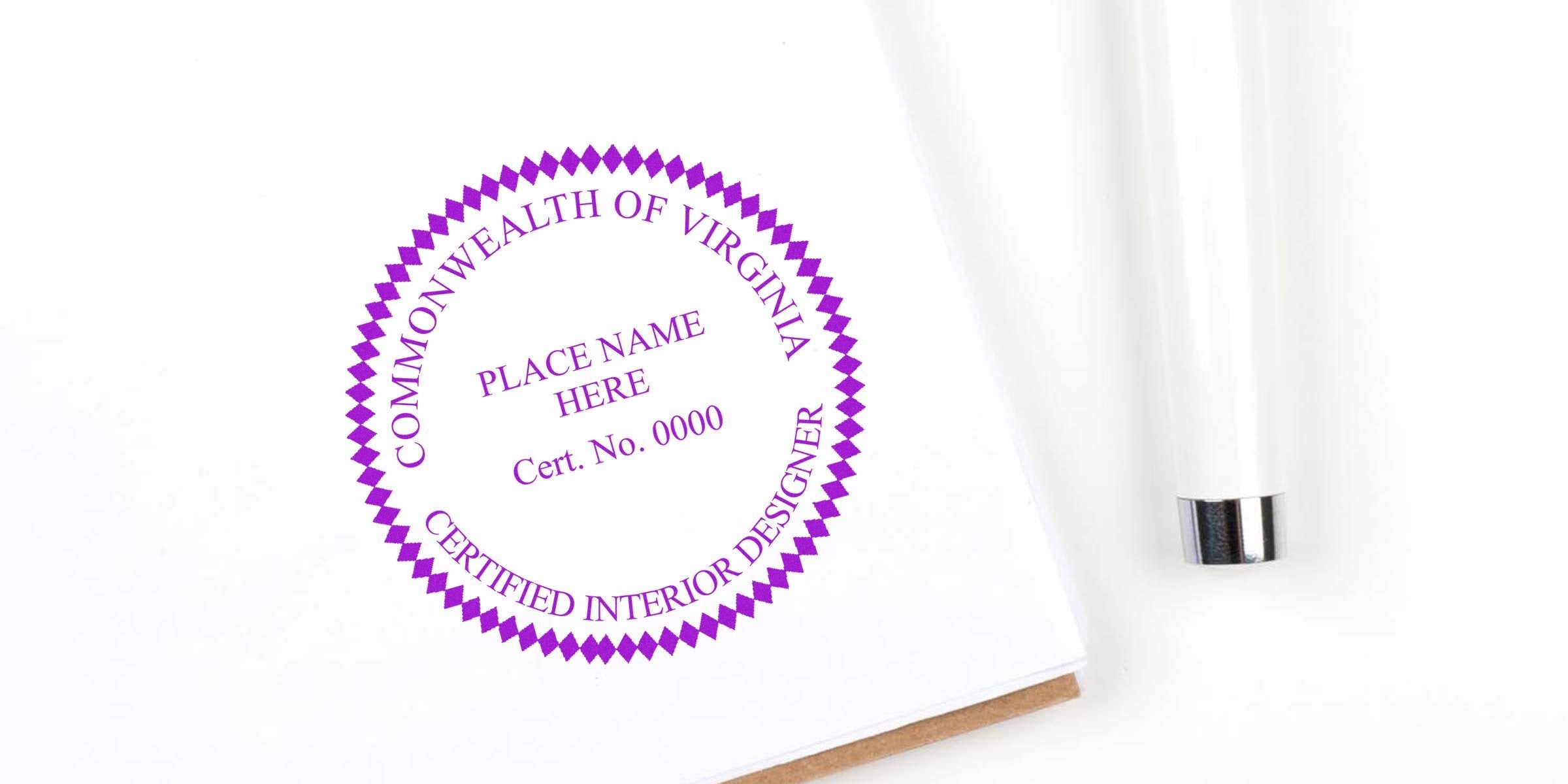
Explore Stamp Fundamentals
If you’re working as an interior designer in Virginia, you’ve likely heard about Virginia interior designer stamp specifications. These specifications aren’t just a formality, they’re part of what ensures your plans meet state standards and underscore your professionalism. The moment you add a properly designed stamp to your drawings, your clients and colleagues see that you’re serious about your craft. More importantly, you’re also following the rules laid out by the relevant licensing board. This helps protect public safety while maintaining consistent quality across your projects.
You might wonder, how does this stamp really come into play? In short, it stands as a visual seal of approval. When you submit design plans to local authorities for review, the stamp shows that you, as a licensed interior designer, back the accuracy and integrity of the work. Because interior design can affect safety and accessibility (think fire codes, structural elements, or accessibility guidelines), verifying your work with an official stamp demonstrates you’re operating within the professional guidelines set by Virginia’s state board.
Check Board Regulations
Before you invest in a stamp, it’s wise to consult the Virginia Board for Architects, Professional Engineers, Land Surveyors, Certified Interior Designers and Landscape Architects. This board lays out the official steps for licensure, discipline, and continuing education. When you check these board regulations, you get details about how a Virginia interior designer should conduct business, plus insights on the required dimensions, ink color, and style for your official mark.
No two states are exactly alike in their demands. You might see differences with how large the impressions need to be, or how the designer’s name should appear. By understanding and applying these details, you won’t just look more polished, you’ll also dodge compliance issues that could delay project approvals. If you’re aiming to stay updated, keep an eye on the board’s website or sign up for any alerts. Laws and guidelines can shift over time, so staying informed ensures your stamp won’t fall behind on any evolving legal requirements.
Recognize Stamp Versus Seal
The terms “stamp” and “seal” sometimes get used interchangeably. Both are visual markers, but they can serve slightly different purposes:
- A stamp often carries text that identifies you, your professional license number, and the state of registration (in this case, Virginia).
- A seal traditionally refers to a raised impression made with a device that embosses the paper. Today, people also use the word “seal” to describe digital versions for electronic documents.
In many cases, the board or local jurisdiction may not mind if you use a traditional embossing seal or a rubber ink stamp. What matters is that the final impression meets the official guidelines and is legible on all submitted paperwork. Some professionals swear by the classic look of an embossed seal, while others prefer the clarity of ink-based stamps. It often comes down to personal preference, provided you stay within the specifications set by Virginia’s regulatory authorities.
Secure Appropriate Dimensions
When it comes to any official mark, sizing is more than just an aesthetic choice. If your stamp is too small, important details may be impossible to read. If it’s too large, it can overshadow the rest of your design sheet and may look awkward. Virginia interior designer stamp specifications commonly include minimum and maximum sizes, often in the range of 1.5 to 2 inches in diameter. Make sure you verify these details with current board guidelines because a mismatch in stamp dimension can cause plan rejections.
It pays to confirm that your name, license credentials, and the phrase “Licensed Interior Designer” (or an approved variant) appear clearly. Also, consider how your stamp will look when scanned or photocopied. If the lines are too delicate or the font is too small, the stamp could blur or fade in printed copies. Ensuring your stamp is crisp and clear helps maintain its professional impact.
Quick Sizing Tips
- Choose a design that stays bold when reproduced in black-and-white.
- Avoid overly fancy fonts that can be hard to decipher at a smaller scale.
- Opt for high-quality stamp materials to keep lines sharp over long-term use.
Obtain Your Virginia Stamp
Once you know the rules inside and out, your next step is figuring out exactly where to get a compliant stamp. While you can find a range of vendors online, it’s typically best to go through a trusted supplier that understands Virginia interior designer stamp specifications firsthand. That’s where we introduce Acorn Sales. We’ve been supporting licensed professionals in Virginia since 1964, and we know exactly how these stamps should look and function.
One handy feature to look for is a package that includes both a physical stamp and an electronic seal. Having a free electronic seal included can be a game-changer if you often submit drawings or documents digitally. You won’t need to scan your physical stamp each time. Instead, you can insert a perfectly scaled digital version on your designs, saving you some serious hassle. As you shop around, be sure to confirm shipping times, reliability, and whether your chosen vendor has a track record of meeting state specifications. After all, you don’t want to wrestle with the headache of a stamp that doesn’t measure up to Virginia’s approval process.
Master Stamp Usage
Now that you have your official stamp, let’s talk about making the most of it. You’ll use your stamp on construction documents, sketches, or any drawing set you plan to present for permit approval. But how you apply that stamp makes a difference in clarity and consistency.
Consider following a quick checklist:
- Position your stamp so it doesn’t overlap critical text or design details.
- Press firmly if you’re using an ink stamp, making sure the impression is straight and smudge-free.
- Align the text with any accompanying signature, especially if you’re also signing the document digitally.
- Date the document if the board regulations require it. Some jurisdictions need a date next to the stamp to establish when the plans were finalized.
Also, be strategic about how often you use your stamp. Overuse can lead to confusion if you mark multiple preliminary versions with an official seal. Generally, you only want to stamp the final version that you’re confident reflects accurate and approved details.
When Should You Stamp?
- Permit submissions to local building authorities.
- Official project documents during the final design phase.
- Revisions that significantly alter your original plans.
Applying your stamp appropriately not only underscores your professionalism, it also strengthens your credibility with clients, contractors, and regulatory bodies.
Discover Acorn Sales Advantage
Finding the right stamp is one thing, but having a reliable partner who understands your concerns is another. Acorn Sales has supported countless professionals who need an interior designer stamp for Virginia and beyond. Because we’ve been in business since 1964, we’ve had decades to refine our product offerings, ensuring that you won’t face any hassle in meeting Virginia guidelines.
When you place an order with Acorn Sales, you’ll enjoy:
- A free electronic seal included with your physical stamp.
- Detailed advice on meeting potential changes in Virginia’s interior design regulations.
- High-quality stamp construction that produces a crisp, readable mark every time.
We realize that stamping is just one step in your project workflow. You also have to manage client expectations, juggle design changes, and meet tight deadlines. Let’s be honest, the last thing you want is to waste time chasing an incorrect or low-quality stamp. By choosing a supplier that’s well-versed in Virginia’s specific rules, you can place that order with confidence and focus on designing spaces that truly inspire.
Summarize Key Takeaways
Virginia’s regulatory requirements for interior designer stamps may look intimidating at first, but they serve a clear purpose: to maintain professional standards and protect public welfare. By understanding the basics—such as size, layout, and usage guidelines—you’re already taking a major step toward keeping your design projects compliant. After all, your main goal is to create beautiful, functional spaces for your clients, so you don’t want administrative hiccups holding you back.
Here’s the thing: a proper stamp doesn’t just keep the authorities happy. It also shows clients and collaborators that you take your role seriously. So if you’re still on the fence, consider a trusted supplier like Acorn Sales. You’ll get the right dimension, a free electronic seal, and support from a company that’s been around since 1964. Once your stamp is ready, apply it carefully and with pride, because it’s your official mark of expertise.
By staying current with evolving regulations and securing a quality stamp, you’ll be set to grow your interior design career in Virginia. After you handle the paperwork, you can focus on the real joy: transforming spaces into something truly unforgettable. Happy designing!
Frequently Asked Questions
Do I need to stamp every page of my drawings?
” While exact guidelines can vary, many designers only place a stamp on primary sheets that detail significant changes or structural considerations. Secondary sheets may not always require a stamp, but it’s best to confirm with local permit officials or review virginia interior designer stamp requirements .
Can I use a digital seal for all my submissions?
” In many jurisdictions, electronic seals are perfectly acceptable, especially if your local permitting office accepts digital or e-signed documents. Just ensure your electronic seal matches the official size and format required by Virginia’s board.
What if my stamp dimensions aren’t exactly as prescribed?
” Small deviations might cause issues during plan submission. Most boards keep a close eye on compliance, so it’s best to use an approved stamp that clearly meets the size, text, and format rules in place.
Where can I buy a high-quality stamp?
” Reputable suppliers like Acorn Sales specialize in providing products that meet Virginia interior designer stamp specifications. By going with a trusted source, you’ll minimize the risk of compliance problems later.
How do I keep my physical stamp secure?
” You should store your stamp in a safe spot, such as a locked drawer or cabinet, and restrict access to prevent unauthorized use. You’re personally responsible for every document that carries your professional stamp.








