
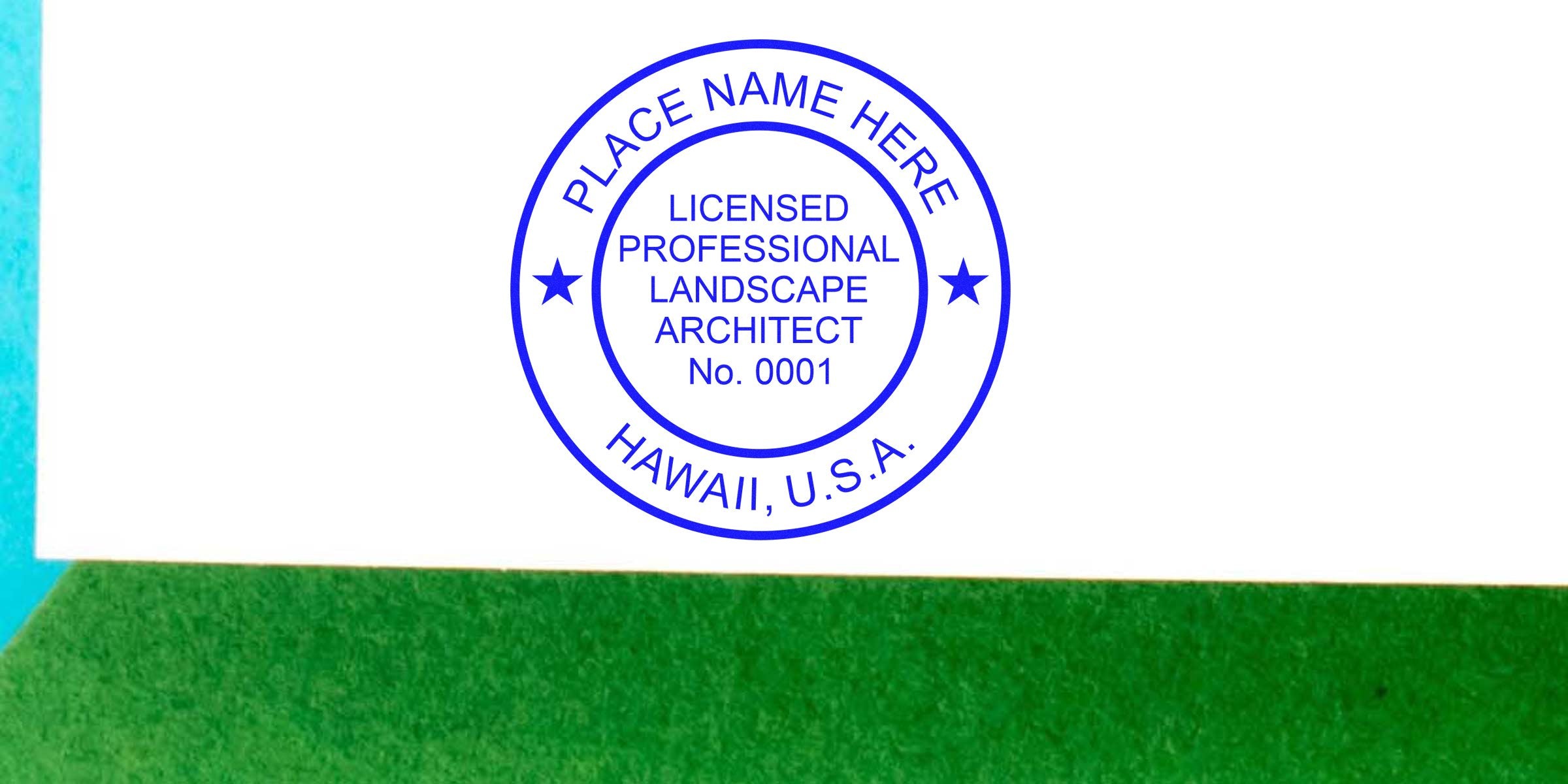
If you’ve ever wondered about Hawaii Landscape Architect Seal Design and why it matters, you’re in the right place. Whether you’re a newly licensed landscape architect or a seasoned professional looking to refresh your knowledge, understanding how seals work in Hawaii can make a big difference in your daily practice. From legal obligations to design conventions, we’ll walk through everything you need to know in a friendly, approachable way. By the end, you’ll feel confident about using, obtaining, and customizing the seal that aligns with Hawaii’s rules and requirements.
Understand the Seal Basics
A professional seal is more than just an official-looking stamp, it’s a symbol reflecting your expertise and credibility. In Hawaii, landscape architects use a seal to authenticate any official plans, documents, reports, or drawings that relate to outdoor design and planning. The seal reassures officials, clients, and colleagues that the work is done by someone who’s gained the correct licensure and follows the state’s regulations.
Purpose in Professional Practice
You might be thinking, “Is the seal just a fancy piece of artwork?” Actually, it carries legal and ethical weight. Every time you place your seal on a document, you’re confirming that you’ve overseen or created the work, and that it meets Hawaii’s professional standards. This step helps:
- Demonstrate professional responsibility.
- Build trust with clients and regulatory agencies.
- Distinguish licensed professionals from unlicensed practitioners.
When you apply your seal, you’re effectively vouching for the content inside the plans or documents. This simple action reinforces your commitment to the integrity and safety of the project.
Essential Hawaii Regulations
Each state sets its own guidelines, and Hawaii is no exception. Typically, regulations specify the required information on the seal (like your name, license number, and sometimes “State of Hawaii” text). For more details on stamping obligations, you can also check out the hawaii landscape architect stamp requirements. Familiarizing yourself with Hawaii’s rules ensures you avoid any missteps that might result in fines or project delays.
Recognize Hawaii’s Requirements
Beyond general stamp usage, there are specific guidelines for licensed landscape architects practicing in Hawaii. You’ll want to be mindful of these rules to remain compliant.
Licensing Prerequisites
- Complete relevant education in landscape architecture.
- Pass the Landscape Architect Registration Examination (LARE).
- Satisfy specific state experience requirements.
Once you fulfill these points, you’re eligible to apply for licensure and then obtain your seal. Each step verifies that you have the knowledge and skills to design safe, sustainable, and visually pleasing outdoor habitats.
Seal Layout and Wording
Hawaii’s Board of Professional Engineers, Architects, Surveyors, and Landscape Architects generally outlines what your seal must display. Common elements include:
- Your full name as it appears on your license.
- Your license number for verification.
- The designation “Landscape Architect.”
- The phrase “State of Hawaii.”
The arrangement might look uniform, but that doesn’t mean you can’t have a bit of personalization. Most professionals choose classic layouts, but you can still opt for different fonts (as allowed) or even discreet design touches that set your seal apart, as long as it meets the mandated criteria.
Focus on Hawaii Landscape Architect Seal Design
So, what makes a seal design appropriate for Hawaii’s professional standards? Generally, it comes down to clarity, readability, and completeness. You want your seal to be legible, aesthetically pleasing, and in line with your personal brand—while still conforming to required guidelines.
Common Design Elements
- A circular or oval shape.
- A clear border, often a single or double ring.
- Central text indicating your name and license details.
- Outer ring text for your professional title and “State of Hawaii.”
One detail to note is that many professionals rely on a digital version, especially if they work on projects that require frequent electronic submissions. Using a high-resolution image file ensures all text remains crisp and recognizable, whether on a physical print or a digital PDF.
Format and Size Tips
Hawaii typically doesn’t demand an extremely large seal, but check the guidelines for minimum diameter. A 1 5/8-inch diameter is quite common in many states, though the rules can vary. If you’re using a digital format, keep the resolution at 300 DPI (dots per inch) or higher for a sharp imprint.
Here’s a quick comparison of recommended sizes:
| Format | Typical Diameter | Recommended DPI |
|---|---|---|
| Physical Rubber Stamp | 1 5/8 or 2 inches | N/A |
| Self-Inking Stamp | 1 5/8 or 2 inches | N/A |
| Digital Seal (Electronic) | 1 5/8 inches (minimum) | 300 DPI or more |
Aside from size, ensure the text is laid out so it doesn’t appear cramped. You want each letter distinctly legible, making it obvious to anyone—the building department, a project manager, or a property owner—that your seal is fully authentic.
Use Seals Properly
Once you have a design you love, your next step is using it responsibly. You’ll place your stamp on any official documents that require your certification or signature. But remember, misusing your seal—like stamping documents you haven’t directly supervised—can jeopardize your license and professional reputation.
Stamping Etiquette
- Always sign across or near the seal if you’re submitting printed copies.
- Keep a consistent spot for your stamp, typically near the title block of drawings or in the signature zone of official paperwork.
- Ensure you’re physically signing or digitally signing if it’s an electronic submission.
Some pros worry about potential misuse of their seal, especially in digital form. To reduce risk, secure your electronic seal with a password. Also, keep your physical seal under lock or in a safe place to avoid unauthorized stamping.
When Not to Seal
It might surprise you, but some documents don’t require a seal. Materials like proposals, marketing brochures, or presentations often don’t need an official stamp. While you can use your seal if you’d like to showcase your license on these documents, it’s generally unnecessary and might even create confusion about what’s formally approved.
Obtain Your Stamp
So how do you go about getting one? Typically, you’ll work with an authorized supplier that specializes in professional seals—from physical stamps and embossers to digital seal files.
Finding a Trusted Provider
Since your seal is a big deal, it pays to select a reputable supplier that knows the ins and outs of Hawaii requirements. That’s where Acorn Sales comes into the picture. We’ve been in business since 1964 and have helped countless professionals get set up with the proper seal design—whether it’s a rubber stamp or a digital file. Our focus is making sure your seal is legally compliant, sturdily built, and easy to use.
Along with that, you’ll enjoy:
- Fast shipping so you can get started right away.
- Free digital seal included with many of our standard packages.
- A variety of seal styles, to fit both classic and modern taste.
Our decades of experience mean we’re well-versed in the details that matter most to Hawaii-based landscape architects. We stay on top of any legislative updates for your profession, so you don’t have to guess.
Steps to Purchase
Confirm Your License Details
Make sure your name and license number appear exactly as they do on official documents.Decide on a Format
Are you all about convenience, or do you prefer old-school practicality? Pick from self-inking stamps, pre-inked stamps, embossers, or digital seals.Double-Check State Requirements
If needed, reference the hawaii landscape architect stamp requirements for specifics on size, content, or layout.Place Your Order
Once you’ve settled on a style, place your order with a trustworthy supplier like Acorn Sales. Remember to ask about any freebies or bundle deals, as we occasionally offer combos that include an embosser plus a digital seal.Verify the Proof
Many suppliers provide a visual proof before finalizing your seal. Carefully review each detail—typos can lead to costly reprints.
With these steps, you’ll be well on your way to having a perfectly official seal that meets Hawaii’s standards.
Collaborate With Acorn Sales
Wondering why you should work with Acorn Sales specifically? Let’s be honest: you’ve probably seen several stamp suppliers online. Yet, not all providers are created equal. If you want a seamless experience, plus peace of mind that your seal is state-compliant, you’ll want a partner who has been doing this for decades.
What Sets Us Apart
Over 60 Years of Service
We’ve been around since 1964, supplying professionals across multiple fields—engineers, architects, notaries, and yes, landscape architects. Our longevity points to our consistent quality and commitment.Compliance Experts
Each state has its unique guidelines, and we follow them to the letter. That’s how we ensure your custom seal stands up to any building department’s scrutiny.Free Digital Seal Included
In many of our custom packages, we’ll throw in a digital seal file for free. This is incredibly handy if you’re working remotely, emailing PDFs, or uploading proposals online.Easy Ordering Process
Our website is straightforward to navigate, and our customer support is always ready to help troubleshoot.
Whenever you need a new stamp or an updated design, our team steps in to make sure everything is perfect from day one.
Explore Practical Tips
Still feeling a bit uncertain about how to manage or care for your seal? A little proactive thinking can save you a headache down the road. Here are a few practical tidbits to keep everything running smoothly.
Storage and Maintenance
- Keep your stamp or embosser in a cool, dry place to extend its lifespan.
- If you use a self-inking or pre-inked stamp, refill the ink before it runs dry to prevent faint impressions.
- For digital seals, ensure you back up the file—just in case.
Preventing Unauthorized Use
Protect your seal like you’d protect any professional license documentation. You wouldn’t leave your signed check lying around, so treat your stamp with the same level of care. If you suspect someone has used your seal without permission, address it immediately by contacting your licensing board for guidance.
Keeping Up with Regulations
Occasionally, states update or refine their professional guidelines. Stay informed by visiting official state resources or subscribing to professional organizations that issue notifications. Regularly verifying your seal details—like your license number and status—helps you stay current.
Bring It All Together
Seals are a small part of your day-to-day work, but they carry enormous significance in asserting your legitimacy as a landscape architect. Hawaii expects you to maintain a clearly identifiable seal, and that requires attention to design and usage. When you know the rules, track your responsibilities, and partner with a reliable supplier like Acorn Sales, you’ll have no problem keeping everything compliant.
Take a moment now to ensure you have your license details in order and decide which type of seal suits your routine. Self-inking or pre-inked stamps work well if you’re always on the go, while an embosser adds a certain gravitas to final documents. And if you regularly submit electronic files, definitely nab a high-quality digital seal.
By checking all these boxes, you’ll protect your professional standing and demonstrate your respect for Hawaii’s standards. If you’re ready to shop for your new seal or have lingering questions, reach out anytime, and we’ll help you navigate the process hassle-free. Here’s to keeping your practice running smoothly and confidently—one properly stamped document at a time!
Frequently Asked Questions
Do I Need a Special Design for Hawaii Landscape Architect Seals?
You do need to follow Hawaii’s specifications. Typically, this means including your name, license number, the words “State of Hawaii,” and “Landscape Architect.” You can add subtle design touches, but ensure all mandatory text is central and easy to read.
Are Digital Seals Accepted in Hawaii?
Yes, digital seals are generally acceptable for electronic plan submissions, provided they meet the required standards. Just be sure your digital seal is secure and high-resolution. It never hurts to confirm with the local jurisdiction handling your project.
What Happens if My Stamp Ink Starts Fading?
If you notice the impression is starting to fade, it’s time for a refill or a replacement ink pad. Clear, crisp impressions are key for official documents. Using a faded seal could lead to rejected submissions.
Can I Use an Embosser Instead of an Ink Stamp?
Absolutely. An embosser is often considered a neat alternative to a typical ink stamp, especially if you prefer a raised impression. Just confirm your official documents accept embossed impressions without ink, as requirements can vary.
Where Can I Buy a Compliant Hawaii Landscape Architect Seal?
A specialized provider like Acorn Sales is a trustworthy choice. We’ve been working since 1964 to ensure landscape architects in Hawaii and beyond get fully compliant seals. We also include a free digital seal in many of our packages, so you’ll have both physical and electronic options.








